Do you love your garden? Do pesky rabbits eat your plants? They can ruin all your hard work. A good rabbit deterrent for gardens can help. It keeps your veggies and flowers safe. Let’s learn how to protect your garden.
Rabbits are cute, but hungry. They will munch on almost anything. One day, Mrs. Green found all her lettuce gone. She needed a rabbit deterrent for gardens fast. She tried a few things and found what worked. Now, her garden is safe and sound.
It is important to keep rabbits out. They can do a lot of damage quickly. There are many ways to stop them. Some are easy to make at home. Others you can buy at the store. Let’s find the best way to keep rabbits away!
Key Takeaways
- Effective rabbit deterrents for gardens protect plants from hungry animals.
- Fences and netting are simple ways to keep rabbits out of your garden.
- Natural sprays with garlic or pepper can deter rabbits safely.
- Motion-activated sprinklers scare rabbits, keeping them away from plants.
- Combining different methods offers the best defense against rabbits.
Understanding Rabbit Behavior
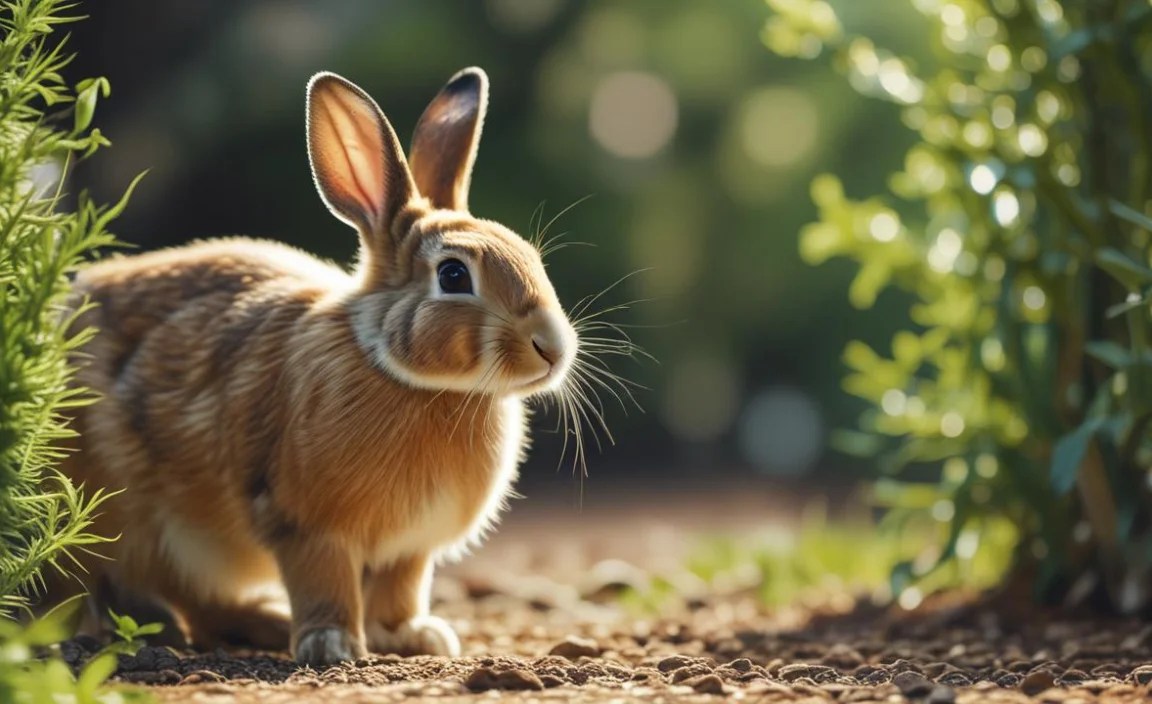
Rabbits are creatures of habit. They like to follow the same paths. They often visit gardens at dawn and dusk. Knowing this helps you choose the best rabbit deterrent for gardens. Rabbits have a great sense of smell. They use it to find food. They also use it to detect danger. This is why strong scents can keep them away. Rabbits can jump surprisingly high. A low fence might not be enough. You need a fence that is at least two feet tall. Make sure the fence goes into the ground a little bit. This stops them from digging under it. Rabbits also breed quickly. A few rabbits can turn into many rabbits fast. This is why it is important to act quickly. Protect your garden before the rabbit problem gets too big. Understanding rabbit behavior is key to keeping them out.
- Rabbits are most active at dawn and dusk.
- They have a strong sense of smell.
- Rabbits can jump surprisingly high.
- They breed very quickly.
- Rabbits often follow the same paths.
Choosing the right rabbit deterrent for gardens depends on your garden. Consider the size of your garden. Think about how many rabbits you see. Some people use a combination of methods. They might use a fence and a spray. This gives extra protection. It is also important to be consistent. Apply sprays regularly. Check your fence for holes. Remove any hiding places for rabbits. Keep your garden clean and tidy. This makes it less attractive to rabbits. Remember, patience is important. It might take some time to find the best solution. But with a little effort, you can protect your garden.
Fun Fact or Stat: A single female rabbit can produce over 40 babies in a year!
Why Rabbits Target Gardens
Have you ever wondered why rabbits love gardens so much? Gardens are like a buffet for them. They offer a wide variety of tasty plants. Rabbits enjoy eating young, tender shoots. They also like leafy greens and vegetables. Gardens are often well-watered. This makes the plants even more appealing. Think of your garden as a restaurant for rabbits. They come for the delicious food and easy access. Gardens also provide shelter for rabbits. They can hide under bushes and plants. This makes them feel safe from predators. This is why a good rabbit deterrent for gardens must address both food and shelter. You need to make your garden less appealing to rabbits in every way possible. By understanding why rabbits target gardens, you can better protect your plants.
Common Plants Rabbits Love
Do you know which plants rabbits find most delicious? Knowing this can help you protect them. Rabbits love lettuce, carrots, and beans. They also enjoy many flowers, like tulips and pansies. These plants are like candy to rabbits. They will go out of their way to find them. If you have these plants, you need extra protection. Consider using a fence or netting around them. You can also try planting them near plants that rabbits dislike. Some plants, like marigolds and lavender, naturally deter rabbits. This is called companion planting. It can be a natural way to keep rabbits away. A good rabbit deterrent for gardens strategy includes protecting these vulnerable plants. Knowing what rabbits love is the first step.
Assessing Your Garden’s Vulnerability
How safe is your garden from rabbits? Take a walk around your garden. Look for signs of rabbit activity. Do you see nibbled leaves? Are there small, round droppings? These are signs that rabbits are visiting. Also, check for entry points. Are there gaps in your fence? Can rabbits easily dig under it? Look for hiding places, too. Bushes and tall grass can provide shelter for rabbits. The more signs you find, the more vulnerable your garden is. You might need a stronger rabbit deterrent for gardens. Consider adding extra layers of protection. This could include a taller fence, more frequent spraying, or motion-activated sprinklers. Regular checks can help you stay ahead of the rabbits. Don’t wait until they have eaten all your plants. Start protecting your garden now.
Fencing as a Rabbit Deterrent

Fencing is one of the most effective rabbit deterrents for gardens. A good fence keeps rabbits out. It creates a physical barrier. Rabbits cannot get to your plants. Choose a fence that is at least two feet tall. This stops them from jumping over it. Make sure the fence goes into the ground. Bury it about six inches deep. This stops rabbits from digging under it. Use a mesh with small holes. This prevents them from squeezing through. Chicken wire is a good choice. Make sure the fence is sturdy. Rabbits might try to push through it. Check the fence regularly for holes. Repair any damage quickly. A small hole can let rabbits in. Fencing can be a bit expensive. But it is a long-term solution. It protects your garden for years to come.
- Choose a fence at least two feet tall.
- Bury the fence six inches into the ground.
- Use a mesh with small holes.
- Check the fence regularly for damage.
- Repair any holes immediately.
Consider the look of your fence. Some fences are more attractive than others. You can choose a fence that blends in with your garden. A wooden fence can look nice. But it can also be more expensive. A simple wire fence is cheaper. You can also add plants around the fence. This makes it look more attractive. It also helps to hide the fence. Think about the gate to your garden. Make sure the gate is secure. Rabbits can sometimes sneak in through the gate. A self-closing gate is a good idea. This makes sure the gate is always closed. A good fence is a great investment. It protects your garden and gives you peace of mind. You can relax knowing your plants are safe.
Fun Fact or Stat: Rabbits can jump up to 3 feet high, so a 2-foot fence is usually enough!
Choosing the Right Fence Material
What should your fence be made of? There are many choices. Chicken wire is a popular option. It is cheap and easy to install. Hardware cloth is stronger than chicken wire. It is a good choice if you have a lot of rabbits. Wood fences look nice but cost more. They also need more maintenance. Vinyl fences are durable and long-lasting. They are a good choice if you want a fence that will last for many years. Consider the look of your garden. Choose a fence that matches your style. Also, think about your budget. Some materials are more expensive than others. A good rabbit deterrent for gardens fence is one that is strong, affordable, and looks good. Take your time and choose the right material for your needs.
Proper Fence Installation Techniques
How you install your fence matters. A poorly installed fence will not keep rabbits out. Start by clearing the area where you will put the fence. Remove any rocks or debris. Dig a trench about six inches deep. This is where you will bury the fence. Install the fence posts. Make sure they are sturdy and well-spaced. Attach the fence material to the posts. Use staples or wire to secure it. Make sure the fence is tight and straight. Bury the bottom of the fence in the trench. This prevents rabbits from digging under it. Backfill the trench with soil. Tamp it down firmly. Check the fence for any gaps or holes. Repair them immediately. A well-installed rabbit deterrent for gardens fence will protect your plants for years to come.
Maintaining Your Fence for Longevity
A fence needs care. This helps it last longer. Check your fence often. Look for damage. Repair any holes or broken posts. Keep plants away from the fence. They can damage it over time. Remove any vines that are growing on the fence. They can weigh it down and cause it to collapse. Treat wooden fences with a sealant. This protects them from the weather. Replace any rusty or broken hardware. Keep the area around the fence clear. This makes it easier to spot problems. A well-maintained rabbit deterrent for gardens fence will last for many years. It will keep your garden safe from rabbits. Take the time to care for your fence.
Natural Rabbit Repellents

Natural rabbit deterrents for gardens are a safe way to protect your plants. These repellents use ingredients that rabbits don’t like. They are often made from things you have at home. Garlic is a great natural repellent. Rabbits hate the smell of garlic. You can make a garlic spray. Mix garlic with water and spray it on your plants. Pepper is another good option. Rabbits don’t like the taste of pepper. Sprinkle pepper flakes around your plants. You can also make a pepper spray. Vinegar is also effective. Rabbits don’t like the smell of vinegar. Spray vinegar around the perimeter of your garden. These natural repellents are safe for your plants and the environment. They are a good choice for people who want to avoid chemicals. Remember to reapply the repellents after it rains.
- Garlic spray repels rabbits with its strong scent.
- Pepper flakes irritate rabbits and keep them away.
- Vinegar’s strong smell deters rabbits.
- These natural repellents are safe for plants.
- Reapply after rain for continued protection.
Some plants also act as natural repellents. Marigolds are a good choice. Rabbits don’t like the smell of marigolds. Plant them around your garden to keep rabbits away. Lavender is another good option. Rabbits also dislike the smell of lavender. These plants are not only beautiful. They also protect your garden. You can also use human hair. Rabbits are scared of human scent. Sprinkle human hair around your plants. This can trick them into thinking humans are nearby. Rotate your repellents. Rabbits can get used to the same smell. Change your repellents regularly. This keeps the rabbits guessing. Natural repellents are a great way to protect your garden. They are safe, effective, and easy to use.
Fun Fact or Stat: Rabbits have about 17,000 taste buds, which is three times more than humans!
DIY Garlic and Pepper Sprays
Want to make your own rabbit repellent? Garlic and pepper sprays are easy to make. They are also very effective. For garlic spray, crush a few cloves of garlic. Put the garlic in a jar with water. Let it sit for a day or two. Strain the mixture and pour it into a spray bottle. Spray your plants with the garlic water. For pepper spray, mix pepper flakes with water. You can also use hot sauce. Let the mixture sit for a few hours. Strain it and pour it into a spray bottle. Spray your plants with the pepper water. Be careful not to get the spray in your eyes. These sprays are a great way to keep rabbits away. They are natural and safe for your garden. A good rabbit deterrent for gardens is simple to make.
Using Herbs and Plants as Deterrents
Did you know some plants can keep rabbits away? These plants have strong smells. Rabbits don’t like these smells. Plant these around your garden. They will help protect your other plants. Marigolds, lavender, and mint are good choices. Rabbits also dislike the smell of onions. Plant onions around your garden. They will keep rabbits away. You can also use herbs. Rosemary, thyme, and oregano are good options. These herbs are easy to grow. They also have a strong smell. Plant them near your vegetables. They will help protect your crops. Using plants as a rabbit deterrent for gardens is a natural way to keep rabbits away.
The Effectiveness of Scent-Based Repellents
Why do scent-based repellents work? Rabbits have a strong sense of smell. They use it to find food. They also use it to detect danger. Strong smells can overwhelm their senses. This makes them uncomfortable. They will avoid areas with strong smells. This is why garlic, pepper, and vinegar work. These scents are unpleasant to rabbits. They will stay away from your garden. Scent-based repellents are easy to use. You can spray them on your plants. You can also sprinkle them around your garden. Remember to reapply them often. The scent will fade over time. A good rabbit deterrent for gardens uses scent to keep rabbits away.
Commercial Rabbit Repellents

Commercial rabbit deterrents for gardens are available in stores. These repellents are made with ingredients that rabbits don’t like. They come in different forms. Some are sprays. Others are granules. Some are liquid concentrates. Choose a repellent that is safe for your plants. Read the label carefully. Follow the instructions. Apply the repellent regularly. Reapply after it rains. Some repellents last longer than others. Choose a repellent that fits your needs. Commercial repellents can be effective. But they can also be expensive. Consider the cost before you buy. Some repellents contain chemicals. If you want to avoid chemicals, choose a natural repellent. Look for repellents made with garlic, pepper, or other natural ingredients.
- Commercial repellents are available in different forms.
- Read the label and follow the instructions carefully.
- Reapply regularly, especially after rain.
- Consider the cost and ingredients before buying.
- Choose a repellent that fits your needs.
Compare different brands of repellents. Read reviews online. See what other gardeners say. Some repellents work better than others. Consider the type of plants you have. Some repellents are better for vegetables. Others are better for flowers. Some repellents can stain your plants. Test the repellent on a small area first. This will make sure it doesn’t damage your plants. Be careful when using repellents around pets. Some repellents can be harmful to pets. Keep pets away from treated areas. Store repellents safely. Keep them out of reach of children and pets. Commercial repellents can be a good option. But it is important to use them safely and effectively. A good rabbit deterrent for gardens helps protect your plants.
Fun Fact or Stat: Some commercial repellents claim to be effective for up to 3 months!
Choosing the Right Product
With so many choices, how do you pick the right product? Start by reading the label. What ingredients are in the repellent? Is it safe for your plants? Is it safe for pets and children? Consider the type of rabbits you have. Some repellents work better on certain types of rabbits. Think about the size of your garden. A large garden will need more repellent. Read reviews online. See what other gardeners say about the product. Consider the cost. Some repellents are more expensive than others. Choose a repellent that fits your budget. A good rabbit deterrent for gardens is one that is safe, effective, and affordable. Take your time and choose the right product for your needs.
Application Techniques for Best Results
How you apply the repellent matters. Follow the instructions on the label. Apply the repellent evenly. Don’t miss any spots. Pay attention to new growth. Rabbits love to eat new shoots. Reapply the repellent regularly. Especially after it rains. Some repellents need to be reapplied more often than others. Use a sprayer to apply liquid repellents. This will help you cover a large area quickly. Use gloves when applying repellents. This will protect your skin. Avoid spraying repellents on windy days. The wind can carry the spray away. Apply repellents in the morning or evening. This will avoid burning your plants. Good application is key to a good rabbit deterrent for gardens.
Safety Precautions When Using Repellents
Safety is very important when using repellents. Read the label carefully. Follow all safety instructions. Wear gloves and eye protection. This will protect your skin and eyes. Avoid breathing in the spray. Apply repellents in a well-ventilated area. Keep children and pets away from treated areas. Store repellents safely. Keep them out of reach of children and pets. Wash your hands after using repellents. If you get repellent on your skin, wash it off immediately. If you accidentally swallow repellent, call a doctor or poison control center. Using repellents safely is important. A good rabbit deterrent for gardens protects your plants and your health.
Motion-Activated Sprinklers

Motion-activated sprinklers are a surprising rabbit deterrent for gardens. These sprinklers detect movement. When a rabbit comes near, the sprinkler turns on. The sudden burst of water scares the rabbit. It runs away. These sprinklers are effective. Rabbits don’t like getting wet. They quickly learn to avoid the area. Motion-activated sprinklers are easy to install. You simply attach them to your garden hose. Adjust the sensitivity of the motion sensor. This will prevent the sprinkler from going off unnecessarily. Place the sprinklers in areas where rabbits are common. They are a good choice for protecting vegetable gardens and flower beds. These sprinklers are also humane. They don’t harm the rabbits. They simply scare them away.
| Feature | Motion-Activated Sprinkler | Traditional Fencing | Natural Repellents |
|---|---|---|---|
| Effectiveness | High (scares rabbits away) | High (physical barrier) | Moderate (depends on application) |
| Cost | Moderate (initial cost) | High (material and labor) | Low (DIY or store-bought) |
| Maintenance | Low (battery changes) | Moderate (repairs and upkeep) | High (reapplication needed) |
| Environmental Impact | Low (uses water) | Low (materials used) | Low (natural ingredients) |
- Sprinklers scare rabbits with sudden bursts of water.
- Easy to install and attach to garden hoses.
- Adjustable sensitivity prevents unnecessary activation.
- Humane and don’t harm the rabbits.
- Effective for vegetable gardens and flower beds.
Motion-activated sprinklers can also water your plants. This is an added bonus. You can set the sprinkler to water your plants regularly. This saves you time and effort. These sprinklers can also deter other animals. They can scare away deer, squirrels, and other pests. Consider the range of the sprinkler. Choose a sprinkler that covers a large area. This will protect more of your garden. Some sprinklers have multiple spray patterns. You can adjust the spray pattern to fit your needs. Motion-activated sprinklers are a great way to protect your garden. They are effective, easy to use, and humane. They are a good investment for any gardener. A good rabbit deterrent for gardens protects without harm.
Fun Fact or Stat: Some motion-activated sprinklers can detect movement up to 40 feet away!
Placement Strategies for Maximum Impact
Where you put your sprinklers matters. Place them in areas where rabbits are common. Near garden edges is a good start. Also, place them near plants that rabbits love. This will protect those plants specifically. Consider the direction of the sprinkler. Point it towards areas where rabbits approach. Adjust the sensitivity of the motion sensor. You don’t want the sprinkler to go off every time a bird flies by. But you want it to be sensitive enough to detect rabbits. Test the sprinkler regularly. Make sure it is working properly. A good rabbit deterrent for gardens needs good placement.
Adjusting Sensitivity and Spray Patterns
Sprinklers often have settings you can change. Adjust the sensitivity of the motion sensor. This controls how easily the sprinkler turns on. A higher sensitivity means it will detect even small movements. A lower sensitivity means it will only detect larger movements. Adjust the spray pattern to fit your needs. Some sprinklers have a wide spray pattern. Others have a narrow spray pattern. Choose a pattern that covers the area you want to protect. Experiment with different settings. Find what works best for your garden. A good rabbit deterrent for gardens is customized to your needs.
Combining Sprinklers with Other Deterrents
Sprinklers work well with other methods. Use them with a fence for extra protection. The fence keeps rabbits out. The sprinkler scares away any that get close. Combine sprinklers with natural repellents. Spray your plants with garlic or pepper. The smell will deter rabbits. The sprinkler will scare away any that try to eat them. Use sprinklers with companion planting. Plant marigolds or lavender around your garden. These plants repel rabbits. The sprinkler will scare away any that come near. Combining methods gives you the best protection. A good rabbit deterrent for gardens uses many strategies.
Creating Physical Barriers
Physical barriers are another effective rabbit deterrent for gardens. These barriers prevent rabbits from reaching your plants. Fences are one type of physical barrier. Netting is another option. You can use netting to cover individual plants. This protects them from rabbits. Cloches are small, clear covers. You can place them over plants. This creates a mini-greenhouse. It also protects the plants from rabbits. Row covers are long sheets of fabric. You can use them to cover rows of plants. This protects them from insects and rabbits. Physical barriers are easy to use. They are also very effective. They are a good choice for protecting small gardens. They can be combined with other methods. This gives you extra protection.
- Netting covers individual plants for protection.
- Cloches are small covers that act as mini-greenhouses.
- Row covers protect rows of plants from pests.
- Barriers prevent rabbits from reaching plants.
- Easy to use and very effective.
Consider the cost of the barriers. Some barriers are more expensive than others. Netting is usually cheaper than fences. Cloches can be expensive. But they can be reused for many years. Row covers are a good option for large gardens. They protect many plants at once. Choose barriers that are appropriate for your garden. Also, think about the look of the barriers. Some barriers are more attractive than others. Choose barriers that blend in with your garden. You can also add plants around the barriers. This makes them look more attractive. Physical barriers are a great way to protect your garden. They are effective and easy to use. A good rabbit deterrent for gardens keeps rabbits away.
Fun Fact or Stat: Cloches have been used since the 1600s to protect plants!
Netting and Plant Cages
Netting is a simple way to protect plants. It creates a barrier around them. Rabbits cannot reach the plants inside. Plant cages are similar to netting. They are made of wire or plastic. They provide more support for the plants. Both netting and plant cages are easy to install. Simply place them over the plants. Secure them with stakes or rocks. Choose netting or cages that are the right size for your plants. You don’t want them to be too small. The plants need room to grow. You also don’t want them to be too big. Rabbits might be able to squeeze inside. A good rabbit deterrent for gardens is easy to use.
Creating Raised Beds
Raised beds can help keep rabbits away. They lift your plants off the ground. This makes it harder for rabbits to reach them. Build your raised beds at least 12 inches high. This will deter most rabbits. You can also add a fence around the raised bed. This gives extra protection. Use wood, stone, or concrete to build your raised beds. Choose a material that matches your garden. Fill the raised beds with good soil. This will help your plants grow. Raised beds are a great way to protect your garden. They also make gardening easier. A good rabbit deterrent for gardens also helps you garden better.
Using Landscape Fabric and Mulch
Landscape fabric can help keep rabbits away. It creates a barrier on the ground. Rabbits don’t like walking on it. Place landscape fabric around your plants. Cover it with mulch. This will make it look more attractive. Mulch also helps to keep weeds down. It also helps to retain moisture in the soil. Choose a mulch that is appropriate for your plants. Wood chips, straw, and compost are good options. Landscape fabric and mulch are easy to use. They are also good for your garden. A good rabbit deterrent for gardens is also good for your plants.
Summary
Keeping rabbits out of your garden can be tough. They love to eat your plants. There are many ways to stop them. Fences are a good option. They create a physical barrier. Natural repellents can also work. Garlic, pepper, and vinegar are all effective. Motion-activated sprinklers scare rabbits away. Physical barriers like netting also help. The best approach combines methods. This gives your garden the best protection. Remember to reapply repellents often. Check your fence for holes. Be consistent with your efforts. A good rabbit deterrent for gardens protects your plants. It also gives you peace of mind.
Conclusion
Protecting your garden from rabbits is important. They can cause a lot of damage. There are many ways to keep them away. Fences, repellents, and sprinklers can all help. Choose the methods that work best for you. Be consistent and patient. With a little effort, you can have a beautiful, rabbit-free garden. Enjoy your veggies and flowers. A good rabbit deterrent for gardens makes gardening more fun.
Frequently Asked Questions
Question No 1: What is the best rabbit deterrent for gardens?
Answer: The best rabbit deterrent for gardens often involves a combination of methods. A fence that is at least two feet tall and buried six inches into the ground is a good start. You can also use natural repellents like garlic or pepper spray. Motion-activated sprinklers can scare rabbits away. Combining these methods will give you the best protection. Remember to reapply repellents after rain and check your fence regularly for holes.
Question No 2: How do I make a homemade rabbit repellent?
Answer: Making a homemade rabbit repellent is easy and cost-effective. A simple recipe involves mixing crushed garlic with water. Let it sit for a day, then strain and spray it on your plants. Another option is to mix pepper flakes with water and spray that on your plants. Be careful not to get the spray in your eyes. These natural sprays can be a good rabbit deterrent for gardens.
Question No 3: Are commercial rabbit repellents safe for my plants?
Answer: Most commercial rabbit repellents are safe for plants when used as directed. However, it is always a good idea to read the label carefully and follow the instructions. Some repellents may be more suitable for certain types of plants than others. If you are concerned, test the repellent on a small area of the plant first. This can help you avoid damaging your plants. A good rabbit deterrent for gardens should protect your plants, not harm them.
Question No 4: How high should a fence be to keep rabbits out?
Answer: A fence should be at least two feet tall to effectively keep rabbits out. Rabbits are surprisingly good jumpers, so a lower fence may not be enough. It is also important to bury the fence about six inches into the ground. This prevents rabbits from digging under it. Use a mesh with small holes to prevent them from squeezing through. A good fence is a key part of any rabbit deterrent for gardens.
Question No 5: What plants do rabbits dislike?
Answer: Rabbits dislike certain plants because of their strong smells or textures. Marigolds, lavender, and mint are good choices for planting around your garden. Onions and garlic also repel rabbits. Planting these around your vulnerable plants can help keep rabbits away. This is a natural way to enhance your rabbit deterrent for gardens.
Question No 6: How often should I reapply rabbit repellent?
Answer: You should reapply rabbit repellent regularly, especially after it rains. Rain can wash away the repellent, making it less effective. Check the label of your repellent for specific instructions. Some repellents last longer than others. It is also a good idea to reapply repellent after watering your plants. Consistency is key to a good rabbit deterrent for gardens.
