Do you have steps outside your home? Do you need something to hold onto? A railing for outdoor stairs can help. It keeps you safe when walking up or down. Railings are important for everyone. They are useful for kids and grown-ups too. Let’s learn more about them!
A railing can be more than just useful. A good railing can look nice too. It can add to the look of your home. Have you ever seen a really cool railing? It might have made the house look even better. Railings come in many shapes and sizes. You can find one that fits your style.
Sometimes, steps can be slippery. This is especially true when it rains. A railing for outdoor stairs gives you something to grip. This helps prevent falls. Falling on the stairs can be dangerous. A railing can give you confidence. You can walk safely no matter the weather.
Key Takeaways
- A strong railing for outdoor stairs is crucial for preventing falls and injuries.
- Choose railing materials like wood, metal, or composite for durability.
- Proper installation ensures the railing is stable and meets safety codes.
- Regular maintenance keeps your outdoor stair railing in good condition.
- Consider design and style to match your home’s look.

Choosing the Right Material for Outdoor Railings
Picking the right material is key for railings for outdoor stairs. You want something strong and long-lasting. The weather can be hard on outdoor railings. Rain, sun, and snow can damage them. Wood, metal, and composite are common choices. Each has its own good and bad points. Wood looks nice but needs upkeep. Metal is strong but can rust. Composite is easy to care for but might not look as natural. Think about your needs and what you like. This will help you pick the best material. Consider the climate where you live. Some materials hold up better in certain weather. Ask a professional for advice if you are not sure. They can help you make the right choice. A good material will keep your railing safe and looking good for years.
- Wood offers a classic, warm look.
- Metal provides strength and a modern feel.
- Composite resists weather damage well.
- Vinyl is a low-maintenance option.
- Glass can create a sleek, open design.
Think about how much work you want to put in. Wood railings need to be painted or stained. This keeps them from rotting. Metal railings might need to be sealed to stop rust. Composite railings are the easiest to care for. They don’t need much work at all. Consider your budget too. Some materials cost more than others. But remember, cheaper isn’t always better. A more expensive material might last longer. This means you won’t have to replace it as soon. Look at pictures of different railings. This can help you decide what you like. Visit a home improvement store. You can see the materials in person. Feel them and see how they look. This will give you a better idea of what to choose. Making the right choice will make your stairs safer and nicer.
Fun Fact or Stat: The first metal railings appeared in Europe during the 17th century, often made of wrought iron and used in grand estates!
How Does Weather Affect Railing Materials?
Have you ever left a toy outside and it got ruined? The weather can do the same to railings for outdoor stairs. Rain can make wood rot. Sun can fade the color of some materials. Snow and ice can cause cracks. Metal can rust if it’s not protected. So, you need to pick a material that can handle the weather where you live. If you live in a rainy place, choose something that won’t rot easily. If you live in a sunny place, pick something that won’t fade. Think about the winters too. Make sure the material can stand up to cold and ice. Some materials are better at handling certain weather than others. Do some research to find the best one for your area. Taking care of your railing will help it last longer. This means you won’t have to replace it as often. It also keeps your stairs safe for everyone who uses them.
What Are the Pros and Cons of Wood Railings?
Wood railings for outdoor stairs are a classic choice. They look beautiful and natural. But they also need more care. Wood can rot if it gets wet. It can also attract bugs. You need to paint or stain it to protect it. This can be a lot of work. On the other hand, wood is strong and can last a long time if you take care of it. It’s also easy to find and comes in many styles. You can paint it any color you want. Wood can also be cheaper than some other materials. Think about how much time you want to spend on upkeep. If you don’t mind painting and staining, wood might be a good choice. If you want something that needs less work, you might want to pick a different material. No matter what you choose, make sure the railing is installed correctly. This will keep it safe and strong.
How Do Composite Railings Compare?
Composite railings for outdoor stairs are made from a mix of wood and plastic. This makes them strong and easy to care for. They don’t rot or attract bugs like wood does. You don’t need to paint or stain them either. This saves you time and money. Composite railings can look like wood, but they last much longer. They are also more resistant to the weather. They won’t fade or crack as easily. However, composite railings can be more expensive than wood. They might not look as natural either. Some people don’t like the way they feel. But if you want something that’s easy to care for and long-lasting, composite is a great choice. It’s a good option for busy families who don’t have a lot of time for upkeep. Plus, it keeps your stairs safe for everyone.
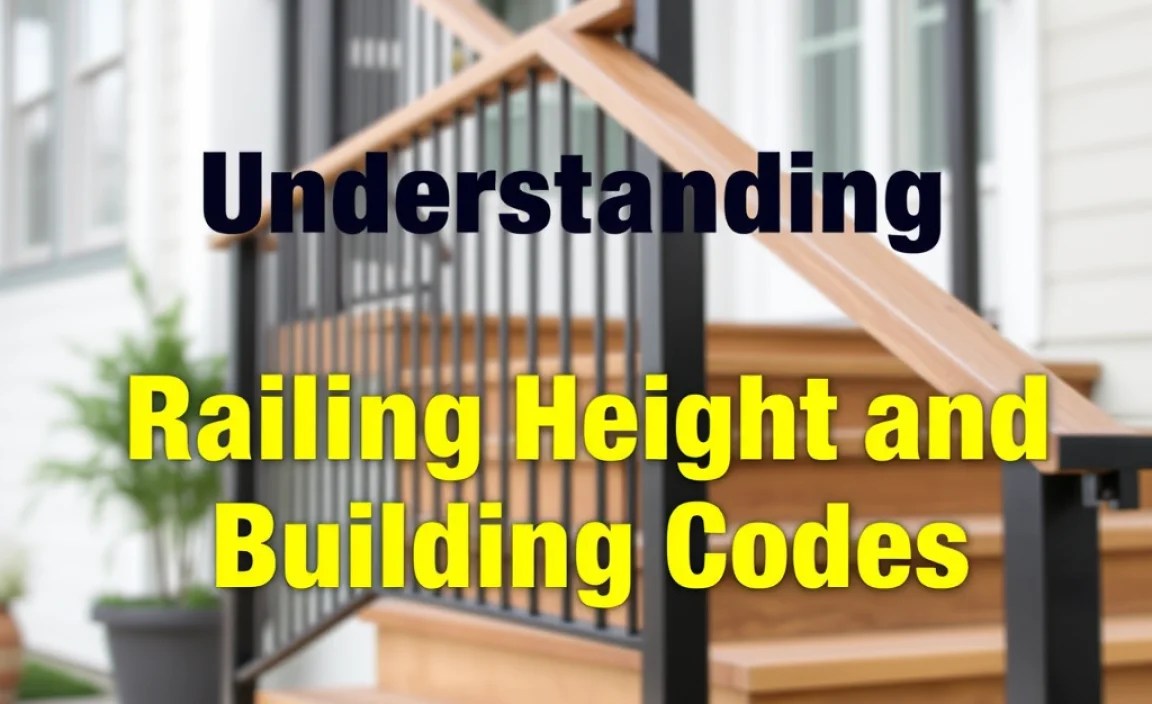
Understanding Railing Height and Building Codes
Do you know that railings have to be a certain height? This is because of building codes. Building codes are rules that keep people safe. The right height for a railing for outdoor stairs helps prevent falls. Most codes say the railing should be about 36 to 42 inches high. This is a good height for most adults to hold onto. It’s also important to have the right spacing between the railing posts. This stops kids from slipping through. The space should be less than 4 inches wide. These rules might seem strict, but they are there to protect you. Always check your local building codes before installing a railing. You can find this information at your local city hall. Or you can ask a professional contractor. They know the codes and can make sure your railing is safe and legal. Following the rules keeps everyone safe on your stairs.
- Check local building codes for height requirements.
- Ensure spacing between posts is less than 4 inches.
- Railings should be sturdy and well-attached.
- Consider the height needs of all users.
- Professional installation ensures compliance.
- Codes promote safety and prevent accidents.
Think about who will be using the stairs. If you have young kids, you might want a higher railing. This will make it easier for them to reach. If you have older adults, make sure the railing is easy to grip. A round railing is often a good choice. It’s also important to have a continuous railing. This means there are no gaps where someone could lose their grip. The railing should run the entire length of the stairs. This gives people support the whole way up or down. Don’t forget about the handrail extension. This is the part of the railing that goes past the top and bottom steps. It helps people get on and off the stairs safely. Pay attention to these details. They can make a big difference in safety. A well-designed railing makes your stairs safer and easier to use for everyone.
Fun Fact or Stat: Building codes for railings have been around since the early 20th century, becoming more detailed over time to improve public safety!
Why Are Building Codes Important for Railings?
Imagine if there were no rules for railings for outdoor stairs. People could build them however they wanted. Some railings might be too low. Others might be wobbly. This could lead to many accidents. Building codes make sure that railings are safe and strong. They set standards for height, spacing, and materials. This helps prevent falls and injuries. Building codes also protect builders. If they follow the codes, they know they are doing things right. This can protect them from lawsuits if someone gets hurt. Following building codes is important for everyone. It keeps your family and friends safe. It also protects the people who build the railings. So, always check the codes before you start any project. It’s the smart and safe thing to do.
How Do You Find Local Building Codes?
Finding local building codes for railings for outdoor stairs is easier than you think. Start by checking your city or town’s website. Many cities have their building codes online. You can also visit your local city hall. Ask to speak to someone in the building department. They can give you a copy of the codes. Another option is to contact a local contractor. They usually know the building codes well. They can help you understand what you need to do. You can also check with your homeowner’s association. They might have their own rules about railings. Make sure you follow all the rules, not just the city’s. It’s always a good idea to double-check. This will make sure your railing is safe and legal. Don’t be afraid to ask for help. There are many people who can guide you.
What Happens if You Don’t Follow Building Codes?
If you don’t follow building codes for railings for outdoor stairs, you could get into trouble. The city might make you take down the railing. You might have to rebuild it to meet the codes. This can cost you a lot of money. You could also get a fine. Fines are like tickets for breaking the rules. But the worst thing that could happen is someone getting hurt. If your railing is not safe, someone could fall. They could get seriously injured. You could be held responsible for their injuries. It’s always better to follow the rules. It might take a little extra time and effort. But it’s worth it to keep everyone safe. Plus, you’ll have peace of mind knowing you did things right. So, don’t skip the building codes. They are there for a reason.

Installing Your Outdoor Stair Railing Safely
Installing a railing for outdoor stairs takes careful steps. Safety is the most important thing. First, gather all your tools. You will need a drill, screws, a level, and measuring tape. Read the instructions that came with your railing. Make sure you understand them. If you don’t, ask someone for help. Start by measuring where the railing posts will go. Use the level to make sure they are straight. This is very important. If the posts are not straight, the railing will be wobbly. Drill pilot holes before you put in the screws. This makes it easier to screw them in. It also stops the wood from splitting. Once the posts are in, attach the railing. Make sure it is secure. Test the railing to see if it is strong. If it moves, tighten the screws. Always wear safety glasses when working with tools. This protects your eyes. Take your time and do it right. A safe railing is worth the effort.
- Gather all necessary tools and materials.
- Measure and mark post locations accurately.
- Use a level to ensure posts are straight.
- Drill pilot holes before installing screws.
- Securely attach the railing to the posts.
- Test the railing for stability.
- Wear safety glasses and gloves.
If you are not good at DIY projects, ask a professional to help. They have experience and know how to do it right. They can also make sure the railing meets building codes. This is important for safety. Don’t try to do it if you are not comfortable. It’s better to pay someone to do it right than to risk an accident. Think about the weather when you are installing the railing. It’s best to do it on a dry day. Rain can make the wood slippery. This can be dangerous. Also, make sure you have enough light. It’s hard to see what you are doing in the dark. Use a flashlight if you need to. Clean up your work area when you are finished. Put away your tools and throw away any trash. This keeps your yard safe for everyone. A clean workspace is a safe workspace.
Fun Fact or Stat: Professional railing installers often undergo specific training and certifications to ensure they meet safety standards!
What Tools Do You Need for Railing Installation?
To install railings for outdoor stairs, you’ll need the right tools. A drill is important for making holes. You’ll use it to screw the posts and railing together. A level makes sure everything is straight. This is key for a safe and sturdy railing. Measuring tape helps you measure the distance between posts. It also helps you cut the railing to the right size. A saw is needed to cut the wood or metal. Safety glasses protect your eyes from flying debris. Gloves protect your hands from splinters and cuts. A screwdriver is used to tighten the screws. A pencil helps you mark where to drill. A hammer might be needed to tap things into place. Make sure you have all these tools before you start. This will make the job easier and safer. Having the right tools makes a big difference.
How Do You Ensure the Railing is Level?
Making sure your railing for outdoor stairs is level is very important. A level is a tool that shows you if something is straight. Place the level on top of the railing post. If the bubble is in the middle, the post is level. If the bubble is to one side, the post is not level. You need to adjust it until the bubble is in the middle. You can use shims to make small adjustments. Shims are thin pieces of wood or plastic. You put them under the post to raise it up. Check the level in different directions. This makes sure the post is straight in all directions. It’s also important to check the level of the railing itself. Place the level on top of the railing. Adjust the posts until the railing is level. A level railing is safer and looks better. Take your time and get it right.
What Safety Precautions Should You Take?
Safety is always the top priority when installing railings for outdoor stairs. Always wear safety glasses to protect your eyes. Flying debris can cause serious injuries. Wear gloves to protect your hands from splinters and cuts. Use a dust mask if you are cutting wood. This prevents you from breathing in sawdust. Make sure your work area is well-lit. You need to be able to see what you are doing. Keep children and pets away from the work area. They could get hurt by the tools or materials. Use caution when working with power tools. Read the instructions carefully before you start. If you are not comfortable using a power tool, ask someone for help. Don’t work when you are tired. You are more likely to make mistakes. Take breaks if you need to. A safe work environment is a happy work environment. Always think safety first.
| Material | Pros | Cons | Cost |
|---|---|---|---|
| Wood | Classic look, can be painted or stained | Requires maintenance, can rot | Moderate |
| Metal | Strong, modern look | Can rust, gets hot in sun | Moderate to High |
| Composite | Low maintenance, weather-resistant | Can look less natural | High |
| Vinyl | Very low maintenance, affordable | Limited color options | Low |
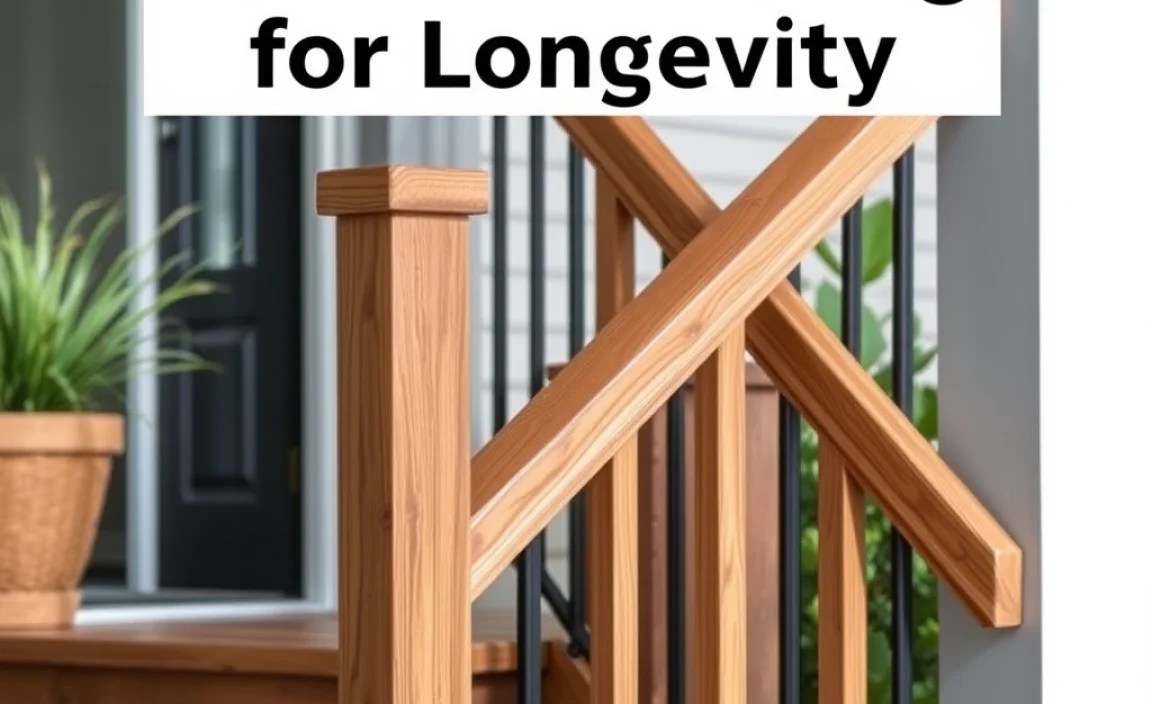
Maintaining Your Outdoor Railing for Longevity
Taking care of your railing for outdoor stairs helps it last longer. Regular maintenance keeps it safe and looking good. Check the railing often for loose screws or wobbly posts. Tighten any screws that are loose. If a post is wobbly, you might need to replace it. Clean the railing regularly to remove dirt and grime. Use soap and water. Rinse it well. If you have a wood railing, paint or stain it every few years. This protects it from the weather. If you have a metal railing, check for rust. If you see rust, sand it off and paint it. For composite railings, just clean them with soap and water. They don’t need much maintenance. Keep plants trimmed away from the railing. Plants can trap moisture and cause damage. A little care goes a long way. It keeps your railing safe and attractive.
- Regularly check for loose screws and wobbling.
- Clean the railing with soap and water.
- Paint or stain wood railings every few years.
- Remove rust from metal railings and repaint.
- Trim plants to prevent moisture damage.
- Inspect for cracks or damage after storms.
Think about the weather in your area. If you live in a place with a lot of snow, shovel the snow away from the railing. This prevents it from getting damaged. If you live in a place with a lot of sun, use a UV-resistant paint or stain. This protects the railing from fading. Pay attention to the details. Small problems can turn into big problems if you don’t fix them. A little maintenance now can save you a lot of money later. It also keeps your stairs safe for everyone. A well-maintained railing adds value to your home. It shows that you care about your property. So, take the time to care for your railing. It’s worth the effort. A strong and beautiful railing makes your home safer and more inviting.
Fun Fact or Stat: Regular maintenance can extend the life of your outdoor railing by up to 50%!
How Often Should You Inspect Your Railing?
You should inspect your railings for outdoor stairs at least twice a year. Check them in the spring and fall. This gives you a chance to find any problems before they get worse. Look for loose screws, wobbly posts, and signs of damage. Pay special attention to the areas where the railing is attached to the posts. These are the most likely places for problems to occur. If you notice any problems, fix them right away. Don’t wait until they get worse. A quick inspection can save you a lot of time and money in the long run. It also keeps your stairs safe for everyone who uses them. Make it a habit to check your railing regularly. This will help it last longer and stay safe.
What’s the Best Way to Clean Your Railing?
Cleaning your railings for outdoor stairs is easy. All you need is soap and water. Use a mild soap, like dish soap. Mix it with warm water in a bucket. Dip a sponge or cloth into the soapy water. Wipe down the railing to remove dirt and grime. Rinse the railing with clean water. You can use a garden hose to rinse it off. Make sure you get all the soap off. Soap residue can attract dirt. For tough stains, you can use a scrub brush. But be careful not to scratch the railing. Dry the railing with a clean towel. This prevents water spots. Clean your railing regularly to keep it looking its best. A clean railing is a happy railing.
How Do You Protect Wood Railings from Rot?
Protecting wood railings for outdoor stairs from rot is important. Rot happens when wood gets wet and stays wet. To prevent rot, you need to keep the wood dry. Paint or stain the railing. This creates a barrier that keeps water out. Use a paint or stain that is designed for outdoor use. These products contain chemicals that protect the wood from rot. Apply a new coat of paint or stain every few years. This keeps the barrier strong. Make sure the railing is properly installed. Water can get trapped if the railing is not installed correctly. Trim plants away from the railing. Plants can trap moisture and cause rot. Clean the railing regularly to remove dirt and grime. Dirt can trap moisture. By taking these steps, you can protect your wood railing from rot.
Designing Railings to Enhance Your Home’s Curb Appeal
A railing for outdoor stairs can do more than just keep you safe. It can also make your home look better. The right design can enhance your home’s curb appeal. Curb appeal is how attractive your home looks from the street. A beautiful railing can make your home stand out. Choose a style that matches your home’s architecture. A modern home looks good with a sleek metal railing. A traditional home looks good with a classic wood railing. Think about the color of your home. Choose a railing color that complements the color of your home. You can also add decorative elements to your railing. Consider adding lights to the railing. This makes your stairs safer at night. It also adds a touch of elegance. A well-designed railing is a great investment. It increases the value of your home. It also makes it more enjoyable to live in.
- Choose a style that matches your home’s architecture.
- Select a color that complements your home’s exterior.
- Add decorative elements like lights or carvings.
- Consider the overall look and feel of your yard.
- Use high-quality materials for a lasting impression.
- Ensure the design meets safety requirements.
Don’t be afraid to get creative. Look at pictures of different railings for inspiration. Visit home improvement stores to see what’s available. Talk to a professional designer. They can help you choose the perfect railing for your home. Remember, the railing is one of the first things people see when they come to your home. Make sure it makes a good impression. A beautiful railing shows that you care about your home. It also makes your home more welcoming. So, take the time to design a railing that you love. It will be worth the effort. A well-designed railing adds beauty and value to your home. It also makes it a safer place to live.
Fun Fact or Stat: Homes with attractive curb appeal, including stylish railings, can sell for up to 7% more!
How Do You Match Railing Style to Home Architecture?
Matching the style of your railings for outdoor stairs to your home’s architecture is key. A modern home looks best with a modern railing. Think clean lines and simple designs. Metal and glass are good choices for modern homes. A traditional home looks best with a traditional railing. Wood is a classic choice for traditional homes. Think about the details of your home. Does it have a lot of ornate trim? If so, choose a railing with similar details. Does it have a simple, clean design? If so, choose a simple, clean railing. Consider the color of your home. Choose a railing color that complements your home’s color. A well-matched railing enhances your home’s overall look. It makes it more attractive and inviting.
What Are Some Popular Railing Design Trends?
There are many popular design trends for railings for outdoor stairs. One trend is using metal railings with clean lines. This gives a modern and sleek look. Another trend is using wood railings with decorative carvings. This adds a touch of elegance and charm. Glass railings are also becoming popular. They offer a clear view and a modern look. Cable railings are another trend. They use thin cables instead of traditional posts. This creates an open and airy feel. Lighting is also a popular trend. Adding lights to your railing makes your stairs safer at night. It also adds a touch of style. Choose a design trend that matches your home’s style. This will enhance your home’s curb appeal.
How Can You Add a Personal Touch to Your Railing?
Adding a personal touch to your railings for outdoor stairs makes them unique. Paint the railing a color that you love. This adds a pop of personality to your home. Add decorative elements, like carvings or lights. This makes the railing more interesting. Plant flowers or vines around the railing. This adds a touch of nature to your home. Use unique materials, like reclaimed wood or metal. This gives the railing a rustic and charming look. Add a custom handrail. This makes the railing more comfortable to grip. Consider adding a small bench or seat to the railing. This provides a place to rest and enjoy the view. A personal touch makes your railing special. It shows off your unique style and personality.
Summary
A railing for outdoor stairs is more than just a safety feature. It’s an important part of your home’s design. Choosing the right material is key. Wood, metal, and composite each have their pros and cons. Building codes ensure that railings are safe. They set standards for height, spacing, and materials. Installing a railing takes careful steps. Safety should always be the top priority. Regular maintenance keeps your railing in good condition. It also extends its lifespan. Designing a railing to enhance your home’s curb appeal is a great way to add value. A well-designed railing makes your home more attractive and inviting.
Conclusion
Railings for outdoor stairs are vital for safety. They also add to your home’s style. Choose the right materials. Follow building codes. Maintain your railing. A safe and beautiful railing makes your home better. It protects you and your family. It also adds value and curb appeal. Make sure your railing for outdoor stairs is well-built. It will keep everyone safe.
Frequently Asked Questions
Question No 1: What is the best material for outdoor stair railings in a snowy climate?
Answer: In snowy climates, you need a material that can withstand cold temperatures and moisture. Metal railings, especially those treated to prevent rust, are a good choice. Composite railings are also excellent because they don’t rot or warp when exposed to snow and ice. Wood can work, but it requires regular sealing and maintenance to prevent damage from moisture. Proper installation of your railing for outdoor stairs is also key to ensure it can handle heavy snow loads without becoming unstable. It is important to consider these factors before making any final decisions.
Question No 2: How do I know if my current railing meets building codes?
Answer: To check if your current railing meets building codes, start by contacting your local city hall or building department. They can provide you with the specific codes for your area. Common requirements include a minimum height of 36 to 42 inches, a maximum spacing of 4 inches between balusters, and a sturdy construction that can withstand a certain amount of pressure. You can also hire a professional inspector to assess your railing. They can identify any code violations and recommend solutions. If your railing for outdoor stairs doesn’t meet the current codes, you may need to make adjustments or replace it entirely to ensure safety and compliance.
Question No 3: Can I install an outdoor stair railing myself, or should I hire a professional?
Answer: Whether you can install an outdoor stair railing yourself depends on your DIY skills and experience. Installing a railing for outdoor stairs involves careful measuring, cutting, and securing posts and rails. If you are comfortable with these tasks and have the necessary tools, you can likely do it yourself. However, if you are unsure or lack experience, hiring a professional is a better option. Professionals ensure the railing is installed correctly and meets all building codes. They can also handle any unexpected issues that may arise during the installation process, giving you peace of mind.
Question No 4: What are some ways to make my outdoor stair railing more visible at night?
Answer: There are several ways to improve the visibility of your outdoor stair railing at night. One simple option is to install lights along the railing. You can use solar-powered lights, LED strip lights, or post cap lights. Another idea is to add reflective tape to the railing. This tape reflects light from car headlights or other sources, making the railing more visible. You can also paint the railing a light color. Light colors are easier to see in the dark than dark colors. Improving visibility enhances safety, especially for those using the stairs at night. Ensure that the railing for outdoor stairs is well-lit, which helps to prevent accidents and falls.
Question No 5: How do I prevent my metal railing from rusting?
Answer: Preventing rust on a metal railing for outdoor stairs requires a few key steps. First, choose a metal that is naturally rust-resistant, like aluminum or stainless steel. If you are using iron or steel, apply a rust-inhibiting primer before painting. This primer creates a barrier that protects the metal from moisture. Regularly clean the railing to remove dirt and debris that can trap moisture. If you notice any rust spots, sand them down and apply a new coat of primer and paint. Consider applying a sealant to further protect the metal from the elements. These steps will help keep your metal railing looking great for years to come.
Question No 6: What is the average cost of installing a new outdoor stair railing?
Answer: The average cost of installing a new railing for outdoor stairs can vary widely depending on several factors. These include the material you choose, the length of the railing, and whether you hire a professional installer. Wood railings are generally less expensive than metal or composite railings. The cost of labor can also add significantly to the total price. On average, you might expect to pay anywhere from $500 to $2,000 or more for a new outdoor stair railing. Getting multiple quotes from different contractors can help you find the best price. Remember to factor in the cost of any necessary permits or building code inspections.
