Have you ever wondered where rain goes? It falls from the sky. Then it often runs down the drain. But what if we could use that rain? A rainwater harvesting garden can help! It collects rainwater to help your plants grow.
Imagine a garden that waters itself. That is what a rainwater harvesting garden does. It is a smart and eco-friendly way to garden. Let’s explore how to make one.
Did you know you can save water and help the planet? Rainwater harvesting is a cool way to do it. Plus, your plants will love you for it! Let’s get started.
Key Takeaways
- A rainwater harvesting garden saves water and helps the environment.
- You can collect rainwater from your roof using gutters and a tank.
- Use the collected water to irrigate your garden plants.
- Choose plants that thrive with rainwater for best results.
- Building a rainwater harvesting garden is fun and rewarding.
What is a Rainwater Harvesting Garden?

A rainwater harvesting garden is a garden that uses collected rainwater. Instead of using tap water, it uses water from the sky. Rainwater is naturally soft and better for plants. It doesn’t have chemicals like tap water does. This helps plants grow stronger and healthier. It also helps the environment. By using rainwater, we use less water from rivers and lakes. This leaves more water for animals and other people. A rainwater harvesting garden can be as simple as a rain barrel connected to your gutter or as complex as a whole system under your lawn. It is a great way to be eco-friendly. It also teaches us about saving water and respecting nature.
- Rainwater is better for plants than tap water.
- Harvesting rainwater saves water.
- These gardens help the environment.
- Rain barrels are a simple way to start.
- These gardens can be simple or complex.
Think of a rainwater harvesting garden as a way to give back to nature. You are collecting something that would normally go to waste. Then, you use it to help plants grow. It is like recycling water! Plus, it can save you money on your water bill. Many people think rainwater is only good for watering plants. But, it can also be used for other things. You can wash your car with it. You can even use it to flush toilets in some systems. A rainwater harvesting garden is more than just a garden. It is a way of life. It is a way of being mindful of our resources. It is a way of helping the planet, one raindrop at a time. It is truly a win-win for everyone involved.
Why Harvest Rainwater?
Have you ever seen a plant after a good rain? It looks so happy and healthy. That’s because rainwater is great for plants. It is full of good stuff that helps them grow. When we harvest rainwater, we are giving our plants the best water possible. Plus, we are saving water. In many places, water is becoming more scarce. By using rainwater, we are not taking water from rivers and lakes. This leaves more water for other uses. Also, harvesting rainwater can help prevent flooding. When it rains hard, the water can overwhelm our drainage systems. By collecting some of that water, we reduce the risk of floods. It is a simple way to make a big difference. Do you want to give your plants the best water? Then, try harvesting rainwater.
How Does it Help the Environment?
Imagine a world where everyone saved rainwater. How much water would we save? It would be a lot! Rainwater harvesting helps the environment in many ways. First, it reduces our reliance on tap water. Tap water comes from rivers, lakes, and underground aquifers. These sources are not endless. By using rainwater, we are helping to conserve these precious resources. Second, rainwater harvesting reduces pollution. Tap water is often treated with chemicals to make it safe to drink. These chemicals can pollute our waterways. Rainwater is naturally clean and doesn’t need these chemicals. Finally, rainwater harvesting reduces energy use. It takes a lot of energy to pump and treat tap water. By using rainwater, we are reducing our energy footprint.
What are the Benefits?
Why should you start a rainwater harvesting garden? There are many great reasons. First, you will save money on your water bill. Rainwater is free! Once you have set up your system, you won’t have to pay for water for your garden. Second, you will be helping the environment. You will be conserving water and reducing pollution. Third, your plants will love it. Rainwater is naturally soft and full of nutrients. It helps plants grow stronger and healthier. Fourth, it is a fun and educational project. You can learn about water conservation and gardening. You can even get your family involved. Finally, you will be more self-sufficient. You will be less reliant on the city water supply.
Fun Fact or Stat: A single inch of rain on a 1,000 square foot roof can yield about 600 gallons of water!
Planning Your Rainwater Harvesting System

Planning is key for a good rainwater harvesting garden. First, think about where the rain falls. Your roof is a great place to collect water. Gutters can catch the water as it runs off the roof. Then, the water flows into a storage tank. The size of your tank depends on how much rain you get. It also depends on how much water you need for your garden. Choose a tank that is big enough to hold enough water. But, make sure it is not too big. A very large tank might take up too much space. Place the tank on a level surface. This will keep it stable. You also need a way to get the water from the tank to your garden. A simple hose can work. Or, you can use a pump to send the water further. It’s important to filter the water before it enters the tank. This removes leaves and debris.
- Decide where to collect rainwater from.
- Choose the right size storage tank.
- Place the tank on a level surface.
- Use a hose or pump to water your garden.
- Filter the water before it enters the tank.
Before you start building your rainwater harvesting system, do some research. Learn about the rainfall in your area. How much rain do you get each year? When does it rain the most? This information will help you choose the right size tank. It will also help you plan your garden. Think about the plants you want to grow. How much water do they need? Some plants need more water than others. Choose plants that are well-suited to rainwater. Also, think about the location of your garden. Is it sunny or shady? This will affect how much water your plants need. Planning ahead will help you create a successful rainwater harvesting garden. Remember, a little bit of planning can go a long way. It will save you time and money in the long run.
What Size Tank Do I Need?
Choosing the right size tank is important. If the tank is too small, you will run out of water quickly. If the tank is too big, it will take up too much space. So, how do you decide? First, think about how much rain you get. Look up the average rainfall in your area. Then, think about how much water you need. How big is your garden? How often will you need to water it? A good rule of thumb is to have enough water to last for two weeks. This will give you a buffer in case it doesn’t rain for a while. You can also use a rainwater harvesting calculator. These calculators help you estimate how much water you can collect. They also help you estimate how much water you need.
Where Should I Place the Tank?
The location of your tank is important. It should be close to your downspout. This will make it easier to collect rainwater. It should also be on a level surface. This will prevent the tank from tipping over. You should also consider the appearance of the tank. Do you want it to be visible, or do you want to hide it? You can hide the tank behind bushes or a fence. You can also paint it to match your house. Some people even decorate their tanks with artwork. Make sure the location is accessible. You will need to be able to get to the tank to clean it. You will also need to be able to get to the tank to access the water.
How Do I Filter the Water?
Filtering the water is very important. It removes leaves, twigs, and other debris. This keeps the water clean and prevents clogs. There are several ways to filter rainwater. The simplest way is to use a screen. Place a screen over the downspout to catch large debris. You can also use a leaf eater. A leaf eater is a device that separates leaves from the water. It sends the leaves away from the tank. Another option is to use a first flush diverter. A first flush diverter sends the first few gallons of water away from the tank. This water is usually the dirtiest. You can also use a sediment filter. A sediment filter removes small particles from the water.
Fun Fact or Stat: Using rain barrels can reduce your water bill by up to 50% during peak watering months!
Building Your Rainwater Harvesting Garden

Building a rainwater harvesting garden can be a fun project. First, you need to set up your collection system. Attach gutters to your roof if you don’t already have them. Make sure the gutters are clean. Connect the downspout to your storage tank. Use a flexible hose to make the connection. Install a filter to remove debris. Then, prepare your garden bed. Choose a sunny spot for your garden. Remove any grass or weeds. Add compost to the soil. This will help the plants grow. Plant your chosen plants. Water them well with rainwater. Mulch around the plants to keep the soil moist. Regularly check your system for leaks. Clean the gutters and filter as needed. A rainwater harvesting garden is a great way to save water and help the environment.
- Attach gutters to your roof.
- Connect the downspout to your storage tank.
- Prepare your garden bed.
- Plant your chosen plants.
- Mulch around the plants to keep the soil moist.
Once you have set up your rainwater harvesting system, it’s time to get gardening. Choose plants that are well-suited to rainwater. Native plants are often a good choice. They are adapted to the local climate. They also require less water than other plants. Consider using drought-tolerant plants. These plants can survive with less water. Group plants with similar water needs together. This will make it easier to water them. Water deeply but less often. This encourages the roots to grow deeper. Use a soaker hose or drip irrigation to water your plants. This delivers water directly to the roots. Avoid overhead watering. This can waste water and encourage disease. A rainwater harvesting garden can be a beautiful and sustainable addition to your yard. It is a great way to conserve water and help the environment. It is also a fun and rewarding project.
Setting Up the Collection System
Setting up your collection system is the first step. You will need gutters, downspouts, and a storage tank. Make sure your gutters are clean and free of debris. Attach the downspout to the tank. Use a flexible hose to make the connection. Install a filter to remove leaves and twigs. Choose a tank that is the right size for your needs. Place the tank on a level surface. Make sure the tank is made of food-grade plastic. This will prevent chemicals from leaching into the water. You can also use a metal tank. But, make sure it is coated to prevent rust. Consider adding a spigot to the tank. This will make it easier to access the water.
Preparing the Garden Bed
Preparing the garden bed is important for healthy plants. Choose a sunny spot for your garden. Remove any grass or weeds. Dig up the soil and loosen it. Add compost to the soil. This will improve drainage and add nutrients. You can also add other amendments, such as manure or peat moss. Level the soil with a rake. Create a slight slope to help with drainage. Consider adding raised beds. Raised beds can improve drainage and make gardening easier. They also warm up faster in the spring. You can build raised beds from wood, stone, or concrete.
Choosing the Right Plants
Choosing the right plants is key to a successful garden. Select plants that are well-suited to your climate. Consider native plants. They are adapted to the local conditions. They also require less water and fertilizer. Choose plants that are drought-tolerant. These plants can survive with less water. Group plants with similar water needs together. This will make it easier to water them. Consider the size of the plants. Make sure they have enough space to grow. Also, consider the color and texture of the plants. Choose plants that you find attractive. You can also choose plants that attract pollinators, such as bees and butterflies.
Fun Fact or Stat: Some plants, like succulents and cacti, are naturally adapted to thrive on rainwater and require very little supplemental watering!
Maintaining Your Rainwater Harvesting Garden

Maintaining your rainwater harvesting garden is important. Clean your gutters regularly. Remove any leaves or debris. Check your storage tank for leaks. Repair any leaks promptly. Inspect your filter and clean it as needed. Add compost to your garden soil each year. This will keep the soil healthy. Water your plants regularly with rainwater. Monitor your plants for pests and diseases. Treat any problems promptly. Mulch around your plants to conserve moisture. A little maintenance will keep your garden thriving. It will also help you save water and help the environment. A rainwater harvesting garden is a sustainable way to garden.
- Clean your gutters regularly.
- Check your storage tank for leaks.
- Inspect and clean your filter.
- Add compost to your garden soil.
- Monitor plants for pests and diseases.
To keep your rainwater harvesting garden healthy, pay attention to the details. Make sure your gutters are clear of leaves and debris. This will ensure that the water flows freely. Check your storage tank for cracks or leaks. Repair any damage immediately. Clean your filter regularly to remove sediment and debris. This will prevent clogs and keep the water clean. Add compost to your soil each year. This will improve drainage and add nutrients. Water your plants deeply but less often. This encourages deep root growth. Mulch around your plants to conserve moisture and suppress weeds. Regularly inspect your plants for pests and diseases. Treat any problems promptly. A well-maintained rainwater harvesting garden will thrive and provide you with fresh produce and beautiful flowers. It is a rewarding way to connect with nature and conserve water.
Cleaning Gutters and Filters
Keeping your gutters and filters clean is very important. Clogged gutters can cause water to overflow. This can damage your roof and foundation. Clean your gutters at least twice a year. Remove any leaves, twigs, and debris. Use a ladder to reach the gutters. Wear gloves to protect your hands. Flush the gutters with a hose to remove any remaining debris. Clean your filter regularly to prevent clogs. Remove the filter and rinse it with water. Replace the filter if it is damaged. A clean filter will ensure that the water is clean and free of debris. This will help your plants thrive.
Checking for Leaks
Checking for leaks is an important part of maintenance. Inspect your storage tank regularly for cracks or leaks. Look for wet spots around the tank. Check the connections between the gutters and the tank. Make sure they are tight and secure. Repair any leaks immediately. Small leaks can quickly waste a lot of water. Use sealant or patching material to repair the leaks. You can also replace damaged parts. Preventing leaks will help you conserve water. It will also prevent damage to your property. A well-maintained system will last for many years.
Adding Compost to the Soil
Adding compost to the soil is beneficial for your plants. Compost improves soil drainage. It also adds nutrients to the soil. You can make your own compost. Or, you can buy it from a garden center. Add compost to the soil each year. Spread a layer of compost around your plants. Gently mix it into the soil. You can also use compost tea. Compost tea is a liquid fertilizer made from compost. It is easy to make and apply. Compost will help your plants grow strong and healthy. It will also help them resist pests and diseases. A healthy soil is the foundation of a healthy garden.
Fun Fact or Stat: Compost helps retain moisture in the soil, reducing the need for watering by as much as 25%!
Troubleshooting Common Issues
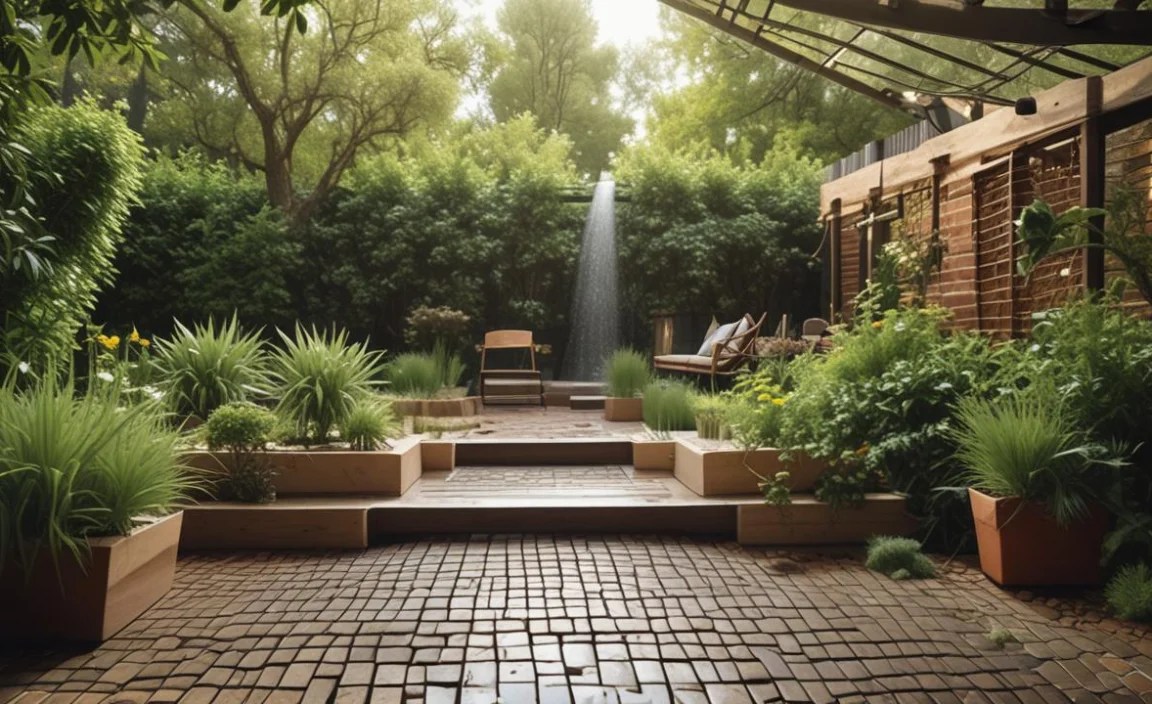
Sometimes, things can go wrong with your rainwater harvesting garden. Your tank might overflow. This can happen if you get a lot of rain. It can also happen if your tank is too small. Your filter might get clogged. This can happen if you don’t clean it regularly. Your plants might not be growing well. This could be due to poor soil. It could also be due to pests or diseases. Your water might smell bad. This can happen if the water is stagnant. Don’t worry. These problems are usually easy to fix. Regular maintenance can prevent many of these issues. A little troubleshooting can keep your garden thriving. A rainwater harvesting garden is a rewarding way to save water.
- Tank overflows during heavy rain.
- Filter gets clogged easily.
- Plants are not growing well.
- Water in the tank smells bad.
- Pests and diseases affect plants.
If you encounter problems with your rainwater harvesting system, don’t despair. Most issues are easily resolved with a little investigation. If your tank is overflowing, consider adding an overflow pipe. This will direct excess water away from your foundation. If your filter is clogging frequently, clean it more often. You may also need to upgrade to a larger filter. If your plants are not thriving, check the soil. Add compost or other amendments to improve drainage and fertility. If your water smells bad, it may be stagnant. Drain the tank and clean it thoroughly. Add a small amount of bleach to the water to kill bacteria. If you are having problems with pests or diseases, identify the problem and treat it accordingly. A healthy rainwater harvesting garden requires regular attention and care. But, the rewards are well worth the effort.
Tank Overflowing
A tank overflowing can be a problem. It can damage your foundation. It can also waste water. There are several ways to prevent tank overflow. The easiest way is to install an overflow pipe. This pipe will direct excess water away from the tank. Make sure the pipe is pointed away from your house. You can also install a larger tank. A larger tank will hold more water. But, it will also take up more space. You can also use the excess water to irrigate your lawn. Connect a hose to the overflow pipe. Use the hose to water your lawn.
Filter Clogging
A clogged filter can reduce water flow. It can also damage your pump. Clean your filter regularly to prevent clogs. Remove the filter and rinse it with water. Replace the filter if it is damaged. You can also install a self-cleaning filter. A self-cleaning filter will automatically remove debris. This will reduce the need for manual cleaning. Choose a filter that is the right size for your needs. A larger filter will last longer between cleanings. A clean filter will ensure that the water is clean and free of debris. This will help your plants thrive.
Plants Not Growing Well
If your plants are not growing well, there could be several reasons. Check the soil. Make sure it is well-drained and fertile. Add compost to the soil to improve drainage and fertility. Check the plants for pests and diseases. Treat any problems promptly. Make sure the plants are getting enough sunlight. Most plants need at least six hours of sunlight per day. Water the plants regularly. But, don’t overwater them. Overwatering can lead to root rot. Choose plants that are well-suited to your climate. Native plants are often a good choice.
Fun Fact or Stat: Stagnant water in rain barrels can attract mosquitoes. Using a mosquito dunk or covering the barrel can prevent this!
Adapting to Different Climates
Rainwater harvesting gardens can work in many climates. In dry climates, focus on water conservation. Choose drought-tolerant plants. Use mulch to conserve moisture. In wet climates, make sure your system can handle heavy rainfall. Choose a large storage tank. Install an overflow pipe. In cold climates, protect your system from freezing. Insulate the tank. Disconnect the downspout in winter. In hot climates, shade the tank. This will prevent the water from getting too hot. Adapt your rainwater harvesting garden to your local climate. This will help you save water and help the environment. It will also help your plants thrive.
- Dry climates need drought-tolerant plants.
- Wet climates require large storage tanks.
- Cold climates need freeze protection.
- Hot climates benefit from shading the tank.
- Adapt your system to your local climate.
No matter where you live, you can adapt your rainwater harvesting system to your local climate. In dry climates, choose plants that are native to the area. These plants are adapted to the dry conditions. They require less water than other plants. In wet climates, make sure your system can handle heavy rainfall. Install an overflow pipe to prevent flooding. In cold climates, protect your system from freezing. Disconnect the downspout in the winter. This will prevent the tank from freezing. In hot climates, shade the tank to prevent the water from getting too hot. You can also use a light-colored tank to reflect sunlight. By adapting your rainwater harvesting garden to your local climate, you can create a sustainable and thriving garden. It is a great way to conserve water and help the environment.
Dry Climates
In dry climates, water is a precious resource. Rainwater harvesting is a great way to conserve water. Choose drought-tolerant plants. These plants require less water than other plants. Use mulch to conserve moisture. Mulch helps to keep the soil cool and moist. Water your plants deeply but less often. This encourages deep root growth. Install a drip irrigation system. Drip irrigation delivers water directly to the roots. This reduces water waste. Consider using a greywater system. A greywater system recycles water from your shower and sink. This water can be used to irrigate your garden.
Wet Climates
In wet climates, you need to be prepared for heavy rainfall. Choose a large storage tank. This will allow you to collect more water. Install an overflow pipe. This pipe will direct excess water away from your foundation. Make sure your gutters are clean and free of debris. Clogged gutters can cause water to overflow. Choose plants that can tolerate wet conditions. Some plants prefer well-drained soil. But, other plants can tolerate wet soil. Consider using a rain garden. A rain garden is a garden that is designed to capture rainwater.
Cold Climates
In cold climates, you need to protect your system from freezing. Insulate the tank. This will help to keep the water from freezing. Disconnect the downspout in the winter. This will prevent the tank from filling with ice. Choose plants that are cold-hardy. These plants can survive cold temperatures. Consider using a greenhouse. A greenhouse will protect your plants from the cold. It will also extend the growing season. You can also use cold frames. Cold frames are small, enclosed structures that protect plants from the cold.
Fun Fact or Stat: In some regions, rainwater harvesting is the primary source of water for drinking and agriculture!
Summary
A rainwater harvesting garden is a smart way to save water. It helps the environment and your plants. You collect rainwater from your roof. Then, you store it in a tank. You can use the water to irrigate your garden. This is better for plants than tap water. Rainwater is naturally soft and free of chemicals. You can adapt your system to different climates. This makes it work in many places. Remember to plan your system carefully. Choose the right size tank. Maintain your system regularly. A rainwater harvesting garden is a rewarding project. You can save water and help the planet. It’s a win-win for everyone!
Conclusion
Creating a rainwater harvesting garden is a fantastic way to conserve water. It benefits both your plants and the environment. By collecting rainwater, you reduce your reliance on municipal water sources. You also provide your plants with naturally soft, chemical-free water. This leads to healthier growth. Remember to plan carefully, choose the right plants, and maintain your system regularly. With a little effort, you can create a sustainable and beautiful garden. Start your rainwater harvesting garden today!
Frequently Asked Questions
Question No 1: What are the benefits of a rainwater harvesting garden?
Answer: There are many benefits to having a rainwater harvesting garden! First, you save water. You are using water that would otherwise go to waste. Second, you save money on your water bill. Rainwater is free! Third, you are helping the environment. You are reducing your reliance on municipal water sources. Fourth, your plants will love it. Rainwater is naturally soft and free of chemicals. This helps them grow stronger and healthier. Finally, it is a fun and educational project for the whole family.
Question No 2: How do I get started with a rainwater harvesting garden?
Answer: Starting a rainwater harvesting garden is easier than you might think. First, assess your property. Determine where you can collect rainwater. Your roof is a great place to start. Second, choose a storage tank. The size of the tank will depend on your needs and the amount of rainfall in your area. Third, connect the tank to your gutters. Use a downspout and a filter to remove debris. Fourth, prepare your garden bed. Choose plants that are well-suited to rainwater. Finally, water your plants with the collected rainwater. Remember to maintain your system regularly.
Question No 3: What kind of plants are best for a rainwater harvesting garden?
Answer: The best plants for a rainwater harvesting garden are those that thrive in your local climate and require less water. Native plants are always a good choice. They are adapted to the local conditions. Drought-tolerant plants are also a good option. These plants can survive with less water. Some examples of drought-tolerant plants include succulents, cacti, and herbs like lavender and rosemary. Consider grouping plants with similar water needs together. This will make it easier to water them efficiently in your rainwater harvesting garden.
Question No 4: How do I maintain my rainwater harvesting garden?
Answer: Maintaining your rainwater harvesting garden is important for its long-term success. Regularly clean your gutters to remove leaves and debris. This will ensure that the water flows freely into your storage tank. Check your storage tank for leaks and repair them promptly. Inspect your filter and clean it as needed. Add compost to your garden soil each year to improve drainage and fertility. Monitor your plants for pests and diseases. Treat any problems promptly. With a little care, your rainwater harvesting garden will thrive for many years.
Question No 5: Can I use rainwater for drinking?
Answer: While rainwater is generally clean, it is not recommended for drinking without proper treatment. Rainwater can pick up contaminants from your roof and gutters. These contaminants can include bacteria, viruses, and chemicals. If you want to use rainwater for drinking, you will need to install a filtration and purification system. This system should include a sediment filter, a carbon filter, and a UV sterilizer. Always consult with a professional before using rainwater for drinking. They can help you ensure that the water is safe. Rainwater harvesting gardens primarily use water for irrigation.
Question No 6: What are some common problems with rainwater harvesting gardens?
Answer: Some common problems with rainwater harvesting gardens include tank overflow, filter clogging, and stagnant water. Tank overflow can occur during heavy rainfall. Prevent this by installing an overflow pipe. Filter clogging can occur if you don’t clean your filter regularly. Clean your filter at least twice a year. Stagnant water can occur if the water is not used regularly. Use the water frequently or add a small amount of bleach to kill bacteria. By addressing these problems promptly, you can keep your rainwater harvesting garden healthy and productive.
