Have you ever seen a garden bursting with life? Imagine growing your own yummy veggies. What if gardening felt too hard because of a disability? Well, it doesn’t have to be! Raised bed gardening for disabled people makes it easier. You can enjoy fresh food and nature.
Raised beds bring the garden up to you. No more bending or kneeling! This helps your back and knees. It lets everyone enjoy the fun of gardening.
Gardening is good for your body and mind. It gets you outside in the sun. You can grow healthy food for your family. Raised bed gardening opens this world to everyone. It makes gardening accessible and enjoyable.
Key Takeaways
- Raised bed gardening for disabled individuals makes gardening accessible and enjoyable for all.
- Choose the right height and width for your raised beds to maximize comfort.
- Adaptive tools and techniques minimize strain and make gardening easier.
- Plan your garden layout for easy movement and access to all plants.
- Gardening offers physical and mental benefits, promoting well-being for everyone.

Benefits of Raised Bed Gardening for Disabled
Raised bed gardening for disabled people has many good things. It makes gardening easier and more fun. Regular gardens need you to bend down low. This can hurt your back and knees. Raised beds bring the garden up higher. You can sit or stand while you garden. This is much better for your body. It helps you reach the plants easily. You can water, weed, and harvest without pain. Raised beds also help with soil. You can fill them with good soil. This helps your plants grow strong and healthy. Plus, raised beds look nice in your yard. They can make your garden a pretty place to be. Gardening is good for your mind too. It can help you relax and feel happy.
- Less bending and kneeling needed.
- Easier to reach plants.
- Better soil control.
- Improved accessibility.
- More comfortable gardening.
- Aesthetically pleasing garden design.
Raised beds can be made from different things. Wood is a popular choice. You can use cedar or redwood. These woods last a long time. You can also use concrete blocks or bricks. These are strong and sturdy. The size of your raised bed is important. Make it easy to reach across. A good width is about 4 feet. The height depends on what you need. Some people like them waist-high. This lets them garden while standing. Others like them lower so they can sit. Think about what works best for you. Gardening should be fun and easy. With raised beds, everyone can enjoy it.
Fun Fact or Stat: Studies show that gardening can reduce stress levels by up to 60%!
Why is Raised Bed Gardening Better?
Have you ever tried to pull weeds from a regular garden? It can be tough on your back. Raised bed gardening changes that. It makes gardening easier on your body. The raised height means less bending. This is great for people with back problems. It’s also good for people who use wheelchairs. They can get closer to the plants. Raised beds also help with drainage. Water drains better in a raised bed. This keeps the soil healthy. Good soil means healthy plants. You’ll get more veggies and flowers. It’s a win-win for everyone. Plus, you can control the soil quality. Add compost and other good stuff. Your plants will love it.
What are the Best Materials for Raised Beds?
Imagine building your own raised bed. What would you use? Wood is a common choice. Cedar is a good option because it resists rot. Redwood is another good wood. But wood can break down over time. Concrete blocks are very strong. They will last a long time. Bricks are also a good choice. They look nice and are durable. You can even use recycled materials. Old tires or plastic containers can work. Just make sure they are safe for gardening. No matter what you choose, make sure it’s strong. You want your raised bed to last.
How High Should My Raised Bed Be?
How high should your raised bed be? This depends on you. Think about how you want to garden. Do you want to stand or sit? If you want to stand, make it waist-high. This is about 30-36 inches. If you want to sit, make it lower. About 24 inches might be good. If you use a wheelchair, consider that height. You need to be able to reach the plants easily. You can also make different heights. Some parts can be higher than others. This lets you grow different plants. It also makes the garden more interesting. Make sure it’s comfortable for you. Raised bed gardening should be enjoyable.
Choosing the Right Height and Width
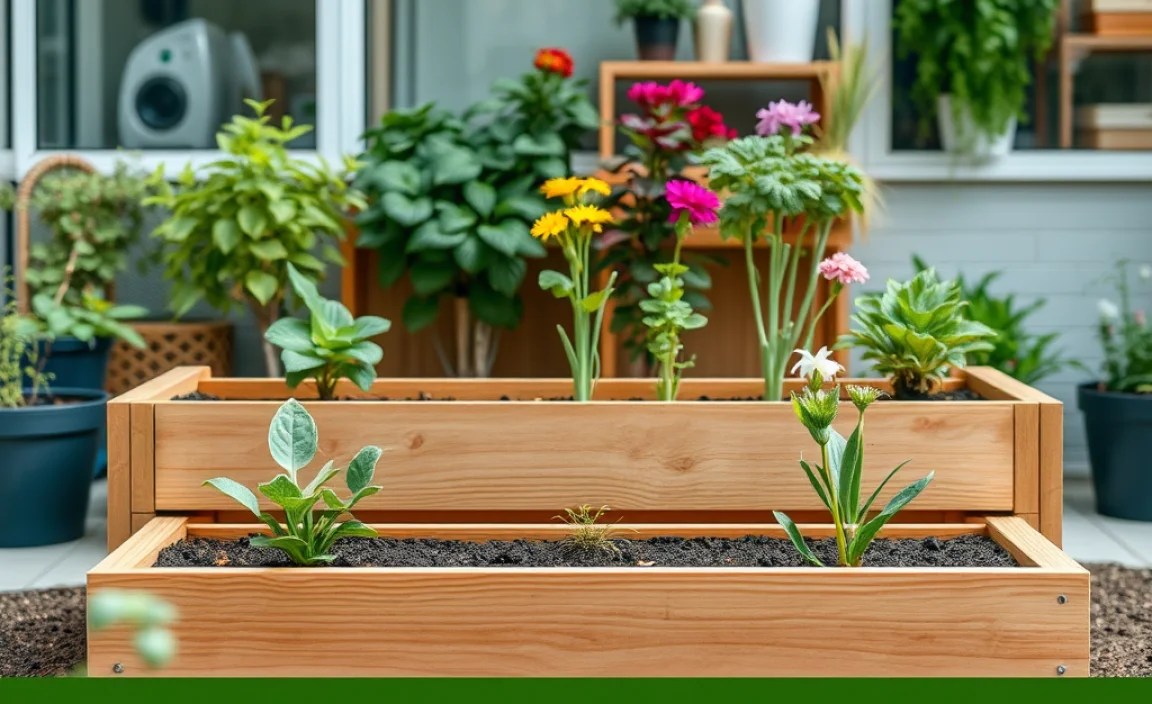
Choosing the right height and width is key for raised bed gardening for disabled gardeners. The height should let you garden without bending too much. If you use a wheelchair, think about reaching over the side. A good height for wheelchair users is often around 24 inches. For people who prefer to stand, 30-36 inches might be better. The width is also important. You should be able to reach across the bed easily. Four feet wide is often a good choice. This lets you reach the middle without straining. You can also make narrower beds. This might be better if you have limited space. Think about your own needs. Make sure the height and width work for you. This will make gardening more enjoyable.
- Consider your reach and mobility.
- Wheelchair users may prefer lower beds.
- Standing gardeners may like higher beds.
- Four feet wide is a good standard width.
- Narrower beds are good for limited spaces.
- Test different heights to find what works.
Think about the type of plants you want to grow. Tall plants might need deeper beds. Root vegetables like carrots need space to grow down. Salad greens don’t need as much depth. You can also build different levels in your raised bed. This lets you grow different types of plants. Make sure the bed is stable. You don’t want it to fall apart. Use strong materials and good construction. A well-built raised bed will last for years. It will bring you lots of joy. Gardening is a great way to relax and enjoy nature. With the right setup, everyone can join in.
Fun Fact or Stat: The ideal soil depth for most vegetables in a raised bed is 12 inches!
How Does Height Affect Accessibility?
Have you ever struggled to reach something on a high shelf? Height matters a lot. It’s the same with raised bed gardening. The height of the bed affects how easy it is to reach the plants. If the bed is too low, you have to bend over. This can hurt your back. If it’s too high, you can’t reach the plants. Finding the right height is important. It makes gardening more accessible. People with disabilities can garden comfortably. They can enjoy the benefits of growing their own food. A good height makes all the difference.
Why is Width Important for Raised Beds?
Imagine trying to weed a wide garden bed. You have to stretch and reach. This can be uncomfortable. The width of a raised bed matters. It affects how easy it is to reach the plants. A bed that is too wide is hard to manage. You can’t reach the middle easily. A narrower bed is easier to work with. You can reach all the plants. This makes gardening more enjoyable. It also makes it easier to care for your plants. Choose a width that works for you. Four feet is often a good choice.
Can I Adjust the Height of My Raised Bed?
What if you build a raised bed and it’s not the right height? Can you adjust it? Yes, you can! You can add more soil to make it higher. You can also add blocks under the legs. This will raise the whole bed. If it’s too high, you can take some soil out. You can also cut the legs shorter. It’s important to make the bed comfortable. You want to enjoy gardening. Adjusting the height is a good way to do that. Don’t be afraid to make changes. It’s your garden, so make it perfect for you.
Adaptive Tools and Techniques
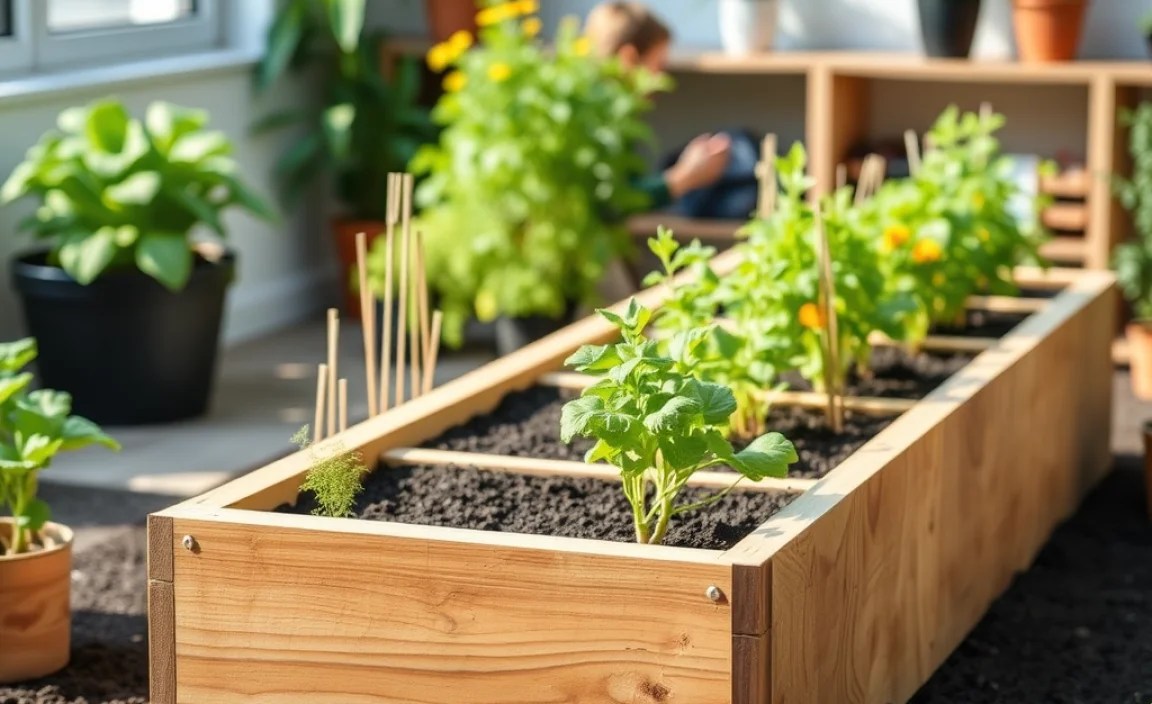
Adaptive tools and techniques are very helpful for raised bed gardening for disabled people. These tools make gardening easier and more comfortable. There are tools with long handles. These let you reach plants without bending over. There are also tools with comfortable grips. These are easier to hold if you have hand problems. Adaptive techniques include using lightweight pots. These are easier to lift and move. You can also use self-watering systems. These water your plants automatically. This saves you time and effort. Adaptive tools and techniques make gardening more accessible to everyone. They let you enjoy the fun of growing your own food. Gardening is a great way to relax and connect with nature.
- Long-handled tools reduce bending.
- Comfortable grips are easier to hold.
- Lightweight pots are easier to move.
- Self-watering systems save time.
- Kneeling pads provide comfort.
- Gardening gloves protect your hands.
- Adjustable tools can be customized.
Think about the tasks you find hardest in the garden. Is it digging? Get a long-handled shovel. Is it weeding? Try a weeding tool with a comfortable grip. Are you tired of watering? A self-watering system might be perfect. There are many different adaptive tools available. You can find them at garden centers or online. Don’t be afraid to try different things. Find what works best for you. Adaptive techniques can also help. Try gardening in short bursts. Take breaks when you need them. Ask for help from friends or family. Gardening should be enjoyable, not painful. With the right tools and techniques, everyone can garden.
Fun Fact or Stat: Adaptive gardening tools can reduce strain on joints by up to 50%!
What are Some Useful Adaptive Tools?
Have you ever seen a tool that looks like it was made just for you? That’s what adaptive tools are like. They are designed to make gardening easier. Long-handled tools are great for reaching. They let you avoid bending. Tools with large, cushioned grips are easier to hold. They are good for people with arthritis. There are also tools that are lightweight. These are easier to lift. Other tools have special features. Some have angled handles. Others have ratchets. These features make the tools more comfortable to use. Adaptive tools can make gardening a joy.
How Can Self-Watering Systems Help?
Imagine not having to water your plants every day. That’s what self-watering systems do. They water your plants for you. This is great for people who have trouble lifting watering cans. It’s also good for people who travel a lot. Self-watering systems come in different forms. Some are simple containers with a water reservoir. Others are more complex systems with timers. They all do the same thing. They keep your plants watered. This helps them grow strong and healthy. Self-watering systems can make gardening easier.
What are Some Helpful Gardening Techniques?
Are there ways to make gardening easier without buying new tools? Yes, there are! These are called gardening techniques. One technique is to garden in short bursts. Don’t try to do too much at once. Take breaks when you need them. Another technique is to use good posture. Stand up straight and avoid bending. You can also use a kneeling pad. This will protect your knees. Ask for help from friends or family. Gardening is more fun with others. These techniques can make gardening more enjoyable.

Planning Your Raised Bed Garden Layout
Planning your raised bed garden layout is important for raised bed gardening for disabled gardeners. A good layout makes gardening easier and more fun. Think about how you will move around the garden. Make sure there is enough space to walk. If you use a wheelchair, you need wider paths. Consider the height of your plants. Tall plants should go in the back. This way, they won’t block the sun from shorter plants. Group plants that need the same amount of water together. This makes watering easier. Think about the sun. Some plants need lots of sun. Others need shade. Plan your garden so each plant gets what it needs. A well-planned garden is a happy garden.
- Ensure wide paths for easy movement.
- Place tall plants at the back.
- Group plants with similar needs.
- Consider sun and shade requirements.
- Use companion planting techniques.
- Label plants for easy identification.
- Keep tools close for convenience.
Draw a map of your raised bed. This will help you plan. Use different colors to represent different plants. Think about the size of the plants when they are fully grown. Don’t plant them too close together. They need space to grow. Consider companion planting. Some plants help each other grow. For example, basil helps tomatoes. Marigolds keep pests away. Plan your garden so it is easy to care for. Make sure you can reach all the plants. Keep your tools close by. A well-planned raised bed garden will be beautiful and productive. It will bring you joy for many years.
Fun Fact or Stat: Companion planting can increase crop yields by up to 20%!
How Wide Should Paths Be?
Have you ever tried to walk down a narrow path? It can be hard to do. The width of your garden paths matters. It affects how easy it is to move around. If you use a wheelchair, you need wider paths. A good width is about 4 feet. This gives you enough room to turn around. If you don’t use a wheelchair, you can have narrower paths. But make sure they are wide enough to walk comfortably. Think about how you will use the garden. This will help you decide how wide to make the paths. Wide paths make gardening easier.
What is Companion Planting?
Imagine plants helping each other grow. That’s what companion planting is. Some plants help protect others from pests. Some plants add nutrients to the soil. Others attract helpful insects. Basil and tomatoes are good companions. Basil helps keep pests away from tomatoes. Marigolds are also good companions. They keep nematodes away. These are tiny worms that can hurt plants. Companion planting is a natural way to help your garden grow. It’s also a fun way to experiment.
Why is Sun Important?
Have you ever seen a plant that is pale and weak? It probably isn’t getting enough sun. Sun is important for plants. They use sunlight to make food. This process is called photosynthesis. Some plants need lots of sun. Others need less. Know what your plants need. Plant them in the right place. If a plant needs sun, put it in a sunny spot. If it needs shade, put it in a shady spot. Giving your plants the right amount of sun will help them grow strong.
Soil and Watering Considerations
Soil and watering are important for raised bed gardening for disabled gardeners. Good soil helps your plants grow strong. It provides them with the nutrients they need. Raised beds let you control the soil. You can fill them with a mix of compost, topsoil, and other good stuff. This creates a healthy environment for your plants. Watering is also important. Plants need water to live. But too much water can be bad. It can cause the roots to rot. Raised beds often have better drainage than regular gardens. This helps prevent overwatering. You can also use self-watering systems. These water your plants automatically. This saves you time and effort.
| Consideration | Benefits | Tips |
|---|---|---|
| Soil Type | Provides nutrients, supports root growth | Use a mix of compost, topsoil, and peat moss |
| Watering | Keeps plants hydrated | Use a watering can or soaker hose |
| Drainage | Prevents root rot | Ensure good drainage in raised beds |
| Mulching | Retains moisture, suppresses weeds | Apply a layer of mulch around plants |
Choose the right soil for your plants. Some plants like acidic soil. Others like alkaline soil. You can test your soil to see what it needs. Add amendments to improve the soil. Compost is a great amendment. It adds nutrients and improves drainage. Water your plants regularly. Check the soil to see if it is dry. Water deeply but not too often. Mulch helps retain moisture. It also keeps weeds down. Mulch is a layer of organic material. You can use straw, wood chips, or shredded leaves. Good soil and watering practices will help your plants thrive. They will produce lots of yummy veggies and beautiful flowers.
Fun Fact or Stat: Adding compost to your soil can increase water retention by 25%!
What is the Best Soil Mix for Raised Beds?
Have you ever wondered what makes soil good for plants? It’s all about the mix. The best soil mix for raised beds is a combination of things. It includes compost, topsoil, and peat moss. Compost adds nutrients and improves drainage. Topsoil provides a base for the plants to grow. Peat moss helps retain moisture. A good mix is one-third compost, one-third topsoil, and one-third peat moss. You can also add other things. Worm castings are a great addition. They add even more nutrients. This mix will give your plants everything they need.
How Often Should I Water My Plants?
How do you know when your plants need water? Check the soil. If it is dry, it’s time to water. Water deeply but not too often. It’s better to water less often and more deeply. This encourages the roots to grow deep. Water in the morning or evening. This avoids evaporation. Avoid watering during the hottest part of the day. Use a watering can or a soaker hose. A soaker hose delivers water slowly to the roots. This is a good way to conserve water. Pay attention to your plants. They will tell you when they need water.
Why is Drainage Important?
Imagine your plants sitting in water all the time. Their roots would rot. That’s why drainage is important. Raised beds usually have good drainage. But you still need to make sure. The bottom of the bed should be open. This lets water drain out. You can also add gravel to the bottom of the bed. This helps improve drainage. If your soil is heavy clay, add organic matter. This will help break up the clay. Good drainage is essential for healthy plants.
Choosing the Right Plants for Your Raised Bed
Choosing the right plants is key for raised bed gardening for disabled individuals. Think about what you like to eat. Do you love tomatoes? Plant some tomato plants. Do you enjoy salads? Plant lettuce and spinach. Choose plants that are easy to care for. Some plants need more attention than others. Bush beans are a good choice. They are easy to grow and produce lots of beans. Herbs are also a good choice. They are easy to grow and smell wonderful. Consider the size of the plants. Some plants get very big. Make sure you have enough space for them. A well-chosen selection of plants will make your garden a success.
- Grow what you like to eat.
- Choose easy-to-care-for plants.
- Consider the size of mature plants.
- Select plants that thrive in your climate.
- Grow herbs for fragrance and flavor.
- Plant flowers to attract pollinators.
- Consider vertical gardening options.
Think about your climate. Some plants grow well in hot weather. Others prefer cooler weather. Choose plants that are suited to your climate. This will help them thrive. Consider the amount of sunlight your garden gets. Some plants need lots of sun. Others need shade. Choose plants that will do well in the available sunlight. Plant flowers to attract pollinators. Bees and butterflies are important for pollination. They help your plants produce fruits and vegetables. A colorful garden is a happy garden. Enjoy the process of choosing your plants. It’s a fun way to get ready for gardening season.
Fun Fact or Stat: Planting flowers near your vegetables can increase pollination rates by 30%!
What are Some Easy Vegetables to Grow?
Are you new to gardening? Start with easy vegetables. Lettuce is a good choice. It grows quickly and easily. Radishes are also easy to grow. They are ready to harvest in just a few weeks. Bush beans are another good choice. They produce lots of beans. Zucchini is also easy to grow. But be careful, it can get very big! These vegetables are all easy to care for. They are a great way to start your gardening journey. You’ll be enjoying fresh vegetables in no time.
Which Herbs are Good for Beginners?
Do you want to grow herbs? They are a great addition to any garden. Basil is a good choice. It’s easy to grow and smells wonderful. Mint is also easy to grow. But be careful, it can spread quickly. Chives are another good choice. They are easy to care for and add flavor to your food. Parsley is also a good choice. It’s a versatile herb that can be used in many dishes. These herbs are all easy to grow. They are a great way to start your herb garden.
Should I Start with Seeds or Seedlings?
Are you wondering whether to start with seeds or seedlings? Seedlings are small plants that have already started growing. Seeds are just the beginning. Seedlings are easier to grow. They give you a head start. But they can be more expensive. Seeds are cheaper. But they take longer to grow. If you are new to gardening, start with seedlings. This will give you a better chance of success. As you get more experience, you can try starting with seeds.
Summary
Raised bed gardening for disabled individuals makes gardening accessible. It lets everyone enjoy the benefits of growing their own food. Raised beds bring the garden up to a comfortable height. This reduces bending and strain. Adaptive tools and techniques make gardening even easier. They help with tasks like digging and watering. Planning your garden layout is also important. Make sure there is enough space to move around. Choose the right plants for your climate and soil. Good soil and watering practices are essential for healthy plants. With a little planning and the right tools, anyone can enjoy gardening. It’s a fun way to connect with nature and grow healthy food.
Raised bed gardening provides many benefits. It improves physical and mental well-being. It can reduce stress and improve your mood. Gardening is a great way to get exercise. It also helps you connect with nature. Growing your own food is also rewarding. You can enjoy fresh, healthy vegetables. Gardening is a hobby that everyone can enjoy. Raised beds make it possible for people with disabilities to participate.
Conclusion
Raised bed gardening for disabled gardeners opens up a world of possibilities. You can grow fresh vegetables, beautiful flowers, and fragrant herbs. Raised beds make gardening easier and more comfortable. Adaptive tools and techniques can help with tasks like digging and watering. Planning your garden layout ensures accessibility. Choosing the right plants and soil is important for success. Gardening is a great way to connect with nature and improve your well-being. With a little planning, anyone can enjoy the benefits of raised bed gardening.
Frequently Asked Questions
Question No 1: What is the main benefit of raised bed gardening for disabled individuals?
Answer: The main benefit is accessibility. Raised beds bring the garden up to a comfortable height. This reduces bending and strain. This makes gardening easier for people with mobility issues. It also allows people who use wheelchairs to garden more easily. Raised beds make gardening a more inclusive activity. This allows more people to enjoy the physical and mental benefits of gardening. By creating accessible gardening spaces, we empower individuals with disabilities to connect with nature, grow their own food, and experience the therapeutic benefits of gardening.
Question No 2: How high should a raised bed be for someone in a wheelchair?
Answer: A good height for a raised bed for someone in a wheelchair is around 24 inches. This allows them to reach over the side of the bed easily. It also provides enough space for their knees to fit comfortably. The height can be adjusted based on the individual’s needs. Some people may prefer a slightly lower or higher bed. The most important thing is to make sure it is comfortable and accessible. This ensures they can reach the plants and care for them without straining. When designing a garden for wheelchair users, consider the height of the raised beds, the width of the pathways, and the placement of tools and supplies.
Question No 3: What are some adaptive tools that can help with gardening?
Answer: There are many adaptive tools available. Long-handled tools reduce bending. Tools with comfortable grips are easier to hold. Lightweight pots are easier to lift. Self-watering systems save time and effort. Kneeling pads provide comfort. Gardening gloves protect your hands. Adjustable tools can be customized to your needs. These tools make gardening more accessible and enjoyable. They help reduce strain and make gardening easier for people with disabilities. When selecting adaptive tools, consider the individual’s specific needs and limitations.
Question No 4: How can I improve the soil in my raised bed?
Answer: You can improve the soil by adding compost. Compost adds nutrients and improves drainage. You can also add other amendments. Worm castings are a great addition. They add even more nutrients. Make sure the soil is well-draining. This prevents root rot. You can also test the soil to see what it needs. This will help you choose the right amendments. Good soil is essential for healthy plants. It provides them with the nutrients they need to grow strong. Regular soil maintenance is key to successful raised bed gardening.
Question No 5: What are some easy plants to grow in a raised bed?
Answer: Some easy plants to grow include lettuce, radishes, bush beans, and herbs. Lettuce grows quickly and easily. Radishes are ready to harvest in just a few weeks. Bush beans produce lots of beans. Herbs are easy to care for and smell wonderful. These plants are all a good choice for beginners. They are easy to grow and don’t require a lot of maintenance. Starting with easy plants can help build confidence. It also makes gardening more enjoyable. Choose plants that are suited to your climate and soil conditions. Raised beds offer a controlled environment for growing a wide variety of plants.
Question No 6: How do I prevent weeds in my raised bed?
Answer: You can prevent weeds by using mulch. Mulch is a layer of organic material. It helps retain moisture and suppress weeds. You can use straw, wood chips, or shredded leaves. Hand-pulling weeds is also effective. Do it regularly to prevent them from spreading. Make sure to remove the roots. You can also use a weeding tool. This will help you remove weeds without bending over. Preventing weeds is important for keeping your raised bed healthy. It also reduces competition for resources. A weed-free garden is a happy garden, and raised bed gardening makes weed control much easier.
