Have you ever seen weeds pop up in your yard? They can take over your beautiful flowers and grass. Many people use strong chemicals to kill them. But, these chemicals can hurt the environment and even your pets. Is there a safer way? Yes, there are many ways of removing weeds without chemicals. Let’s explore some cool methods to keep your garden healthy and weed-free!
Key Takeaways
- Removing weeds without chemicals keeps your garden and family safe.
- You can use boiling water to kill weeds in cracks and walkways.
- Mulch smothers weeds by blocking sunlight and preventing growth.
- Hand-pulling weeds removes their roots, stopping them from coming back.
- Vinegar and salt solutions can kill weeds, but use them carefully.
Safe Methods For Removing Weeds

Removing weeds without chemicals is a smart choice. It protects the
environment and keeps your family safe. Chemical weed killers can harm
helpful bugs, pets, and even people. Natural methods are gentle and effective.
They include things you might already have at home. Think about using vinegar,
salt, or boiling water. These can target weeds without spreading harmful
substances. You can also use physical barriers like mulch or landscape fabric.
These prevent weeds from even starting to grow. Regular weeding by hand also
works well. It is important to get the roots. This stops the weeds from
coming back. Removing weeds without chemicals might take a little more
time and effort. But, it’s worth it for a healthy and happy garden.
- Use boiling water on weeds in driveways.
- Apply vinegar and salt to weeds carefully.
- Mulch flower beds to stop new weeds.
- Pull weeds by hand, getting the roots.
- Plant ground cover to block weed growth.
When removing weeds without chemicals, remember safety first. Always
wear gloves when handling weeds. This protects your skin from irritants. Also,
be careful when using boiling water. You don’t want to burn yourself or your
plants. If you use vinegar or salt, apply it directly to the weeds. Avoid
getting it on the plants you want to keep. Mulching is a great way to prevent
weeds. It also helps keep the soil moist. Regular garden care is key. Check
your garden often and pull weeds as soon as you see them. With a little
effort, you can have a beautiful weed-free garden without using harmful
chemicals.
Fun Fact or Stat:
Did you know that some weeds can spread over 10,000 seeds each year? That’s
why it’s important to remove them before they go to seed!
Why Choose Chemical-Free Weed Removal?
Why should you choose chemical-free weed removal? Imagine a world where kids
and pets can play safely in the yard. No worries about touching harmful
chemicals. Removing weeds without chemicals makes this possible.
Chemicals can pollute the soil and water. They can also harm good bugs that
help your garden grow. Natural methods protect the environment. They also
create a healthier space for everyone. Think about the bees that visit your
flowers. Chemicals can hurt them. Natural weed removal keeps them safe. It’s
a win-win for your garden and the planet. Plus, you can use things you
already have at home. This saves money and reduces waste.
What Are the Benefits of Natural Weed Control?
Have you ever wondered about the benefits of natural weed control? Think of
your garden as a living thing. It needs care and protection. Natural weed
control is like giving your garden a healthy diet. It nourishes the soil and
protects the plants. Chemicals can strip the soil of important nutrients.
Natural methods, like mulching, add nutrients back in. This makes your plants
stronger and healthier. Natural weed control also supports biodiversity. It
allows good bugs and other creatures to thrive. This creates a balanced
ecosystem in your garden. It’s like building a happy community for plants and
animals.
How Does Chemical-Free Weeding Help the Environment?
How does chemical-free weeding help the environment? Imagine the rain falling
on your garden. If you use chemicals, the rain can wash them into the soil.
Then, they can end up in rivers and lakes. This can harm fish and other
aquatic life. Removing weeds without chemicals prevents this. It keeps
the water clean and safe. It also protects the soil. Chemicals can kill the
good microbes that help plants grow. Natural methods support these microbes.
This keeps the soil healthy and fertile. By choosing chemical-free weeding,
you are helping to protect the planet. You are making a difference for future
generations.
Boiling Water Method For Weeds

The boiling water method is a simple way of removing weeds without
chemicals. It works best on weeds growing in cracks of sidewalks and
driveways. The hot water damages the weed’s cells, killing it quickly. Be
careful not to pour boiling water on plants you want to keep. It can harm or
kill them too. This method is very effective for weeds like dandelions and
grasses. Just boil water in a kettle or pot and carefully pour it directly
onto the weeds. You may need to repeat this a few times for stubborn weeds.
But, it’s a very easy and cheap way to get rid of them. The boiling water
method is also safe for pets and kids once the water has cooled.
- Boil water in a kettle or pot.
- Carefully pour the boiling water on weeds.
- Avoid pouring water on desired plants.
- Repeat as needed for stubborn weeds.
- Use on weeds in cracks and walkways.
When using the boiling water method, take extra care. Wear closed-toe shoes
to protect your feet. Use a kettle with a spout for better control. This
helps you pour the water accurately. Also, be mindful of where the water
flows. It can damage nearby plants if it spills. For best results, use the
boiling water on a sunny day. The heat from the sun will help to kill the
weeds faster. After pouring the water, check the weeds in a few days. If they
are still alive, repeat the process. With a little patience, you can
eliminate weeds without using any harmful chemicals.
Fun Fact or Stat:
Boiling water can kill most weeds within 24 hours! It’s a quick and easy
solution for unwanted plants.
When to Use Boiling Water on Weeds?
When is the best time to use boiling water on weeds? Imagine you see weeds
popping up in your driveway cracks. This is a perfect time to grab your
kettle. Boiling water works best on weeds that are already growing. It’s not
a good way to prevent weeds from sprouting. Use it on weeds that you can see.
Also, think about the weather. A sunny day will help the boiling water work
even better. The sun’s heat will dry out the weeds and kill them faster.
Avoid using boiling water on windy days. The wind can blow the water onto
plants you want to keep.
What Types of Weeds Does Boiling Water Kill?
What types of weeds does boiling water kill? Picture a dandelion stubbornly
growing in your sidewalk. Boiling water is great for these types of weeds. It
works well on weeds with broad leaves. It also kills grassy weeds that sprout
in cracks. Boiling water is effective on annual weeds. These are weeds that
grow for one season. It can also work on perennial weeds. These weeds come
back year after year. But, you might need to treat them more than once.
Boiling water can kill most common weeds. Just be careful not to pour it on
your flowers or grass.
Are There Any Risks to Using Boiling Water?
Are there any risks to using boiling water? Think about the steam rising from
the kettle. This steam can burn you if you’re not careful. Always wear gloves
and closed-toe shoes. This will protect your skin from burns. Also, consider
the plants around the weeds. Boiling water can kill any plant it touches. Be
very careful when pouring the water. Aim only for the weeds you want to
remove. Avoid splashing water on nearby plants. Also, be careful not to slip
on wet surfaces. Boiling water can make sidewalks and driveways slippery.
With a little caution, you can use boiling water safely.
Vinegar And Salt Weed Killer

Vinegar and salt can be used for removing weeds without chemicals.
Vinegar contains acetic acid, which dries out the weeds. Salt also helps to
dehydrate the weeds, killing them. Mix vinegar and salt with water in a
spray bottle. Then, spray the mixture directly onto the weeds. Be careful not
to get it on plants you want to keep. This solution can harm or kill other
plants. Use this method on a sunny day for best results. The sun will help to
dry out the weeds faster. This mixture works well on small weeds. It might
take a few applications to kill larger or more established weeds.
- Mix vinegar, salt, and water.
- Spray directly on weeds.
- Avoid spraying on desired plants.
- Use on a sunny day.
- Reapply as needed for stubborn weeds.
When using vinegar and salt, protect yourself. Wear gloves to avoid skin
irritation. Also, wear eye protection to prevent splashes. Use a plastic
spray bottle that you can label clearly. This will prevent anyone from
accidentally using it for something else. Apply the solution carefully. Aim
directly at the weeds. Avoid spraying on windy days to prevent drift. The
vinegar and salt mixture can change the soil’s pH level. This can make it
harder for other plants to grow in that area. Use this method sparingly.
Consider other natural weed control options for a more balanced approach.
Fun Fact or Stat:
Vinegar with a 5% acetic acid concentration works best. Stronger concentrations
can be more harmful.
What Ratio of Vinegar to Salt Should I Use?
What ratio of vinegar to salt should you use? Imagine you’re making a potion
to kill weeds. You need the right mix of ingredients. A good starting point
is one gallon of vinegar. Add one cup of salt. Then, add a tablespoon of dish
soap. The soap helps the mixture stick to the weeds. Mix everything well in a
bucket. Then, pour it into a spray bottle. This ratio is strong enough to
kill most weeds. But, it’s not so strong that it will harm the soil too much.
You can adjust the ratio if needed. For very stubborn weeds, add more salt.
Can Vinegar and Salt Harm the Soil?
Can vinegar and salt harm the soil? Picture salt being poured onto the ground.
Salt can build up in the soil over time. This can make it hard for plants to
grow. Vinegar can also change the pH level of the soil. This can affect how
well plants absorb nutrients. To minimize the harm, use this mixture
sparingly. Apply it only to the weeds. Avoid spraying large areas of soil.
You can also rinse the soil with water after applying the mixture. This will
help to wash away some of the salt and vinegar.
Is Vinegar and Salt Safe for Pets?
Is vinegar and salt safe for pets? Think about your dog sniffing around in the
garden. If you spray vinegar and salt, your pet might lick it. Vinegar and
salt can irritate your pet’s skin or stomach. It’s best to keep pets away
from the treated area. Wait until the mixture has dried completely. This will
reduce the risk of your pet getting into it. If you’re concerned, use other
natural weed control methods. These methods are safer for pets. Mulching or
hand-pulling weeds are good options.
Hand-Pulling Weeds Effectively
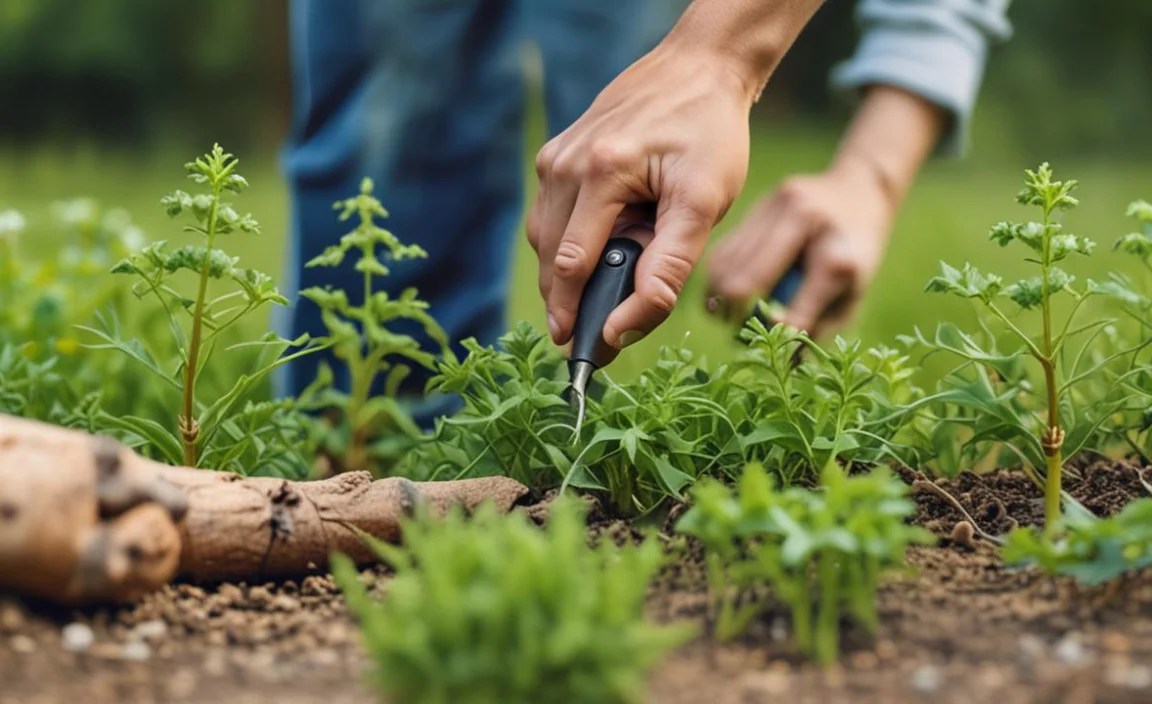
Hand-pulling is a direct method of removing weeds without chemicals.
It involves physically pulling the weeds out of the ground. It’s best to do
this after it rains or after watering. The soil will be softer, making it
easier to pull the weeds. Grab the weed at the base, close to the soil. Pull
slowly and steadily to get the entire root. If the root breaks off, the weed
may grow back. Use a weeding tool for weeds with deep roots. This helps you
get the whole root system. Hand-pulling is effective. It can also be
therapeutic. It gives you a chance to inspect your garden closely.
| Weed Type | Hand-Pulling Difficulty | Tool Needed? | Best Time to Pull |
|---|---|---|---|
| Dandelions | Medium | Weeding tool | After rain |
| Crabgrass | Easy | No | After watering |
| Thistle | Hard | Gloves, weeding tool | Any time |
| Clover | Easy | No | After rain |
- Water the garden before pulling weeds.
- Grab the weed at the base.
- Pull slowly and steadily.
- Use a weeding tool for deep roots.
- Check for broken roots.
When hand-pulling weeds, wear gloves to protect your hands. This prevents
skin irritation from certain weeds. It also protects you from thorns or
prickers. Use a small trowel or weeding fork to loosen the soil around the
weed. This makes it easier to pull the entire root. Dispose of the weeds in a
garbage bag or compost bin. Don’t leave them on the ground. They can re-root
or spread their seeds. Regularly check your garden for weeds. Pull them as
soon as you see them. This prevents them from getting too big and spreading.
With consistent effort, hand-pulling can keep your garden weed-free.
Fun Fact or Stat:
Pulling weeds after a rain shower can reduce your weeding time by half!
What Tools Help With Hand-Pulling?
What tools help with hand-pulling? Picture yourself trying to pull a deep-
rooted dandelion. It can be tough without the right tools. A weeding fork is
great for loosening the soil. It helps you get under the roots. A small
trowel can also be useful. It helps you dig around the weed. Gloves are
essential to protect your hands. They prevent blisters and irritation. A
kneeling pad can make the job more comfortable. It saves your knees from
getting sore. With the right tools, hand-pulling weeds becomes much easier.
How Do I Identify Weeds Before Pulling?
How do you identify weeds before pulling? Imagine you’re not sure if a plant
is a weed or a flower. It’s important to know what you’re pulling. Look for
plants that are growing where they shouldn’t be. Weeds often look different
from your desired plants. They might have different leaf shapes or colors. Use
a plant identification app on your phone. These apps can help you identify
plants quickly. Check online resources or gardening books. These can show you
common weeds in your area. When in doubt, leave the plant alone. Ask a
gardening expert for help.
How Often Should I Hand-Pull Weeds?
How often should you hand-pull weeds? Think about checking your garden every
week. This is a good habit to get into. Pull weeds as soon as you see them.
This prevents them from spreading. Regular weeding keeps your garden healthy.
It also makes the job easier over time. Set aside some time each week for
weeding. This could be 15 minutes or an hour, depending on the size of your
garden. The more often you weed, the fewer weeds you’ll have to pull each
time.
Using Mulch To Prevent Weeds

Mulch is a great way of removing weeds without chemicals. It’s a
layer of material spread on top of the soil. Mulch blocks sunlight. This
prevents weed seeds from germinating. It also helps to retain moisture in the
soil. This keeps your plants healthy. There are many types of mulch. Organic
mulch includes wood chips, straw, and shredded leaves. Inorganic mulch
includes rocks and plastic sheeting. Choose the best type of mulch for your
garden. Apply a layer of mulch about 2-4 inches thick. This will effectively
suppress weeds. Mulch also decomposes over time. This adds nutrients to the
soil.
- Choose organic or inorganic mulch.
- Apply a 2-4 inch layer.
- Spread mulch evenly around plants.
- Replenish mulch as needed.
- Keep mulch away from plant stems.
When using mulch, prepare the garden bed first. Remove any existing weeds.
Water the soil thoroughly. This helps the mulch settle. Spread the mulch
evenly around your plants. Keep the mulch a few inches away from the stems.
This prevents rot. Check the mulch layer regularly. Add more mulch as it
decomposes or thins out. Organic mulches will need to be replaced more often.
Inorganic mulches last longer. Consider the look and function of the mulch.
Choose a mulch that complements your garden design. Mulch is a natural and
effective way to prevent weeds. It also enhances the beauty of your garden.
Fun Fact or Stat:
Mulching can reduce weed growth by up to 90%!
What Are the Different Types of Mulch?
What are the different types of mulch? Imagine walking through a garden. You
see different materials covering the soil. These are all types of mulch. Wood
chips are a popular choice. They look natural and decompose slowly. Straw is
another option. It’s good for vegetable gardens. Shredded leaves are a free
and eco-friendly choice. Rocks can be used as mulch in dry areas. Plastic
sheeting is effective at blocking weeds. But, it doesn’t add nutrients to the
soil. Each type of mulch has its own benefits. Choose the one that best suits
your needs.
How Does Mulch Prevent Weed Growth?
How does mulch prevent weed growth? Picture a seed trying to sprout in the
dark. Mulch blocks sunlight from reaching the soil. Weed seeds need sunlight
to germinate. Without sunlight, they can’t grow. Mulch also creates a
physical barrier. This prevents weed seeds from reaching the soil. Mulch helps
to retain moisture in the soil. This keeps your plants healthy and strong.
Healthy plants are better able to compete with weeds. Mulch also decomposes
over time. This adds nutrients to the soil. These nutrients help your plants
grow.
How Much Mulch Should I Use?
How much mulch should you use? Think about layering a blanket on your garden.
You want enough to cover the soil. But, you don’t want to smother your
plants. A layer of 2-4 inches of mulch is usually best. This is thick enough
to block weeds. But, it’s not so thick that it harms your plants. Adjust the
amount of mulch based on the type of mulch you’re using. Finer mulches, like
shredded leaves, can be applied in a thinner layer. Coarser mulches, like wood
chips, may need a thicker layer.
Ground Cover Plants For Weed Control
Ground cover plants are a natural way of removing weeds without
chemicals. These plants spread and cover the ground. They block sunlight,
preventing weed seeds from germinating. Ground cover plants also compete with
weeds for resources. This makes it harder for weeds to grow. There are many
types of ground cover plants. Some popular choices include clover, creeping
thyme, and vinca. Choose ground cover plants that are suitable for your
climate and soil. Plant them closely together. This helps them spread quickly
and cover the ground. Ground cover plants can add beauty to your garden. They
also provide habitat for beneficial insects.
- Choose suitable ground cover plants.
- Plant them closely together.
- Water and fertilize regularly.
- Trim as needed to control spread.
- Enjoy a weed-free garden.
When using ground cover plants, prepare the soil first. Remove any existing
weeds. Amend the soil with compost or other organic matter. This improves
drainage and fertility. Water the ground cover plants regularly. Fertilize
them as needed. This helps them grow and spread quickly. Trim the ground
cover plants as needed to control their spread. Some ground cover plants can
be invasive. Choose non-invasive varieties. Monitor the ground cover plants
regularly. Remove any weeds that do manage to grow. With proper care, ground
cover plants can effectively control weeds.
Fun Fact or Stat:
Ground cover plants can reduce soil erosion by up to 70%!
What Are Some Good Ground Cover Plants?
What are some good ground cover plants? Picture a lush carpet of green covering
your garden. This can be achieved with ground cover plants. Creeping thyme is
a popular choice. It has a pleasant scent and attracts bees. Clover is another
good option. It’s low-maintenance and helps to fix nitrogen in the soil.
Vinca is a shade-tolerant ground cover. It has beautiful blue flowers. Sedum
is a drought-tolerant ground cover. It’s perfect for dry areas. Choose ground
cover plants that are suitable for your climate and soil conditions.
How Do Ground Cover Plants Compete With Weeds?
How do ground cover plants compete with weeds? Think about a race between two
plants. The ground cover plants spread quickly. They take up space and
resources. Weeds have a harder time getting started. Ground cover plants block
sunlight. This prevents weed seeds from germinating. They also take up water
and nutrients. This leaves less for the weeds. Ground cover plants create a
dense mat. This makes it difficult for weeds to establish themselves.
How Do I Maintain Ground Cover Plants?
How do you maintain ground cover plants? Imagine you’re tending to a living
carpet. You need to keep it healthy and tidy. Water the ground cover plants
regularly. Fertilize them as needed. This helps them grow and spread
quickly. Trim the ground cover plants as needed to control their spread. Some
ground cover plants can be invasive. Monitor the ground cover plants
regularly. Remove any weeds that do manage to grow. With proper care, ground
cover plants will thrive.
Summary
Removing weeds without chemicals is important for a healthy garden and
environment. There are many natural methods you can use. Boiling water is
effective for weeds in cracks. Vinegar and salt can kill weeds, but use them
carefully. Hand-pulling weeds removes their roots. Mulch prevents weeds from
sprouting. Ground cover plants compete with weeds for resources. Each method
has its benefits and drawbacks. Choose the best method for your garden.
Regular garden care is key. Check your garden often and remove weeds as soon
as you see them. With a little effort, you can have a beautiful weed-free
garden without harmful chemicals.
Conclusion
Removing weeds without chemicals is good for your garden and the
planet. You can use boiling water, vinegar, or hand-pulling. Mulch and ground
cover plants also work well. These methods are safe for your family and pets.
They protect the environment too. Choose the best method for your needs. Keep
your garden healthy and beautiful. You can do it without using harmful
chemicals!
Frequently Asked Questions
Question No 1: Why is removing weeds without chemicals
important?
Answer: Removing weeds without chemicals is important because
chemical weed killers can harm the environment. They can pollute the soil
and water. They can also harm beneficial insects and animals. Natural
methods are safer for your family, pets, and the planet. They help to
maintain a healthy ecosystem in your garden. By choosing natural methods,
you are protecting the environment and promoting biodiversity. You are also
creating a safer space for everyone to enjoy. Chemical-free weeding ensures
that your garden is a healthy and vibrant place.
Question No 2: How does boiling water kill weeds?
Answer: Boiling water kills weeds by damaging their cells. The extreme heat
causes the plant’s cells to rupture. This disrupts their ability to function.
The weed quickly dies. Boiling water is most effective on weeds growing in
cracks and crevices. It’s less effective on weeds growing in soil. This is
because the soil can absorb some of the heat. Be careful not to pour boiling
water on plants you want to keep. It can harm or kill them too. Boiling
water is a quick and easy way to kill weeds. It’s also a safe and natural
alternative to chemical weed killers.
Question No 3: Is vinegar and salt safe for all types of
gardens?
Answer: Vinegar and salt can be effective for removing weeds without
chemicals. However, they are not safe for all types of gardens. Vinegar
and salt can change the pH level of the soil. This can make it harder for
other plants to grow. They can also harm beneficial microbes in the soil.
Use vinegar and salt sparingly. Apply them only to the weeds you want to
kill. Avoid spraying large areas of soil. Consider other natural weed
control options for a more balanced approach. Mulching or hand-pulling weeds
are good alternatives.
Question No 4: How often should I mulch my garden?
Answer: How often you should mulch your garden depends on the type of mulch
you use. Organic mulches, like wood chips and straw, decompose over time.
They need to be replenished more often. Check the mulch layer regularly. Add
more mulch as it decomposes or thins out. Inorganic mulches, like rocks and
plastic sheeting, last longer. They don’t need to be replaced as often.
However, they don’t add nutrients to the soil. A good rule of thumb is to
mulch your garden at least once a year. This will help to prevent weeds and
retain moisture in the soil.
Question No 5: What are the benefits of using ground cover
plants?
Answer: Ground cover plants offer many benefits. They help to prevent weeds
from growing. They also help to retain moisture in the soil. Ground cover
plants can improve soil health. They add organic matter to the soil as they
decompose. They can also help to prevent soil erosion. Ground cover plants
can add beauty to your garden. They provide habitat for beneficial insects.
They can also reduce the need for mowing. Overall, ground cover plants are a
great way to improve the health and beauty of your garden. They are a
natural and effective way of removing weeds without chemicals.
Question No 6: How can I prevent weeds from coming back after
removing weeds without chemicals?
Answer: To prevent weeds from coming back, it’s important to address the
root cause. This means preventing weed seeds from germinating. Mulching is a
great way to do this. Mulch blocks sunlight and prevents weed seeds from
sprouting. Ground cover plants also help. They compete with weeds for
resources. Regular garden maintenance is also key. Check your garden often
and remove weeds as soon as you see them. This prevents them from spreading
and going to seed. With consistent effort, you can keep your garden weed-free
naturally.
