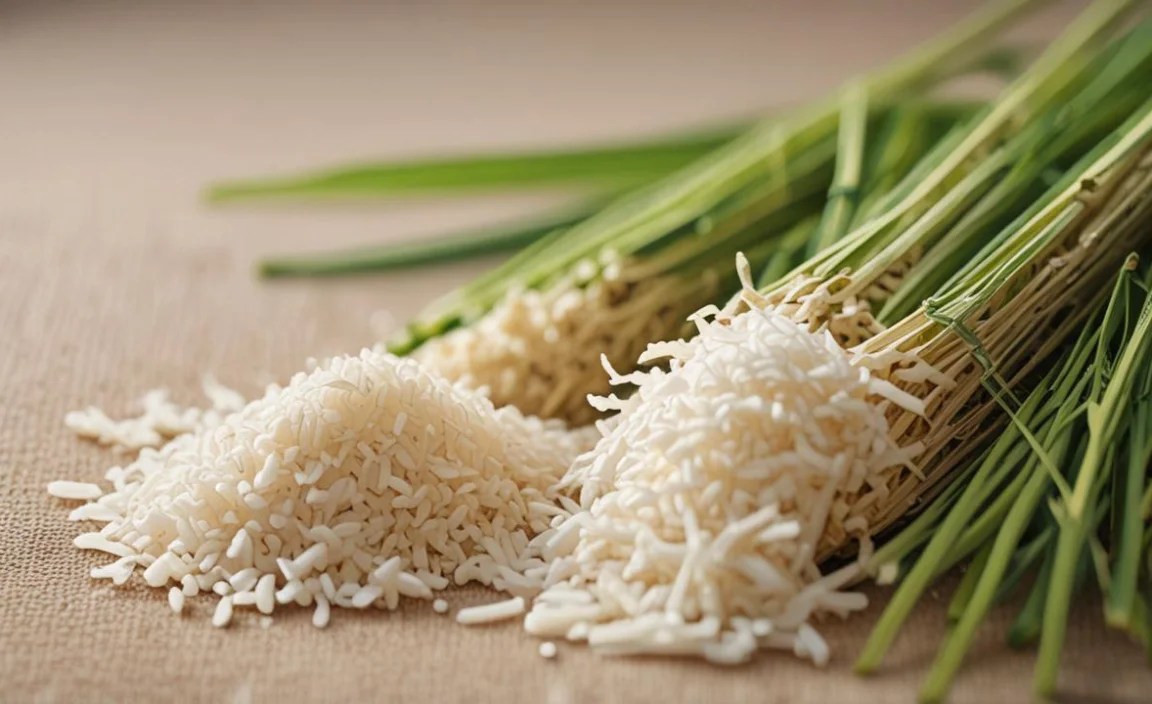
Have you ever wondered where rice comes from? Rice is grown all over the world. After harvest, rice has a protective outer layer. This layer is called the rice hull. Farmers remove these hulls. But did you know rice hulls for gardening can be very useful?
Rice hulls are a great resource. They can help your plants grow strong and healthy. Let’s learn more about using them in your garden. You might be surprised by all the amazing things they can do.
Rice hulls for gardening are becoming more popular. People are discovering their many benefits. They are a natural and sustainable choice. Are you ready to learn how to use them? Let’s get started and explore the world of rice hulls!
Key Takeaways
- Rice hulls improve soil drainage and aeration, which is vital for healthy roots.
- They decompose slowly, providing long-lasting benefits to your garden soil.
- Using rice hulls for gardening helps retain moisture, reducing the need to water often.
- Rice hulls are a sustainable and eco-friendly alternative to other soil amendments.
- They can suppress weeds and help regulate soil temperature, benefiting plant growth.
What Are the Benefits of Rice Hulls for Gardening?

Using rice hulls for gardening offers many advantages. One big benefit is improved soil structure. Heavy clay soils can be hard for roots to grow in. Rice hulls help break up this soil. This makes it easier for air and water to reach the roots. Sandy soils drain too quickly. Rice hulls help these soils hold more water. This keeps plants hydrated for longer. Rice hulls also decompose slowly. As they break down, they add nutrients to the soil. This feeds your plants and helps them grow strong. They are lightweight and easy to handle. This makes them a great choice for any gardener. Whether you have a small backyard or a large farm, rice hulls can help your plants thrive. They’re a natural, sustainable way to improve your garden’s health.
- Improve soil drainage.
- Retain soil moisture.
- Add nutrients to the soil.
- Are lightweight and easy to use.
- Help suppress weeds.
Rice hulls are also a sustainable choice for your garden. They are a byproduct of rice farming. This means they are a renewable resource. Using them reduces waste. It also avoids the need for synthetic fertilizers. Synthetic fertilizers can harm the environment. Rice hulls are a natural way to feed your plants. They also help protect the soil. They act as a mulch. This helps keep the soil cool in the summer. It also helps prevent weeds from growing. Rice hulls are a great way to improve your garden. They are good for your plants and the environment. You can feel good about using them in your garden. They are a responsible and effective choice. They are a win-win for you and the planet.
How Do Rice Hulls Improve Soil Drainage?
Have you ever noticed water sitting on top of your garden soil? This is a sign of poor drainage. Poor drainage can hurt your plants. Roots need air to breathe. When soil is waterlogged, roots can’t get enough air. Rice hulls can help fix this problem. They create small air pockets in the soil. These pockets allow water to drain more easily. This prevents the soil from becoming too wet. The hulls act like tiny sponges. They absorb excess water and release it slowly. This helps maintain a good balance of moisture and air. This is especially helpful for plants that don’t like wet feet. Plants like lavender and rosemary thrive in well-drained soil. Adding rice hulls can make a big difference in their growth.
What Nutrients Do Rice Hulls Provide?
When rice hulls break down, they release nutrients into the soil. These nutrients include nitrogen, phosphorus, and potassium. These are essential for plant growth. Nitrogen helps plants grow green and leafy. Phosphorus helps with root development and flowering. Potassium helps plants resist disease. While rice hulls don’t provide a lot of these nutrients, they release them slowly. This provides a steady supply of food for your plants. This slow release is better than a quick burst from synthetic fertilizers. It helps plants grow at a healthy pace. It also reduces the risk of burning the roots. Using rice hulls is like giving your plants a healthy, balanced diet.
How Do Rice Hulls Help Suppress Weeds?
Weeds can be a big problem in the garden. They compete with your plants for water and nutrients. Rice hulls can help keep weeds at bay. They act as a barrier on the soil surface. This barrier prevents weed seeds from germinating. It also blocks sunlight from reaching the soil. Weed seeds need sunlight to sprout. Without sunlight, they can’t grow. Rice hulls also make it harder for weeds to push through the soil. This is especially helpful for small, delicate weeds. By suppressing weeds, rice hulls help your plants thrive. They don’t have to compete for resources. This means they can grow bigger and stronger. Using rice hulls is like giving your plants a head start in the garden.
Fun Fact or Stat: Rice hulls decompose about 75% slower than most other organic mulches, giving your garden long-lasting benefits!
How to Use Rice Hulls as Soil Amendment

Using rice hulls for gardening as a soil amendment is easy. First, decide where you want to use them. You can mix them into your garden beds. You can also use them in pots and containers. To amend garden beds, spread a layer of rice hulls on top of the soil. Then, use a garden fork or tiller to mix them in. Aim for a ratio of about 1 part rice hulls to 3 parts soil. For pots and containers, mix rice hulls with your potting mix. A good ratio is about 1 part rice hulls to 4 parts potting mix. Be sure to water well after adding rice hulls. This helps them settle into the soil. Over time, the rice hulls will break down. They will add nutrients and improve soil structure. You can reapply them as needed to maintain the benefits. Using rice hulls is a simple way to improve your soil.
- Mix with garden soil.
- Use in pots and containers.
- Apply as a top dressing.
- Incorporate into compost piles.
- Use as mulch around plants.
You can also use rice hulls as a top dressing. This means spreading them on top of the soil around your plants. This helps retain moisture and suppress weeds. It also adds a layer of insulation to protect the soil. To use rice hulls as a top dressing, spread a layer about 1-2 inches thick. Keep the rice hulls away from the stems of your plants. This can prevent rot. You can also incorporate rice hulls into your compost pile. They add carbon to the compost. This helps balance out the nitrogen-rich materials. Rice hulls also help aerate the compost pile. This speeds up the decomposition process. Using rice hulls in your compost is a great way to recycle them. It also creates nutrient-rich compost for your garden. Rice hulls are a versatile tool for any gardener.
What is the Best Ratio of Rice Hulls to Soil?
Finding the right ratio of rice hulls to soil is important. Too many rice hulls can make the soil too airy. This can cause plants to dry out quickly. Too few rice hulls may not provide enough benefit. A good starting point is a 1:3 ratio. This means one part rice hulls to three parts soil. You can adjust this ratio based on your soil type. If you have heavy clay soil, you may want to use more rice hulls. This will help break up the clay and improve drainage. If you have sandy soil, you may want to use less rice hulls. This will prevent the soil from drying out too quickly. Experiment to find the best ratio for your garden. Keep an eye on your plants. If they look healthy and are growing well, you’ve found the right balance.
How Often Should I Reapply Rice Hulls?
Rice hulls break down slowly over time. This means you don’t have to reapply them very often. How often you reapply them depends on several factors. These factors include your climate, soil type, and watering habits. In general, you should reapply rice hulls every 6-12 months. You may need to reapply them more often in hot, dry climates. The rice hulls will break down faster in these conditions. You can tell it’s time to reapply when the rice hulls start to disappear. The soil may also become compacted again. When reapplying, follow the same steps as before. Spread a layer of rice hulls on top of the soil. Then, mix them in gently. This will keep your soil healthy and your plants thriving.
Can I Use Rice Hulls in Raised Garden Beds?
Yes, rice hulls are great for raised garden beds! Raised beds often have specific soil needs. They need to drain well but also retain moisture. Rice hulls can help achieve this balance. They improve drainage and aeration. They also help the soil hold onto water. This is especially important in raised beds. Raised beds tend to dry out faster than in-ground gardens. When using rice hulls in raised beds, mix them with your soil. Use the same 1:3 ratio as you would for in-ground gardens. You can also use rice hulls as a top dressing. This will help retain moisture and suppress weeds. Rice hulls are a valuable addition to any raised garden bed.
Fun Fact or Stat: Rice hulls are so effective at improving soil structure that some gardeners call them “nature’s aerator”!
Rice Hulls vs. Other Soil Amendments

There are many different soil amendments available. Some common ones include peat moss, compost, and vermiculite. Rice hulls offer some unique advantages over these other options. Peat moss is a good soil amendment. But it can be expensive and is not a renewable resource. Compost is great for adding nutrients. But it can be heavy and hard to handle. Vermiculite is good for retaining moisture. But it can be expensive. Rice hulls are a sustainable and affordable option. They provide many of the same benefits as other soil amendments. They improve drainage, retain moisture, and add nutrients. They are also lightweight and easy to handle. This makes them a great choice for any gardener. When choosing a soil amendment, consider the benefits of rice hulls.
- Peat moss retains moisture but is not renewable.
- Compost adds nutrients but can be heavy.
- Vermiculite retains moisture but can be costly.
- Rice hulls are sustainable and affordable.
- Rice hulls are lightweight and easy to handle.
Let’s compare rice hulls to other common soil amendments in a table:
| Soil Amendment | Benefits | Drawbacks |
|---|---|---|
| Rice Hulls | Improves drainage, retains moisture, sustainable | May need to be reapplied |
| Peat Moss | Retains moisture, improves soil structure | Not renewable, can be acidic |
| Compost | Adds nutrients, improves soil structure | Can be heavy, may contain weed seeds |
| Vermiculite | Retains moisture, improves aeration | Can be expensive, does not add nutrients |
| Perlite | Improves drainage, lightweight | Does not retain moisture or add nutrients |
As you can see, rice hulls offer a good balance of benefits and drawbacks. They are a sustainable and affordable option that can improve your soil. They are also easy to handle and use. This makes them a great choice for any gardener. Consider your specific needs and preferences when choosing a soil amendment. But don’t overlook the many benefits of rice hulls. They may be just what your garden needs to thrive. They are a natural and effective way to improve your soil health.
Are Rice Hulls More Sustainable Than Peat Moss?
Yes, rice hulls are much more sustainable than peat moss. Peat moss is harvested from peat bogs. These bogs are important ecosystems. They store large amounts of carbon. Harvesting peat moss releases this carbon into the atmosphere. This contributes to climate change. Peat bogs also take a very long time to regenerate. This means that peat moss is not a renewable resource. Rice hulls, on the other hand, are a byproduct of rice farming. They are a renewable resource. Using them reduces waste and supports sustainable agriculture. By choosing rice hulls over peat moss, you can help protect the environment. You can also reduce your carbon footprint. Rice hulls are a responsible and sustainable choice for your garden.
How Do Rice Hulls Compare to Compost for Adding Nutrients?
Compost is a great source of nutrients for your garden. It is made from decomposed organic matter. This matter can include food scraps, yard waste, and manure. Compost contains a wide range of nutrients. These nutrients are essential for plant growth. Rice hulls, on the other hand, contain fewer nutrients. However, they do release nutrients slowly over time. This provides a steady supply of food for your plants. Compost is best for adding a quick boost of nutrients. Rice hulls are best for providing long-term, sustained nutrition. You can use both compost and rice hulls in your garden. This will give your plants the best of both worlds. They will get a quick boost of nutrients from the compost. They will also get a steady supply of nutrients from the rice hulls.
Are Rice Hulls Better Than Vermiculite for Drainage?
Both rice hulls and vermiculite can improve soil drainage. Vermiculite is a mineral that is heated to high temperatures. This causes it to expand into lightweight, porous granules. These granules create air pockets in the soil. This improves drainage and aeration. Rice hulls also create air pockets in the soil. They are a more natural and sustainable option than vermiculite. Vermiculite is mined from the earth. This mining can have negative environmental impacts. Rice hulls are a byproduct of rice farming. They are a renewable resource. Both rice hulls and vermiculite can improve drainage. But rice hulls are a more environmentally friendly choice. They provide the same benefits without the negative impacts.
Fun Fact or Stat: Rice hulls are often used in commercial potting mixes as a sustainable alternative to perlite and vermiculite!
Addressing Concerns About Using Rice Hulls
Some people have concerns about using rice hulls for gardening. One concern is that they may contain pesticides. Rice farmers sometimes use pesticides to protect their crops. These pesticides can end up in the rice hulls. To avoid this, choose rice hulls that are certified organic. Organic rice hulls are grown without the use of synthetic pesticides. Another concern is that rice hulls may attract pests. Rice hulls themselves do not attract pests. However, if they are not properly composted, they can provide a habitat for pests. To avoid this, make sure your rice hulls are clean and dry. You can also compost them before using them in your garden. This will kill any potential pests. By addressing these concerns, you can use rice hulls safely and effectively in your garden.
- Choose certified organic rice hulls.
- Ensure proper composting.
- Avoid using treated rice hulls.
- Store rice hulls properly.
- Monitor for pests.
Another concern is that rice hulls may contain arsenic. Arsenic is a naturally occurring element in the soil. It can be absorbed by rice plants. This can lead to arsenic in the rice hulls. The amount of arsenic in rice hulls is usually very low. It is not considered a health risk. However, if you are concerned about arsenic, you can take some precautions. Choose rice hulls from reputable sources. These sources should test their rice hulls for arsenic. You can also avoid using rice hulls in vegetable gardens. Instead, use them in flower beds or ornamental gardens. By taking these precautions, you can minimize any potential risk from arsenic. Rice hulls are a safe and beneficial soil amendment when used properly.
Can Rice Hulls Affect Soil pH?
Rice hulls have a slightly acidic pH. This means they can lower the pH of your soil. Soil pH is a measure of how acidic or alkaline your soil is. Most plants prefer a slightly acidic to neutral pH. A pH of around 6.0 to 7.0 is ideal. If your soil is too alkaline, adding rice hulls can help lower the pH. This can make it more suitable for your plants. However, if your soil is already acidic, adding rice hulls may make it too acidic. In this case, you may need to add lime to raise the pH. It’s a good idea to test your soil pH before adding rice hulls. This will help you determine if they are the right choice for your garden. You can buy a soil pH testing kit at most garden centers.
Do Rice Hulls Attract Rodents or Pests?
Rice hulls themselves do not attract rodents or pests. They are not a food source for these animals. However, if rice hulls are not stored properly, they can provide a habitat for pests. Rodents and insects may nest in piles of rice hulls. To prevent this, store rice hulls in a dry, sealed container. This will keep them clean and free of pests. You can also compost rice hulls before using them in your garden. This will kill any potential pests. It will also make the rice hulls more nutritious for your plants. Proper storage and composting are key to preventing pests. With these precautions, rice hulls are a safe and beneficial soil amendment.
Are There Any Plants That Should Not Be Grown With Rice Hulls?
Most plants benefit from the addition of rice hulls to the soil. However, there are a few exceptions. Plants that prefer very alkaline soil may not thrive in soil amended with rice hulls. These plants include lavender, rosemary, and thyme. These plants prefer a higher pH. The slightly acidic pH of rice hulls can lower the pH too much. This can make the soil unsuitable for these plants. If you are growing these plants, you may want to avoid using rice hulls. Or, you can add lime to the soil to raise the pH. Most other plants will thrive in soil amended with rice hulls. They will benefit from the improved drainage, aeration, and nutrient content.
Fun Fact or Stat: Studies show that properly composted rice hulls can actually suppress certain soilborne diseases in plants!
Best Practices for Storing Rice Hulls

Proper storage is important for keeping rice hulls in good condition. Store them in a dry, well-ventilated area. This will prevent them from getting moldy or attracting pests. Use a sealed container to protect them from moisture and rodents. A plastic bin or a garbage can with a lid works well. Avoid storing rice hulls directly on the ground. This can expose them to moisture and pests. Place the container on a pallet or some bricks to keep it off the ground. Check the rice hulls regularly for signs of mold or pests. If you find any, discard the affected rice hulls. By following these best practices, you can keep your rice hulls in good condition. This will ensure they are ready to use in your garden when you need them.
- Store in a dry place.
- Use a sealed container.
- Keep off the ground.
- Check regularly for mold.
- Protect from pests.
Consider the climate when storing rice hulls. In humid climates, moisture can be a big problem. Store rice hulls in an airtight container with a desiccant. A desiccant is a substance that absorbs moisture. Silica gel packets are a common type of desiccant. In dry climates, dust can be a problem. Store rice hulls in a covered container to protect them from dust. You can also dampen the rice hulls slightly before using them. This will help reduce dust. No matter what the climate, proper storage is key to keeping rice hulls in good condition. This will ensure they are ready to use in your garden. They will provide your plants with the nutrients and support they need to thrive.
What Type of Container is Best for Storing Rice Hulls?
The best type of container for storing rice hulls is a sealed, airtight container. This will protect them from moisture, pests, and dust. A plastic bin with a lid is a good option. You can also use a garbage can with a lid. Make sure the lid fits tightly to keep out moisture and pests. Avoid using containers that are made of porous materials. These materials can absorb moisture and allow pests to enter. Glass containers are also not a good choice. They can break easily if dropped. A sturdy plastic container is the best option for storing rice hulls. It will protect them from the elements. It will also keep them clean and ready to use.
How Can I Prevent Mold Growth in Stored Rice Hulls?
Mold growth is a common problem with stored organic materials. To prevent mold growth in rice hulls, keep them dry. Moisture is the main cause of mold growth. Store rice hulls in a dry, well-ventilated area. Use a sealed container to protect them from moisture. You can also add a desiccant to the container. This will absorb any excess moisture. Check the rice hulls regularly for signs of mold. If you see any mold, discard the affected rice hulls. Do not try to salvage them. Mold can spread quickly. It can contaminate the entire batch of rice hulls. Prevention is the best way to avoid mold growth. Keep your rice hulls dry and well-ventilated. This will keep them in good condition.
What Should I Do if My Rice Hulls Get Wet?
If your rice hulls get wet, it’s important to dry them out as quickly as possible. Wet rice hulls are prone to mold growth. They can also attract pests. Spread the wet rice hulls out on a tarp or a sheet of plastic. Place them in a sunny, well-ventilated area. Allow them to dry completely. This may take several days, depending on the weather. Turn the rice hulls regularly to ensure they dry evenly. Once the rice hulls are completely dry, store them in a sealed container. If the rice hulls are heavily contaminated with mold, discard them. Do not use them in your garden. They could spread the mold to your plants. Quick action is key to salvaging wet rice hulls. Dry them out thoroughly to prevent mold growth.
Fun Fact or Stat: Properly stored rice hulls can last for several years without losing their beneficial properties!
Creative Ways to Use Rice Hulls in the Garden
Besides using rice hulls for gardening as a soil amendment, there are other creative ways to use them. You can use them as a mulch around your plants. This will help retain moisture and suppress weeds. You can also use them to create pathways in your garden. This will help keep your feet clean and dry. Rice hulls can also be used to make seed starting mix. They provide good drainage and aeration for seedlings. You can even use them to insulate your compost pile. This will help speed up the decomposition process. Rice hulls are a versatile material. They can be used in many different ways in the garden. Get creative and experiment with different uses. You may be surprised at how useful they can be.
- Use as mulch.
- Create garden pathways.
- Make seed starting mix.
- Insulate compost piles.
- Use in chicken coops.
Rice hulls can also be used in chicken coops. They make a great bedding material. They are absorbent and help control odors. They also provide a comfortable surface for chickens to walk on. When cleaning out the chicken coop, you can add the used rice hulls to your compost pile. This will add valuable nutrients to your compost. Rice hulls are a great way to recycle waste and improve your garden. They are also a sustainable and environmentally friendly choice. By using rice hulls in your garden and chicken coop, you can reduce waste. You can also improve the health of your plants and animals. Rice hulls are a valuable resource that can be used in many different ways.
Can I Use Rice Hulls as a Mulch for Vegetable Gardens?
Yes, you can use rice hulls as a mulch for vegetable gardens. They are a great way to retain moisture, suppress weeds, and regulate soil temperature. Spread a layer of rice hulls around your vegetable plants. Keep the rice hulls away from the stems of the plants. This can prevent rot. The rice hulls will help keep the soil moist. This reduces the need for watering. They will also prevent weed seeds from germinating. This reduces the amount of weeding you need to do. In hot weather, the rice hulls will help keep the soil cool. In cold weather, they will help insulate the soil. Rice hulls are a valuable tool for any vegetable gardener.
How Do Rice Hulls Help in Seed Starting Mixes?
Rice hulls are a great addition to seed starting mixes. They provide good drainage and aeration. This is essential for seedlings to thrive. Seedlings need well-drained soil to prevent root rot. They also need plenty of air around their roots. Rice hulls help create these conditions. They also help retain moisture. This keeps the seedlings hydrated. To make a seed starting mix with rice hulls, combine equal parts rice hulls, compost, and vermiculite. This will create a light, airy mix that is perfect for starting seeds. You can also add a small amount of fertilizer to provide nutrients for the seedlings. Rice hulls are a valuable ingredient in any seed starting mix.
Are Rice Hulls Suitable for Composting?
Yes, rice hulls are a great addition to compost piles. They are a source of carbon. Carbon is an essential ingredient in compost. It helps balance out the nitrogen-rich materials. Nitrogen-rich materials include food scraps and yard waste. Rice hulls also help aerate the compost pile. This speeds up the decomposition process. To add rice hulls to your compost pile, simply mix them in with the other materials. Aim for a ratio of about 1 part rice hulls to 3 parts other materials. Turn the compost pile regularly to ensure it is well-aerated. The rice hulls will break down over time. They will add valuable nutrients to your compost. They are a great way to recycle waste and improve your garden soil.
Fun Fact or Stat: Some innovative gardeners use rice hulls to create artistic mulch patterns in their ornamental beds!
Summary
Rice hulls for gardening offer many benefits. They improve soil drainage and aeration. They also help retain moisture and suppress weeds. Rice hulls are a sustainable and affordable soil amendment. They are a byproduct of rice farming. This makes them a renewable resource. They are also lightweight and easy to handle. This makes them a great choice for any gardener. Rice hulls can be used in many different ways in the garden. You can mix them into your soil. You can also use them as a mulch or in your compost pile. They are a versatile tool that can help you grow healthy, thriving plants. By using rice hulls, you can improve your garden and help the environment.
Conclusion
In conclusion, rice hulls are a valuable resource for any gardener. They offer many benefits for your soil and plants. They are also a sustainable and environmentally friendly choice. Using rice hulls for gardening is a great way to improve your garden. You can also reduce waste and support sustainable agriculture. So, next time you’re looking for a soil amendment, consider rice hulls. They may be just what your garden needs to thrive. They are a natural and effective way to improve your soil health.
Frequently Asked Questions
Question No 1: What exactly are rice hulls?
Answer: Rice hulls are the protective outer coverings of rice grains. Farmers remove them during the rice milling process. They are a byproduct of rice production. Instead of being discarded, they can be used for many purposes. One of the most popular uses is in gardening. Rice hulls are lightweight and durable. They decompose slowly, which makes them a great soil amendment. They can improve drainage, aeration, and water retention in the soil. They are also a sustainable and environmentally friendly option. They are a renewable resource that can help reduce waste.
Question No 2: How do I apply rice hulls to my garden?
Answer: Applying rice hulls to your garden is easy. You can mix them directly into the soil. Use a garden fork or tiller to incorporate them. Aim for a ratio of about 1 part rice hulls to 3 parts soil. You can also use them as a top dressing or mulch. Spread a layer of rice hulls around your plants. This will help retain moisture and suppress weeds. You can also add them to your compost pile. This will help improve aeration and speed up decomposition. When using rice hulls, make sure they are clean and free of contaminants. Choose organic rice hulls whenever possible to avoid pesticides.
Question No 3: Are there any drawbacks to using rice hulls in my garden?
Answer: While rice hulls for gardening offer many benefits, there are a few potential drawbacks. One concern is that they can be slow to decompose. This means they may not provide immediate nutrients to your plants. However, the slow decomposition also means they provide long-lasting benefits. Another concern is that they can be dusty. Wear a mask when handling them to avoid inhaling the dust. Some people are concerned about arsenic levels in rice hulls. Choose rice hulls from reputable sources to minimize this risk. Overall, the benefits of using rice hulls outweigh the potential drawbacks.
Question No 4: Can I use rice hulls in my potted plants?
Answer: Yes, rice hulls are an excellent addition to potted plants. They improve drainage and aeration. This is especially important for plants in containers. Containers can easily become waterlogged. Rice hulls help prevent this. Mix rice hulls with your potting mix. Use a ratio of about 1 part rice hulls to 4 parts potting mix. This will create a light, airy mix that is perfect for potted plants. They also help retain moisture. This reduces the need for frequent watering. They are a valuable addition to any potting mix. They will help your potted plants thrive.
Question No 5: Where can I purchase rice hulls for gardening?
Answer: You can purchase rice hulls from several sources. Check your local garden centers or nurseries. They may carry rice hulls as a soil amendment. You can also find them online from various retailers. Look for suppliers that specialize in organic gardening products. This will ensure you are getting high-quality rice hulls. When purchasing rice hulls, consider the quantity you need. They are often sold in large bags. But smaller quantities may be available. Compare prices from different suppliers to get the best deal. They are a worthwhile investment for your garden.
Question No 6: Will rice hulls change the pH of my soil?
Answer: Rice hulls have a slightly acidic pH. They can lower the pH of your soil. This can be beneficial if your soil is too alkaline. Most plants prefer a slightly acidic to neutral pH. If your soil is already acidic, rice hulls may lower the pH too much. Test your soil pH before adding rice hulls. You can buy a soil pH testing kit at most garden centers. If your soil is too acidic, you can add lime to raise the pH. They are a valuable tool for improving soil health. But it’s important to use them correctly.
