Do you like solving puzzles? How about finding hidden treasure? A riddles indoor treasure hunt combines both. It is super fun for kids. You can create one at home. It will keep everyone busy.
Imagine your friends are coming over. You want a fun game to play. A treasure hunt with riddles is perfect. It makes everyone think and work together. It leads to a great surprise.
Have you ever been bored on a rainy day? A riddles indoor treasure hunt can fix that. It turns your house into an exciting adventure. You will explore every room. You can find cool stuff.
Key Takeaways
- A riddles indoor treasure hunt is a fun game for kids of all ages.
- You can make a treasure hunt easily with simple clues and riddles.
- Hiding a special prize at the end makes the game more exciting.
- Treasure hunts help kids learn problem-solving and teamwork skills.
- Plan your hunt carefully to ensure everyone has a great time indoors.
Planning Your Riddles Indoor Treasure Hunt

Planning a riddles indoor treasure hunt is exciting. First, think about who will play. How many kids? How old are they? This helps you choose the right riddles. Easy riddles for younger kids are best. Harder riddles are good for older kids. Next, decide on a theme. Pirates, detectives, or superheroes are fun. The theme makes the hunt more interesting. Now, write your riddles. Each riddle should lead to the next hiding spot. Make sure the hiding spots are safe. Under a pillow, behind a book, or inside a toy box are good ideas. Write down each riddle and its answer. This helps you keep track. Finally, hide the treasure! A box of candy, a small toy, or a certificate for ice cream works well. Make sure the treasure matches your theme. A treasure map for a pirate theme is cool.
- Choose a fun theme.
- Write riddles for different ages.
- Select safe hiding spots.
- Write down all the riddles and answers.
- Hide a cool treasure.
Remember to test your riddles indoor treasure hunt before the big day. Walk through the hunt yourself. Make sure the riddles make sense. Check that the hiding spots are still good. This helps you fix any problems. It also makes sure the hunt is fun for everyone. You can also ask a friend to test it. Their feedback can be helpful. With careful planning, your treasure hunt will be a success. The kids will have a great time. They will remember it for a long time. Planning is the most important part.
How to Choose a Great Theme?
Choosing a theme makes your treasure hunt special. A good theme gets everyone excited. Think about what the kids like. Do they love pirates? Maybe a pirate treasure hunt is perfect. Are they into superheroes? A superhero theme could be awesome. You can even ask them what they want. Their ideas might surprise you. Once you have a theme, use it for everything. The riddles, the treasure, and the decorations should all match. A pirate theme could have riddles about ships and maps. The treasure could be chocolate coins. Superhero theme could have riddles about powers and villains. The treasure could be superhero masks. The theme makes the hunt more fun and engaging. It helps the kids get into the spirit of the game. A well-chosen theme is like the icing on the cake.
What Makes a Good Hiding Spot?
A good hiding spot is safe and clever. It should be hard to find but not impossible. Think about places kids might not look first. Behind a curtain, under a plant, or inside a puzzle box are good choices. Avoid hiding spots that are dangerous. Don’t hide anything near stairs or sharp objects. Make sure the hiding spot is age-appropriate. A spot that is too high might be hard for younger kids to reach. Also, consider the size of the clue. The hiding spot needs to be big enough. It should also be easy to access once the kids find it. A good hiding spot adds to the challenge. It makes the treasure hunt more exciting. It keeps the kids guessing. The best hiding spots are both fun and safe.
How to Write the Perfect Riddle?
Writing riddles is an art. A good riddle is tricky but solvable. Start with something easy. Then, make it harder. Use clues that relate to the hiding spot. For example, if the clue is hidden under a pillow, the riddle could be, “I have a head but no brain. I offer comfort when you’re in pain. What am I?” Use rhymes to make the riddle more fun. Short riddles are easier for younger kids. Longer riddles can challenge older kids. Test your riddles to make sure they make sense. Ask a friend to try to solve them. This helps you find any problems. Make sure the riddle is clear. Avoid using words that are too hard. A good riddle is a mix of fun and challenge. It makes the kids think and laugh. It also leads them closer to the treasure.
Fun Fact or Stat: Did you know that treasure hunts have been around for centuries? People have been hiding things and making clues for a long time!
Crafting Clever Riddles for Your Hunt

Crafting clever riddles is key to a great riddles indoor treasure hunt. A good riddle should be challenging but not too hard. Think about using wordplay and rhymes. These make the riddles more fun and memorable. Tailor the riddles to the ages of the kids playing. Younger kids need simpler riddles. Older kids can handle more complex ones. Use clues that relate to the hiding spots. This makes the hunt logical and engaging. For example, if the next clue is in the fridge, the riddle could be: “I’m cold and full of food, open me to find something good.” Try to make the riddles creative and unique. Avoid using the same type of riddle over and over. This keeps the game interesting. Test your riddles before the hunt. Make sure they are clear and solvable. A well-crafted riddle adds excitement and fun to the treasure hunt.
- Use wordplay and rhymes in riddles.
- Tailor riddles to the kids’ ages.
- Make riddles creative and unique.
- Test riddles for clarity and solvability.
- Relate riddles to the hiding spots.
- Keep the riddles age-appropriate.
When crafting riddles, think about the overall story. Does your treasure hunt have a theme? If so, the riddles should fit that theme. For a pirate theme, use words like “matey” and “treasure.” For a detective theme, use words like “clue” and “mystery.” The story helps to tie everything together. It makes the treasure hunt more immersive. Also, consider the length of the riddles. Short riddles are good for younger kids. Longer riddles can be more challenging for older kids. But, even longer riddles should be easy to understand. Avoid using complicated words or phrases. The goal is to make the kids think, not confuse them. A well-crafted riddle is a vital part of a successful treasure hunt. It keeps the kids engaged and excited to find the treasure.
Using Rhymes in Your Riddles
Rhymes make riddles more fun and memorable. They add a musical quality to the game. Start by thinking about the answer to the riddle. Then, find words that rhyme with it. For example, if the answer is “chair,” you could use “stare” or “bear.” Use these rhyming words to create a riddle. “I have legs but cannot walk, you sit on me to read and talk. What am I? A chair.” Rhymes make the riddle easier to remember. They also make it more enjoyable to solve. Try to use simple rhymes that kids can understand. Avoid using complex or unusual rhymes. The goal is to make the riddle fun, not confusing. Rhyming riddles are a great way to add some extra flair to your treasure hunt. They will keep the kids entertained and engaged.
Wordplay and Puzzles for Older Kids
Older kids enjoy more challenging riddles. Wordplay and puzzles are a great way to challenge them. Use anagrams, puns, and other types of wordplay. An anagram is a word or phrase made by rearranging the letters of another word or phrase. For example, “listen” can be rearranged to spell “silent.” A pun is a joke that uses words that sound alike but have different meanings. For example, “Why don’t scientists trust atoms? Because they make up everything!” These types of wordplay require kids to think creatively. They also test their knowledge of language. Puzzles can also be a great addition to your treasure hunt. Jigsaw puzzles, logic puzzles, and number puzzles can all be used as clues. Make sure the puzzles are age-appropriate. A puzzle that is too hard will be frustrating. A puzzle that is too easy will be boring. Wordplay and puzzles add a layer of complexity to your treasure hunt. They make it more engaging for older kids.
Keeping Riddles Age-Appropriate
Age-appropriate riddles are important for a fun treasure hunt. Younger kids need simpler riddles. Older kids can handle more complex ones. Consider the vocabulary of the kids playing. Use words that they understand. Avoid using words that are too difficult. Also, think about the concepts in the riddles. Younger kids may not understand abstract concepts. Stick to concrete things that they can see and touch. For older kids, you can use more abstract concepts. But, still make sure the riddles are clear and easy to understand. Test your riddles with kids of different ages. This will help you to see if they are age-appropriate. A riddle that is too hard will be frustrating. A riddle that is too easy will be boring. The goal is to find the right balance. Age-appropriate riddles will keep the kids engaged and excited. They will make the treasure hunt more fun for everyone.
Fun Fact or Stat: The oldest known riddle dates back to ancient Sumeria, around 4,000 years ago!
Hiding Spots: Indoors Made Fun

Choosing the right hiding spots is super important for a riddles indoor treasure hunt. You want places that are tricky but not too hard. Think about using different rooms in your house. Each room can hold a new clue. Under a pillow is a classic hiding spot. Behind a bookshelf is another good idea. Inside a kitchen cabinet can also work. Make sure the hiding spots are safe. Avoid places where kids could get hurt. Don’t hide clues near stairs or sharp objects. Also, think about the ages of the kids playing. Younger kids might not be able to reach high places. Older kids might find easy hiding spots too quickly. Try to choose a mix of easy and hard hiding spots. This keeps the game interesting for everyone. The best hiding spots are those that fit the theme of your treasure hunt. A pirate treasure hunt might have clues hidden near a toy ship. A detective treasure hunt might have clues hidden near a magnifying glass.
- Use different rooms for hiding spots.
- Choose a mix of easy and hard spots.
- Consider the ages of the kids.
- Make sure all spots are safe.
- Match hiding spots to the theme.
- Avoid dangerous locations.
- Test each spot before the hunt.
When choosing hiding spots, think about the flow of the treasure hunt. You want the kids to move around the house. Don’t put all the clues in one room. Spread them out. This makes the game more exciting. Also, consider the size of the clues. The hiding spot needs to be big enough to hold the clue. But, it shouldn’t be so big that the clue is easy to find. Try to be creative with your hiding spots. Think outside the box. Use things that kids might not normally look at. For example, you could hide a clue inside a cereal box. Or, you could hide a clue under a doormat. The more creative your hiding spots are, the more fun the treasure hunt will be. Remember to test each hiding spot before the hunt begins. This makes sure that the clues are hidden well. It also makes sure that the kids can find them.
The Best Room-by-Room Hiding Spots
Each room in your house offers different hiding spot options. In the living room, try hiding clues behind the TV. You could also hide them under a cushion on the couch. In the kitchen, try hiding clues inside a pantry. You could also hide them behind the refrigerator. In the bedroom, try hiding clues under the bed. You could also hide them inside a closet. In the bathroom, try hiding clues inside a cabinet. You could also hide them behind the shower curtain. These are just a few ideas. The possibilities are endless. The key is to be creative. Look around each room. Think about what kids might not normally look at. Use these spots to hide your clues. Remember to keep the clues safe. Avoid hiding them near anything dangerous. Also, make sure that the kids can reach the clues. You don’t want them to get hurt trying to find them.
Safety First: Hiding Spots to Avoid
Safety is always the most important thing. When hiding clues, avoid dangerous spots. Don’t hide clues near stairs. Kids could trip and fall while running. Don’t hide clues near sharp objects. Kids could cut themselves. Don’t hide clues near electrical outlets. Kids could get shocked. Don’t hide clues near water. Kids could slip and fall. Also, don’t hide clues in places that are hard to reach. Kids could climb on things and fall. Always supervise the kids during the treasure hunt. This helps to make sure that they stay safe. If you are not sure about a hiding spot, don’t use it. It is better to be safe than sorry. A fun treasure hunt should not be dangerous. By following these safety tips, you can make sure that everyone has a good time.
Creative Hiding Spot Ideas
Want to make your treasure hunt extra fun? Try some creative hiding spot ideas. Hide a clue inside a balloon. Blow up the balloon and let the kids pop it to find the clue. Hide a clue inside a book. Choose a book that fits the theme of the treasure hunt. Hide a clue inside a sock. Roll up the sock and put it in a drawer. Hide a clue inside a toy. Choose a toy that is easy to open. Hide a clue inside a lunchbox. Fill the lunchbox with snacks. Hide a clue inside a pillowcase. Put the pillowcase on a pillow. These are just a few ideas to get you started. The more creative you are, the more fun the treasure hunt will be. Think outside the box. Use things that kids might not normally look at. The possibilities are endless. Just remember to keep the clues safe. And make sure that the kids can find them.
Fun Fact or Stat: Some people use GPS coordinates for outdoor treasure hunts, called geocaching!
The Treasure: Prizes That Excite

The treasure is the best part of any riddles indoor treasure hunt. It is what the kids are working towards. So, you want to make it exciting. Think about what the kids like. Do they love candy? A box of chocolates or a bag of lollipops could be perfect. Are they into toys? A small action figure or a set of building blocks could be a hit. You can also choose a treasure that fits the theme of your hunt. A pirate treasure hunt could have a chest full of chocolate coins. A detective treasure hunt could have a magnifying glass and a notebook. Make sure the treasure is age-appropriate. Younger kids might like simple toys or treats. Older kids might prefer something more challenging or valuable. You can also make the treasure a group prize. A gift certificate for pizza or a family movie night can be a fun way to celebrate. The most important thing is to make the treasure something that the kids will enjoy.
- Choose a treasure kids will love.
- Match the treasure to the theme.
- Consider the kids’ ages.
- Make it a group prize.
- Wrap the treasure nicely.
- Make it a surprise.
The presentation of the treasure is also important. Wrap it nicely in colorful paper. This makes it more exciting to open. You can also hide the treasure in a special box or container. A treasure chest is perfect for a pirate theme. A locked box is good for a detective theme. Add a note or a card to the treasure. This can be a congratulatory message or a final riddle. The note can also explain what the treasure is for. If it is a gift certificate, the note can say where to use it. If it is a group prize, the note can explain how to enjoy it. The treasure is the reward for all the hard work. It is the culmination of the treasure hunt. Make it something special that the kids will remember. A well-chosen treasure will make the treasure hunt a success.
Candy, Toys, or Experiences?
Deciding on the treasure can be tough. Candy is always a popular choice. But, it might not be the healthiest option. Toys are another great option. But, they can be expensive. Experiences are a fun and memorable alternative. A trip to the zoo or a movie night can be a great reward. Consider the ages of the kids. Younger kids might prefer candy or small toys. Older kids might appreciate an experience more. Also, think about your budget. Candy is usually the cheapest option. Toys can be more expensive. Experiences can vary in price. The best treasure is one that the kids will enjoy. It should also fit your budget and your values. There is no right or wrong answer. It is all about what works best for you and the kids.
Making the Treasure Themed
Themed treasures make the treasure hunt more immersive. If your theme is pirates, the treasure could be a chest of gold coins. If your theme is superheroes, the treasure could be superhero masks and capes. If your theme is detectives, the treasure could be a magnifying glass and a detective notebook. Themed treasures help to tie everything together. They make the treasure hunt more fun and engaging. Think about the theme of your treasure hunt. What kind of treasure would fit that theme? Get creative. There are lots of possibilities. You can even make the treasure yourself. For example, you could bake cookies shaped like pirate ships. Or, you could make superhero masks out of felt. Themed treasures show that you put thought and effort into the treasure hunt. They make the experience more special for the kids.
Budget-Friendly Treasure Ideas
Treasure hunts don’t have to be expensive. There are lots of budget-friendly treasure ideas. Candy is always a cheap and easy option. Small toys can also be affordable. Look for sales and discounts. You can also make your own treasure. Bake cookies, draw pictures, or write stories. These homemade treasures are often more appreciated. They show that you put time and effort into the gift. You can also use things that you already have. A new book, a board game, or a movie can be a great treasure. The most important thing is to make the treasure something that the kids will enjoy. It doesn’t have to be expensive. It just has to be thoughtful. Budget-friendly treasures can be just as exciting as expensive ones. It is all about the presentation and the thought behind the gift.
Fun Fact or Stat: The most valuable treasure ever found was the Atocha shipwreck in 1985, worth over $450 million!
Making it a Team Effort
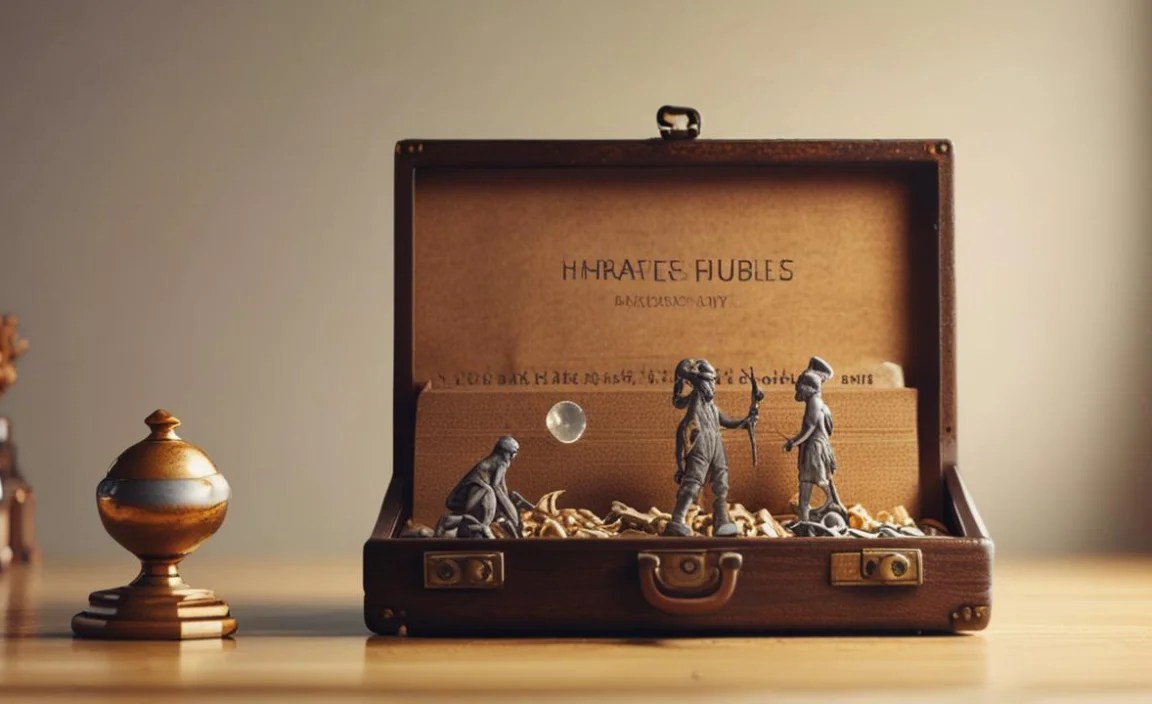
Turning a riddles indoor treasure hunt into a team effort adds to the fun. It teaches kids how to work together. Divide the kids into teams. Each team works to solve the riddles. They help each other find the clues. This encourages communication and cooperation. It also makes the game more challenging. Teams can compete against each other. The first team to find the treasure wins. Or, you can make it a collaborative effort. All the teams work together to find the treasure. This teaches them to support each other. It also creates a sense of community. Make sure the teams are fair. Try to balance the ages and abilities of the kids. This gives each team a chance to win. You can also give each team a different role. One team can be in charge of solving the riddles. Another team can be in charge of finding the hiding spots. This makes everyone feel involved. A team treasure hunt is a great way to build teamwork skills.
- Divide kids into teams.
- Encourage communication and cooperation.
- Balance team abilities.
- Assign different roles to teams.
- Make it competitive or collaborative.
- Offer team-building challenges.
When organizing a team treasure hunt, think about the dynamics of the group. Do the kids know each other well? If not, you might want to start with a team-building activity. This helps them to get to know each other. It also helps them to learn how to work together. You can also set some ground rules for the teams. This helps to prevent arguments and disagreements. For example, you could say that everyone has to listen to each other. Or, you could say that no one is allowed to grab clues from other teams. The goal is to create a positive and supportive environment. A team treasure hunt should be fun for everyone. It should also be a learning experience. By teaching kids how to work together, you are helping them to develop important life skills. These skills will benefit them in school, at home, and in their future careers.
Dividing Kids into Fair Teams
Dividing kids into fair teams is crucial. It ensures everyone has a good time. Consider age and skill levels. Mix older and younger kids. Balance those who are good at riddles. Also balance those who are good at searching. Let kids choose their own teams. This can increase enthusiasm. But, make sure teams are still balanced. Use a random method for team selection. Draw names from a hat. This prevents hurt feelings. Rotate team members each round. This gives everyone a chance to work together. Fair teams promote teamwork and sportsmanship. They make the treasure hunt more enjoyable. Focus on fun, not just winning. The goal is for everyone to participate. Fair teams make the game more inclusive.
Team-Building Challenges and Activities
Add team-building challenges to your treasure hunt. This encourages cooperation and communication. Include puzzles that require teamwork. Jigsaw puzzles, word puzzles, and logic puzzles work well. Create obstacles that teams must overcome together. Teams must carry each other across a room. Teams must build a tower using limited materials. Design riddles that require different skills. One riddle might test math skills. Another might test vocabulary. Offer bonus points for teamwork. Reward teams that help each other. Recognize teams that show good sportsmanship. Team-building challenges make the treasure hunt more engaging. They help kids develop important social skills. They create a sense of camaraderie. The focus is on working together, not just winning.
Making it Collaborative, Not Just Competitive
Turn a competitive treasure hunt into a collaborative one. This emphasizes teamwork and cooperation. Instead of competing, teams work together. They combine their clues to find the treasure. Create a shared goal for all teams. All teams must solve a final riddle together. Award a group prize to all participants. This encourages a sense of shared accomplishment. Design riddles that require multiple perspectives. Each team has a piece of the puzzle. Encourage teams to share information. Make collaboration the key to success. A collaborative treasure hunt promotes positive relationships. It teaches kids the value of working together. It creates a supportive and inclusive environment. The focus is on shared success, not individual achievement. Collaboration makes the game more meaningful.
Fun Fact or Stat: Studies show that team-building activities improve communication skills by up to 50%!
Troubleshooting Your Treasure Hunt
Even with careful planning, things can go wrong during a riddles indoor treasure hunt. A clue might be too hard. A hiding spot might be too easy. A kid might get frustrated. It is important to be prepared to troubleshoot. Have some extra clues on hand. If a team is stuck, give them a hint. If a hiding spot is too easy, move the clue to a harder spot. If a kid is getting frustrated, take a break. Offer encouragement and support. Remind them that the goal is to have fun. You can also adjust the rules of the game. If the treasure hunt is taking too long, shorten the route. If the treasure hunt is too easy, add more challenges. The most important thing is to be flexible. Be willing to adapt to the situation. The goal is to make sure that everyone has a good time. A little troubleshooting can go a long way.
- Have extra clues ready.
- Be prepared to give hints.
- Adjust hiding spots as needed.
- Offer encouragement and support.
- Be flexible with the rules.
- Take breaks if needed.
When troubleshooting, try to stay calm. Don’t get stressed out. Remember that it is just a game. The kids are not expecting perfection. They are just expecting to have fun. If something goes wrong, don’t panic. Take a deep breath. Assess the situation. Then, come up with a solution. You can also ask the kids for help. They might have some good ideas. Involving them in the troubleshooting process can make them feel more empowered. It can also teach them problem-solving skills. Remember that troubleshooting is a normal part of any activity. It is not a sign of failure. It is an opportunity to learn and grow. By being prepared to troubleshoot, you can make sure that your treasure hunt is a success. Even if things don’t go exactly as planned, everyone can still have a good time.
Clues That Are Too Hard
Sometimes, clues are too hard for the kids to solve. This can lead to frustration and boredom. If you notice that a team is stuck, offer a hint. Give them a small piece of information. This can help them to get back on track. You can also reword the clue. Make it simpler and easier to understand. You can also give them the answer to the clue. But, only do this as a last resort. You want the kids to feel like they are solving the riddles themselves. If you are not sure if a clue is too hard, test it out beforehand. Ask a friend or family member to try to solve it. This can help you to identify any problems. Remember that the goal is to challenge the kids. But, you don’t want to make it impossible for them to succeed. A little bit of help can go a long way.
Hiding Spots That Are Too Easy
On the other hand, hiding spots can be too easy to find. This can make the treasure hunt too short and boring. If you notice that the kids are finding the clues too quickly, move them to harder spots. Think about places that they might not normally look. You can also add some distractions. Put some fake clues in easy spots. This will throw them off the trail. You can also make the clues harder to access. For example, you could put a clue inside a locked box. The kids will have to solve a puzzle to open the box. If you are not sure if a hiding spot is too easy, test it out beforehand. Hide a clue in the spot. Then, see how long it takes you to find it. This can help you to gauge the difficulty level. The goal is to make the treasure hunt challenging. But, you don’t want to make it impossible for the kids to find the clues.
Keeping Kids Engaged and Excited
Keeping kids engaged and excited is key to a successful treasure hunt. Use fun and creative riddles. Make the treasure something that they will really want. Add some surprises along the way. This can be anything from a small treat to a silly challenge. Play some music to create a fun atmosphere. Encourage the kids to cheer each other on. Take breaks to keep them from getting tired. Offer encouragement and support. Remind them that the goal is to have fun. Be enthusiastic and energetic. Your attitude will affect the kids. If you are having fun, they will be more likely to have fun too. Remember that the treasure hunt is all about the experience. It is not just about finding the treasure. It is about having fun, working together, and creating memories. With a little effort, you can make your treasure hunt an unforgettable experience.
Fun Fact or Stat: Studies show that kids learn better when they are having fun! A treasure hunt can be a great way to learn while playing.
Summary
A riddles indoor treasure hunt is a fantastic way to entertain kids. It combines the thrill of a treasure hunt with the challenge of solving riddles. Planning is essential. Choose a fun theme. Craft clever riddles. Select safe and creative hiding spots. The treasure should be exciting and age-appropriate. Teamwork can enhance the experience. It teaches kids valuable communication and cooperation skills. Be prepared to troubleshoot. This ensures that everyone has a good time. Remember, the goal is to create a memorable and enjoyable experience for everyone involved.
Conclusion
Creating a riddles indoor treasure hunt is easier than you think. With a little planning and creativity, you can transform your home into an exciting adventure. Kids will love solving the riddles and finding the hidden treasure. It’s a great way to keep them entertained and engaged. So, gather your supplies and start planning your own treasure hunt today. You’ll be amazed at how much fun everyone has.
Frequently Asked Questions
Question No 1: What age group is a riddles indoor treasure hunt best for?
Answer: A riddles indoor treasure hunt can be adapted for various age groups. For younger children (ages 4-7), keep the riddles simple and the hiding spots easy to reach. Use picture clues instead of written riddles. For older children (ages 8-12), you can make the riddles more challenging and the hiding spots more difficult. Wordplay, puzzles, and more complex clues work well for this age group. Consider the interests and abilities of the children involved when planning your treasure hunt. The key is to create a fun and engaging experience for everyone.
Question No 2: How long should a riddles indoor treasure hunt last?
Answer: The length of a riddles indoor treasure hunt depends on the age of the kids and the complexity of the riddles. For younger children, aim for a shorter treasure hunt (30-45 minutes). This keeps them engaged without getting bored. For older children, you can plan a longer treasure hunt (60-90 minutes). This gives them more time to solve the riddles and find the treasure. Consider the attention spans of the kids involved. Adjust the length of the treasure hunt accordingly. It’s better to end the treasure hunt while the kids are still having fun than to drag it out too long.
Question No 3: What are some good themes for a riddles indoor treasure hunt?
Answer: There are many fun themes to choose from for a riddles indoor treasure hunt. Pirates are a classic theme. Use pirate-themed riddles and clues. Hide the treasure in a treasure chest. Superheroes are another popular choice. Use superhero-themed riddles and clues. The treasure could be superhero masks or capes. Detectives are a fun theme for older kids. Use detective-themed riddles and clues. The treasure could be a magnifying glass or a detective notebook. Choose a theme that the kids will enjoy. This will make the treasure hunt more engaging and memorable.
Question No 4: What if the kids get stuck on a riddle?
Answer: It’s important to be prepared to help the kids if they get stuck on a riddle during the riddles indoor treasure hunt. Offer hints to guide them in the right direction. Break the riddle down into smaller parts. Explain the meaning of any difficult words. If they are still struggling, give them the answer. Then, explain how the answer relates to the hiding spot. The goal is to keep the kids engaged and motivated. Don’t let them get too frustrated. A little bit of help can go a long way. Remember, the point is to have fun!
Question No 5: How can I make the treasure hunt more challenging?
Answer: There are several ways to make a riddles indoor treasure hunt more challenging. Use more complex riddles that require critical thinking skills. Create more difficult hiding spots that are harder to find. Add obstacles or challenges along the way. The kids might have to complete a task before they can get the next clue. Use codes or ciphers to encrypt the riddles. The kids will have to decode the riddles before they can solve them. Make sure the challenges are age-appropriate. You want to challenge the kids, but you don’t want to frustrate them. The goal is to make the treasure hunt fun and engaging, even if it’s challenging.
Question No 6: What are some tips for hiding the treasure?
Answer: When hiding the treasure, think about the theme of your riddles indoor treasure hunt. If it’s a pirate theme, hide the treasure in a “treasure chest.” This could be a small box decorated with pirate symbols. If it’s a detective theme, hide the treasure in a “secret hiding place.” This could be behind a bookshelf or under a piece of furniture. Make sure the hiding spot is safe and accessible. The kids should be able to reach the treasure without getting hurt. Wrap the treasure in colorful paper or put it in a special container. This makes it more exciting to find. The presentation of the treasure is just as important as the treasure itself.
