Have you ever wondered how plants get their food? It’s not like they go to the store. Plants need minerals to grow big and strong. What if I told you there’s a secret ingredient? This secret is rock dust for gardens. It helps plants get the nutrients they need.
Imagine a farmer using rock dust for gardens. His crops grow taller and healthier than ever. It’s like giving your plants a vitamin boost. Let’s find out more about this amazing stuff.
Key Takeaways
- Rock dust for gardens adds vital minerals to your soil.
- It improves plant health and makes them stronger.
- Using rock dust can boost the size of your harvest.
- It’s a natural way to fertilize your plants.
- Rock dust helps the soil hold more water.
What is Rock Dust for Gardens?

Rock dust for gardens is like a multivitamin for your soil. It is made from crushed rocks. These rocks contain many minerals. Plants need these minerals to grow healthy. The minerals include calcium, iron, and magnesium. These are all important for plant growth. Rock dust is a natural way to add these minerals back into the soil. Over time, soil can lose its nutrients. This happens when plants use them up. Rain can also wash away the minerals. Adding rock dust helps to replace what is lost. It is a simple way to make your garden thrive. Many gardeners use rock dust to improve their plants. It’s an easy way to give your plants a boost.
- Rock dust adds minerals to the soil.
- It helps plants grow strong roots.
- It improves the overall health of plants.
- Rock dust is a natural fertilizer.
- It can help plants resist diseases.
- It helps the soil hold water better.
Think of rock dust as a slow-release fertilizer. It doesn’t just give plants a quick boost. It slowly releases minerals over time. This means your plants get a steady supply of nutrients. It also helps to improve the soil structure. Good soil structure means better drainage. It also means more air for the roots. This is important for healthy plant growth. Using rock dust is a great way to improve your garden. It is a natural and effective way to feed your plants. You can find rock dust at most garden supply stores. It is easy to use and can make a big difference.
Fun Fact or Stat: Some studies show that using rock dust can increase crop yields by up to 20%!
Where Does Rock Dust Come From?
Have you ever wondered where rock dust comes from? It starts as big rocks. These rocks are often volcanic rocks. They are full of different minerals. The rocks are crushed into a fine powder. This powder is what we call rock dust. The crushing process is important. It makes the minerals easier for plants to use. Different types of rocks make different types of rock dust. Each type has its own unique blend of minerals. Some rock dust comes from granite. Other types come from basalt. The source of the rock affects the nutrients in the dust. Gardeners can choose the rock dust that is best for their plants. It is important to know what minerals your soil needs. Then you can pick the right type of rock dust.
Why is Rock Dust Good for Plants?
Why is rock dust so good for plants? It’s because of the minerals. Plants need minerals just like we need vitamins. These minerals help plants grow strong. They also help plants fight off diseases. Rock dust contains many essential minerals. These include calcium, iron, and potassium. Calcium helps build strong cell walls. Iron is important for making chlorophyll. Chlorophyll helps plants make food. Potassium helps with overall plant health. When plants have enough minerals, they grow better. They produce more fruits and vegetables. Using rock dust is like giving your plants a super boost. It helps them reach their full potential. This means healthier and happier plants.
How Does Rock Dust Improve Soil?
Rock dust doesn’t just feed plants. It also improves the soil. It helps the soil hold more water. This is important during dry spells. The minerals in rock dust also help to break up clay soil. This makes it easier for roots to grow. It also improves drainage in sandy soil. The minerals help the soil hold onto nutrients. This prevents them from washing away. Rock dust can also help to balance the pH of the soil. This is important for plants to absorb nutrients. Healthy soil is the foundation for healthy plants. Rock dust helps to create a healthy soil environment. This leads to stronger and more productive plants. It’s a win-win for your garden.
Fun Fact or Stat: Rock dust can help increase the earthworm population in your garden, which further improves soil health!
Benefits of Using Rock Dust for Gardens

Using rock dust for gardens has many benefits. One of the biggest benefits is healthier plants. Plants that get enough minerals are stronger. They are also more resistant to diseases. Rock dust can also improve the taste of fruits and vegetables. Some gardeners say their tomatoes taste sweeter. Others say their lettuce is more flavorful. It can also help plants produce more flowers and fruits. This means a bigger harvest for you. Rock dust is a natural and sustainable way to improve your garden. It doesn’t contain any harmful chemicals. It is safe for your plants, your family, and the environment. Using rock dust is a simple way to make your garden thrive.
- Healthier, stronger plants.
- Improved taste of fruits and vegetables.
- Increased flower and fruit production.
- Natural and sustainable fertilizer.
- Safe for plants, family, and environment.
- Improves soil structure and water retention.
Another great thing about rock dust is that it is long-lasting. Unlike chemical fertilizers, it doesn’t wash away quickly. It slowly releases minerals over time. This means you don’t have to apply it as often. This can save you time and money. Rock dust is also a great way to improve the soil’s ability to hold water. This is especially important in dry climates. It helps plants stay hydrated during hot weather. By using rock dust, you are not only feeding your plants. You are also improving the overall health of your soil. This will benefit your garden for years to come. It is a simple and effective way to create a thriving garden.
Fun Fact or Stat: Rock dust can help reduce the need for pesticides because healthier plants are naturally more resistant to pests!
What Types of Plants Benefit Most?
Do you know which plants love rock dust the most? Many plants enjoy the benefits of added minerals. Vegetables like tomatoes and peppers thrive with rock dust. It helps them produce bigger and tastier fruits. Fruit trees also benefit from rock dust. It can improve the size and quality of the fruit. Flowers love rock dust too. It helps them produce more blooms. It also makes the colors more vibrant. Even lawns can benefit from rock dust. It can make the grass greener and stronger. Almost any plant can benefit from the added minerals. It’s like giving them a healthy boost.
How Does Rock Dust Compare to Fertilizers?
How does rock dust compare to regular fertilizers? Regular fertilizers often give plants a quick boost. They contain high levels of nitrogen, phosphorus, and potassium. These are important nutrients for plant growth. However, these fertilizers can sometimes be too strong. They can burn the plants if you use too much. Rock dust, on the other hand, is a slow-release fertilizer. It provides a steady supply of minerals over time. It is less likely to burn plants. Rock dust also contains a wider range of minerals. This can be beneficial for overall plant health. It is a more natural and sustainable option than chemical fertilizers.
Can Rock Dust Help With Soil pH?
Did you know rock dust can help with soil pH? Soil pH is a measure of how acidic or alkaline the soil is. Most plants prefer a slightly acidic to neutral pH. If the soil is too acidic or too alkaline, plants can’t absorb nutrients properly. Rock dust can help to balance the pH. It can raise the pH of acidic soils. It can also help to lower the pH of alkaline soils. This creates a better environment for plants to grow. By balancing the pH, rock dust helps plants get the nutrients they need. This leads to healthier and more productive plants. It’s a simple way to improve your garden’s overall health.
Fun Fact or Stat: Adding rock dust to compost can enrich the compost with minerals, making it even more beneficial for your garden!
How to Use Rock Dust for Gardens

Using rock dust for gardens is easy. You can sprinkle it around the base of your plants. Gently mix it into the soil. You can also add it to your compost pile. This will enrich the compost with minerals. When planting new plants, add some rock dust to the planting hole. This will give the plants a good start. You can also use it as a soil amendment. Mix it into the soil before planting. The amount of rock dust you need depends on your soil. It also depends on the type of plants you are growing. A general guideline is to use about one to two pounds per 100 square feet. Always follow the instructions on the package.
- Sprinkle around the base of plants.
- Mix into the soil gently.
- Add to your compost pile.
- Mix with potting soil for containers.
- Use when planting new plants.
- Follow package instructions.
It is best to apply rock dust in the spring or fall. This gives it time to break down before the growing season. You can also apply it at any time during the growing season. Just be careful not to over-apply. Too much rock dust can harm your plants. When applying, wear gloves and a mask. This will protect you from inhaling the dust. Water the area after applying. This helps the rock dust to settle into the soil. Using rock dust is a simple way to improve your garden. It is a natural and effective way to feed your plants. With a little effort, you can have a thriving garden.
Fun Fact or Stat: Rock dust can be used in hydroponic systems to provide essential minerals for plants grown without soil!
What is the Best Time to Apply Rock Dust?
When is the best time to use rock dust? Many gardeners like to apply it in the spring. This gives the minerals time to break down before the growing season starts. You can also apply it in the fall. This helps to replenish the soil after the harvest. Some gardeners even apply it throughout the growing season. It depends on the needs of your plants. If you notice your plants are looking weak, a little rock dust can help. Just be sure to follow the instructions on the package. The timing of application can make a big difference. It helps your plants get the most benefit from the minerals.
How Much Rock Dust Should I Use?
How much rock dust should you use in your garden? It depends on several things. The type of soil you have matters. Sandy soils may need more rock dust than clay soils. The type of plants you are growing also matters. Some plants need more minerals than others. A general rule is to use one to two pounds per 100 square feet. For individual plants, use a few tablespoons per plant. Always follow the instructions on the package. It’s better to use too little than too much. You can always add more later if needed. Using the right amount of rock dust is important for healthy plants.
Can I Use Rock Dust in Pots and Containers?
Can you use rock dust in pots and containers? Yes, you can! It’s a great way to add minerals to your potting mix. Mix a small amount of rock dust into the potting soil before planting. This will give your plants a boost of nutrients. You can also sprinkle some around the base of the plants. Gently mix it into the top layer of soil. Be careful not to use too much. Plants in containers can be more sensitive to over-fertilization. Using rock dust in pots and containers can help your plants thrive. It’s a simple way to ensure they get the minerals they need.
Fun Fact or Stat: Farmers have used rock dust for centuries to improve soil fertility, but its benefits are now being rediscovered by modern gardeners!
Different Types of Rock Dust for Gardens

There are different types of rock dust for gardens. Each type has its own unique blend of minerals. One common type is basalt rock dust. Basalt is a volcanic rock. It is rich in iron, magnesium, and calcium. Granite rock dust is another option. Granite contains potassium and silica. Glacial rock dust is also popular. It is made from rocks ground by glaciers. This type is rich in a wide range of minerals. The best type of rock dust depends on your soil. It also depends on the needs of your plants. Researching the different types can help you choose the right one. This will ensure your plants get the nutrients they need.
- Basalt rock dust is rich in iron.
- Granite rock dust contains potassium.
- Glacial rock dust has a wide range of minerals.
- Each type has a unique mineral blend.
- Choose the right type for your soil.
- Consider the needs of your plants.
When choosing rock dust, consider your soil’s pH. Some types of rock dust can affect the pH. Basalt rock dust can help to raise the pH of acidic soils. Granite rock dust is more neutral. It won’t significantly change the pH. It is important to test your soil before adding rock dust. This will help you determine which type is best. You can buy a soil testing kit at most garden supply stores. This will help you understand your soil’s needs. Choosing the right rock dust can make a big difference in your garden. It’s a simple way to improve your soil’s health and fertility.
Fun Fact or Stat: Some rock dusts contain trace elements like selenium, which can improve the nutritional content of your vegetables!
Basalt Rock Dust
What is basalt rock dust? Basalt is a dark-colored volcanic rock. It is formed from cooled lava. This type of rock dust is rich in iron and magnesium. It also contains calcium and other essential minerals. Basalt rock dust is often used to improve soil fertility. It can help to raise the pH of acidic soils. This makes it easier for plants to absorb nutrients. It is a popular choice for gardeners. It helps them grow healthy and productive plants. Basalt rock dust is a natural and effective way to improve your garden.
Granite Rock Dust
What about granite rock dust? Granite is a light-colored igneous rock. It is made up of different minerals. These include quartz, feldspar, and mica. Granite rock dust contains potassium and silica. It can help to improve soil structure. It also helps to retain moisture. Granite rock dust is a good choice for sandy soils. It helps them hold onto water and nutrients. It is also a good option for plants that need potassium. This type of rock dust is a natural way to improve your garden.
Glacial Rock Dust
Have you heard of glacial rock dust? Glaciers are giant rivers of ice. As they move, they grind rocks into a fine powder. This powder is called glacial rock dust. It is rich in a wide range of minerals. These minerals are essential for plant growth. Glacial rock dust is a natural and sustainable way to improve your soil. It is a popular choice for organic gardeners. It can help to improve soil fertility. It also helps to increase crop yields. Glacial rock dust is a valuable addition to any garden.
Fun Fact or Stat: Glacial rock dust is sometimes called “stone meal” because it provides a nutritious meal for your plants!
Comparing Rock Dust Types
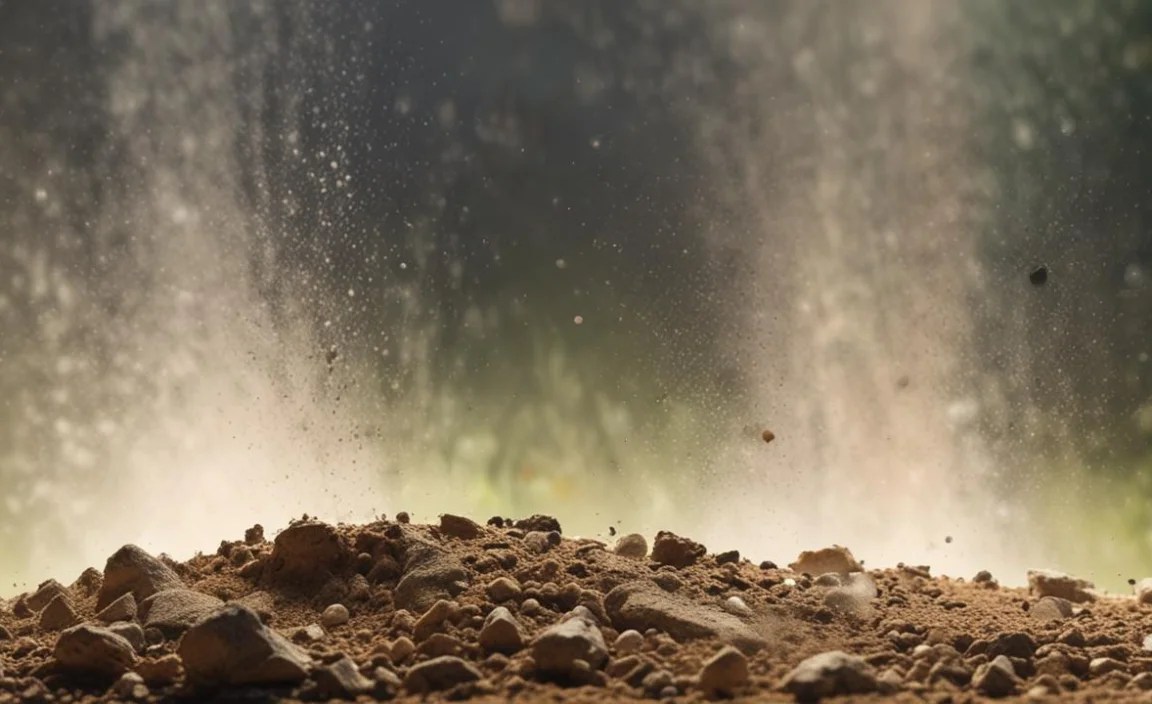
It can be hard to choose the right rock dust for gardens. Different types have different benefits. Basalt is good for iron. Granite is good for potassium. Glacial dust has many minerals. Think about your soil. What does it need? Test your soil if you can. This helps you pick the best dust. All types add good things to the soil. They help plants grow strong. Picking the right one makes it even better.
| Rock Dust Type | Key Minerals | Benefits | Best For |
|---|---|---|---|
| Basalt | Iron, Magnesium, Calcium | Raises pH, improves soil fertility | Acidic soils |
| Granite | Potassium, Silica | Improves soil structure, retains moisture | Sandy soils |
| Glacial | Wide range of minerals | Increases crop yields, sustainable | Organic gardens |
| Azomite | Trace Minerals | Enhances flavor, boosts plant health | All soil types |
- Basalt helps with iron.
- Granite helps with potassium.
- Glacial dust has many minerals.
- Test soil to know what it needs.
- Pick dust for what your soil lacks.
- All help plants grow strong.
Think about what you want to grow. Some plants need more of certain things. Tomatoes love calcium. Leafy greens love nitrogen. Rock dust helps with all of it. It’s not just one thing. It’s many minerals together. This makes plants healthy and strong. They can fight off problems better. Rock dust is a good choice for any garden. It helps your plants do their best. It is a simple way to make things better.
Fun Fact or Stat: Some gardeners mix different types of rock dust to create a custom blend that meets the specific needs of their garden!
Cost Comparison of Rock Dust Types
How much does rock dust cost? The price changes based on the type. Basalt is often cheaper. Granite can cost a bit more. Glacial dust might be more again. Think about the size of your garden. A small garden needs less dust. A big garden needs more. It’s worth it to spend a little more. Good rock dust makes plants grow better. They are healthier and stronger. This means more fruits and veggies. It saves money in the long run.
Environmental Impact of Mining Rock Dust
Where does rock dust come from? It comes from rocks. Mining the rocks can impact the earth. It’s important to choose wisely. Look for rock dust from good companies. They should care about the earth. Some use sustainable methods. This means they try to protect the environment. Choosing these companies helps. It means you are helping the earth. Your garden can be good for the planet. Rock dust helps plants and the earth too.
Availability of Different Rock Dust Types
Can you find rock dust easily? Some types are easier to find. Basalt is often at garden stores. Granite might be harder to find. Glacial dust might need ordering online. Check local stores first. They can help you choose. They know what works in your area. Online stores have more choices. But you can’t see the dust first. Think about what you need. Then look for the right type. Rock dust is worth the effort. It makes your garden better.
Fun Fact or Stat: Using rock dust can help sequester carbon in the soil, contributing to climate change mitigation!
Summary
Rock dust for gardens is a great way to add minerals to your soil. It helps plants grow stronger and healthier. There are different types of rock dust. Each type has its own benefits. Basalt is good for iron. Granite is good for potassium. Glacial dust has many minerals. You can use rock dust in your garden by sprinkling it around plants. You can also mix it into the soil. It is a natural and sustainable way to improve your garden. It helps your plants get the nutrients they need to thrive.
Remember to choose the right type of rock dust for your soil. Test your soil to see what it needs. Then, pick the dust that matches those needs. This will help your plants grow their best. Using rock dust is a simple way to make your garden better. It’s like giving your plants a multivitamin. They will thank you with bigger, tastier fruits and vegetables. Plus, you’ll be helping the environment by using a natural fertilizer.
Conclusion
Rock dust for gardens is a wonderful way to boost your plants. It adds important minerals to the soil. This helps plants grow strong. They become more resistant to diseases. You can improve your harvest with rock dust. It’s a natural way to fertilize. Try using rock dust and watch your garden thrive. Your plants will be healthier and happier.
Frequently Asked Questions
Question No 1: What exactly is rock dust?
Answer: Rock dust is a fine powder made from crushed rocks. These rocks contain many minerals that plants need to grow. It’s like giving your plants a vitamin pill. These minerals include things like calcium, iron, and potassium. Plants use these minerals to build strong cells. They also use them to make food. Rock dust helps to replenish these minerals in the soil. Over time, soil can lose its nutrients. Adding rock dust helps to bring them back. It’s a simple way to make your garden healthier.
Question No 2: How does rock dust help my garden?
Answer: Rock dust helps your garden in many ways. First, it adds essential minerals to the soil. These minerals help plants grow strong and healthy. Second, it improves the soil’s ability to hold water. This is important during dry spells. Third, it can help to balance the pH of the soil. This makes it easier for plants to absorb nutrients. Fourth, it’s a natural and sustainable fertilizer. It doesn’t contain harmful chemicals. Using rock dust is like giving your plants a super boost. It helps them reach their full potential.
Question No 3: What types of plants benefit most from rock dust?
Answer: Many plants benefit from rock dust. Vegetables like tomatoes, peppers, and cucumbers love it. It helps them produce bigger and tastier fruits. Fruit trees also benefit. They can produce more fruit and healthier leaves. Flowers bloom brighter and longer when they get enough minerals. Even lawns can benefit. The grass becomes greener and stronger. Almost any plant can benefit from the added minerals. It’s a simple way to give them a boost.
Question No 4: How do I apply rock dust to my garden?
Answer: Applying rock dust is easy. You can sprinkle it around the base of your plants. Gently mix it into the soil. You can also add it to your compost pile. This will enrich the compost with minerals. When planting new plants, add some rock dust to the planting hole. This will give the plants a good start. The amount of rock dust you need depends on your soil and plants. A general guideline is one to two pounds per 100 square feet. Always follow the instructions on the package.
Question No 5: Is rock dust better than regular fertilizer?
Answer: Rock dust and regular fertilizers are different. Regular fertilizers often give plants a quick boost. They contain high levels of nitrogen, phosphorus, and potassium. Rock dust is a slow-release fertilizer. It provides a steady supply of minerals over time. It’s less likely to burn plants. Rock dust also contains a wider range of minerals. This can be beneficial for overall plant health. It is a more natural and sustainable option. It helps plants get a balanced diet.
Question No 6: Where can I buy rock dust for my garden?
Answer: You can buy rock dust for gardens at most garden supply stores. You can also find it online. Look for reputable brands. Read the labels carefully. Make sure the rock dust is suitable for your plants. Consider the type of soil you have. Choose a rock dust that will address its specific needs. Buying from a trusted source ensures you get a quality product. This will help your garden thrive.
