Did you ever see a plant look sad? Its leaves might droop. The stem could turn brown. Sometimes, this is because of root rot. This is a bad disease that hurts plants. But we can learn about root rot prevention. It’s like being a plant doctor!
Root rot happens when roots sit in too much water. Then, bad stuff called fungus grows. It attacks the roots and makes the plant sick. Learning about root rot prevention helps us keep our plants healthy. We can all be good plant caretakers.
Key Takeaways
- Proper watering is essential for root rot prevention in plants.
- Good soil drainage helps prevent water from sitting around the roots.
- Fungicides can treat root rot, but prevention is better.
- Always use clean tools when you are working with your plants.
- Look for signs of root rot early to save your plants.
Understanding Root Rot Prevention
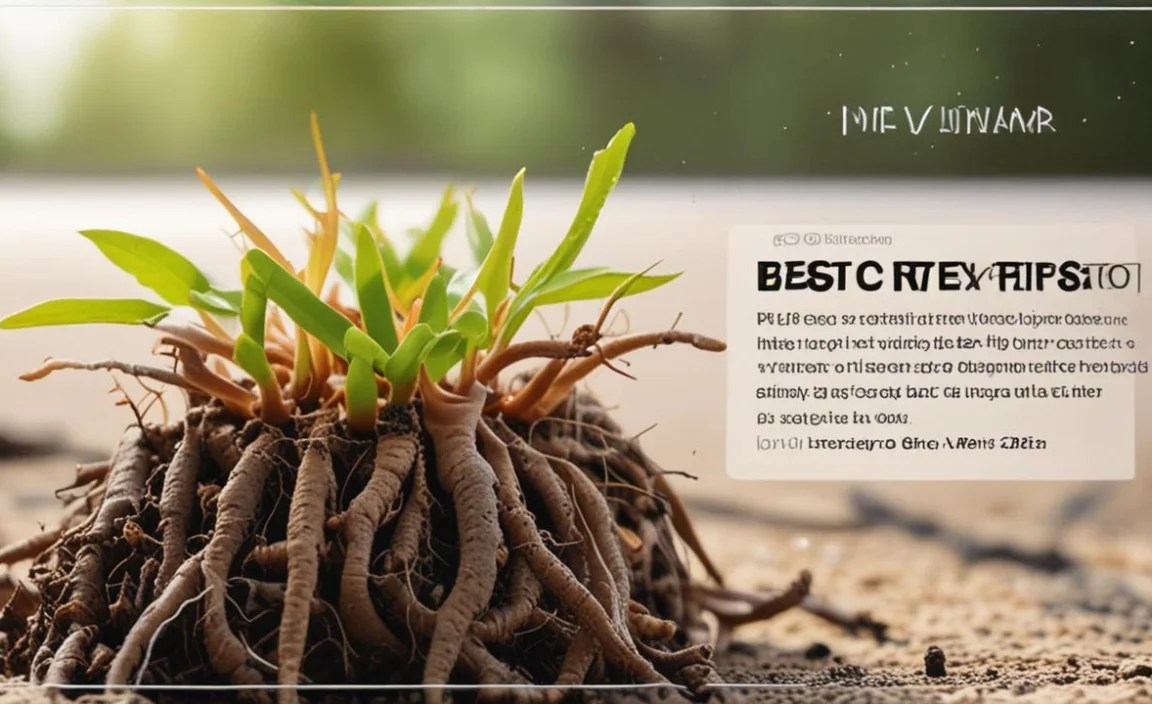
Root rot is a plant disease that can be very harmful. It happens when the roots of a plant start to decay. This usually happens because the roots are sitting in too much water. When the soil is too wet, the roots can’t get enough air. This makes them weak and allows fungus to attack. The fungus spreads and causes the roots to rot.
Root rot can affect many different types of plants. It can hurt your favorite flowers or even big trees. It is important to know how to stop root rot before it starts. Good root rot prevention can save your plants. This means making sure your plants have good soil and aren’t overwatered.
When you understand root rot prevention, you are helping your plants stay healthy. Healthy roots mean a happy plant. Happy plants make our world more beautiful!
- Use pots with drainage holes.
- Choose the right type of soil.
- Water your plants only when needed.
- Check the soil before watering again.
- Make sure plants get enough sunlight.
Knowing how to prevent root rot is like being a plant detective. You look for clues and solve the mystery of keeping your plants healthy. One important clue is the soil. Good soil lets water drain away from the roots. Another clue is how much you water. Too much water is a big problem for plants. By paying attention and using these clues, you can keep your plants safe from root rot.
Fun Fact or Stat: Did you know that root rot can spread from one plant to another if they share the same water or soil? That’s why it’s important to keep sick plants away from healthy ones!
Why Does Root Rot Happen?
Have you ever left a sponge in water for too long? It starts to smell bad and get slimy. Something similar happens to plant roots when they are in wet soil all the time. The water pushes out the air, and the roots can’t breathe. Without air, the roots become weak. Then, bad fungus can easily attack them. This is how root rot starts.
Different types of fungus can cause root rot. These fungus like wet and dark places. They eat away at the roots, making them rot. This stops the plant from getting water and food. That’s why the plant starts to look sick. Root rot can be a big problem. However, you can prevent it by controlling the amount of water your plants get.
What Plants Are At Risk?
Imagine you have a favorite plant. You want to make sure it stays healthy. Some plants are more likely to get root rot than others. Plants that like dry soil are at a higher risk. For example, succulents and cacti don’t need a lot of water. If you give them too much, they can easily get root rot.
Other plants that are often overwatered are also at risk. This includes many indoor plants. It’s important to know what kind of plant you have. Find out how much water it needs. This will help you avoid root rot. Remember, knowing your plant is the first step in root rot prevention.
How Does Soil Affect Root Rot?
Have you ever built a sandcastle on the beach? If the sand is too wet, the castle falls apart. The same thing can happen to plants if the soil is too wet. Soil that holds too much water can cause root rot. Good soil should let extra water drain away. This keeps the roots from sitting in water.
Some types of soil are better than others. Sandy soil drains quickly. Clay soil holds more water. It is important to use the right soil for your plants. You can also add things like perlite or peat moss to help with drainage. This will help prevent root rot. Good soil is key to healthy plants.
Best Soil for Root Rot Prevention

Choosing the right soil is a very important part of root rot prevention. The soil needs to let extra water drain away quickly. This stops the roots from getting too wet. Some soils hold more water than others. Clay soil, for example, holds a lot of water. Sandy soil drains much faster.
The best soil for root rot prevention is a mix that drains well. You can buy special potting mixes. These mixes often have things like perlite or vermiculite in them. These help to create air pockets in the soil. Air pockets let the roots breathe. You can also make your own mix by adding sand or gravel to regular soil. Always make sure the soil is right for the type of plant you are growing.
Different plants need different types of soil. Some plants like soil that is a bit acidic. Others prefer soil that is more alkaline. Knowing what your plant needs will help you choose the right soil. The right soil is your plant’s first defense against root rot.
- Use well-draining potting mix.
- Add perlite or vermiculite to the soil.
- Avoid heavy clay soils.
- Consider raised beds for better drainage.
- Test your soil’s pH level.
- Amend soil with compost for nutrients.
To help your plants even more, you can use raised beds or containers. Raised beds lift the plants up off the ground. This helps the water drain away. Containers should have holes in the bottom. These holes let the water escape. By choosing the right soil and using good containers, you can make your plants very happy. They will grow strong and healthy, and root rot will stay away.
Fun Fact or Stat: Did you know that adding coffee grounds to your soil can help improve drainage and add nutrients? But be careful, some plants don’t like coffee grounds!
What is Potting Mix?
Potting mix is a special type of soil made for growing plants in pots. It is different from the soil you find in your backyard. Potting mix is designed to drain well and provide the right nutrients for your plants. It usually contains things like peat moss, perlite, and vermiculite. These ingredients help to create air pockets in the soil. Air pockets let the roots breathe and prevent root rot.
When you buy potting mix, look for one that is specifically made for containers. These mixes are designed to hold the right amount of water. They also provide good support for the plant’s roots. Using the right potting mix is a simple way to help your plants thrive. It can make a big difference in their health and growth.
How Does Soil pH Affect Plants?
Soil pH is a measure of how acidic or alkaline the soil is. Most plants prefer a pH level between 6.0 and 7.0. Some plants, like blueberries, like more acidic soil. Others, like lavender, like more alkaline soil. You can test your soil’s pH using a simple kit. If the pH is too high or too low, you can add things to the soil to adjust it.
For example, you can add lime to raise the pH and make the soil more alkaline. You can add sulfur to lower the pH and make the soil more acidic. Knowing your soil’s pH and adjusting it as needed can help your plants grow better. It can also help prevent problems like root rot. Healthy soil leads to healthy plants.
What Are Soil Amendments?
Soil amendments are things you add to the soil to improve its quality. They can help with drainage, nutrients, and pH levels. Common soil amendments include compost, manure, and peat moss. Compost is made from decayed plants and food scraps. It adds nutrients to the soil and helps it hold water. Manure is animal waste that also adds nutrients. Peat moss helps to improve drainage and aeration.
Adding soil amendments to your garden can make a big difference in the health of your plants. It can help them grow stronger and resist diseases like root rot. Before adding any amendments, it’s a good idea to test your soil. This will help you know what your soil needs. Remember, healthy soil is the foundation for healthy plants.
Watering Techniques for Root Rot Prevention

Watering is very important for plants. But too much water can cause root rot. The right watering techniques are key to root rot prevention. It is important to know how much water your plants need. Different plants have different watering needs. Some plants like to be kept moist. Others prefer to dry out between waterings.
One good way to check if your plant needs water is to stick your finger in the soil. If the top inch of soil is dry, it is probably time to water. When you do water, water deeply. This means giving the plant enough water so that it drains out of the bottom of the pot. This helps to encourage the roots to grow deep. It is also important to water in the morning. This gives the leaves time to dry out during the day. Wet leaves can lead to other problems.
By following these watering tips, you can help prevent root rot. Remember, the goal is to give your plants the right amount of water. Not too much, and not too little. Just the right amount to keep them healthy and happy.
- Water deeply but infrequently.
- Check soil moisture before watering.
- Water in the morning.
- Avoid overhead watering.
- Use a watering can with a spout.
- Consider using a self-watering system.
Another helpful tool is a moisture meter. This tool tells you how wet the soil is. You can use it to check the soil moisture at different depths. This can help you know when to water. It can also help you avoid overwatering. Overwatering is one of the biggest causes of root rot. So, using a moisture meter can be a great way to prevent it.
Fun Fact or Stat: Some plants, like succulents, store water in their leaves and stems. They need very little watering and are great for people who sometimes forget to water their plants!
How Often Should You Water Plants?
How often you water your plants depends on many things. It depends on the type of plant, the size of the pot, and the weather. Plants in small pots will dry out faster than plants in large pots. Plants in hot, sunny weather will need more water than plants in cool, cloudy weather. A good rule of thumb is to check the soil moisture before watering.
If the top inch of soil is dry, it is probably time to water. If the soil is still moist, wait a day or two and check again. It is better to underwater than to overwater. Overwatering can lead to root rot. When you do water, water deeply. This means giving the plant enough water so that it drains out of the bottom of the pot.
What is Bottom Watering?
Bottom watering is a way to water plants from the bottom instead of the top. You set the pot in a dish of water and let the plant soak up the water through the drainage holes. This encourages the roots to grow down. It also helps to prevent the leaves from getting wet. Wet leaves can lead to other problems.
To bottom water, fill a dish with about an inch of water. Set the pot in the dish and let it sit for about 30 minutes. Then, remove the pot and let the excess water drain out. Bottom watering can be a good way to water plants that are prone to root rot. It helps to keep the soil evenly moist without overwatering.
How Does Humidity Affect Watering?
Humidity is the amount of moisture in the air. High humidity can make the soil stay wet longer. This means you won’t need to water as often. Low humidity can make the soil dry out faster. This means you will need to water more often. It is important to pay attention to the humidity when you are watering your plants.
You can use a humidity meter to measure the humidity in your home. If the humidity is high, you may want to wait a day or two before watering. If the humidity is low, you may need to water more often. Adjusting your watering schedule based on the humidity can help prevent root rot.
Recognizing Early Signs of Root Rot

It is very important to know the early signs of root rot. If you catch it early, you can often save your plant. The first sign of root rot is often yellowing leaves. The leaves may also start to droop. The plant may look like it is wilting, even though the soil is wet.
Another sign of root rot is a bad smell coming from the soil. This smell is caused by the rotting roots. You may also see dark or mushy spots on the roots. If you see these signs, it is important to take action right away. Remove the plant from the pot and inspect the roots. Cut away any rotten roots. Then, replant the plant in fresh, well-draining soil. You may also want to treat the plant with a fungicide.
By knowing the early signs of root rot, you can protect your plants. Regular check-ups will also help. Healthy plants are happy plants. They make your home or garden more beautiful.
- Yellowing leaves.
- Drooping or wilting.
- Slow or stunted growth.
- Foul odor from the soil.
- Mushy, brown roots.
Sometimes, root rot can be hard to spot at first. The signs may be subtle. That’s why it’s good to check your plants regularly. Look at the leaves. Feel the soil. If something seems wrong, don’t wait. Take a closer look. Early detection is the best way to beat root rot and keep your plants thriving.
Fun Fact or Stat: Some plants can recover from root rot if you catch it early enough. It’s like giving them a second chance to live and grow!
How Do Leaves Change Color?
When a plant has root rot, its leaves often change color. They may turn yellow or brown. This is because the roots can’t take up water and nutrients properly. The leaves are not getting what they need to stay green and healthy. The color change can start at the bottom of the plant and spread upwards. It can also affect the tips of the leaves.
If you notice your plant’s leaves changing color, it’s important to check the roots. Gently remove the plant from its pot and look at the roots. If they are dark and mushy, your plant probably has root rot. You will need to take action quickly to save the plant.
Why Does the Plant Wilt?
Wilting is another common sign of root rot. When a plant wilts, its leaves and stems droop. This happens because the plant is not getting enough water. Even though the soil may be wet, the damaged roots can’t absorb the water. The plant is basically starving for water, even when it’s surrounded by it.
Wilting can also be caused by other things, like underwatering or too much sun. However, if your plant is wilting and the soil is wet, root rot is a likely cause. Check the roots to confirm. Then, take steps to treat the root rot and revive your plant.
What Do Healthy Roots Look Like?
Knowing what healthy roots look like can help you spot root rot early. Healthy roots are usually white or light tan in color. They are firm and strong. They have a fresh, earthy smell. When you pull a healthy plant out of its pot, the roots should hold the soil together.
If the roots are dark, mushy, and smelly, they are probably rotting. They may also fall apart easily. If you see these signs, your plant has root rot. You need to act quickly to save it. Remove the rotten roots and replant the plant in fresh soil.
Using Fungicides for Root Rot Prevention

Fungicides are special chemicals that can kill fungus. They can be helpful for root rot prevention. However, it is important to use them carefully. Fungicides should be used as a last resort. It is always better to prevent root rot by using good watering and soil practices.
If you do need to use a fungicide, follow the instructions carefully. Wear gloves and eye protection. Apply the fungicide to the soil around the plant. You may also need to spray the leaves. Repeat the treatment as needed. Be careful not to use too much fungicide. It can harm the plant.
Fungicides can be a useful tool for root rot prevention. But they are not a replacement for good plant care. Always focus on providing your plants with the right amount of water and good soil. This will help them stay healthy and resist disease.
- Use as a last resort.
- Follow label instructions carefully.
- Apply to soil and leaves.
- Choose a fungicide specific to root rot.
- Consider organic options.
There are different types of fungicides. Some are organic, and some are synthetic. Organic fungicides are made from natural ingredients. They are often less harmful to the environment. Synthetic fungicides are made in a lab. They are often more powerful. Choose the right fungicide for your plant and your situation. Always use it safely and responsibly.
Fun Fact or Stat: Some plants have natural defenses against fungus. They produce their own chemicals to fight off disease. This is why some plants are more resistant to root rot than others!
What Are Systemic Fungicides?
Systemic fungicides are a type of fungicide that is absorbed by the plant. They travel through the plant’s system and protect it from the inside out. This can be helpful for treating root rot. Systemic fungicides can reach the roots even if they are deep in the soil. They can also protect the plant from new infections.
However, systemic fungicides can also be harmful to beneficial insects and other organisms. They should be used with caution. Follow the label instructions carefully. Avoid using them on plants that are visited by bees or other pollinators.
What Are Contact Fungicides?
Contact fungicides are a type of fungicide that only works on the surface of the plant. They do not get absorbed by the plant. They kill fungus on contact. Contact fungicides are often used to prevent fungal diseases from spreading. They can be applied to the leaves, stems, and soil.
Contact fungicides need to be reapplied after rain or watering. They can wash off easily. They are generally less harmful to beneficial organisms than systemic fungicides. However, they should still be used with caution. Follow the label instructions carefully.
Are There Organic Fungicide Options?
Yes, there are many organic fungicide options available. These are made from natural ingredients. They are often less harmful to the environment and to beneficial organisms. Some common organic fungicides include copper-based fungicides, sulfur-based fungicides, and neem oil.
Copper-based fungicides are effective against a wide range of fungal diseases. Sulfur-based fungicides are often used to control powdery mildew and other leaf diseases. Neem oil is a natural insecticide and fungicide. It can help to protect plants from pests and diseases. Always follow the label instructions carefully when using any fungicide, even organic ones.
| Prevention Method | Description | Pros | Cons |
|---|---|---|---|
| Proper Watering | Watering deeply but infrequently | Encourages deep root growth, prevents overwatering | Requires careful monitoring of soil moisture |
| Well-Draining Soil | Using potting mix with perlite/vermiculite | Allows excess water to drain, provides aeration | May require amending existing soil |
| Good Drainage | Using pots with drainage holes, raised beds | Prevents water from pooling around roots | May require additional setup or cost |
| Fungicides | Applying fungicides to soil and leaves | Can kill fungus and prevent spread of disease | Should be used as a last resort, potential harm to environment |
Improving Drainage for Root Rot Prevention
Good drainage is very important for root rot prevention. When water drains well, the roots get enough air. Without enough air, roots can’t breathe. Then, fungus can attack and cause root rot. There are many ways to improve drainage. One way is to use pots with drainage holes. Make sure the holes are not blocked.
Another way to improve drainage is to use the right type of soil. Soil that is too heavy, like clay soil, holds too much water. Adding perlite or vermiculite to the soil can help. These materials create air pockets in the soil. Air pockets let the water drain away. You can also use raised beds or containers. Raised beds lift the plants off the ground. This helps the water drain away from the roots.
Improving drainage is a simple way to protect your plants from root rot. It is an important part of good plant care. Healthy roots mean healthy plants.
- Use pots with drainage holes.
- Add perlite or vermiculite to the soil.
- Avoid heavy clay soils.
- Consider raised beds or containers.
- Elevate pots to improve drainage.
If you have plants in the ground, you can also improve drainage. One way is to add organic matter to the soil. Organic matter, like compost, helps to break up the soil. This makes it easier for water to drain. You can also create drainage ditches around your plants. These ditches will carry away excess water. By taking these steps, you can create a healthy environment for your plants.
Fun Fact or Stat: Did you know that earthworms help improve soil drainage? Their tunnels create pathways for water to flow through the soil!
What Are Drainage Holes?
Drainage holes are holes in the bottom of a pot or container. They allow excess water to drain out of the soil. Without drainage holes, the water can build up in the pot. This can lead to root rot. Make sure your pots have drainage holes. If they don’t, you can drill some.
When you are using drainage holes, make sure they are not blocked. Sometimes, the holes can get clogged with soil. You can put a layer of gravel or broken pottery at the bottom of the pot. This will help to keep the holes open. Drainage holes are a simple but important part of root rot prevention.
How Does Perlite Help?
Perlite is a volcanic glass that has been heated and expanded. It is used to improve soil drainage. Perlite creates air pockets in the soil. These air pockets let the water drain away. Perlite also helps to keep the soil loose and airy. This allows the roots to breathe.
You can add perlite to your potting mix or garden soil. It is especially helpful for plants that are prone to root rot. Perlite is a lightweight and easy-to-use soil amendment. It can make a big difference in the health of your plants.
What is a French Drain?
A French drain is a type of drainage system that is used to remove excess water from the soil. It is a trench that is filled with gravel and a perforated pipe. The pipe carries the water away from the area. French drains are often used in gardens and yards to prevent water from pooling around plants.
If you have a problem with standing water in your yard, a French drain may be a good solution. It can help to improve drainage and prevent root rot. Installing a French drain can be a bit of work, but it can be worth it to protect your plants.
Summary
Root rot is a common plant disease that can be prevented. It happens when plant roots sit in water for too long. This causes fungus to grow and attack the roots. Good root rot prevention includes using well-draining soil, proper watering techniques, and good drainage. It is important to choose the right soil for your plants. A good potting mix will let extra water drain away quickly. You should also water deeply but infrequently. Check the soil before watering again.
Recognizing the early signs of root rot is important. Look for yellowing leaves, wilting, and a bad smell. If you see these signs, take action right away. You can also use fungicides to help prevent root rot. But it is better to use good plant care practices. By following these tips, you can keep your plants healthy and happy.
Conclusion
Root rot can be a serious problem for plants. But with the right knowledge, you can prevent it. Make sure your plants have good soil and proper drainage. Water them carefully and watch for signs of trouble. By following these tips, you can keep your plants healthy and thriving. Good root rot prevention is key to a beautiful garden.
Frequently Asked Questions
Question No 1: What exactly is root rot?
Answer: Root rot is a disease that affects plants. It happens when the roots start to decay, usually because they’re sitting in too much water. This allows fungus to grow and attack the roots. The fungus eats away at the roots, making it hard for the plant to get water and nutrients. This can make the plant very sick, and it can even die if the root rot is not treated. Root rot prevention is important to keep your plants healthy.
Question No 2: How can I tell if my plant has root rot?
Answer: There are several signs that your plant might have root rot. One of the first signs is often yellowing leaves. The leaves may also start to droop or wilt, even if the soil is wet. You might also notice a bad smell coming from the soil. If you take the plant out of its pot, you might see that the roots are dark brown or black and mushy. Healthy roots are usually white or light tan and firm. If you see these signs, you should take action to treat the root rot as soon as possible.
Question No 3: What kind of soil is best for preventing root rot?
Answer: The best kind of soil for root rot prevention is soil that drains well. This means that extra water can flow through the soil easily instead of sitting around the roots. You can buy special potting mixes that are designed for good drainage. These mixes often contain things like perlite and vermiculite, which help to create air pockets in the soil. You should avoid using heavy clay soils, as they tend to hold too much water. The right soil is a very important part of keeping your plants healthy.
Question No 4: How often should I water my plants to prevent root rot?
Answer: How often you water your plants depends on several things. It depends on the type of plant, the size of the pot, and the weather. A good rule of thumb is to check the soil moisture before watering. Stick your finger into the soil. If the top inch feels dry, it’s probably time to water. When you do water, water deeply, so that the water drains out of the bottom of the pot. It’s better to underwater than to overwater, as overwatering can lead to root rot.
Question No 5: Can I use fungicides to prevent root rot?
Answer: Yes, you can use fungicides to help prevent root rot. However, fungicides should be used as a last resort. It is always better to prevent root rot by using good watering and soil practices. If you do use a fungicide, follow the instructions carefully. There are different types of fungicides, including organic options. Choose the right fungicide for your plant and your situation. Remember, fungicides are not a replacement for good plant care. Good root rot prevention is always the best approach.
Question No 6: What else can I do to prevent root rot?
Answer: Besides using well-draining soil and proper watering techniques, there are other things you can do for root rot prevention. Make sure your pots have drainage holes. You can also add a layer of gravel or broken pottery at the bottom of the pot to help with drainage. Consider using raised beds or containers to improve drainage. Avoid overcrowding your plants, as this can reduce air circulation and increase the risk of root rot. By following these tips, you can create a healthy environment for your plants.
