Do you see a cat outside in the cold? Maybe it needs a warm place. Shelters for outdoor cats can help them stay safe. These shelters give them a cozy spot to hide. Let’s learn more about keeping outdoor cats warm!
Some cats live outside all the time. Winter can be very hard for them. They need protection from the cold and wet. A good shelter can save their lives. We can help these furry friends stay healthy.
Building or buying shelters for outdoor cats is important. It shows we care about animals. These shelters don’t have to be fancy. Even a simple box can make a big difference. Let’s find out how!
Key Takeaways
- Providing shelters for outdoor cats helps protect them from harsh weather conditions.
- Simple DIY shelters can be made from items like plastic bins and straw.
- Insulation is key; use straw or blankets but avoid materials that hold moisture.
- Regularly check the shelters to ensure they are clean, dry, and in good repair.
- Offering food and water near the shelter can further aid outdoor cats.
Why Outdoor Cat Shelters Matter

Outdoor cats face many dangers. The weather is a big problem. Cold, rain, and snow can make them very sick. They need a safe and warm place to escape these dangers. Shelters for outdoor cats offer this protection. They can hide from the wind and stay dry. This helps them stay healthy during tough times. Without shelter, cats can get frostbite or hypothermia. These conditions can be very serious. Shelters can truly save lives. Providing a shelter shows you care. It’s a kind thing to do for animals in need. Think about how good it feels to help someone. Now you can help a cat too!
- Outdoor cats are vulnerable to extreme weather.
- Shelters offer vital protection from cold and rain.
- Without shelter, cats risk serious health problems.
- Providing a shelter shows compassion for animals.
- Even simple shelters can make a big difference.
Building or buying a shelter is a great way to help. You don’t need to spend a lot of money. Simple shelters can be made from recycled materials. Plastic bins and cardboard boxes work well. Just make sure the shelter is insulated. This means it needs to trap heat inside. Straw is a great insulator. It keeps the shelter warm and dry. Blankets can also be used, but change them often. Wet blankets can make the shelter cold. Remember, even a small effort can save a cat’s life. Every little bit helps protect these animals. Think about the joy of knowing you helped a cat survive the winter. It’s a wonderful feeling!
Fun Fact or Stat: Studies show that outdoor cats with access to shelters have a 50% higher survival rate during winter months!
What Makes a Good Cat Shelter?
What makes a good cat shelter? The best shelters are warm and dry. They also need to be safe from predators. A good shelter should have a small entrance. This helps keep the heat inside. It also keeps out bigger animals. The shelter should be big enough for one or two cats. Too much space can make it harder to stay warm. The walls should be insulated. This means they trap heat. Straw, blankets, or foam can be used for insulation. The shelter should also be waterproof. This keeps the inside dry. A wet shelter is a cold shelter. Make sure the roof is sealed tight. Choose a location that is sheltered from wind and rain. This will help keep the shelter warm and dry. Always check the shelter regularly to make sure it’s in good shape. A little care can go a long way.
Where Should You Place a Cat Shelter?
Where should you put a cat shelter? The location is very important. You want to choose a spot that is safe and quiet. Look for a place that is sheltered from the wind. Under a bush or against a building is a good choice. Avoid areas that flood easily. You don’t want the shelter to get wet. Try to find a spot that is hidden from view. This will help the cats feel safe. It will also protect the shelter from being disturbed. Make sure the entrance faces away from the wind. This keeps the wind from blowing directly inside. Place some food and water near the shelter. This will encourage the cats to use it. Check the shelter regularly to make sure it’s clean and dry. A little care can make a big difference.
How Can You Encourage Cats to Use a Shelter?
How can you get cats to use a shelter? Sometimes cats are scared of new things. You can try to make the shelter more inviting. Put some catnip inside. Cats love catnip! It can help them feel relaxed. Place some familiar scents inside the shelter. Use a blanket that smells like the cat. This can help them feel more comfortable. Put some food and water near the entrance. This will attract them to the shelter. Be patient. It may take some time for the cats to get used to it. Don’t force them to go inside. Let them explore it on their own. Once they realize it’s a safe and warm place, they will start using it. Remember, patience is key. With a little encouragement, the cats will appreciate their new shelter.
DIY Cat Shelters: Simple Ideas

Making your own cat shelter is easy! You can use things you already have. A plastic storage bin works great. Cut a hole in the side for the entrance. Make sure the hole is big enough for a cat to get through. But not too big, or it will let in cold air. Line the inside with straw. Straw is a great insulator. It keeps the shelter warm and dry. You can also use an old cooler. Coolers are already insulated. Just cut a hole for the entrance. Place the cooler in a sheltered spot. You can also use cardboard boxes. But cardboard gets wet easily. Wrap the box in plastic to keep it dry. These simple ideas can help you create shelters for outdoor cats. They’re easy, cheap, and effective. Helping cats stay warm is a great way to show you care.
- Use a plastic storage bin for a simple shelter.
- Cut an entrance hole that is just big enough.
- Line the inside with straw for insulation.
- Old coolers can also be used as shelters.
- Wrap cardboard boxes in plastic to keep them dry.
Another great idea is to use two boxes. Put a smaller box inside a bigger box. Fill the space between the boxes with insulation. You can use newspaper or packing peanuts. This creates a double-walled shelter. It’s very effective at keeping out the cold. Make sure the entrance is small and sheltered. You can even add a flap to the entrance. This will help keep out the wind. Remember, the key is to keep the shelter warm and dry. A little creativity can go a long way. These DIY shelters are a great way to help outdoor cats survive the winter. They are easy to make and very effective.
Fun Fact or Stat: DIY cat shelters can be built for under $20 using recycled materials!
Using Plastic Bins for Cat Shelters
Plastic bins make excellent cat shelters. They are waterproof and durable. Choose a bin that is big enough for one or two cats. Cut a hole in the side for the entrance. The hole should be about 6 inches in diameter. This will keep out larger animals. Line the inside with straw. Straw provides excellent insulation. It also stays dry, even in wet conditions. Make sure the lid of the bin is secure. You can use duct tape to seal it. Place the bin in a sheltered location. This will protect it from the wind and rain. A plastic bin shelter is a simple and effective way to help outdoor cats. It’s easy to make and will keep them warm all winter long. Remember to check the shelter regularly.
Creating Shelters with Cardboard Boxes
Cardboard boxes are another option for cat shelters. However, they are not as durable as plastic bins. Cardboard gets wet easily. To make a cardboard shelter, you need to waterproof it. Wrap the box in plastic wrap. This will protect it from the rain. Cut a hole in the side for the entrance. Line the inside with straw. The straw will provide insulation. Place the box in a sheltered location. Check the box regularly to make sure it’s dry. If it gets wet, replace it. A cardboard shelter is a temporary solution. It’s better than nothing, but it won’t last as long as a plastic bin shelter. Consider using multiple layers of cardboard for extra insulation and strength.
Insulating Your DIY Cat Shelter
Insulation is key to keeping a cat shelter warm. Straw is a great insulator. It traps heat and stays dry. You can also use blankets, but be careful. Blankets can get wet and freeze. This will make the shelter colder. Avoid using materials that hold moisture. Newspaper, for example, is not a good insulator. It gets wet and soggy. Foam is another good option. You can use foam insulation from a hardware store. Cut it to fit the inside of the shelter. Make sure the insulation is secure. You don’t want the cats to pull it out. A well-insulated shelter will keep the cats warm even on the coldest nights. Remember to check the insulation regularly. Replace it if it gets wet or damaged.
Choosing the Right Materials

The materials you use for shelters for outdoor cats are important. Some materials are better than others. Plastic is a good choice because it’s waterproof. Wood can also be used, but it needs to be treated. This will protect it from the rain. Cardboard is okay for temporary shelters. But it gets wet easily. Insulation is very important. Straw is a great choice. It’s warm and dry. Blankets can be used, but they need to be changed often. Avoid materials that hold moisture. These can make the shelter cold. Think about what materials you have available. Choose the best ones for your needs. Helping cats stay warm is a great way to show you care.
- Plastic is a waterproof and durable material.
- Wood needs to be treated to protect it from rain.
- Cardboard is okay for temporary shelters only.
- Straw is an excellent choice for insulation.
- Avoid materials that hold moisture, like newspaper.
Think about the weather in your area. If it rains a lot, you need waterproof materials. If it’s very cold, you need good insulation. Consider the size of the cats you are helping. Make sure the shelter is big enough for them to be comfortable. But not too big, or it will be hard to keep warm. Think about the location of the shelter. If it’s in a windy area, you need a sturdy shelter. Choose materials that will stand up to the elements. Remember, the goal is to keep the cats safe and warm. Choosing the right materials is the first step.
Fun Fact or Stat: Using reflective materials on the outside of a cat shelter can increase the inside temperature by up to 5 degrees!
Why Straw is a Great Insulator
Straw is an excellent insulator for cat shelters. It traps heat and stays dry. Unlike blankets, straw doesn’t absorb moisture. This means it won’t get wet and freeze. Straw is also a natural material. It’s safe for cats to be around. You can buy straw at most farm supply stores. It’s relatively inexpensive. When you put straw in the shelter, make sure it’s loose. This will allow the cats to burrow into it. They can create a cozy nest inside the straw. Straw is a great way to keep cats warm all winter long. Remember to replace the straw if it gets soiled or wet. Fresh, dry straw will provide the best insulation. Consider adding a thick layer of straw to maximize warmth.
Avoiding Materials That Hold Moisture
It’s important to avoid using materials that hold moisture in cat shelters. Wet materials can make the shelter cold and uncomfortable. Newspaper is a common mistake. It soaks up water and becomes soggy. Blankets can also hold moisture. If they get wet, they can freeze. This will make the shelter colder than outside. Instead, use materials that repel water. Plastic is a good choice. Straw is also a good choice because it stays dry. If you use blankets, make sure to change them often. Replace them with dry blankets. Keeping the shelter dry is key to keeping the cats warm. Remember to check the shelter regularly for moisture. Remove any wet materials immediately.
Considering the Size of the Shelter
The size of the shelter is important. It should be big enough for the cats to be comfortable. But not too big, or it will be hard to keep warm. A good rule of thumb is to make the shelter big enough for one or two cats to curl up inside. If the shelter is too big, the cats will have to work harder to heat it. This can be difficult in very cold weather. If the shelter is too small, the cats will be cramped and uncomfortable. They may not want to use it. Consider the size of the cats you are helping. Bigger cats need bigger shelters. Smaller cats can get by with smaller shelters. A well-sized shelter will provide the perfect balance of comfort and warmth.
Placement Tips for Maximum Warmth
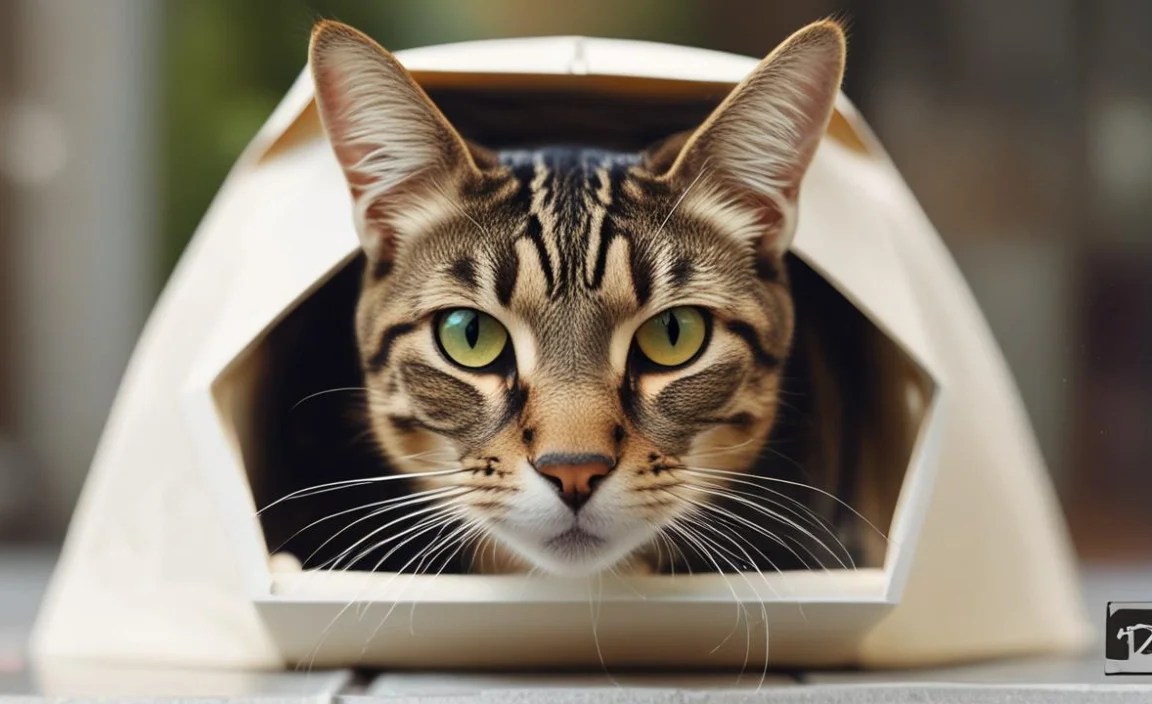
Where you put your shelters for outdoor cats matters a lot. Find a spot that blocks the wind. Put the shelter against a building or under a bush. This will help keep it warm. Avoid places that get flooded. Water can make the shelter cold and wet. Choose a spot that is quiet and safe. Cats will feel more comfortable in a peaceful area. Make sure the entrance faces away from the wind. This stops the wind from blowing inside. You can also put a barrier in front of the entrance. This will help block the wind. Check the shelter regularly to make sure it’s in good shape. A little care can go a long way. Helping cats stay warm is a great way to show you care.
| Placement Tip | Why It Helps |
|---|---|
| Against a building | Blocks wind and provides insulation |
| Under a bush | Provides shelter from wind and rain |
| Away from flood zones | Keeps the shelter dry |
| Facing away from the wind | Prevents wind from entering the shelter |
| Quiet and safe location | Makes cats feel more comfortable |
Think about the sun. If possible, place the shelter in a sunny spot. The sun will help warm the shelter during the day. But make sure there is also shade available. Cats need a place to escape the heat if it gets too warm. Consider the visibility of the shelter. If you want to keep it hidden, place it in a discreet location. If you want to make it easy for cats to find, place it in a more visible spot. Remember, the goal is to create a safe and comfortable place for cats. Careful placement can make a big difference.
Fun Fact or Stat: Shelters placed on the south side of a building receive the most sunlight during winter months, increasing warmth!
Blocking the Wind for Extra Protection
Blocking the wind is crucial for keeping cat shelters warm. Wind can quickly steal heat from the shelter. This makes it much colder inside. To block the wind, place the shelter against a solid object. A building, a fence, or a large bush will work well. You can also build a windbreak. Use plywood or other materials to create a barrier. Place the windbreak a few feet in front of the shelter. This will deflect the wind away from the entrance. Make sure the entrance faces away from the prevailing wind. This will prevent the wind from blowing directly inside. A well-protected shelter will stay much warmer, even on windy days. Remember to check the windbreak regularly to make sure it’s still effective.
Choosing a Spot Away From Flooding
Choosing a spot away from flooding is essential. Water can quickly ruin a cat shelter. It can also make the shelter very cold. Avoid placing the shelter in low-lying areas. These areas are prone to flooding. Look for higher ground. This will help keep the shelter dry. If you live in an area with heavy rain, consider building a raised platform. Place the shelter on top of the platform. This will keep it above the floodwaters. Check the area around the shelter regularly for signs of flooding. If you see water pooling, move the shelter to a higher location. A dry shelter is a warm shelter. Remember, keeping the shelter dry is key to keeping the cats safe.
Considering Sunlight and Shade
Sunlight and shade can both play a role in keeping cat shelters comfortable. Sunlight can help warm the shelter during the day. This is especially helpful in the winter. Place the shelter in a sunny spot, if possible. But make sure there is also shade available. Cats need a place to escape the heat if it gets too warm. A tree or a bush can provide shade. You can also build a shade structure. Use plywood or other materials to create a roof over the shelter. This will block the sun’s rays. The ideal location will offer a balance of sunlight and shade. This will allow the cats to regulate their temperature. Remember to check the shelter regularly to make sure it’s not too hot or too cold.
Maintaining Your Cat Shelter

Keeping shelters for outdoor cats clean is important. Check the shelter often. Remove any wet or soiled bedding. Replace it with fresh, dry material. Straw is a good choice. It stays dry and warm. Make sure the shelter is still in good repair. Fix any holes or damage. A damaged shelter won’t protect the cats. Clear away any snow or ice around the entrance. This will make it easier for the cats to get in and out. Provide fresh food and water near the shelter. This will encourage the cats to use it. A little care can make a big difference. Helping cats stay warm is a great way to show you care.
- Check the shelter regularly for cleanliness.
- Remove wet or soiled bedding promptly.
- Replace bedding with fresh, dry straw.
- Repair any holes or damage to the shelter.
- Clear snow and ice from the entrance.
Think about the location of the shelter. Is it still in a safe and sheltered spot? If not, move it to a better location. Consider adding a sign to the shelter. This will let people know that it’s a cat shelter. It may prevent them from disturbing it. Check the shelter for pests. Mice and other animals may try to move in. If you find pests, remove them carefully. Don’t use poison. It could harm the cats. Remember, the goal is to provide a safe and comfortable place for cats. Regular maintenance is key.
Fun Fact or Stat: Shelters that are cleaned and maintained regularly are 30% more likely to be used by cats!
Regular Cleaning and Bedding Changes
Regular cleaning and bedding changes are essential for cat shelters. A clean shelter is a healthy shelter. Remove any wet or soiled bedding at least once a week. More often if necessary. Use a scoop to remove any waste. Wipe down the inside of the shelter with a mild disinfectant. Replace the bedding with fresh, dry straw. Make sure the straw is loose and fluffy. This will allow the cats to burrow into it. A clean and comfortable shelter will encourage cats to use it. It will also help prevent the spread of disease. Remember to wear gloves when cleaning the shelter. Wash your hands thoroughly afterward. A little effort can go a long way.
Repairing Damage and Maintaining Structure
Repairing damage and maintaining the structure of the shelter is important. A damaged shelter won’t protect the cats from the elements. Check the shelter regularly for any signs of damage. Look for holes, cracks, or loose panels. Repair any damage promptly. Use waterproof materials to make the repairs. If the shelter is made of cardboard, replace it if it gets wet or damaged. Make sure the shelter is stable and secure. It shouldn’t be able to tip over easily. If necessary, anchor the shelter to the ground. A well-maintained shelter will provide years of protection for outdoor cats. Remember to inspect the shelter after storms or heavy weather.
Providing Fresh Food and Water Nearby
Providing fresh food and water nearby can encourage cats to use the shelter. Place the food and water close to the entrance. But not inside the shelter. This will prevent the food and water from getting soiled. Use bowls that are shallow and wide. This will make it easier for the cats to eat and drink. Change the food and water daily. Use fresh, clean food and water. In cold weather, use heated bowls to prevent the water from freezing. If possible, provide both wet and dry food. Some cats prefer one over the other. A consistent supply of food and water will help the cats thrive. Remember to keep the area around the shelter clean and tidy.
Helping Feral Cat Colonies
Shelters for outdoor cats are very helpful for feral cat colonies. These cats live outside all the time. They need protection from the weather. Building shelters can save their lives. Work with local groups to help these cats. They can help you trap, neuter, and return the cats. This helps control the population. It also makes the cats healthier. Providing food and water is also important. But don’t leave food out all the time. This can attract other animals. Feed the cats at the same time each day. This will help them learn the schedule. Remember, helping feral cats is a long-term commitment. But it’s a very rewarding one.
- Shelters are vital for feral cat colonies.
- Work with local groups for TNR programs.
- Provide food and water on a schedule.
- Help control the cat population humanely.
- Remember it’s a long-term commitment.
Consider the needs of the entire colony. Build enough shelters for all the cats. Place the shelters in different locations. This will give the cats a choice. Monitor the colony to make sure the cats are healthy. Look for signs of illness or injury. If you see a cat that needs help, contact a veterinarian. Remember, feral cats are wild animals. They may be scared of humans. Be patient and respectful. Don’t try to force them to interact with you. Over time, they may learn to trust you. But it’s important to let them set the pace.
Fun Fact or Stat: TNR programs combined with shelter provision can reduce feral cat populations by up to 50% over several years!
Understanding Feral Cat Behavior
Understanding feral cat behavior is important. Feral cats are not the same as pet cats. They have not been socialized to humans. This means they may be scared of people. They may run away if you approach them. It’s important to be patient and respectful. Don’t try to force them to interact with you. Let them come to you on their own terms. Observe their behavior from a distance. Learn their routines. This will help you understand their needs. Feral cats often live in colonies. They rely on each other for support. When providing shelters, consider the needs of the entire colony. Build enough shelters for all the cats. Place the shelters in different locations. This will give the cats a choice.
Supporting TNR Programs for Population Control
Supporting TNR programs is crucial for controlling feral cat populations. TNR stands for Trap-Neuter-Return. It’s a humane way to manage feral cat colonies. The cats are trapped, neutered, and then returned to their original location. Neutering prevents them from having more kittens. This helps control the population. It also makes the cats healthier. Neutered cats are less likely to fight. They are also less likely to roam. TNR programs often work with local veterinarians. They provide low-cost or free neutering services. You can support TNR programs by donating money or volunteering your time. Remember, TNR is the most effective and humane way to manage feral cat populations.
Providing Long-Term Care and Monitoring
Providing long-term care and monitoring is essential for feral cat colonies. It’s not enough to just build shelters and provide food. You need to monitor the colony regularly. Look for signs of illness or injury. If you see a cat that needs help, contact a veterinarian. Check the shelters regularly to make sure they are in good repair. Replace any damaged or worn-out shelters. Continue to provide food and water on a regular schedule. Be consistent. The cats will rely on you. Remember, helping feral cats is a long-term commitment. It requires patience, dedication, and compassion. But it’s a very rewarding one. Knowing that you are helping these cats survive and thrive is a great feeling.
Summary
Shelters for outdoor cats are very important. They help protect cats from cold weather. You can build your own shelter. Use a plastic bin or cardboard box. Make sure to insulate it well. Straw is a great choice for insulation. Place the shelter in a sheltered spot. Block the wind and avoid flooding. Keep the shelter clean and dry. Provide fresh food and water nearby. If you help feral cat colonies, work with local groups. They can help you with TNR programs. Remember, helping outdoor cats is a kind thing to do. It can save their lives.
Conclusion
Providing shelters for outdoor cats is a kind and helpful act. It can make a big difference in their lives, especially during cold weather. Simple shelters can be made from recycled materials. Remember to insulate them well and place them in safe locations. By taking these steps, you can help outdoor cats stay warm and healthy. Your efforts can truly save lives and make the world a better place for these animals.
Frequently Asked Questions
Question No 1: Why do outdoor cats need shelters?
Answer: Outdoor cats need shelters to protect them from harsh weather. Cold, rain, and snow can be very dangerous. Shelters provide a safe and warm place to escape the elements. Without shelter, cats can get sick or even die. Shelters for outdoor cats help them survive the winter. They offer a dry and insulated space to stay warm. Providing a shelter shows that you care about these animals. It’s a kind thing to do. Shelters help cats live longer and healthier lives. They are an essential part of caring for outdoor cats. Consider building or buying a shelter today to help a cat in need.
Question No 2: What materials are best for building cat shelters?
Answer: The best materials for building cat shelters are waterproof and insulating. Plastic bins are a great choice because they are waterproof and durable. Wood can also be used, but it needs to be treated to protect it from the rain. Cardboard is okay for temporary shelters, but it gets wet easily. For insulation, straw is an excellent choice. It traps heat and stays dry. Blankets can also be used, but they need to be changed often. Avoid materials that hold moisture, like newspaper. These can make the shelter cold. Remember to choose materials that will keep the cats warm and dry. Good materials are key to creating effective shelters for outdoor cats.
Question No 3: Where is the best place to put a cat shelter?
Answer: The best place to put a cat shelter is in a sheltered location. Find a spot that blocks the wind and rain. Under a bush or against a building is a good choice. Avoid areas that flood easily. You don’t want the shelter to get wet. Choose a spot that is quiet and safe. Cats will feel more comfortable in a peaceful area. Make sure the entrance faces away from the wind. This stops the wind from blowing inside. Consider the sun. If possible, place the shelter in a sunny spot. The sun will help warm the shelter during the day. But make sure there is also shade available. Cats need a place to escape the heat if it gets too warm.
Question No 4: How can I encourage cats to use the shelter?
Answer: You can encourage cats to use the shelter by making it inviting. Put some catnip inside. Cats love catnip! It can help them feel relaxed. Place some familiar scents inside the shelter. Use a blanket that smells like the cat. This can help them feel more comfortable. Put some food and water near the entrance. This will attract them to the shelter. Be patient. It may take some time for the cats to get used to it. Don’t force them to go inside. Let them explore it on their own. Once they realize it’s a safe and warm place, they will start using it. Clean shelters for outdoor cats regularly to keep them appealing.
Question No 5: How often should I clean the cat shelter?
Answer: You should clean the cat shelter regularly. Check the shelter often. Remove any wet or soiled bedding. Replace it with fresh, dry material. Straw is a good choice. It stays dry and warm. Make sure the shelter is still in good repair. Fix any holes or damage. A damaged shelter won’t protect the cats. Clear away any snow or ice around the entrance. This will make it easier for the cats to get in and out. Providing fresh food and water near the shelter is also important. A clean shelter is a healthy shelter. Regular cleaning helps ensure that shelters for outdoor cats remain safe and comfortable.
Question No 6: What if I find baby kittens in the shelter?
Answer: If you find baby kittens in the shelter, be very careful. Do not disturb them unless they are in immediate danger. The mother cat is likely nearby. She will return to care for them. Observe the kittens from a distance. If they appear to be healthy and well-fed, leave them alone. If they seem sick or abandoned, contact a local animal rescue organization. They can provide the kittens with the care they need. Do not attempt to handle the kittens yourself unless you are trained to do so. The mother cat may become defensive if she feels threatened. Providing shelters for outdoor cats can sometimes lead to unexpected discoveries like this, so always proceed with caution and compassion.
