Have you ever seen a tree with fluffy pink flowers? These pretty trees are often called silk trees. You can grow silk trees for outdoors. They add beauty to any yard. These trees are also known as Mimosa trees.
Do you want a tree that attracts butterflies? Silk trees are great for this! They bring life and color to your garden. Read on to learn more about silk trees for outdoors!
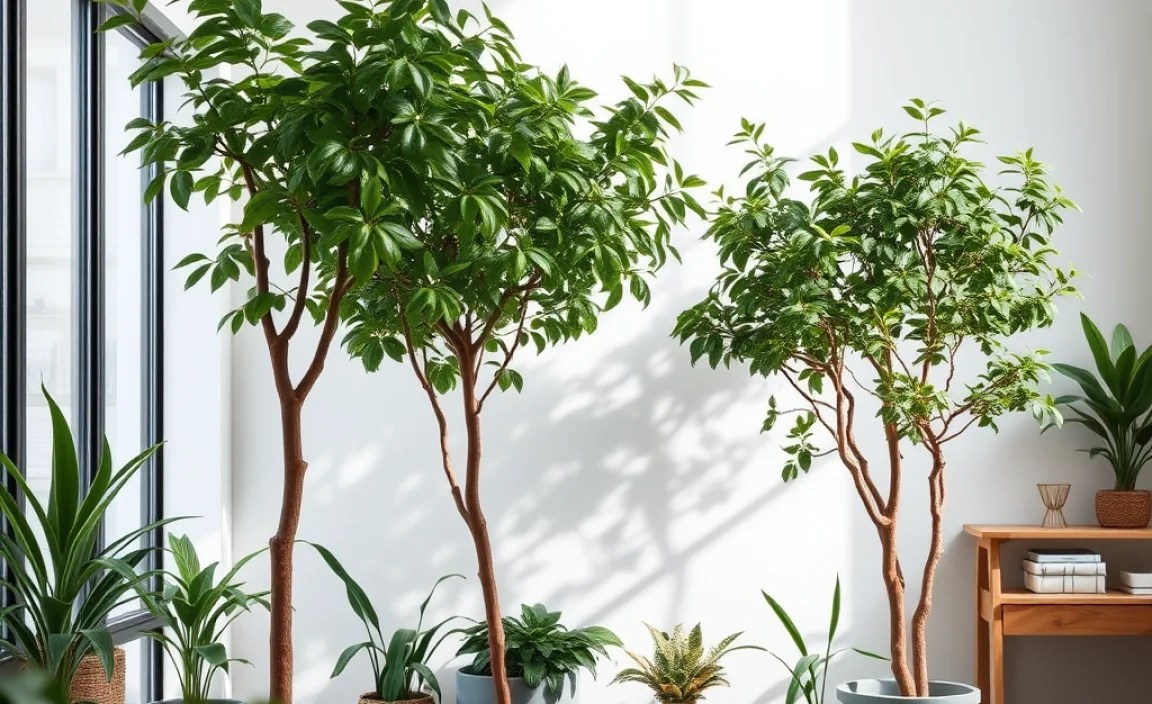
Key Takeaways
- Silk trees for outdoors bring beauty and attract butterflies to your yard.
- These trees thrive in sunny spots with well-drained soil.
- Pruning helps silk trees stay healthy and look their best.
- Silk trees can be grown in many different climates.
- Water young silk trees regularly to help them grow strong.

Choosing Silk Trees for Outdoors
Choosing the right silk trees for outdoors can make your yard beautiful. Think about where you will plant the tree. Silk trees need plenty of sunlight. They also need soil that drains well. This means water should not sit on top of the soil. Some silk trees grow taller than others. Make sure you have enough space for the tree to grow. Look for silk trees at your local garden center. Ask the experts there for advice. They can help you pick the perfect tree. They know which trees grow best in your area. They can also tell you how to care for your new tree. With the right choice, you’ll have a stunning silk tree in your yard.
- Pick a sunny spot for your silk tree.
- Make sure the soil drains well.
- Choose a tree that fits your space.
- Ask experts for advice at the garden center.
- Consider the tree’s mature size before planting.
Silk trees offer a lot of beauty but also need care. When you plant a silk tree, dig a wide hole. The hole should be twice as wide as the root ball. Gently place the tree in the hole. Fill the hole with soil. Water the tree well after planting. Add mulch around the base of the tree. Mulch helps keep the soil moist. It also helps prevent weeds from growing. Check the tree regularly for pests or diseases. If you see anything unusual, ask an expert for help. Proper care will help your silk tree thrive and bring joy for many years.
Fun Fact or Stat: Silk trees are native to Asia and were introduced to the United States in the 1700s.
What Size Do Silk Trees Grow To?
Have you ever wondered how big silk trees can get? Silk trees can grow to be 20 to 40 feet tall. That’s about as tall as a two-story house! The width of the tree can also be 20 to 40 feet. This means they need a lot of space to spread out. When planting a silk tree, make sure it has enough room to grow. Don’t plant it too close to your house. Also, don’t plant it near power lines. Give the tree plenty of space to become its full size. Then you can enjoy its beauty for many years. Remember to consider the mature size before you plant.
Why Do Silk Trees Lose Their Leaves?
Do you know why silk trees sometimes lose their leaves? Silk trees are deciduous trees. This means they lose their leaves in the fall. As the weather gets colder, the tree prepares for winter. It stops sending nutrients to the leaves. The leaves then turn yellow or brown. Eventually, they fall off the tree. This is a natural process. It helps the tree conserve energy during the winter. In the spring, new leaves will grow. The tree will be green and full again. So, don’t worry when your silk tree loses its leaves. It’s just getting ready for a rest.
Where Do Silk Trees Grow Best?
Where do silk trees grow best? Silk trees thrive in warm climates. They like sunny spots and well-drained soil. These trees can grow in many different types of soil. However, they don’t like soil that stays wet. They are often found in the southeastern United States. They can also grow in other warm areas. If you live in a colder climate, you can still grow a silk tree. You might need to protect it from frost in the winter. Make sure to plant it in a sunny, sheltered spot. With the right care, your silk tree can flourish.

Planting Silk Trees for Outdoors
Planting silk trees for outdoors requires some planning. First, choose a good spot. Silk trees love sunlight. Make sure the spot gets at least six hours of sun each day. Next, check the soil. Silk trees need soil that drains well. If your soil is heavy clay, add some compost. Compost helps improve drainage. Dig a hole that is twice as wide as the root ball. Gently remove the tree from its container. Place the tree in the hole. Make sure the top of the root ball is level with the ground. Fill the hole with soil and water well. Add mulch around the base of the tree. This helps keep the soil moist and prevents weeds. Be patient and watch your silk tree grow!
- Choose a sunny spot for planting.
- Make sure the soil drains well.
- Dig a hole twice as wide as the root ball.
- Water the tree well after planting.
- Add mulch to keep the soil moist.
- Check the soil’s drainage before planting.
After planting your silk tree, give it some extra care. Water it regularly, especially during dry periods. Young trees need more water than established trees. Fertilize the tree in the spring. Use a balanced fertilizer. This will help the tree grow strong and healthy. Prune the tree in late winter or early spring. Remove any dead or damaged branches. This helps improve the tree’s shape. It also encourages new growth. Watch out for pests and diseases. If you see any problems, treat them quickly. With the right care, your silk tree will thrive. It will bring beauty to your yard for years to come.
Fun Fact or Stat: Silk trees can grow up to 3 feet per year when they are young.
When Is The Best Time To Plant?
When is the best time to plant silk trees? The best time to plant is in the spring or early fall. These times of year have mild weather. This gives the tree time to establish its roots. Planting in the summer can be too hot. Planting in the winter can be too cold. In the spring, the soil is warming up. This encourages root growth. In the fall, the tree can focus on root development. This helps it prepare for winter. Choose a day that is not too hot or too cold. Make sure the soil is moist but not soggy. With the right timing, your silk tree will get off to a great start.
What Kind Of Soil Is Best?
What kind of soil is best for silk trees? Silk trees prefer well-drained soil. This means the soil should not hold too much water. Soil that is too wet can cause root rot. Root rot can kill the tree. You can improve soil drainage by adding compost. Compost is made from decayed leaves and other organic matter. It helps to loosen the soil and improve drainage. Silk trees can tolerate different types of soil. However, they will grow best in soil that drains well. Before planting, test your soil. You can buy a soil testing kit at a garden center. This will tell you if your soil needs any amendments.
How Much Space Does A Silk Tree Need?
How much space does a silk tree need? Silk trees can grow to be quite large. They need plenty of space to spread out. The tree’s canopy can reach 20 to 40 feet wide. This means you should plant it at least 20 feet away from buildings. You should also plant it away from power lines. The roots of the tree can also spread out. They can damage sidewalks or foundations if planted too close. Give your silk tree plenty of room to grow. This will help it stay healthy and strong. It will also prevent problems in the future.

Caring for Silk Trees Outdoors
Caring for silk trees for outdoors involves several steps. Regular watering is important, especially for young trees. Water deeply but less often. This encourages the roots to grow deep into the ground. Fertilize your silk tree in the spring. Use a balanced fertilizer. Follow the instructions on the fertilizer package. Pruning is also important. Remove any dead or damaged branches. Prune to shape the tree. This helps it look its best. Check your silk tree regularly for pests and diseases. Treat any problems quickly. With proper care, your silk tree will thrive. It will bring beauty to your yard for many years.
- Water young trees deeply but less often.
- Fertilize in the spring with a balanced fertilizer.
- Prune to remove dead or damaged branches.
- Check for pests and diseases regularly.
- Provide well-drained soil to prevent root rot.
- Protect young trees from frost in colder climates.
Silk trees are relatively easy to care for. However, they do have some specific needs. One common problem is iron chlorosis. This is when the leaves turn yellow. It is caused by a lack of iron in the soil. You can treat this by adding iron chelate to the soil. Another problem is spider mites. These tiny pests can damage the leaves. You can control them with insecticidal soap. Be sure to follow the instructions on the product label. Silk trees can also be susceptible to diseases. These include fungal infections. Proper watering and pruning can help prevent these problems. If you notice any signs of disease, treat them quickly. With a little attention, your silk tree will stay healthy and beautiful.
Fun Fact or Stat: The flowers of the silk tree are edible and can be used to make tea.
How Often Should You Water?
How often should you water silk trees? Young silk trees need more frequent watering. Water them deeply once or twice a week. Established silk trees are more drought-tolerant. This means they can go longer without water. Water them only when the soil is dry. Overwatering can be harmful. It can lead to root rot. Check the soil before watering. If the top inch of soil is dry, it’s time to water. Water deeply, so the water reaches the roots. Adjust your watering schedule based on the weather. During hot, dry periods, water more often. During rainy periods, water less often.
Do Silk Trees Need Fertilizer?
Do silk trees need fertilizer? Yes, silk trees benefit from fertilizer. Fertilizing helps them grow strong and healthy. Fertilize in the spring, before new growth begins. Use a balanced fertilizer. A balanced fertilizer has equal amounts of nitrogen, phosphorus, and potassium. Follow the instructions on the fertilizer package. Don’t over-fertilize. Too much fertilizer can damage the tree. Water the tree well after fertilizing. This helps the fertilizer reach the roots. You can also use organic fertilizers. These are made from natural materials. They release nutrients slowly over time. This is better for the tree and the environment.
How Do You Prune Silk Trees?
How do you prune silk trees? Pruning is important for silk trees. It helps them stay healthy and look their best. Prune in late winter or early spring. This is before new growth begins. Remove any dead or damaged branches. Also, remove any branches that are crossing or rubbing against each other. Prune to shape the tree. You can prune to create a more open canopy. This allows more sunlight to reach the inner branches. Use sharp, clean pruning shears. This will help prevent disease. Make clean cuts, just above a bud or branch. Don’t remove more than one-third of the tree’s branches at one time.

Dealing with Problems in Silk Trees for Outdoors
Even healthy silk trees for outdoors can face problems. Pests like spider mites can attack the leaves. Diseases such as fungal infections can also occur. It’s important to identify these problems early. Check your tree regularly for signs of trouble. Look for yellowing leaves, spots, or webbing. If you see any problems, take action quickly. There are many ways to treat pests and diseases. Insecticidal soap can control spider mites. Fungicides can treat fungal infections. Proper watering and pruning can also help prevent problems. Make sure your tree has good air circulation. This helps to reduce the risk of disease. With prompt action, you can keep your silk tree healthy.
- Check your tree regularly for pests and diseases.
- Look for yellowing leaves, spots, or webbing.
- Use insecticidal soap to control spider mites.
- Treat fungal infections with fungicides.
- Ensure good air circulation around the tree.
- Remove any dead or diseased branches promptly.
Sometimes, silk trees can suffer from environmental problems. These include drought, frost, and nutrient deficiencies. Drought can cause the leaves to wilt and turn brown. Frost can damage young trees. Nutrient deficiencies can cause yellowing leaves. To prevent these problems, provide proper care. Water your tree regularly during dry periods. Protect young trees from frost with burlap or blankets. Fertilize your tree in the spring with a balanced fertilizer. If you suspect a nutrient deficiency, test the soil. This will tell you what nutrients are lacking. Add the necessary nutrients to the soil. With proper care, you can help your silk tree overcome environmental challenges.
Fun Fact or Stat: Silk trees are known for their ability to attract hummingbirds.
What Pests Attack Silk Trees?
What pests attack silk trees? Spider mites are a common pest. They are tiny and hard to see. They suck the sap from the leaves. This causes the leaves to turn yellow and brown. Aphids are another common pest. They also suck the sap from the leaves. They can cause the leaves to curl and distort. Webworms can also attack silk trees. They build webs in the branches. They feed on the leaves. You can control these pests with insecticidal soap. You can also use horticultural oil. These products are safe for the tree. They kill the pests on contact. Be sure to follow the instructions on the product label.
What Diseases Affect Silk Trees?
What diseases affect silk trees? Fungal diseases are common. These include leaf spot and wilt. Leaf spot causes spots on the leaves. Wilt causes the leaves to wilt and die. These diseases can be caused by too much moisture. They can also be caused by poor air circulation. To prevent these diseases, water properly. Avoid overwatering. Provide good air circulation around the tree. Remove any dead or diseased branches. You can also use fungicides to treat these diseases. Apply the fungicide according to the instructions on the product label.
How Can You Prevent Problems?
How can you prevent problems with silk trees? Proper care is key. Water regularly, especially during dry periods. Fertilize in the spring with a balanced fertilizer. Prune to remove dead or damaged branches. Check for pests and diseases regularly. Treat any problems quickly. Plant your tree in a sunny spot with well-drained soil. Avoid planting in areas with poor air circulation. Mulch around the base of the tree. This helps to retain moisture. It also helps to prevent weeds. By following these tips, you can help your silk tree stay healthy and strong.
Benefits of Having Silk Trees for Outdoors
Having silk trees for outdoors offers many benefits. These trees are beautiful. They add color and interest to any yard. The pink, fluffy flowers are a sight to behold. Silk trees also attract wildlife. Butterflies and hummingbirds love the flowers. The trees provide shade in the summer. They can help keep your yard cooler. Silk trees are also relatively easy to care for. They don’t require a lot of maintenance. They are a great choice for busy homeowners. With a little care, you can enjoy the beauty of silk trees for many years.
- They add color and beauty to your yard.
- They attract butterflies and hummingbirds.
- They provide shade in the summer.
- They are relatively easy to care for.
- They can tolerate a variety of soil conditions.
- They are a great choice for homeowners.
Silk trees also have some practical benefits. They can help to stabilize soil. Their roots help to prevent erosion. They can also help to improve air quality. They absorb pollutants from the air. Silk trees can also provide privacy. They can be planted as a screen to block views from neighbors. They can also be used to create a windbreak. This can help to protect your home from strong winds. These trees are a valuable addition to any landscape. They offer both beauty and functionality.
Fun Fact or Stat: The bark of the silk tree has been used in traditional medicine.
Are Silk Trees Fast Growing?
Are silk trees fast growing? Yes, silk trees are known for their rapid growth. They can grow up to 3 feet per year. This makes them a good choice for people who want quick shade. However, their fast growth can also be a problem. They can become overgrown if not pruned regularly. They can also spread easily. Their seeds can germinate in unwanted areas. Be sure to monitor your silk tree. Prune it regularly to keep it under control. Remove any unwanted seedlings. With proper management, you can enjoy the benefits of their fast growth. You can avoid the potential problems.
Do Silk Trees Provide Good Shade?
Do silk trees provide good shade? Yes, silk trees can provide good shade. They have a wide, spreading canopy. This canopy can block out a lot of sunlight. This can help to keep your yard cooler in the summer. The shade can also protect your plants from the hot sun. However, the shade can also be dense. This can prevent other plants from growing underneath the tree. Consider this when choosing a location for your silk tree. Make sure it doesn’t shade out other plants that need sunlight.
Are Silk Trees Good for Wildlife?
Are silk trees good for wildlife? Yes, silk trees are great for wildlife. They attract butterflies and hummingbirds. The flowers provide nectar for these creatures. The trees also provide shelter for birds and other animals. Their seeds are eaten by birds and squirrels. Silk trees can also help to support pollinator populations. This is important for the health of the environment. If you want to attract wildlife to your yard, consider planting a silk tree. It will provide food, shelter, and beauty.
Comparing Silk Trees to Other Outdoor Trees
When choosing trees for your yard, consider different options. Comparing silk trees to other outdoor trees can help. Silk trees are known for their fast growth and beautiful flowers. However, they can be messy. They drop flowers and seed pods. Oak trees are strong and long-lived. They provide good shade. But they grow slowly. Maple trees offer beautiful fall color. They can be susceptible to pests and diseases. Pine trees are evergreen. They provide year-round greenery. But they can be invasive. Consider the pros and cons of each type of tree. Choose the one that best meets your needs and preferences. Think about the size, growth rate, maintenance requirements, and aesthetic appeal.
- Consider the size and growth rate of each tree.
- Think about the maintenance requirements.
- Compare the aesthetic appeal of different trees.
- Consider the pros and cons of each type of tree.
- Choose the tree that best meets your needs.
- Think about the tree’s impact on the environment.
Silk trees are unique. They offer a combination of beauty and practicality. However, they are not perfect for everyone. Some people find them to be too messy. Others are concerned about their invasive potential. If you are considering planting a silk tree, do your research. Learn about its pros and cons. Talk to local experts. They can help you decide if it is the right choice for your yard. They can also provide advice on how to care for it properly. With careful planning, you can enjoy the beauty of silk trees without experiencing the drawbacks.
Fun Fact or Stat: Some silk tree varieties have been developed to be less invasive.
How Do They Compare to Maple Trees?
How do silk trees compare to maple trees? Maple trees are known for their stunning fall colors. Silk trees have beautiful pink flowers in the summer. Maple trees are generally larger than silk trees. Maple trees are also more tolerant of cold weather. Silk trees are better suited to warmer climates. Maple trees require more maintenance than silk trees. They need to be pruned regularly. Silk trees are relatively low-maintenance. Both types of trees can provide good shade. Choose the one that best suits your climate and preferences.
What About Oak Trees Compared to Silk Trees?
What about oak trees compared to silk trees? Oak trees are strong and long-lived. They can live for hundreds of years. Silk trees have a shorter lifespan. Oak trees provide excellent shade. They are also resistant to many pests and diseases. Silk trees are more susceptible to problems. Oak trees are slow-growing. Silk trees grow quickly. Oak trees have acorns. These provide food for wildlife. Silk trees attract butterflies and hummingbirds. Both types of trees have their own unique benefits. Choose the one that best fits your needs and landscape.
Comparing Silk Trees and Pine Trees
Comparing silk trees and pine trees shows different qualities. Pine trees are evergreen. They provide year-round greenery. Silk trees are deciduous. They lose their leaves in the fall. Pine trees have needles. Silk trees have feathery leaves. Pine trees are often used as windbreaks. Silk trees provide shade and beauty. Pine trees are relatively low-maintenance. Silk trees require more attention. Pine trees can grow in poor soil. Silk trees need well-drained soil. Both types of trees have their own unique characteristics. Consider these factors when choosing a tree for your yard.
| Tree Type | Growth Rate | Maintenance | Benefits | Drawbacks |
|---|---|---|---|---|
| Silk Tree | Fast | Low | Beautiful flowers, attracts wildlife | Can be messy, potentially invasive |
| Maple Tree | Moderate | Moderate | Beautiful fall color, good shade | Susceptible to pests and diseases |
| Oak Tree | Slow | Low | Strong, long-lived, excellent shade | Slow growth, drops acorns |
| Pine Tree | Moderate | Low | Evergreen, windbreak, grows in poor soil | Can be invasive, needles drop |
Where to Buy Silk Trees for Outdoors
Finding silk trees for outdoors is easy. Many local nurseries and garden centers sell them. You can also find them online. When buying a silk tree, choose a healthy one. Look for a tree with green leaves and a strong trunk. Avoid trees with yellowing leaves or damaged branches. Ask the seller about the tree’s history. Find out how old it is and where it was grown. This can help you choose a tree that is well-suited to your climate. Compare prices from different sellers. This will help you get the best deal. Before buying, check the seller’s return policy. This will protect you if the tree doesn’t survive.
- Check local nurseries and garden centers.
- Look for healthy trees with green leaves.
- Ask about the tree’s history and origin.
- Compare prices from different sellers.
- Check the seller’s return policy.
- Consider buying online for convenience.
Buying a silk tree is an investment. You want to make sure you are getting a good value. Don’t be afraid to ask questions. Ask about the tree’s care requirements. Find out what kind of soil it needs. Ask how often to water it. Also, ask about potential problems. Learn about common pests and diseases. With the right information, you can choose a healthy tree. You can also provide it with the care it needs to thrive. This will ensure that your silk tree will bring beauty to your yard for many years.
Fun Fact or Stat: Some nurseries offer warranties on their trees.
Should You Buy Online or In Person?
Should you buy silk trees online or in person? Buying in person allows you to inspect the tree. You can check for any signs of problems. You can also ask questions and get advice from the staff. Buying online is more convenient. You can shop from the comfort of your home. You can also compare prices from different sellers. However, you can’t see the tree in person before you buy it. Read reviews carefully before buying online. Make sure the seller has a good reputation. Choose the option that best suits your needs and preferences.
What to Look for When Buying Silk Trees
What to look for when buying silk trees? Check the leaves. They should be green and healthy. Avoid trees with yellowing leaves or spots. Inspect the trunk. It should be strong and straight. Avoid trees with damaged or cracked trunks. Look at the roots. They should be well-developed. Avoid trees with circling or pot-bound roots. Ask about the tree’s origin. Choose a tree that was grown locally. This will ensure that it is well-suited to your climate. Consider the size of the tree. Choose one that will fit well in your yard.
How Much Do Silk Trees Cost?
How much do silk trees cost? The cost of a silk tree depends on its size and age. Smaller trees are less expensive. Larger, more mature trees are more expensive. The price can also vary depending on the seller. Local nurseries may charge more than online retailers. However, they offer personalized service and advice. Expect to pay between $50 and $200 for a silk tree. Consider the long-term value of the tree. It will provide beauty and shade for many years. This makes it a worthwhile investment.
Summary
Silk trees for outdoors can add beauty and shade to your yard. They are known for their fast growth and beautiful pink flowers. These trees attract butterflies and hummingbirds. They prefer sunny spots with well-drained soil. Regular watering and fertilizing help them thrive. Pruning helps maintain their shape. Silk trees can face problems like pests and diseases. Proper care can prevent these issues. They offer many benefits, but also have drawbacks. They can be messy and potentially invasive. Choose a silk tree that fits your needs.
Comparing silk trees to other trees helps in decision-making. Maple, oak, and pine trees have different qualities. Consider factors like growth rate and maintenance. Buying silk trees involves checking local nurseries. Online options are also available. Look for healthy trees with strong trunks. The cost varies based on size and age. With proper care, silk trees can enhance your outdoor space.
Conclusion
Silk trees for outdoors are beautiful additions to any landscape. They offer shade, attract wildlife, and grow quickly. Proper care is important for their health. Choose a sunny spot with well-drained soil. Water and fertilize regularly. Watch for pests and diseases. While they can be messy, their beauty outweighs the drawbacks. Consider a silk tree to enhance your yard. With proper care, these trees will thrive and bring joy for years to come.
Frequently Asked Questions
Question No 1: Are silk trees invasive?
Answer: Silk trees can be considered invasive in some areas. They produce many seeds. These seeds can spread easily. They can germinate in unwanted areas. This can lead to the trees taking over natural habitats. Some states have even listed them as invasive species. If you are concerned about invasiveness, consider planting a less invasive variety. You can also control their spread by removing seed pods before they ripen. Proper management can help prevent them from becoming a problem. Always check with your local extension office for specific information about invasiveness in your area. They can provide guidance on how to manage silk trees.
Question No 2: How long do silk trees live?
Answer: Silk trees have a relatively short lifespan. They typically live for 10 to 20 years. This is shorter than many other types of trees. Their fast growth contributes to their shorter lifespan. They put a lot of energy into growing quickly. This leaves less energy for long-term survival. Proper care can help to extend their lifespan. Water them regularly, fertilize them in the spring, and protect them from pests and diseases. Even with the best care, they will eventually decline. Be prepared to replace them after a few decades. Enjoy their beauty while they last!
Question No 3: Can I grow a silk tree in a container?
Answer: Yes, you can grow a silk tree in a container. This is a good option if you live in a colder climate. You can bring the tree indoors during the winter. Choose a large container with good drainage. Use a well-draining potting mix. Water the tree regularly. Fertilize it in the spring. Prune it to keep it under control. Container-grown silk trees will not grow as large as those planted in the ground. However, they can still provide beauty and shade. They are also a good option for people with small yards or balconies. Remember to protect the container from freezing temperatures in the winter.
Question No 4: Are silk trees messy?
Answer: Yes, silk trees can be messy. They drop flowers and seed pods. This can create a lot of litter in your yard. The flowers can also stain sidewalks and driveways. If you are concerned about messiness, consider planting them away from paved areas. You can also sweep up the debris regularly. Some people find the beauty of the trees outweighs the messiness. Others find the mess to be too much to handle. Consider your own tolerance for mess before planting a silk tree. Also, consider the location of the tree. Planting it away from patios and walkways can help minimize the impact of the mess.
Question No 5: Do silk trees attract bees?
Answer: Yes, silk trees attract bees. The flowers are a good source of nectar. Bees are important pollinators. They help to pollinate many different types of plants. If you want to support bee populations, consider planting a silk tree. However, if you are allergic to bees, you may want to avoid planting one. The bees can be a nuisance if they are too close to your house. You can also take precautions to avoid getting stung. Wear shoes when walking in the yard. Avoid wearing bright colors, which can attract bees. If you are stung, seek medical attention if necessary.
Question No 6: Can silk trees tolerate drought?
Answer: Established silk trees can tolerate drought. They are relatively drought-tolerant. However, young trees need more water. Water young trees regularly, especially during dry periods. Once the trees are established, they can go longer without water. Check the soil before watering. If the top inch of soil is dry, it’s time to water. Water deeply, so the water reaches the roots. Avoid overwatering, which can lead to root rot. With proper watering, your silk tree can thrive even during dry spells. Mulching around the base of the tree can also help to retain moisture in the soil.
