Have you ever dreamed of having a tiny, watery world? A place teeming with life right in your backyard? A small fish outdoor pond can bring that dream to life. Imagine watching colorful fish swim among plants. It is like having your own little aquarium outside.
Building a pond and adding fish is simpler than you think. You do not need a lot of space or money. With a little planning, anyone can create a beautiful water feature. It can turn your yard into a peaceful oasis. Are you ready to dive in?
Small fish outdoor ponds are fun. They add beauty to your yard. They also help local wildlife. Birds, frogs, and dragonflies will visit. Your pond can become a tiny ecosystem. It is a great way to learn about nature.
Key Takeaways
- Choosing the right small fish is key for a thriving outdoor pond.
- Regular pond maintenance keeps your fish healthy and your water clear.
- An outdoor pond adds beauty and value to your home and garden.
- Small fish outdoor ponds create a relaxing and natural environment.
- Proper filtration and aeration are essential for a healthy pond ecosystem.
Choosing the Right Small Fish for Your Outdoor Pond

Selecting the right fish is vital for a healthy small fish outdoor pond. Some fish are better suited for outdoor environments than others. Consider the size of your pond. Think about the climate in your area. Goldfish are a popular choice because they are hardy. They can tolerate a range of temperatures. Koi are beautiful, but they need larger ponds. White Cloud Mountain Minnows are small and can handle cooler water. Before you buy any fish, research their needs. Make sure they will thrive in your pond. A healthy pond is a happy pond. Choose fish that will get along with each other. Overcrowding can cause stress and disease. Always quarantine new fish before adding them to your pond. This will help prevent the spread of illness. Remember, the goal is to create a balanced ecosystem.
- Goldfish are a hardy and popular choice.
- Koi need larger ponds due to their size.
- White Cloud Mountain Minnows are good for cooler climates.
- Research the specific needs of each fish type.
- Quarantine new fish before introducing them to the pond.
Once you have chosen your fish, it is important to create a suitable habitat. Your small fish outdoor pond needs plants. Plants give fish shelter and oxygen. Water lilies, reeds, and submerged plants are all good choices. Rocks and gravel also provide hiding places. Make sure your pond has enough depth to protect fish from predators. A net can also help keep birds away. Feeding your fish a balanced diet is also crucial. Overfeeding can pollute the water. Only feed your fish what they can eat in a few minutes. Regular water changes are important. They help remove waste and keep the water clean. With proper care, your fish will thrive in their outdoor home.
What Type of Fish Are Easiest to Keep?
Have you ever wondered which fish are easiest to keep in an outdoor pond? Imagine you are just starting out with your first pond. You want fish that are not too picky and can handle different conditions. Goldfish are often recommended for beginners. They are very adaptable and can live in a wide range of water temperatures. They also don’t need a lot of special equipment. Another good choice is the White Cloud Mountain Minnow. These little fish are very hardy and can tolerate cooler water. They are also peaceful and get along well with other fish. Both of these fish are great for beginners. They will help you learn the basics of pond keeping without too much trouble. Always research the specific needs of any fish you choose. This will help you keep them happy and healthy.
How Deep Should My Pond Be for Fish?
Imagine it’s winter, and the pond is covered in ice. How do the fish survive? The depth of your pond plays a big role. A deeper pond is better for fish. It protects them from freezing in the winter and overheating in the summer. A good depth for a small fish outdoor pond is at least 2 feet. This gives the fish enough room to swim and find comfortable temperatures. If you live in a very cold area, you might need a deeper pond. A deeper pond also helps protect fish from predators. Birds and other animals will have a harder time reaching them. When planning your pond, think about the climate and the size of your fish. A deeper pond is a safer pond for your finned friends.
What Plants Help Keep My Pond Clean?
Plants are like the cleaning crew for your pond. They help keep the water clear and healthy for your fish. Imagine your pond as a tiny world. Plants are the trees and bushes that keep it balanced. Water lilies are great. They provide shade, which helps prevent algae growth. Submerged plants like anacharis also help. They take up nutrients that algae need to grow. Floating plants like water lettuce are also useful. They help filter the water and provide hiding places for fish. Adding a variety of plants is a great way to keep your pond clean and healthy. Your fish will thank you for creating a balanced ecosystem.
Fun Fact or Stat: Goldfish can live for over 20 years with proper care!
Pond Design and Construction for Small Fish
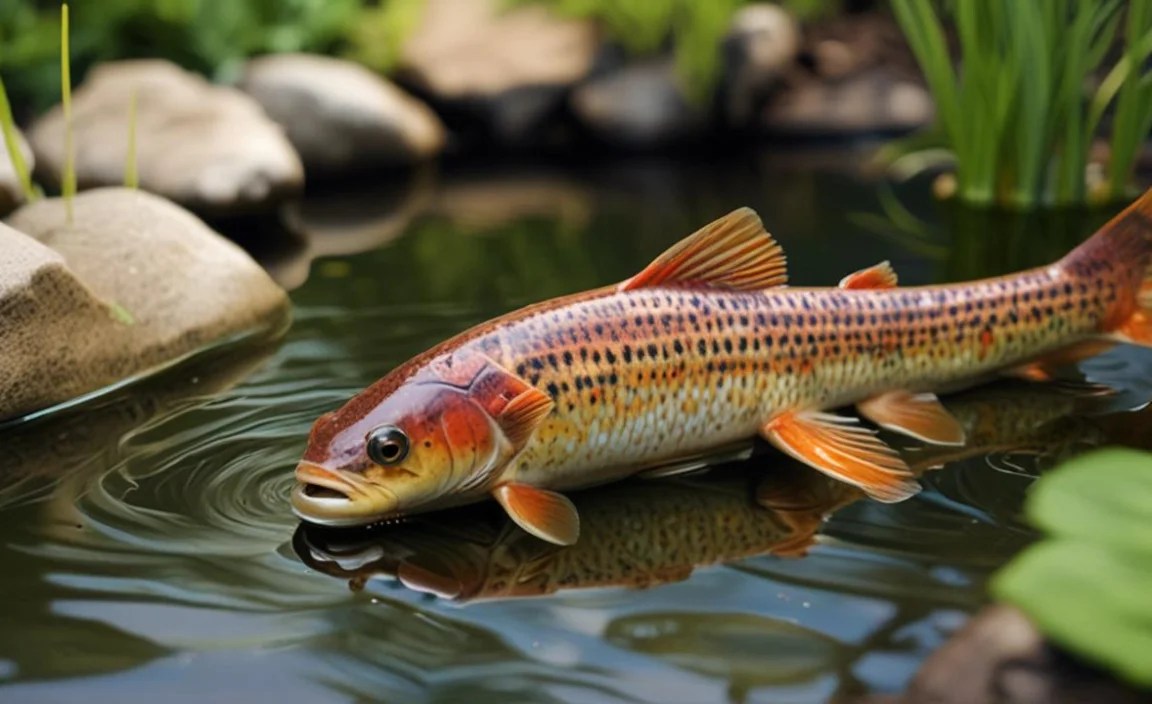
Designing your small fish outdoor pond is a fun and creative process. Start by choosing the right location. Pick a spot that gets both sun and shade. Too much sun can lead to algae growth. Too much shade can prevent plants from thriving. Consider the size and shape of your pond. A natural-looking pond is often the most appealing. You can use flexible pond liners to create any shape you want. Dig the hole carefully, making sure the sides are sloped. This will help prevent erosion. Add a layer of sand or gravel to protect the liner. Install a filtration system to keep the water clean. A pump will circulate the water and provide oxygen. Add rocks and plants to create a natural environment. Be sure to choose plants that are safe for fish. Fill the pond with water and let it sit for a few days before adding fish. This will allow the water to dechlorinate.
- Choose a location with both sun and shade.
- Use flexible pond liners to create any shape.
- Add a layer of sand or gravel to protect the liner.
- Install a filtration system and pump.
- Let the water dechlorinate before adding fish.
Building a pond for small fish outdoor pond is a fun project. Before you start digging, check for underground utilities. Call your local utility company to mark any lines. This will prevent accidents. When digging, create different levels in your pond. This will provide different habitats for plants and fish. Add a bog area to filter the water naturally. A bog is a shallow area filled with gravel and plants. It acts as a natural filter. Consider adding a waterfall or stream to your pond. This will add oxygen to the water and create a relaxing sound. Choose rocks and plants that blend in with the surrounding landscape. Your goal is to create a natural-looking ecosystem. With careful planning and construction, your pond will be a beautiful addition to your yard.
What Size Pond is Best for Small Fish?
Imagine you are building a house for your fish. How big should it be? The size of your pond depends on the type and number of fish you want to keep. A good rule of thumb is to have at least 10 gallons of water per inch of fish. For example, if you have five 2-inch goldfish, you will need at least 100 gallons of water. A small fish outdoor pond can be as small as 50 gallons. But a larger pond is always better. It provides more space for fish to swim and explore. It also helps maintain a more stable water temperature. A larger pond is also easier to keep clean. When planning your pond, think about the adult size of your fish. They will need more space as they grow.
How Do I Keep My Pond Water Clear?
Cloudy water can make your pond look dirty and unhealthy. Imagine trying to swim in a murky lake. Your fish don’t like it either. There are several things you can do to keep your pond water clear. First, make sure you have a good filtration system. A filter will remove debris and waste from the water. Second, avoid overfeeding your fish. Uneaten food can cloud the water. Third, add plants to your pond. Plants help absorb nutrients that algae need to grow. Fourth, consider using a UV sterilizer. A UV sterilizer kills algae and bacteria in the water. Finally, perform regular water changes. Replacing a portion of the water will help remove pollutants. Clear water is healthy water for your fish.
How Do I Protect My Pond from Predators?
Imagine you are a little fish swimming in a pond. Suddenly, you see a big bird swooping down. It is scary! Predators are a threat to fish in outdoor ponds. There are several ways to protect your fish. One way is to make sure your pond is deep enough. A deeper pond makes it harder for predators to reach the fish. Another way is to provide hiding places. Rocks, plants, and caves give fish a place to escape. You can also use netting to cover your pond. Netting will keep birds and other animals out. A scarecrow can also deter predators. Moving the scarecrow around will make it more effective. With a little effort, you can protect your fish from harm.
Fun Fact or Stat: The largest koi on record was over 4 feet long!
Maintaining a Healthy Ecosystem for Small Fish
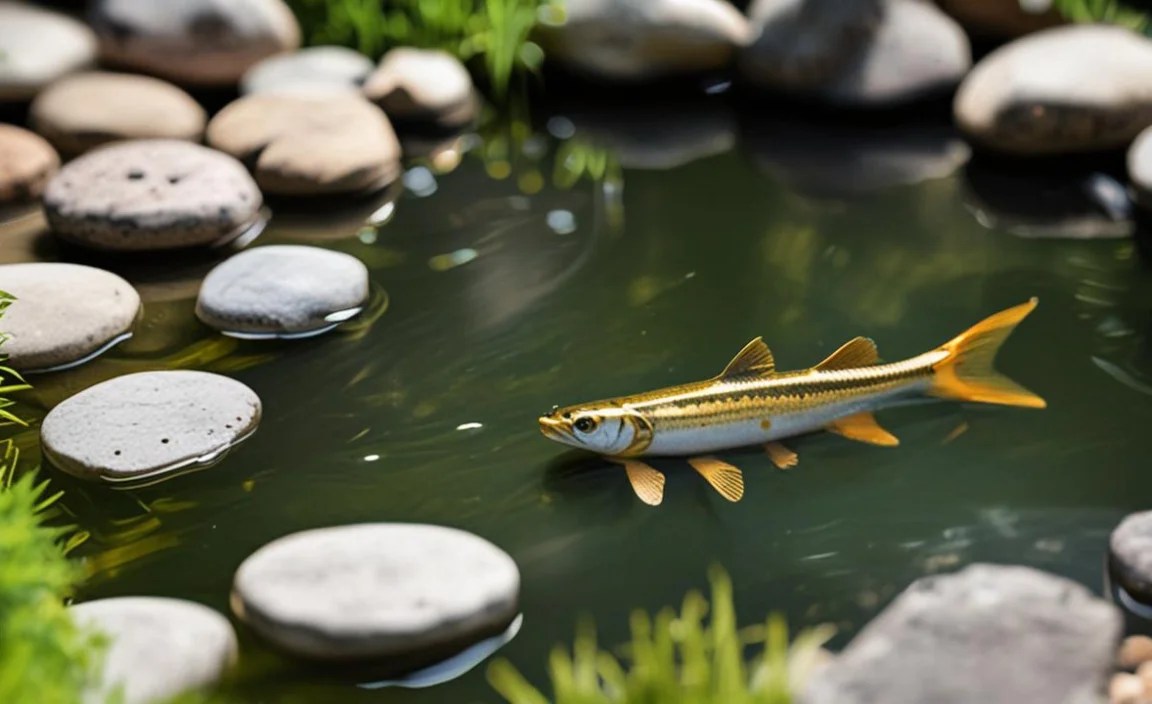
Maintaining a healthy ecosystem is key for a thriving small fish outdoor pond. A balanced ecosystem means your fish are happy and healthy. Start by testing your water regularly. Check the pH, ammonia, nitrite, and nitrate levels. High levels of ammonia and nitrite are toxic to fish. Use a water testing kit to monitor these levels. Perform regular water changes to remove pollutants. Replace about 10-20% of the water every week or two. Clean your filter regularly to remove debris. Overfeeding can lead to poor water quality. Only feed your fish what they can eat in a few minutes. Add beneficial bacteria to your pond. These bacteria help break down waste and keep the water clean. Remove any dead leaves or debris from the pond. This will prevent them from decomposing and polluting the water. Monitor your fish for signs of illness. Treat any diseases promptly to prevent them from spreading.
- Test your water regularly for pH, ammonia, and nitrite.
- Perform regular water changes to remove pollutants.
- Clean your filter regularly to remove debris.
- Avoid overfeeding your fish.
- Add beneficial bacteria to your pond.
- Remove dead leaves and debris from the pond.
A healthy ecosystem in your small fish outdoor pond needs plants. Plants provide oxygen and shelter for fish. They also help filter the water. Choose plants that are appropriate for your climate and pond size. Water lilies, reeds, and submerged plants are all good choices. Control algae growth to prevent it from taking over your pond. Algae can deplete oxygen and make the water cloudy. Use algaecides sparingly, as they can harm fish and other aquatic life. Introduce snails to your pond to help control algae. Snails eat algae and keep it from spreading. Monitor the temperature of your pond. Extreme temperatures can stress fish. Provide shade during the summer to keep the water cool. Use a pond heater in the winter to prevent the water from freezing solid. With proper care, your pond will be a healthy and thriving ecosystem.
How Often Should I Clean My Pond Filter?
Imagine your pond filter as a vacuum cleaner for your pond. It sucks up all the dirt and debris. But just like a vacuum cleaner, it needs to be cleaned regularly. How often you clean your pond filter depends on the size of your pond and the number of fish you have. A good rule of thumb is to clean your filter every two to four weeks. Check the filter regularly to see if it is clogged. A clogged filter will reduce water flow and make it less effective. When cleaning your filter, rinse it with pond water. Avoid using tap water, as it can kill the beneficial bacteria. Cleaning your filter regularly will help keep your pond water clean and healthy.
What Are the Signs of a Sick Fish?
Imagine you are a doctor for fish. How do you know if they are sick? There are several signs that can indicate a fish is ill. Look for changes in behavior. A sick fish may be lethargic or swim erratically. They may also isolate themselves from other fish. Check for changes in appearance. A sick fish may have cloudy eyes, fin rot, or sores on their body. They may also have difficulty breathing. If you notice any of these signs, take action immediately. Isolate the sick fish from the others. Treat the fish with appropriate medication. Improve the water quality in your pond. A healthy environment will help your fish recover.
How Do I Prevent Algae Growth in My Pond?
Algae can turn your beautiful pond into a green swamp. Imagine trying to see your fish through a thick layer of green slime. It is not fun! There are several ways to prevent algae growth. First, reduce the amount of sunlight that enters your pond. Provide shade with plants or a pond dye. Second, control nutrient levels in your pond. Avoid overfeeding your fish. Remove dead leaves and debris. Third, use a UV sterilizer to kill algae. Fourth, add beneficial bacteria to your pond. These bacteria compete with algae for nutrients. Fifth, introduce algae-eating snails to your pond. With a combination of these methods, you can keep your pond algae-free.
Fun Fact or Stat: Some pond snails can eat their weight in algae every day!
Choosing the Right Plants for Your Small Fish Pond

Choosing the right plants for your small fish outdoor pond is crucial. Plants add beauty and provide essential benefits. They offer shelter, oxygenate the water, and filter out pollutants. Consider the size of your pond when selecting plants. Water lilies are a classic choice for larger ponds. They provide shade and create a beautiful focal point. Smaller ponds can benefit from floating plants like water lettuce or hyacinth. These plants help filter the water and provide hiding places for fish. Submerged plants like anacharis and hornwort oxygenate the water. They also provide food for fish. Marginal plants like reeds and irises add vertical interest to your pond. They also help stabilize the edges of the pond. Choose plants that are appropriate for your climate. Some plants are more tolerant of cold or heat than others. Make sure your plants are not toxic to fish. Research any plant before adding it to your pond.
- Water lilies provide shade and beauty.
- Floating plants filter the water and provide hiding places.
- Submerged plants oxygenate the water and provide food.
- Marginal plants stabilize the edges of the pond.
- Choose plants that are appropriate for your climate.
- Make sure your plants are not toxic to fish.
When planting in your small fish outdoor pond, use aquatic planting baskets. These baskets prevent plants from spreading too aggressively. They also make it easier to move plants around. Use aquatic soil mix for your plants. This soil is specially formulated for aquatic environments. Avoid using regular potting soil, as it can pollute the water. Place plants at different depths in your pond. This will create a more natural-looking ecosystem. Water lilies should be planted in deeper water. Submerged plants should be planted at mid-depth. Marginal plants should be planted in shallow water. Fertilize your plants regularly with aquatic plant fertilizer. This will help them grow and thrive. Prune your plants as needed to keep them from overgrowing. Remove any dead or dying leaves to prevent them from polluting the water. With proper plant selection and care, your pond will be a beautiful and healthy environment for your fish.
What Are the Best Floating Plants for a Pond?
Imagine your pond as a floating garden. Which plants would you choose? Floating plants are a great addition to any pond. They provide shade, filter the water, and offer hiding places for fish. Water lettuce is a popular choice. It has fuzzy leaves and floats on the surface of the water. Water hyacinth is another good option. It has beautiful purple flowers and grows quickly. Duckweed is a small floating plant that provides food for fish. Frogbit is a native plant that is easy to grow. When choosing floating plants, consider the size of your pond. Some plants can grow very quickly and take over the entire pond. Be sure to thin them out as needed. Floating plants will help keep your pond clean and healthy.
What Are the Best Submerged Plants for a Pond?
Submerged plants are like the underwater forest of your pond. They provide oxygen, filter the water, and offer shelter for fish. Anacharis is a popular choice. It is easy to grow and tolerates a wide range of conditions. Hornwort is another good option. It is a fast-growing plant that provides excellent oxygenation. Cabomba is a beautiful plant with feathery leaves. It is a bit more demanding than anacharis and hornwort. Vallisneria is a grass-like plant that grows tall and provides hiding places for fish. When choosing submerged plants, consider the depth of your pond. Some plants prefer deeper water, while others prefer shallower water. Submerged plants will help keep your pond clean, healthy, and full of life.
How Do I Control Invasive Plants in My Pond?
Imagine a plant that grows so fast it takes over your entire pond. It blocks the sunlight and kills the other plants. That is an invasive plant! Controlling invasive plants is important for maintaining a healthy pond. One way to control them is to remove them by hand. Pull out the plants by the roots and dispose of them properly. Another way is to use aquatic herbicides. These chemicals can kill invasive plants, but they can also harm fish and other aquatic life. Use them sparingly and follow the instructions carefully. You can also introduce biological controls. These are natural enemies of the invasive plants. For example, grass carp eat many types of aquatic plants. With a combination of these methods, you can keep invasive plants under control.
Fun Fact or Stat: Water lilies can live for over 100 years!
Feeding and Nutrition for Small Pond Fish

Proper feeding and nutrition are essential for the health of your small fish outdoor pond inhabitants. Fish need a balanced diet to thrive. Choose a high-quality fish food that is specifically formulated for pond fish. Look for a food that contains protein, carbohydrates, and vitamins. Feed your fish once or twice a day. Only give them as much food as they can eat in a few minutes. Overfeeding can lead to poor water quality. Supplement their diet with natural foods. Algae, insects, and small crustaceans can provide essential nutrients. Consider adding a feeding ring to your pond. This will help contain the food and prevent it from spreading. Avoid feeding your fish bread or other processed foods. These foods are not nutritious and can pollute the water. Monitor your fish’s health and adjust their diet as needed. Healthy fish are active and have bright colors. They should also have a good appetite.
- Choose a high-quality fish food formulated for pond fish.
- Feed your fish once or twice a day.
- Only give them as much food as they can eat in a few minutes.
- Supplement their diet with natural foods.
- Avoid feeding your fish bread or other processed foods.
- Monitor your fish’s health and adjust their diet as needed.
Different types of small fish outdoor pond have different nutritional needs. Goldfish are omnivores and eat a variety of foods. Koi are also omnivores, but they need more protein than goldfish. White Cloud Mountain Minnows are small and need a small-sized food. Consider the water temperature when feeding your fish. Fish need more food in warmer water. They need less food in cooler water. Stop feeding your fish when the water temperature drops below 50 degrees Fahrenheit. Their metabolism slows down and they cannot digest food properly. Remove any uneaten food from the pond. This will prevent it from decomposing and polluting the water. With proper feeding and nutrition, your fish will thrive in their outdoor home.
How Do I Know How Much to Feed My Fish?
Imagine you are a chef for fish. How do you know how much to cook? Knowing how much to feed your fish can be tricky. Overfeeding is a common mistake. It can lead to poor water quality and health problems. A good rule of thumb is to feed your fish only as much as they can eat in two to three minutes. Watch your fish as they eat. If they are leaving food behind, you are feeding them too much. Adjust the amount of food accordingly. Feed your fish at the same time each day. This will help them develop a regular feeding schedule. Observe your fish’s body condition. If they are getting too fat, reduce the amount of food you are feeding them. If they are getting too thin, increase the amount of food. With careful observation, you can determine the right amount of food for your fish.
What Natural Foods Can I Give My Pond Fish?
Imagine your pond as a tiny buffet for fish. What natural treats can they find? Natural foods can supplement your fish’s diet and provide essential nutrients. Algae is a great source of vitamins and minerals. Many fish enjoy grazing on algae in the pond. Insects are another good source of protein. Mosquito larvae, daphnia, and bloodworms are all popular choices. You can also add live plants to your pond. Fish will nibble on the leaves and roots. Water fleas are a tiny crustacean that fish love to eat. You can purchase water fleas online or at your local pet store. Providing a variety of natural foods will help keep your fish healthy and happy.
Can I Feed My Fish Table Scraps?
Imagine you are cleaning up after dinner. Can you give your leftovers to your fish? Feeding your fish table scraps is generally not a good idea. Many table scraps are not nutritious for fish. They can also pollute the water. Bread, for example, is high in carbohydrates and low in protein. It can also cause digestive problems. Processed foods are often high in salt and preservatives. These can be harmful to fish. Some foods, like onions and garlic, are toxic to fish. It is best to stick to high-quality fish food and natural foods. This will ensure that your fish are getting the nutrients they need.
Fun Fact or Stat: Some fish can survive for weeks without food!
Winterizing Your Small Fish Outdoor Pond
Winter can be a tough time for a small fish outdoor pond. Taking the right steps will help your fish survive the cold. Start by preparing your pond in the fall. Remove any dead leaves and debris from the pond. This will prevent them from decomposing and polluting the water. Stop feeding your fish when the water temperature drops below 50 degrees Fahrenheit. Their metabolism slows down and they cannot digest food properly. Install a pond heater to prevent the water from freezing solid. A small heater will keep a portion of the pond ice-free. This will allow oxygen to enter the water and prevent toxic gases from building up. Add an aerator to your pond. An aerator will keep the water circulating and prevent it from freezing completely. Place a floating de-icer in your pond. This will create a hole in the ice and allow gases to escape. Do not break the ice on your pond. This can shock your fish and harm them.
- Remove dead leaves and debris from the pond in the fall.
- Stop feeding your fish when the water temperature drops below 50 degrees Fahrenheit.
- Install a pond heater to prevent the water from freezing solid.
- Add an aerator to your pond to keep the water circulating.
- Place a floating de-icer in your pond to create a hole in the ice.
- Do not break the ice on your pond.
During the winter months, monitor your small fish outdoor pond regularly. Check the water level and add water as needed. Snow can insulate your pond and help keep it warm. Do not remove the snow from the pond. Keep an eye on your fish for signs of stress. If they are lethargic or have difficulty breathing, take action immediately. You may need to adjust the heater or aerator. As spring approaches, gradually start feeding your fish again. Begin with small amounts of food and increase the amount as the water warms up. Remove the pond heater and aerator when the water is consistently above 50 degrees Fahrenheit. With proper winterization, your fish will survive the cold and thrive in the spring.
| Item | Purpose | Winter | Summer |
|---|---|---|---|
| Pond Heater | Keeps water from freezing | On | Off |
| Aerator | Circulates water, adds oxygen | On | On |
| Netting | Protects from predators | On | On |
| Plants | Shelter, oxygen | Dormant | Growing |
How Deep Does My Pond Need to Be to Survive Winter?
Imagine you are building a winter shelter for your fish. How deep should it be? The depth of your pond is important for surviving the winter. A deeper pond is less likely to freeze solid. It also provides a more stable temperature for your fish. A good depth for a pond in a cold climate is at least 2-3 feet. This will give your fish enough room to swim and find warmer water. If you live in a very cold area, you may need a deeper pond. A deeper pond also helps protect fish from predators. Birds and other animals will have a harder time reaching them. When planning your pond, consider the climate and the size of your fish. A deeper pond is a safer pond for your finned friends.
What Happens to Fish in a Frozen Pond?
Imagine your pond is covered in ice. What happens to the fish underneath? Fish are cold-blooded animals. Their body temperature adjusts to the temperature of the water. When the water gets cold, their metabolism slows down. They become less active and need less food. Fish can survive in a frozen pond if there is enough oxygen in the water. A hole in the ice will allow oxygen to enter the water and prevent toxic gases from building up. Fish will also move to the bottom of the pond, where the water is warmer. They will stay there until the water warms up in the spring. It is important not to disturb the fish during the winter months. They are in a state of hibernation and need to conserve energy.
How Do I Keep My Pond from Freezing Completely?
Imagine you are trying to keep a cup of water from freezing. What would you do? Keeping your pond from freezing completely is important for the health of your fish. A completely frozen pond can trap toxic gases and suffocate your fish. There are several ways to prevent your pond from freezing completely. One way is to use a pond heater. A pond heater will keep a small area of the pond ice-free. Another way is to use an aerator. An aerator will keep the water circulating and prevent it from freezing solid. You can also place a floating de-icer in your pond. A de-icer will create a hole in the ice and allow gases to escape. With a combination of these methods, you can keep your pond from freezing completely.
Fun Fact or Stat: Some fish can survive being frozen solid!
Summary
Creating a small fish outdoor pond can bring joy and beauty to your backyard. You must choose the right fish. Goldfish and White Cloud Mountain Minnows are great for beginners. Design your pond carefully. Consider sunlight, shade, and depth. A pond that is at least two feet deep is best. Maintain a healthy ecosystem. Test the water regularly. Clean the filter. Add plants to help filter the water. Feed your fish a balanced diet. Avoid overfeeding. Winterize your pond properly. Use a pond heater and aerator. With proper care, your fish will thrive. They will bring life to your outdoor space.
Conclusion
A small fish outdoor pond is a rewarding project. It adds beauty to your yard. It also provides a habitat for fish and other wildlife. Remember to research your fish. Plan your pond carefully. Maintain a healthy ecosystem. Enjoy the beauty and tranquility of your pond. Watching your fish swim is relaxing. It is a great way to connect with nature.
Frequently Asked Questions
Question No 1: What kind of fish can live in a small outdoor pond?
Answer: Many types of fish can live in a small fish outdoor pond. Goldfish are a popular choice. They are hardy and can tolerate a wide range of temperatures. White Cloud Mountain Minnows are another good option. They are small and can handle cooler water. Koi can also live in small ponds, but they need more space. Research the specific needs of each fish before adding them to your pond. Make sure they will get along with each other and have enough space to swim. Overcrowding can cause stress and disease. A healthy pond is a happy pond.
Question No 2: How do I keep my pond clean and clear?
Answer: Keeping your pond clean and clear requires regular maintenance. Start by installing a good filtration system. A filter will remove debris and waste from the water. Perform regular water changes to remove pollutants. Replace about 10-20% of the water every week or two. Add plants to your pond. Plants help filter the water and provide oxygen. Avoid overfeeding your fish. Uneaten food can cloud the water. Use a pond vacuum to remove debris from the bottom of the pond. Monitor the water chemistry and adjust as needed. With consistent effort, you can keep your pond clean and clear.
Question No 3: How deep should my pond be for fish to survive the winter?
Answer: The depth of your pond is crucial for fish survival in the winter. A deeper pond is less likely to freeze solid. It also provides a more stable temperature for your fish. A good depth for a pond in a cold climate is at least 2-3 feet. This will give your fish enough room to swim and find warmer water. If you live in a very cold area, you may need a deeper pond. You can also use a pond heater to prevent the water from freezing completely. A heater will keep a small area of the pond ice-free and allow oxygen to enter the water.
Question No 4: What plants are best for a small fish outdoor pond?
Answer: Choosing the right plants is essential for a healthy small fish outdoor pond. Water lilies are a classic choice. They provide shade and create a beautiful focal point. Floating plants like water lettuce and hyacinth help filter the water. Submerged plants like anacharis and hornwort oxygenate the water. Marginal plants like reeds and irises add vertical interest. Choose plants that are appropriate for your climate. Make sure the plants are not toxic to fish. Aquatic plants will help keep your pond clean, healthy, and beautiful.
Question No 5: How often should I feed my fish in my outdoor pond?
Answer: How often you feed your fish depends on the water temperature. In warmer water, fish need more food. In cooler water, they need less food. A good rule of thumb is to feed your fish once or twice a day. Only give them as much food as they can eat in a few minutes. Overfeeding can lead to poor water quality. Supplement their diet with natural foods like algae and insects. Stop feeding your fish when the water temperature drops below 50 degrees Fahrenheit. They cannot digest food properly at that temperature. Monitor your fish’s health and adjust their diet as needed. A healthy fish has a good appetite and is active.
Question No 6: How do I protect my fish from predators?
Answer: Predators can be a threat to fish in outdoor ponds. There are several ways to protect your fish. Make sure your pond is deep enough. A deeper pond makes it harder for predators to reach the fish. Provide hiding places. Rocks, plants, and caves give fish a place to escape. Use netting to cover your pond. Netting will keep birds and other animals out. A scarecrow can also deter predators. Moving the scarecrow around will make it more effective. Consider getting a dog or cat. They can help scare away predators. With a little effort, you can protect your fish from harm in your small fish outdoor pond.
