Do you want a plant that brings good luck? Have you heard of the money plant? It is a popular indoor plant. People believe it brings wealth. You can grow it in soil. Let’s learn more about this cool plant.
Growing a soil money plant indoor is fun. It can also make your home look nice. This plant is easy to care for. Even if you forget to water it sometimes, it will be okay. Are you ready to discover the secrets of the money plant?
Key Takeaways
- The money plant is known for bringing good luck and positive energy.
- You can easily grow a soil money plant indoor with the right care.
- Money plants need bright, indirect sunlight to thrive well indoors.
- Water your money plant when the soil feels dry to the touch.
- Pruning helps your money plant grow bushier and healthier over time.
Best Soil for Your Indoor Money Plant

Choosing the right soil is important for your indoor money plant. Money plants need soil that drains well. This means water should not sit in the soil for too long. If the soil stays wet, the roots can rot. Root rot is bad for the plant. A good mix is potting soil, perlite, and peat moss. Perlite helps with drainage. Peat moss holds some moisture. This mix gives the plant what it needs. You can buy these things at a garden store. Ask a grown-up to help you mix them. Using the right soil helps your money plant grow strong and healthy. It will also help it bring you good luck. Remember to check the soil before you water it. If it feels wet, wait a day or two.
- Use well-draining potting mix.
- Add perlite for better drainage.
- Peat moss helps retain moisture.
- Avoid heavy clay soils.
- Aerate the soil regularly.
- Repot every 1-2 years.
Getting the soil right is like giving your plant a good home. Imagine living in a house that’s always wet. You wouldn’t like it, right? Plants feel the same way. They need a comfortable place to grow. When you choose the right soil, you’re helping your money plant thrive. This means it will grow bigger and stronger. It will also be better at cleaning the air in your home. Plus, a healthy plant is a happy plant. And a happy plant is more likely to bring you good luck. So, take your time and choose the best soil for your indoor money plant. It’s a small thing that makes a big difference.
Why Does Soil Type Matter?
Have you ever wondered why some plants grow better in certain places? It’s often because of the soil. The type of soil affects how well a plant can get water and nutrients. Nutrients are like food for plants. They help them grow big and strong. Some soil holds too much water. This can cause the roots to rot. Other soil doesn’t hold enough water. Then the plant can dry out. The best soil is just right. It lets water drain but still keeps some moisture. This is why it’s important to choose the right soil for your indoor money plant. It’s like finding the perfect recipe for a cake. You need the right ingredients to make it taste good.
How to Test Your Soil’s Drainage
Do you want to know if your soil drains well? Here’s a simple test. Grab a pot with drainage holes. Put some of your soil in the pot. Pour water into the soil until it’s soaked. Watch how quickly the water drains out. If the water drains quickly, that’s good. If it takes a long time, the soil might not be draining well. You can also check the soil after a few days. If it’s still very wet, it’s not draining well. You might need to add something like perlite to help it drain better. Testing your soil is like being a detective. You’re trying to solve a mystery to help your plant grow.
What Nutrients Does Soil Provide?
Soil is more than just dirt. It’s full of important things called nutrients. These nutrients help plants grow big and strong. Some of the main nutrients are nitrogen, phosphorus, and potassium. Nitrogen helps plants grow green leaves. Phosphorus helps with strong roots. Potassium helps with overall health. When you choose soil for your indoor money plant, make sure it has these nutrients. You can also add fertilizer to give your plant extra nutrients. Think of nutrients as vitamins for your plant. They need them to stay healthy and happy. Without enough nutrients, your plant might not grow well.
Fun Fact or Stat: Did you know that a single teaspoon of healthy soil can contain more living organisms than there are people on Earth?
Ideal Lighting Conditions for Indoor Money Plant

Money plants love light, but not too much. They do best in bright, indirect sunlight. This means they like to be near a window, but not right in the sun. Too much direct sun can burn their leaves. A north-facing or east-facing window is usually a good spot. If you don’t have a good window, you can use a grow light. A grow light gives the plant the light it needs. Watch your plant to see if it’s getting enough light. If the leaves turn yellow, it might be getting too much sun. If the leaves are pale and the plant is growing slowly, it might need more light. Finding the right light is like finding the perfect temperature for your bath. You want it just right, not too hot or too cold.
- Bright, indirect sunlight is best.
- Avoid direct sunlight to prevent burns.
- North-facing or east-facing windows are ideal.
- Use grow lights if needed.
- Rotate the plant for even growth.
- Dust leaves to help them absorb light.
Light is like food for plants. They use light to make their own energy. This process is called photosynthesis. Without enough light, plants can’t make enough energy. This is why it’s important to give your indoor money plant the right amount of light. Imagine trying to run a race without eating anything. You wouldn’t have much energy, right? Plants are the same way. They need light to stay strong and healthy. So, find a good spot for your plant where it can get plenty of bright, indirect sunlight. It will thank you by growing big and beautiful.
What Happens with Too Much Sun?
Too much sun can be bad for your money plant. It can cause the leaves to burn. The leaves might turn yellow or brown. This is like getting a sunburn. The plant is getting too much heat and light. If you see signs of sunburn, move the plant to a shadier spot. You can also use a sheer curtain to filter the light. Think of it like wearing sunscreen. The curtain protects the plant from the harsh sun. Remember, money plants like bright light, but they don’t like to be roasted. A little shade can make a big difference.
What Happens with Too Little Sun?
Not enough sun can also cause problems. If your money plant isn’t getting enough light, it might grow slowly. The leaves might be pale or small. The plant might also get leggy. This means it stretches out to try to find more light. If you see these signs, try moving the plant to a brighter spot. You can also use a grow light to give it extra light. It’s like being stuck inside on a cloudy day. You need to find a way to get some sunshine. Plants need light to make food and grow strong.
How to Use Grow Lights Effectively
Grow lights can be a great way to give your money plant extra light. They are especially helpful if you don’t have a good window. When using a grow light, make sure it’s not too close to the plant. You don’t want to burn the leaves. Also, don’t leave the light on all the time. Plants need some darkness too. A good rule is to leave the light on for about 12-14 hours a day. You can use a timer to make it easy. Think of a grow light as a supplement. It’s not a replacement for natural light, but it can help when natural light is limited.
Fun Fact or Stat: Plants convert light energy into chemical energy through photosynthesis, producing the oxygen we breathe!
Watering Your Soil Money Plant Indoor

Watering is key for a happy soil money plant indoor. But how much is too much? Money plants don’t like soggy soil. Overwatering can lead to root rot. Let the soil dry out a bit between waterings. Stick your finger in the soil. If it feels dry about an inch down, it’s time to water. When you water, do it slowly. Let the water soak into the soil. Make sure the excess water drains out of the pot. You don’t want the plant sitting in water. In the winter, you’ll need to water less often. The plant doesn’t grow as much then. Adjust your watering based on the season. Think of watering like giving your plant a drink. You want to give it enough to quench its thirst, but not so much that it gets sick.
- Water when the top inch of soil is dry.
- Water thoroughly until excess drains out.
- Avoid overwatering to prevent root rot.
- Reduce watering in the winter months.
- Use room temperature water.
- Check humidity levels regularly.
Imagine you are giving your plant a refreshing drink on a hot day. You wouldn’t want to drown it, would you? The same goes for watering. Too much water can be just as harmful as not enough. When you water your money plant, think about its needs. Is the soil dry? Is the plant getting enough light? These things can affect how much water it needs. Pay attention to your plant and it will tell you what it needs. Watering is like having a conversation with your plant. You’re learning to understand its needs and helping it thrive.
How to Tell if You’re Overwatering
Overwatering is a common mistake. It can be hard to tell if you’re doing it. Some signs of overwatering include yellowing leaves. The leaves might also feel soft and mushy. The soil might smell bad. This is a sign of root rot. If you see these signs, stop watering. Let the soil dry out completely. You might even need to repot the plant in fresh soil. Think of overwatering like giving someone too much to eat. They’ll feel sick and uncomfortable. Plants feel the same way. It’s better to underwater than to overwater.
How to Tell if You’re Underwatering
Underwatering can also be a problem. If you’re not watering enough, the leaves might droop. They might also turn brown and crispy. The soil will be very dry. If you see these signs, give the plant a good watering. Soak the soil until water drains out of the pot. You might also want to increase the humidity around the plant. You can do this by misting the leaves or using a humidifier. Think of underwatering like not giving someone enough to drink. They’ll feel thirsty and weak. Plants need water to stay healthy and strong.
Best Time of Day to Water
The best time to water your money plant is in the morning. This gives the plant time to absorb the water during the day. It also helps the soil dry out before night. Watering at night can lead to fungal problems. The soil stays wet for too long. It’s like going to bed with wet hair. It’s not very comfortable and can lead to problems. Watering in the morning is like giving your plant a fresh start to the day. It has plenty of time to use the water and stay healthy.
Fun Fact or Stat: Money plants can help purify the air by removing toxins, improving your indoor air quality!
Pruning and Training Your Indoor Money Plant

Pruning is like giving your indoor money plant a haircut. It helps the plant grow bushier and healthier. Use clean scissors or pruning shears. Cut off any dead or yellow leaves. You can also trim back long vines. This encourages new growth. Training is like teaching your plant to grow in a certain way. You can use stakes or a trellis to support the vines. This helps the plant grow up instead of out. Pruning and training are like shaping a sculpture. You’re helping the plant become its best self. Remember to be gentle and patient. Plants need time to grow and adjust.
- Prune to encourage bushier growth.
- Remove dead or yellow leaves.
- Trim long vines as needed.
- Use stakes or trellises for support.
- Train vines to grow in desired directions.
- Prune in the spring or summer.
Imagine you’re an artist shaping a beautiful plant. Pruning and training allow you to guide its growth. By carefully trimming and supporting your money plant, you can create a stunning indoor display. This not only enhances the plant’s appearance but also promotes its health. Regular pruning encourages new growth, making the plant fuller and more vibrant. Training the vines helps them climb gracefully, adding a touch of elegance to your home. Think of it as a collaboration between you and the plant, working together to create something beautiful.
Why Pruning is Important
Pruning is important for several reasons. It helps remove dead or damaged leaves. This prevents disease from spreading. It also encourages new growth. When you prune, you’re telling the plant to focus its energy on growing new shoots. Pruning also helps keep the plant from getting too leggy. It can become overgrown and messy. Pruning is like giving your plant a fresh start. It’s an opportunity to remove what’s not working and encourage new growth. It can also improve air circulation around the plant. This helps prevent fungal problems.
How to Train Your Money Plant
Training your money plant is a fun way to shape its growth. You can use stakes, trellises, or even a moss pole. Gently tie the vines to the support. As the plant grows, continue to guide the vines. Be careful not to tie them too tightly. You don’t want to damage the plant. Training can help your plant grow up instead of out. This can save space and make the plant look more organized. It’s like teaching a plant to dance. You’re giving it some direction, but letting it move in its own way.
Best Time to Prune
The best time to prune your money plant is in the spring or summer. This is when the plant is actively growing. It will recover from pruning more quickly. Avoid pruning in the fall or winter. The plant is dormant during these months. It won’t be able to heal as easily. Pruning in the spring or summer is like giving your plant a boost of energy. It’s ready to grow and thrive. Pruning at the right time can make a big difference in the plant’s health and appearance.
Fun Fact or Stat: Pruning can stimulate growth hormones in plants, leading to bushier and more compact growth!
Dealing with Common Problems
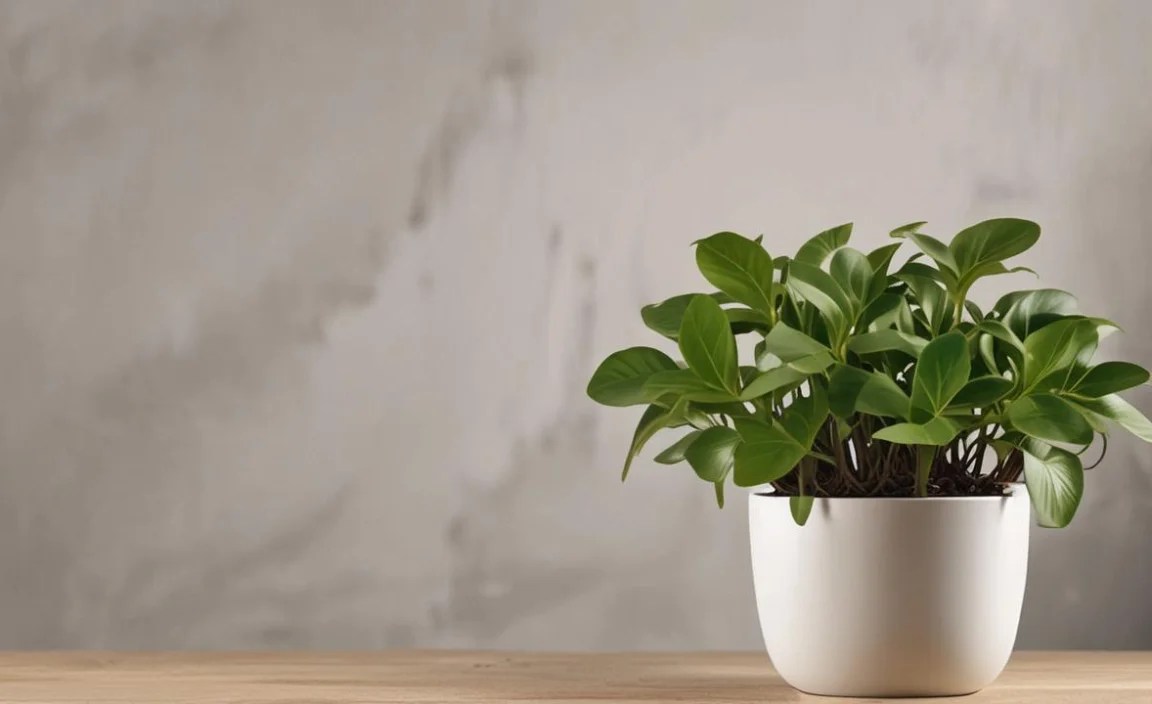
Even with the best care, your indoor money plant might have problems. One common problem is pests. Pests are small insects that can damage the plant. Some common pests include spider mites, mealybugs, and aphids. You can get rid of pests by wiping the leaves with a damp cloth. You can also use insecticidal soap. Another common problem is root rot. Root rot is caused by overwatering. The roots start to rot and the plant dies. To prevent root rot, make sure the soil drains well. Don’t overwater the plant. Keep an eye on your plant and address problems quickly. Think of it like being a doctor for your plant. You need to diagnose the problem and find the right treatment.
| Problem | Cause | Solution |
|---|---|---|
| Yellowing Leaves | Overwatering, nutrient deficiency | Adjust watering, fertilize |
| Brown Leaf Tips | Dry air, underwatering | Increase humidity, water more |
| Pests | Insects like spider mites | Insecticidal soap, wipe leaves |
| Root Rot | Overwatering, poor drainage | Repot in fresh soil, water less |
Imagine your plant is trying to tell you something is wrong. It might be through yellowing leaves, spots, or stunted growth. Learning to recognize these signs is essential for keeping your indoor money plant healthy. Addressing problems early can prevent them from becoming severe. By taking the time to understand your plant’s needs and responding promptly, you can ensure it thrives. Think of it as being a responsible plant parent, always attentive and ready to provide the best care possible.
Identifying Common Pests
Pests can be a real nuisance for your money plant. Spider mites are tiny and hard to see. They leave behind webs on the leaves. Mealybugs look like small cotton balls. They suck the sap out of the plant. Aphids are small green insects that cluster on the stems and leaves. To identify pests, look closely at your plant. Use a magnifying glass if needed. Check the undersides of the leaves. Look for signs of damage, like holes or discoloration. Identifying pests early is important. The sooner you treat them, the better.
Treating Root Rot
Root rot is a serious problem for money plants. It’s caused by overwatering and poor drainage. The roots start to rot and the plant can die. If you suspect root rot, take the plant out of the pot. Examine the roots. Healthy roots are firm and white. Rotten roots are soft and brown. Cut off any rotten roots with clean scissors. Repot the plant in fresh, well-draining soil. Water sparingly until the plant recovers. Preventing root rot is easier than treating it. Be careful not to overwater your plant.
Preventing Problems
Preventing problems is the best way to keep your money plant healthy. Make sure the soil drains well. Don’t overwater the plant. Give it plenty of bright, indirect sunlight. Check the plant regularly for pests. Wipe the leaves with a damp cloth to remove dust. Fertilize the plant every few months. By following these tips, you can create a healthy environment for your money plant. It will thrive and bring you good luck. Prevention is like building a strong foundation. It sets the stage for a long and healthy life.
Fun Fact or Stat: Regular cleaning of plant leaves can improve their ability to photosynthesize by up to 50%!
Propagating Your Money Plant
Propagating your money plant is a fun way to make new plants. It’s like magic! You can take a cutting from your existing plant and grow a whole new one. The easiest way to propagate a money plant is through stem cuttings. Cut a stem about 4-6 inches long. Make sure it has a few leaves on it. Remove the leaves from the bottom inch of the stem. Place the cutting in a glass of water. Make sure the bottom node is submerged. The node is where the leaves used to grow. Place the glass in a bright, indirect light. Change the water every few days. After a few weeks, roots will start to grow. Once the roots are about an inch long, you can plant the cutting in soil. Now you have a brand new money plant!
- Take stem cuttings 4-6 inches long.
- Remove lower leaves from the cutting.
- Place cutting in water until roots grow.
- Change water every few days.
- Plant rooted cutting in soil.
- Keep soil moist until established.
Imagine you’re a magician, creating new life from a single cutting. Propagating your money plant is a rewarding experience. It allows you to expand your plant collection and share the joy of growing with friends and family. By following a few simple steps, you can easily create new plants from your existing one. It’s a great way to learn more about plant growth and development. Plus, it’s a fun and educational activity for kids. Think of it as a science experiment that yields beautiful results.
When to Propagate
The best time to propagate your money plant is in the spring or summer. This is when the plant is actively growing. It will root more quickly. Avoid propagating in the fall or winter. The plant is dormant during these months. It won’t root as easily. Propagating in the spring or summer is like giving your cutting a head start. It has plenty of energy to grow and thrive. Propagating at the right time can make a big difference in the success of your new plant.
Best Medium for Rooting
The easiest way to root a money plant cutting is in water. Just place the cutting in a glass of water and wait for roots to grow. You can also root cuttings directly in soil. Use a well-draining potting mix. Keep the soil moist but not soggy. Another option is to use sphagnum moss. Soak the moss in water and squeeze out the excess. Wrap the moss around the cutting and keep it moist. Each method has its own advantages. Water is easy and you can see the roots growing. Soil is more natural. Sphagnum moss holds moisture well.
Caring for New Cuttings
New cuttings need special care. Keep the soil moist but not soggy. Give them plenty of bright, indirect sunlight. Avoid direct sunlight, which can burn the leaves. Fertilize the cuttings every few weeks. Use a diluted fertilizer solution. Watch for signs of pests or diseases. Treat any problems promptly. Be patient. It can take several weeks for the cuttings to root and start growing. Caring for new cuttings is like caring for a baby. They need extra attention and love. With the right care, they will grow into healthy, thriving plants.
Fun Fact or Stat: Propagating plants from cuttings is an ancient technique used by gardeners for centuries!
The Symbolism of the Money Plant
The money plant is more than just a pretty plant. It has a special meaning. In many cultures, it’s a symbol of good luck and wealth. People believe it can bring prosperity and success. The round leaves are said to represent coins. Placing a money plant in your home or office is thought to attract positive energy. It’s also a symbol of growth and abundance. The money plant reminds us to be grateful for what we have. It encourages us to strive for more. Whether you believe in its symbolism or not, the money plant is a beautiful addition to any space. It’s a reminder to be positive and hopeful. Think of it as a little green friend that brings good vibes. It’s great to have a soil money plant indoor.
- Symbolizes good luck and wealth.
- Represents prosperity and success.
- Round leaves resemble coins.
- Attracts positive energy.
- Promotes growth and abundance.
- Reminds us to be grateful.
Imagine your money plant as a little beacon of positivity. It’s a reminder of your goals and aspirations. The symbolism of the money plant adds an extra layer of meaning to your plant care routine. It’s not just about watering and pruning; it’s about nurturing a symbol of hope and prosperity. Whether you’re starting a new business or simply seeking a bit of good fortune, the money plant can serve as a constant reminder of your potential. Think of it as a lucky charm that also happens to be a beautiful houseplant.
Cultural Significance
The money plant has different meanings in different cultures. In some cultures, it’s associated with Feng Shui. Feng Shui is an ancient Chinese practice that aims to create harmony in your environment. Placing a money plant in certain areas of your home is believed to improve the flow of energy. In other cultures, it’s simply seen as a symbol of good luck. The money plant is a popular gift for new businesses or homes. It’s a way to wish someone prosperity and success. The cultural significance of the money plant adds to its appeal. It’s a plant with a story to tell.
Placement for Good Fortune
Where you place your money plant can affect its symbolism. According to Feng Shui, the southeast corner of your home is the best place for a money plant. This area is associated with wealth and abundance. Avoid placing the plant in the bathroom or bedroom. These areas are considered to be less auspicious. You can also place a money plant in your office. It’s believed to attract success and prosperity to your business. The placement of your money plant is a way to enhance its positive energy. It’s like setting the stage for good fortune to enter your life.
Incorporating into Your Life
You can incorporate the symbolism of the money plant into your daily life. Use it as a reminder to be grateful for what you have. Set goals and work towards them. Believe in your own potential for success. The money plant can be a source of inspiration. It’s a reminder that anything is possible. You can also share the symbolism of the money plant with others. Give it as a gift to friends or family who are starting new ventures. It’s a way to wish them good luck and prosperity. The money plant is more than just a plant. It’s a symbol of hope and possibility.
Fun Fact or Stat: In Feng Shui, the number of stems on a money plant can also have symbolic meaning, with different numbers representing different types of good fortune!
Summary
The money plant is a popular indoor plant. People believe it brings good luck and wealth. It is easy to grow in soil. Choose well-draining soil. Give it bright, indirect sunlight. Water when the top inch of soil is dry. Prune to encourage bushier growth. Watch out for pests and root rot. You can propagate new plants from cuttings. The money plant is a symbol of prosperity and success. It’s a beautiful and meaningful addition to any home. Growing a soil money plant indoor can be a fun and rewarding experience.
Conclusion
Growing a money plant indoor is easy. It brings beauty and good luck to your home. You learned about soil, light, and water. Now you can care for your plant. Enjoy watching it grow. May your soil money plant indoor bring you happiness and prosperity. Remember to have fun!
Frequently Asked Questions
Question No 1: What kind of soil is best for a money plant?
Answer: The best soil for a money plant is well-draining potting mix. You can make your own mix by combining potting soil, perlite, and peat moss. Perlite helps with drainage, preventing the soil from becoming waterlogged. Peat moss helps retain moisture, providing the right balance for your plant. Avoid using heavy clay soils, as they can hold too much water and lead to root rot. A good soil mix is essential for the health of your indoor money plant.
Question No 2: How often should I water my money plant?
Answer: You should water your money plant when the top inch of soil feels dry to the touch. Stick your finger into the soil to check its moisture level. During the growing season (spring and summer), you may need to water more frequently. In the winter months, when the plant is dormant, you can reduce watering. Overwatering can lead to root rot, so it’s better to err on the side of underwatering. Always ensure that excess water drains out of the pot after watering.
Question No 3: What kind of light does a money plant need?
Answer: Money plants thrive in bright, indirect sunlight. Avoid placing them in direct sunlight, as this can scorch their leaves. A north-facing or east-facing window is ideal. If you don’t have enough natural light, you can supplement with a grow light. Rotate your plant regularly to ensure even growth on all sides. Adequate light is crucial for the money plant’s photosynthesis process, which helps it produce energy and stay healthy. If you want to keep it indoor, make sure it gets enough light.
Question No 4: How do I propagate a money plant?
Answer: You can easily propagate a money plant through stem cuttings. Cut a stem about 4-6 inches long, making sure it has a few leaves. Remove the leaves from the bottom inch of the stem. Place the cutting in a glass of water, ensuring the bottom node is submerged. Change the water every few days. After a few weeks, roots will start to grow. Once the roots are about an inch long, you can plant the cutting in soil. Keep the soil moist until the new plant is established.
Question No 5: What are some common problems with money plants?
Answer: Some common problems with money plants include yellowing leaves, brown leaf tips, pests, and root rot. Yellowing leaves can be caused by overwatering or nutrient deficiency. Brown leaf tips are often a sign of dry air or underwatering. Pests such as spider mites and mealybugs can damage the plant. Root rot is caused by overwatering and poor drainage. Addressing these problems promptly can help keep your money plant healthy and thriving. Using the right soil money plant indoor is a great way to prevent these problems.
Question No 6: Is the money plant toxic to pets?
Answer: Yes, the money plant is considered toxic to pets if ingested. It contains calcium oxalate crystals, which can cause irritation and discomfort. If you have pets, it’s best to keep your money plant out of their reach. Symptoms of ingestion can include excessive drooling, vomiting, and difficulty swallowing. If you suspect your pet has ingested a money plant, contact your veterinarian immediately. While the money plant is beautiful and brings good luck, it’s important to prioritize the safety of your furry friends.
