Have you ever seen a spider in your house? Did it make you jump? Spiders can be scary. But they are also part of nature. Sometimes, they wander inside. What can you do? Some people want to spray spiders indoors. But is that always the best idea? Let’s find out more about spiders and how to handle them.
Spiders eat bugs. They help keep our homes free from other pests. But most people don’t like spiders inside. It is important to know how to deal with them safely. We can learn how to keep spiders out. And what to do if they get in.
We need to think about our pets and family. Some sprays can be harmful. We want to protect everyone in our home. So, let’s explore safe ways to handle spiders. This will help you feel more comfortable in your house.
Key Takeaways
- When you spray spiders indoors, aim directly and ventilate the area well afterward.
- Natural methods like vinegar or peppermint oil can deter spiders.
- Sealing cracks and cleaning regularly helps prevent spiders from entering your home.
- Some spiders are helpful because they eat other bugs in your house.
- Always read the label and follow safety instructions when using any spray.
How to Safely Spray Spiders Indoors

It is important to know how to spray spiders indoors safely. You should always read the label on the spray can. This tells you how to use it correctly. Make sure to wear gloves and a mask. This will protect you from the chemicals. Open the windows to let fresh air in. Keep kids and pets away from the area. Spraying should be done carefully. Aim the spray directly at the spider. Do not spray the whole room. After spraying, leave the room. Let it air out for a while before going back in. This helps to keep everyone safe. Remember, safety first when dealing with spiders and sprays.
- Read the label carefully before using any spray.
- Wear gloves and a mask for protection.
- Open windows for good airflow.
- Keep kids and pets away from sprayed areas.
- Aim directly at spiders, not the entire room.
- Let the room air out after spraying.
Sometimes, spiders can hide in hard-to-reach places. Under furniture or in corners are common spots. When you spray spiders indoors, check these areas. Be careful when moving things. Spiders might run out quickly. If you don’t want to spray, you can try catching the spider. Use a jar and a piece of paper. Gently trap the spider and release it outside. This is a safe way to remove the spider without harming it. Always be gentle and cautious when handling spiders.
Fun Fact or Stat: Some spiders can hold their breath underwater for up to 30 minutes!
What Kind of Spray Should I Use?
Choosing the right spray is very important. There are many kinds of sprays. Some are made with chemicals. Others are made with natural ingredients. Chemical sprays can be very strong. They can kill spiders quickly. But they can also be harmful to people and pets. Natural sprays are often safer. They use things like plants and oils to keep spiders away. Read the labels carefully. Think about what is best for your family. If you have pets or small children, natural sprays might be better. They are less likely to cause harm. Always make sure the spray is safe to use indoors.
Where Should I Spray?
Do you know where spiders like to hide? They often stay in dark and quiet places. You might find them in corners, under furniture, or in closets. When you spray spiders indoors, focus on these areas. Also, spray around windows and doors. These are places where spiders can get inside. Be careful not to spray on food or dishes. If you do, wash them very well. Remember to only spray where it is needed. You don’t have to spray the whole house. Just target the areas where spiders are likely to be.
What If I Don’t Want to Spray?
Not everyone wants to spray spiders. That’s okay! There are other ways to deal with them. You can use a vacuum cleaner to suck them up. Then, take the vacuum outside and empty it. You can also trap spiders with a jar and paper. Gently slide the paper under the jar. Then, take the spider outside and let it go. Another idea is to use natural repellents. Spiders don’t like the smell of peppermint. You can put peppermint oil in a spray bottle with water. Then, spray it around your house. This can help keep spiders away without using harmful chemicals.
Natural Ways to Keep Spiders Away Instead of Spraying

Many people want to avoid using chemicals. Luckily, there are natural ways to keep spiders away. These methods are safer for your family and pets. One popular choice is peppermint oil. Spiders don’t like the strong smell of peppermint. Mix a few drops of peppermint oil with water in a spray bottle. Spray this mixture around your windows, doors, and corners. Another option is vinegar. Mix equal parts of vinegar and water. Spray this solution in areas where you see spiders. You can also use citrus scents. Place lemon or orange peels around your home. These natural remedies can help keep spiders away without using harmful chemicals.
- Use peppermint oil mixed with water as a spray.
- Spray vinegar and water around spider-prone areas.
- Place lemon or orange peels around your house.
- Use cedar wood chips in closets and storage areas.
- Keep your home clean and free of clutter.
- Plant eucalyptus around your home’s foundation.
Keeping your home clean can also help. Spiders like to hide in clutter. Make sure to dust and vacuum regularly. Remove any webs you see. Seal up cracks and holes in your walls. This will stop spiders from getting inside. Trim bushes and plants around your house. Spiders can use these to climb into your home. Natural methods are a great way to keep spiders away. They are safe and effective. Plus, they won’t harm the environment. Using these tips will help you keep spiders out of your home.
Fun Fact or Stat: Spiders have been around for over 300 million years!
Why Do Spiders Come Inside?
Do you ever wonder why spiders come inside? They usually come in search of food or shelter. Spiders eat insects. If you have lots of bugs in your house, spiders will come to hunt them. They also look for warm places to hide during the cold months. Cracks in your walls and gaps around windows are easy entry points. Keep your house clean to reduce bugs. Seal up any holes to keep spiders out. This will make your home less attractive to spiders. Remember, spiders are just looking for food and a safe place to live.
How Often Should I Use Natural Repellents?
If you choose to use natural repellents, how often should you use them? It depends on the product. For peppermint oil or vinegar sprays, use them once a week. This will keep the scent strong and effective. Reapply after cleaning your house. This will replace any repellent that was washed away. Watch for new spider webs. If you see them, it’s time to reapply. Natural repellents are safe to use often. They won’t harm your family or pets. Regular use will help keep spiders away.
Can Natural Repellents Harm Spiders?
Natural repellents don’t usually harm spiders. They just make them want to leave. The strong smells of peppermint or vinegar are unpleasant to spiders. These smells don’t kill them. They simply keep them away. This is a more humane way to deal with spiders. You’re not hurting them. You’re just asking them to find a new home. If you want to remove a spider, try catching it in a jar. Then, release it outside. This is a safe and kind way to handle spiders. Remember, spiders are part of our ecosystem.
Sealing Entry Points to Prevent Spiders From Entering

One of the best ways to keep spiders out is to seal entry points. Spiders can squeeze through very small cracks and holes. Check your windows and doors. Make sure they are sealed tightly. Use caulk to fill any gaps. Look at your foundation. Seal any cracks you find there. Also, check where pipes and wires enter your house. Spiders can use these openings to get inside. Use steel wool or foam to block these areas. By sealing entry points, you make it harder for spiders to get in. This will help keep your home spider-free.
- Seal cracks and gaps around windows and doors.
- Caulk any openings in your home’s foundation.
- Use steel wool to fill gaps around pipes.
- Install door sweeps on exterior doors.
- Cover vents and chimneys with screens.
- Repair or replace damaged window screens.
Don’t forget about your attic and basement. These are common places for spiders to hide. Check for any openings in the walls or ceilings. Seal them up to prevent spiders from entering. Make sure your screens are in good condition. Repair or replace any torn screens. Spiders can easily crawl through holes in screens. Keeping your home sealed is a great way to prevent spiders. It also helps to keep out other pests. A sealed home is a more comfortable and pest-free home.
Fun Fact or Stat: The strongest spider silk is stronger than steel!
What Materials Should I Use to Seal?
Choosing the right materials to seal entry points is important. Caulk is a good choice for small cracks and gaps. It is easy to apply and dries quickly. For larger holes, use expanding foam. This will fill the space completely. Steel wool is great for blocking holes around pipes. Spiders can’t chew through it. Weather stripping can be used around doors and windows. This helps to create a tight seal. Make sure to use materials that are safe for your home. Read the labels carefully before you start sealing.
How Often Should I Check for New Openings?
It’s a good idea to check for new openings regularly. Check your home at least twice a year. Look for new cracks or gaps in the walls and foundation. Inspect your windows and doors. Make sure the seals are still tight. Check your screens for any tears or holes. After a storm, check for any damage. Sealing your home is an ongoing process. Regular checks will help you keep spiders out. This will keep your home pest-free all year round.
What About Vents and Chimneys?
Vents and chimneys are often overlooked. But they can be easy entry points for spiders. Cover vents with screens. This will allow air to flow but keep spiders out. Make sure the screens are securely attached. For chimneys, consider using a chimney cap. This will prevent spiders and other animals from getting inside. Check these areas regularly. Make sure the screens and caps are in good condition. Keeping vents and chimneys sealed will help keep spiders out of your home.
Cleaning Regularly to Reduce Spider Habitats

Keeping your home clean is a simple way to reduce spider habitats. Spiders like to hide in clutter and dusty corners. Regular cleaning removes these hiding places. Vacuum your floors often. Dust your furniture and shelves. Wipe down countertops and sinks. Sweep porches and patios. Clear away any cobwebs you see. Pay attention to dark and quiet areas. These are the places where spiders like to build their webs. A clean home is less attractive to spiders. It also helps to reduce other pests. Regular cleaning will make your home more comfortable and spider-free.
- Vacuum floors and carpets regularly.
- Dust furniture and shelves frequently.
- Wipe down countertops and sinks.
- Sweep porches and patios.
- Clear away cobwebs as soon as you see them.
- Declutter storage areas to reduce hiding spots.
Don’t forget about your closets and storage areas. These can become cluttered quickly. Spiders love to hide in boxes and piles of clothes. Organize your closets and storage areas. Remove any unnecessary items. Store items in sealed containers. This will make it harder for spiders to find a place to hide. A well-organized home is less appealing to spiders. It also makes it easier to spot any spiders that do get inside. Regular cleaning and organizing will help keep your home spider-free.
Fun Fact or Stat: Some spiders can jump up to 50 times their own length!
How Often Should I Clean?
How often should you clean to keep spiders away? Aim to clean your home at least once a week. This includes vacuuming, dusting, and sweeping. More frequent cleaning may be needed in certain areas. If you have pets, you may need to vacuum more often. If you live in a dusty area, you may need to dust more often. Regular cleaning is key to keeping spiders away. A clean home is a happy home, and a less spider-filled home.
What Cleaning Products Should I Use?
You don’t need special cleaning products to keep spiders away. Regular household cleaners will do the job. Use a good vacuum cleaner to remove dust and dirt. Use a damp cloth to wipe down surfaces. You can add a few drops of essential oil to your cleaning water. Peppermint or eucalyptus oil can help repel spiders. Avoid using harsh chemicals. These can be harmful to your family and pets. Simple, natural cleaning products are often the best choice.
What About Outdoor Cleaning?
Outdoor cleaning is just as important as indoor cleaning. Clear away leaves and debris from around your foundation. Trim bushes and plants that are close to your house. Remove any spider webs you see outside. Keep your gutters clean. Clogged gutters can attract pests, including spiders. Outdoor cleaning will help prevent spiders from entering your home. It will also make your yard look more attractive. A clean yard is a pest-free yard.
Understanding Which Spiders are Harmless
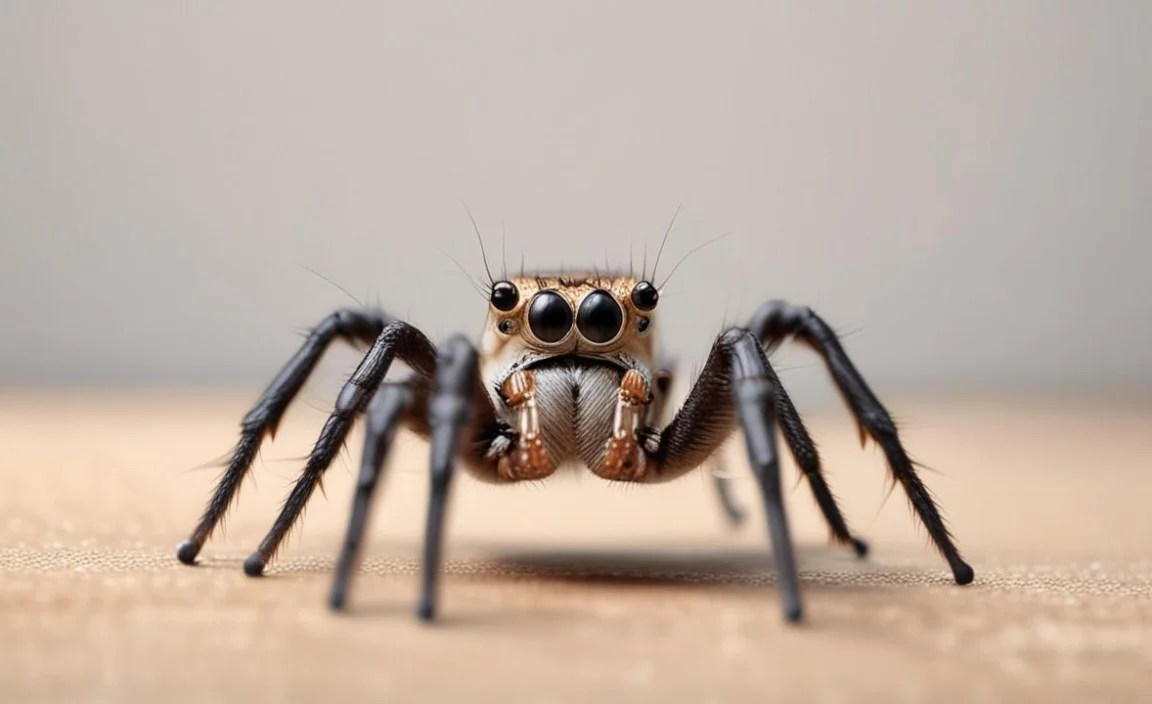
Not all spiders are dangerous. In fact, most spiders are harmless to humans. Many spiders even help us by eating other insects. It’s important to know which spiders are harmless. This can help you avoid unnecessary fear. Common harmless spiders include house spiders and jumping spiders. House spiders are usually small and brown. They build webs in corners and ceilings. Jumping spiders are small and active. They jump around instead of building webs. These spiders are not poisonous and won’t bite unless threatened. Understanding which spiders are harmless can help you feel more comfortable in your home.
| Spider Type | Appearance | Behavior | Danger Level |
|---|---|---|---|
| House Spider | Small, brown | Builds webs in corners | Harmless |
| Jumping Spider | Small, colorful | Jumps actively | Harmless |
| Wolf Spider | Large, hairy, brown | Hunts on the ground | Harmless (bite may be painful) |
| Black Widow Spider | Black with red hourglass | Builds messy webs | Venomous (seek medical attention) |
| Brown Recluse Spider | Brown with violin marking | Hides in dark places | Venomous (seek medical attention) |
If you see a spider, try to identify it. Look for its size, color, and markings. Observe its behavior. Does it build a web or hunt on the ground? If you are unsure, take a picture. Then, look it up online or ask an expert. Knowing what kind of spider you are dealing with can help you decide what to do. Remember, most spiders are not dangerous. They are just trying to find food and shelter.
Fun Fact or Stat: There are over 48,000 known species of spiders in the world!
What Should I Do If I Find a Harmless Spider?
If you find a harmless spider, you have a few options. You can leave it alone. It will likely eat other insects in your home. You can also catch it and release it outside. Use a jar and a piece of paper to trap the spider. Then, take it outside and let it go. Avoid killing harmless spiders. They are a natural part of our ecosystem. They also help to control pests in our homes and gardens. Be kind to spiders, and they will be kind to you.
What About Spiders That Look Scary?
Some spiders may look scary, even if they are harmless. Large, hairy spiders can be intimidating. But their appearance doesn’t always mean they are dangerous. Many large spiders are actually beneficial. They eat other insects and help to keep our homes pest-free. Before you react with fear, try to identify the spider. Look for its markings and behavior. It may be a harmless spider that just looks scary. Remember, don’t judge a spider by its appearance.
When Should I Be Concerned About a Spider Bite?
Most spider bites are harmless. They may cause a little redness and itching. But they usually don’t require medical attention. However, some spider bites can be dangerous. If you are bitten by a black widow or brown recluse spider, seek medical attention right away. Watch for signs of a serious reaction. These include severe pain, swelling, fever, or difficulty breathing. If you are concerned about a spider bite, talk to a doctor. It’s always better to be safe than sorry.
When to Call a Professional for Spider Control
Sometimes, spider problems can be too big to handle on your own. In these cases, it’s best to call a professional. If you have a large infestation of spiders, a professional can help. They have the tools and knowledge to get rid of the spiders safely and effectively. If you are dealing with dangerous spiders, such as black widows or brown recluses, call a professional. These spiders can be dangerous to your health. A professional can remove them safely. If you have tried everything and still can’t get rid of the spiders, it’s time to call for help.
- Large spider infestations are best handled by professionals.
- Dangerous spiders require professional removal for safety.
- If DIY methods fail, seek professional assistance.
- Professionals have specialized equipment and knowledge.
- They can identify spider species and their habits.
- They can offer long-term solutions for spider control.
When you call a professional, they will inspect your home. They will identify the type of spiders you are dealing with. They will also look for entry points and hiding places. Then, they will develop a plan to get rid of the spiders. This may include spraying, trapping, or sealing entry points. They will also give you advice on how to prevent spiders from coming back. Hiring a professional can give you peace of mind. You’ll know that your spider problem is being handled safely and effectively.
Fun Fact or Stat: Spiders can eat up to 2,000 insects per year!
How Do I Find a Good Pest Control Company?
Finding a good pest control company is important. Ask friends and family for recommendations. Check online reviews. Look for companies with good ratings and positive feedback. Make sure the company is licensed and insured. This will protect you if something goes wrong. Ask about their experience and qualifications. Choose a company that is knowledgeable and trustworthy. A good pest control company will provide effective and safe service.
What Questions Should I Ask a Pest Control Company?
Before you hire a pest control company, ask some questions. Ask about their methods for spider control. Do they use safe and effective products? Ask about their experience with different types of spiders. Do they offer a guarantee? What happens if the spiders come back? Ask for a written estimate. This will help you compare prices and services. Asking the right questions will help you choose the best company for your needs.
How Can I Prepare My Home for Pest Control?
There are things you can do to prepare your home for pest control. Remove clutter from around your foundation. Trim bushes and plants that are close to your house. Clean your home thoroughly. Vacuum, dust, and sweep. Cover or remove any food items. Move furniture away from the walls. This will give the pest control technician access to all areas. Preparing your home will help the pest control treatment be more effective. It will also help to protect your family and pets.
Using Spider Traps as an Alternative to Spraying
Spider traps are a simple way to catch spiders without using sprays. These traps are sticky and have a bait to attract spiders. Place them in areas where you see spiders. Corners, under furniture, and along walls are good spots. When a spider walks onto the trap, it gets stuck. Check the traps regularly. Replace them when they are full. Spider traps are a safe and effective way to control spiders. They are also easy to use. You can buy them at most hardware stores.
- Place spider traps in corners and along walls.
- Check traps regularly and replace when full.
- Spider traps are a safe and non-toxic option.
- They are easy to use and require no special skills.
- Traps can help monitor spider activity in your home.
- Combine traps with other prevention methods for best results.
Spider traps are a good option if you don’t want to spray spiders indoors. They are non-toxic and safe for kids and pets. They also don’t release any chemicals into the air. However, spider traps only catch the spiders that walk onto them. They won’t get rid of spiders that are hiding in hard-to-reach places. For best results, use spider traps along with other prevention methods. This will help you keep your home spider-free.
Fun Fact or Stat: Some spiders can survive for months without food!
How Do Spider Traps Work?
Spider traps work by attracting spiders with bait. The bait is usually a sticky substance that smells appealing to spiders. When a spider walks onto the trap, it gets stuck in the sticky substance. It can’t escape. The spider eventually dies. Spider traps are a passive way to catch spiders. They don’t require any action on your part. Just place them in the right spots and let them do their work.
Where Should I Place Spider Traps?
The best places to put spider traps are in areas where you see spiders. Corners, under furniture, and along walls are good choices. Also, place traps near doors and windows. These are common entry points for spiders. Put traps in closets and storage areas. Spiders like to hide in these dark and quiet places. Check the traps regularly. Move them to different locations if you’re not catching any spiders.
How Long Do Spider Traps Last?
Spider traps usually last for several months. However, you may need to replace them sooner if they get full of spiders or dust. Check the traps regularly. If they are covered in debris, they won’t be as effective. Replace them with fresh traps. Spider traps are an affordable way to control spiders. They are a good investment for a spider-free home.
Summary
Spiders can be scary, but most are harmless. It’s important to know how to deal with them safely. There are many ways to keep spiders out of your home. Sealing entry points and cleaning regularly can help. Natural repellents like peppermint oil can also work. If you choose to spray spiders indoors, be careful. Read the label and follow safety instructions.
You can also use spider traps as an alternative to sprays. If you have a serious spider problem, call a professional. Remember, spiders are part of our ecosystem. They eat other insects and help to keep our homes pest-free. By following these tips, you can keep spiders out of your home.
Conclusion
Dealing with spiders can be easy. You can keep spiders out of your house. Seal cracks around windows and doors. Keep your home clean and tidy. Use natural sprays like peppermint oil. These things help keep spiders away. If you spray spiders indoors, always be careful. Follow the directions on the can. By taking these steps, you can keep your home free from spiders.
Frequently Asked Questions
Question No 1: Is it safe to spray for spiders indoors?
Answer: It can be safe to spray for spiders indoors if you take the right precautions. Always read and follow the instructions on the product label. Make sure to ventilate the area well by opening windows and doors. Keep children and pets away from the sprayed area until it is dry. Consider using natural alternatives like peppermint oil if you are concerned about chemicals. If you have any health concerns, consult a doctor before spraying.
Question No 2: What is the best spray to use for spiders?
Answer: The best spray to use for spiders depends on your preferences and concerns. Some people prefer chemical sprays that kill spiders quickly. Others prefer natural sprays that are safer for the environment and your family. Look for sprays that are specifically designed for spiders. Read reviews to see what other people have had success with. Consider using a combination of sprays and other methods for best results. Always follow the instructions on the product label.
Question No 3: How can I prevent spiders from coming into my house?
Answer: There are several things you can do to prevent spiders from coming into your house. Seal cracks and gaps around windows and doors. This will prevent spiders from entering your home. Keep your house clean and tidy. Remove clutter and cobwebs. This will reduce hiding places for spiders. Use natural repellents like peppermint oil or vinegar. These will deter spiders from entering your home. Trim bushes and plants around your house. Spiders can use these to climb into your home.
Question No 4: Are all spiders dangerous?
Answer: No, not all spiders are dangerous. In fact, most spiders are harmless to humans. Many spiders even help us by eating other insects. Only a few types of spiders are poisonous, such as black widows and brown recluses. If you are bitten by a spider and experience severe pain, swelling, or difficulty breathing, seek medical attention right away. Otherwise, most spider bites are harmless and will heal on their own.
Question No 5: Can I use natural methods to get rid of spiders?
Answer: Yes, there are many natural methods you can use to get rid of spiders. Peppermint oil is a popular choice. Spiders don’t like the smell of peppermint. Mix a few drops of peppermint oil with water in a spray bottle. Spray this mixture around your windows, doors, and corners. Vinegar is another option. Mix equal parts of vinegar and water. Spray this solution in areas where you see spiders. Citrus scents can also help. Place lemon or orange peels around your home. These natural remedies can help keep spiders away without using harmful chemicals and without needing to spray spiders indoors.
Question No 6: What should I do if I find a spider web in my house?
Answer: If you find a spider web in your house, remove it immediately. Use a vacuum cleaner or broom to remove the web. This will prevent the spider from catching food and building more webs. If you see the spider, you can try to catch it and release it outside. Use a jar and a piece of paper to trap the spider. Then, take it outside and let it go. If you don’t want to touch the spider, you can spray it with a spider spray. Always follow the instructions on the product label to ensure safety. Preventing spider webs is key to keeping spiders away.
