Do you want to grow your own yummy snacks? Have you ever thought about making a garden? Gardening can seem hard. But it’s not! This guide shows you step by step gardening for beginners. Soon, you will have your own plants. Let’s learn how to start a garden.
Key Takeaways
- Step by step gardening for beginners involves planning, planting, and caring for plants.
- Choose a sunny spot for your garden. Plants need sunlight to grow.
- Water your plants regularly. This helps them stay strong.
- Pull out any weeds that grow. Weeds steal food from your plants.
- Have fun watching your garden grow! Gardening is a great hobby.
Step By Step: Gardening For Newbies

Starting a garden is like beginning a fun adventure! First, you need to pick a good spot. Look for a place in your yard that gets lots of sunlight. Most plants need at least six hours of sun each day. Next, you need to get the soil ready. Soil is like food for plants. You can buy special soil at a store. Or, you can use the soil in your yard. Just make sure it is loose and not too hard. Now, it’s time to choose your plants. Think about what you like to eat. Do you like tomatoes? How about carrots? Pick plants that you will enjoy. With these easy steps, your garden will be off to a great start!
- Find a sunny spot in your yard.
- Get the soil ready for planting.
- Choose plants you like to eat.
- Buy seeds or small plants.
- Get your tools ready to dig.
Once you have your spot, soil, and plants, you are ready to plant. Read the instructions on the seed packet or plant tag. This will tell you how far apart to space your plants. Dig a small hole and gently place the seed or plant in the hole. Cover it with soil and pat it down lightly. Water the plants right after you plant them. This helps them get settled in their new home. Remember to keep watering them regularly. Check the soil every day. If it feels dry, it’s time to water. Gardening is all about learning and having fun. Enjoy the process!
What Do Plants Need to Grow?
Have you ever wondered what plants need to grow big and strong? Plants are like us. They need certain things to stay healthy. One of the most important things is sunlight. Plants use sunlight to make their own food. This process is called photosynthesis. It’s like a plant’s superpower! Plants also need water. Water helps them carry nutrients from the soil to all parts of the plant. Without water, plants will wilt and die. Just like we need to eat, plants need nutrients from the soil. These nutrients help them grow leaves, stems, and roots. So, remember to give your plants sunlight, water, and good soil!
Choosing the Right Plants
Picking the right plants can make your garden even better. Some plants like lots of sun. Others prefer shade. It’s important to know what your plants need. Some plants grow well in pots. Others need to be planted in the ground. Think about the space you have. If you have a small yard, you might want to choose smaller plants. You can also grow plants in containers on your patio or balcony. Some plants are easy to grow. Others need more care. If you are a beginner, start with easy plants like lettuce or radishes. They grow quickly and don’t need much attention.
How to Water Your Plants
Watering your plants the right way is very important. Too much water can be just as bad as not enough. When you water, make sure the water reaches the roots of the plant. The roots are what take up the water and nutrients. Water slowly and deeply. This encourages the roots to grow deeper into the soil. Avoid watering the leaves of the plant. Wet leaves can attract diseases. Water in the morning or evening. This helps prevent the water from evaporating in the hot sun. Pay attention to the weather. If it has been raining, you might not need to water your plants at all.
Fun Fact or Stat: Did you know that some plants can grow taller than a house? Bamboo is a type of grass that can grow up to 100 feet tall!
Basic Gardening Tools For Beginners
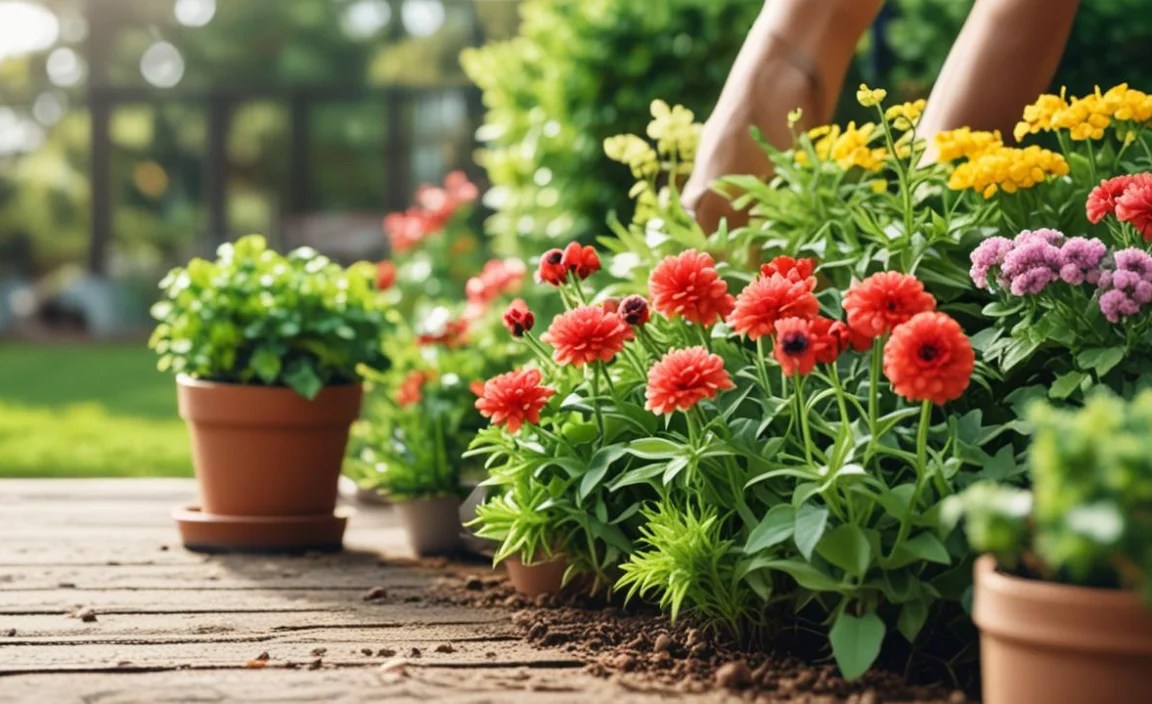
To start your gardening journey, you’ll need some tools. These tools help you dig, plant, and care for your garden. A small trowel is great for digging holes for your plants. A hand rake helps you smooth the soil and remove any rocks or debris. You’ll also need a watering can or hose to water your plants. Gardening gloves will protect your hands from dirt and thorns. A pair of pruning shears is useful for trimming dead leaves or branches. With these basic tools, you’ll be well-equipped to create a beautiful garden. Remember to clean your tools after each use to keep them in good condition.
- Trowel: For digging small holes.
- Hand Rake: To smooth soil.
- Watering Can: For watering plants.
- Gardening Gloves: To protect hands.
- Pruning Shears: For trimming plants.
Choosing the right tools can make gardening easier and more enjoyable. Look for tools that are comfortable to hold and easy to use. Some tools have special features, like ergonomic handles or adjustable lengths. These features can help reduce strain on your hands and back. Consider the size of your garden when choosing tools. If you have a large garden, you might need larger tools, like a shovel or a garden fork. If you have a small garden, smaller tools will work just fine. Don’t be afraid to ask for help at the garden store. The staff can help you choose the best tools for your needs.
What is a Trowel Used For?
A trowel is a small, handheld tool with a pointed blade. It is one of the most essential tools for any gardener. You can use a trowel to dig small holes for planting seeds or seedlings. It’s also great for transplanting plants from one pot to another. A trowel can help you loosen soil around plants. This allows the roots to get more air and water. You can also use a trowel to mix fertilizer into the soil. When choosing a trowel, look for one that is sturdy and comfortable to hold. A good trowel will last for many years and make your gardening tasks much easier.
Why Use Gardening Gloves?
Gardening gloves are important for protecting your hands while you work in the garden. They can protect you from dirt, thorns, and insects. Gloves can also help prevent cuts and scrapes. Some gloves are made of waterproof material. This helps keep your hands dry while you water your plants. Gardening gloves come in different sizes and materials. Choose gloves that fit well and are comfortable to wear. Some gloves have padded palms for extra comfort. Others have long cuffs to protect your wrists and forearms. With a good pair of gardening gloves, you can garden without worrying about hurting your hands.
How to Use Pruning Shears
Pruning shears are used to trim and shape plants. They have sharp blades that can cut through stems and branches. Use pruning shears to remove dead or damaged leaves and stems. This helps keep your plants healthy and looking their best. You can also use pruning shears to shape your plants. This can make them more attractive and encourage them to grow in a certain way. When using pruning shears, be careful not to cut too much off the plant. It’s better to trim a little at a time than to cut off too much at once. Always clean your pruning shears after each use to prevent the spread of diseases.
Fun Fact or Stat: The world’s largest garden is the Dubai Miracle Garden, covering over 72,000 square meters and featuring over 50 million flowers!
Choosing The Right Soil For Your Garden

The right soil is like a good foundation for your garden. Plants get their nutrients from the soil. So, it’s important to choose the right kind. There are many different types of soil. Some soil is sandy, some is clay, and some is a mix of both. Sandy soil drains quickly. This means water passes through it easily. Clay soil holds water well. But it can become hard and compacted. The best soil for most plants is a mix of sand, clay, and organic matter. Organic matter is made up of things like compost and leaves. It helps improve the soil’s ability to hold water and nutrients. You can buy special potting soil at the store. Or, you can improve the soil in your yard by adding compost.
- Sandy soil drains water quickly.
- Clay soil holds water well.
- Organic matter improves soil.
- Potting soil is good for containers.
- Compost adds nutrients to soil.
Testing your soil can help you figure out what kind of soil you have. You can buy a soil testing kit at the garden store. Or, you can send a sample of your soil to a lab for testing. The test results will tell you the pH level of your soil. The pH level measures how acidic or alkaline your soil is. Most plants prefer soil that is slightly acidic. The test results will also tell you what nutrients are missing from your soil. This will help you choose the right fertilizer to add to your garden. Improving your soil is one of the best things you can do for your plants. Healthy soil leads to healthy plants!
What is Compost?
Compost is like a superfood for your plants! It is made from decomposed organic matter, like leaves, grass clippings, and food scraps. When these materials break down, they create a rich, dark substance that is full of nutrients. Adding compost to your soil can improve its texture, drainage, and fertility. Compost also helps retain moisture, which is important for plants during dry spells. You can make your own compost at home by creating a compost pile or using a compost bin. It takes time for materials to break down into compost, but the results are worth it. Your plants will thank you for it!
How to Test Your Soil
Testing your soil might sound like a science experiment, but it’s actually quite easy! You can buy a soil testing kit at most garden stores. The kit will come with instructions on how to collect a soil sample and perform the test. The test will tell you the pH level of your soil. It will also tell you the levels of important nutrients like nitrogen, phosphorus, and potassium. Knowing this information can help you choose the right fertilizer for your plants. If you don’t want to buy a soil testing kit, you can also send a soil sample to a lab for testing. The lab will provide you with a detailed report of your soil’s composition.
Why is Soil pH Important?
The pH level of your soil is important because it affects how well plants can absorb nutrients. Plants need certain nutrients to grow healthy and strong. But they can only absorb these nutrients if the soil pH is within a certain range. Most plants prefer a slightly acidic soil pH of around 6.0 to 7.0. If the soil pH is too high or too low, plants may not be able to get the nutrients they need. This can lead to stunted growth, yellow leaves, and other problems. You can adjust the soil pH by adding lime to raise the pH or sulfur to lower the pH. Soil testing is the best way to determine the pH level of your soil and whether you need to make any adjustments.
Fun Fact or Stat: One teaspoon of healthy soil can contain more living organisms than there are people on Earth!
Easy Plants For Beginner Gardens

Starting a garden can be super fun! Some plants are easier to grow than others. If you are a beginner, start with these easy plants. Lettuce is a great choice. You can grow it in a pot or in the ground. Radishes are also easy. They grow quickly, so you’ll see results fast. Carrots are fun to grow. Just make sure the soil is loose. Tomatoes are a popular choice. They need lots of sun and water. Herbs like basil and mint are also easy to grow. You can use them in your cooking. These plants are a great way to start your gardening adventure!
- Lettuce is easy to grow.
- Radishes grow very quickly.
- Carrots need loose soil.
- Tomatoes need lots of sun.
- Basil and mint are easy herbs.
When choosing plants for your garden, think about what you like to eat. Do you enjoy salads? Then plant lettuce, spinach, and cucumbers. Do you like to cook with herbs? Plant basil, oregano, and thyme. You can also grow flowers in your garden. Flowers attract bees and other pollinators. Pollinators help your plants produce fruits and vegetables. Some easy flowers to grow include sunflowers, marigolds, and zinnias. Gardening is a great way to connect with nature. It’s also a fun way to get some exercise and fresh air. So, get out there and start planting!
Growing Lettuce in Your Garden
Lettuce is a cool-season crop. This means it grows best in cooler temperatures. You can plant lettuce in the spring or fall. Choose a spot in your garden that gets partial shade. Lettuce doesn’t need a lot of direct sunlight. Sow the seeds directly into the soil. Or, you can start them indoors and transplant them later. Keep the soil moist but not soggy. Lettuce is ready to harvest when the leaves are big enough to eat. You can harvest the entire plant at once. Or, you can pick the outer leaves as needed. Lettuce is a great addition to salads, sandwiches, and wraps.
Planting Radishes From Seeds
Radishes are one of the fastest-growing vegetables. You can harvest them in just a few weeks. This makes them a great choice for impatient gardeners! Plant radish seeds directly into the soil. Choose a spot that gets full sun. Make sure the soil is loose and well-drained. Sow the seeds about half an inch deep. Water the seeds regularly. Radishes need consistent moisture to grow properly. Thin the seedlings when they are a few inches tall. This will give them room to grow. Radishes are ready to harvest when they are about an inch in diameter. They have a spicy, peppery flavor.
Caring For Your Tomato Plants
Tomatoes are a popular choice for home gardens. They need lots of sun and water. Start tomato plants indoors about six to eight weeks before the last frost. Transplant them outdoors when the weather is warm. Choose a spot that gets at least six hours of sun each day. Water tomato plants deeply and regularly. Fertilize them every few weeks with a tomato fertilizer. Provide support for your tomato plants. You can use stakes, cages, or trellises. This will help keep the plants upright and prevent the fruits from touching the ground. Harvest tomatoes when they are ripe and red.
Fun Fact or Stat: Did you know that tomatoes are technically fruits, not vegetables? They contain seeds and develop from the flower of the tomato plant.
Dealing With Garden Pests And Diseases

Sometimes, pests and diseases can cause problems in your garden. Pests are insects or animals that eat your plants. Diseases are caused by fungi, bacteria, or viruses. There are many ways to deal with pests and diseases. One way is to choose plants that are resistant to common problems. Another way is to keep your garden clean and free of debris. This will help prevent pests and diseases from getting started. You can also use organic pesticides or fungicides to control problems. Always read the instructions carefully before using any chemicals in your garden. With a little care, you can keep your plants healthy and pest-free.
| Pest/Disease | Symptoms | Control |
|---|---|---|
| Aphids | Small insects on leaves | Insecticidal soap |
| Tomato Hornworms | Large caterpillars eating leaves | Handpick and remove |
| Powdery Mildew | White powder on leaves | Fungicide or baking soda spray |
| Slugs and Snails | Holes in leaves | Slug bait or handpick |
- Choose resistant plants.
- Keep the garden clean.
- Use organic pesticides.
- Inspect plants regularly.
- Water plants properly.
Preventing pests and diseases is always better than trying to control them after they have started. One way to prevent problems is to practice crop rotation. This means planting different crops in the same spot each year. Crop rotation helps prevent soil-borne diseases from building up. Another way to prevent problems is to provide your plants with good growing conditions. Healthy plants are less likely to be attacked by pests and diseases. Make sure your plants get enough sunlight, water, and nutrients. Also, be sure to space your plants properly. This will allow air to circulate and prevent moisture from building up.
How to Identify Common Garden Pests
Knowing how to identify common garden pests is the first step in controlling them. Aphids are small, soft-bodied insects that suck sap from plants. They can be green, black, or brown. Tomato hornworms are large, green caterpillars that can quickly defoliate tomato plants. Slugs and snails are slimy creatures that feed on plant leaves. They often leave behind a trail of slime. Whiteflies are small, white insects that fly around plants. They also suck sap from plants. By learning to identify these common pests, you can take action to protect your plants before they cause too much damage.
Using Organic Pest Control Methods
Organic pest control methods are a safe and effective way to control pests in your garden. One popular method is to use insecticidal soap. Insecticidal soap is a mixture of soap and water that kills soft-bodied insects like aphids and whiteflies. Another method is to use neem oil. Neem oil is a natural insecticide that is derived from the neem tree. It can control a wide range of pests. You can also use beneficial insects to control pests. Ladybugs, for example, eat aphids. By using organic pest control methods, you can protect your plants without harming the environment.
Preventing Plant Diseases in Your Garden
Preventing plant diseases is an important part of keeping your garden healthy. One way to prevent diseases is to choose disease-resistant varieties of plants. Another way is to provide your plants with good growing conditions. Make sure they get enough sunlight, water, and nutrients. Avoid overcrowding your plants. This will allow air to circulate and prevent moisture from building up. Water your plants in the morning. This will give the leaves time to dry before nightfall. Remove any diseased leaves or plants from your garden. This will help prevent the disease from spreading.
Fun Fact or Stat: Ladybugs are natural predators of aphids, making them a gardener’s best friend. A single ladybug can eat up to 50 aphids per day!
Harvesting And Enjoying Your Garden’s Bounty
The best part of gardening is harvesting your own fresh fruits and vegetables! Knowing when to harvest is important. Fruits and vegetables taste best when they are ripe. Tomatoes are ripe when they are red and slightly soft. Lettuce is ready to harvest when the leaves are big enough to eat. Carrots are ready when they are the right size and color. Herbs can be harvested throughout the growing season. Use scissors or pruning shears to cut the stems. Enjoy your fresh produce in salads, soups, and other dishes. You can also share your harvest with friends and neighbors. Gardening is a great way to enjoy fresh, healthy food.
- Harvest when ripe.
- Tomatoes turn red.
- Lettuce has big leaves.
- Carrots reach size.
- Herbs can be cut.
Storing your harvest properly can help it last longer. Some fruits and vegetables can be stored at room temperature. Others need to be refrigerated. Tomatoes, for example, taste best when stored at room temperature. Lettuce and other leafy greens should be stored in the refrigerator. Carrots can be stored in a cool, dark place. Herbs can be dried or frozen for later use. You can also preserve your harvest by canning, pickling, or making jam. Preserving your harvest allows you to enjoy your garden’s bounty throughout the year. Gardening is a rewarding experience that provides fresh, healthy food for you and your family.
When To Pick Your Vegetables
Knowing when to pick your vegetables is key to getting the best flavor and texture. Each vegetable has its own signs of ripeness. Tomatoes should be fully colored and slightly soft to the touch. Cucumbers should be firm and green. Lettuce should have large, crisp leaves. Carrots should be the right size and color. Radishes should be about an inch in diameter. By paying attention to these signs, you can harvest your vegetables at their peak of flavor. Harvesting at the right time will make your gardening efforts even more rewarding.
Storing Your Fresh Produce
Proper storage is essential for keeping your fresh produce at its best. Leafy greens like lettuce and spinach should be washed and stored in the refrigerator in a plastic bag or container. Tomatoes should be stored at room temperature away from direct sunlight. Root vegetables like carrots and potatoes should be stored in a cool, dark, and dry place. Herbs can be stored in the refrigerator wrapped in a damp paper towel. By following these storage tips, you can extend the shelf life of your fresh produce and enjoy it for longer.
Cooking With Your Homegrown Goodies
Cooking with your homegrown vegetables is a delicious way to enjoy the fruits of your labor. Freshly picked vegetables have a superior flavor and texture compared to store-bought produce. Use your homegrown tomatoes to make a fresh tomato sauce for pasta. Add your homegrown lettuce to salads and sandwiches. Roast your homegrown carrots with a little olive oil and herbs. Experiment with different recipes and cooking methods to discover new ways to enjoy your homegrown vegetables. Cooking with your own produce is a rewarding and healthy experience.
Fun Fact or Stat: Eating fruits and vegetables from your own garden can be more nutritious. They haven’t lost vitamins during shipping!
Summary
Step by step gardening for beginners is easy and fun! First, pick a sunny spot. Then, get your soil ready. Choose plants you like. Water them regularly. Pull out any weeds. Soon, you’ll have a thriving garden. Gardening is a great hobby. It connects you with nature. You get fresh, healthy food. Step by step gardening for beginners teaches you patience and care. It’s a rewarding experience for everyone. Enjoy watching your garden grow!
Conclusion
Starting a garden is a wonderful adventure. You can grow your own food. It is fun to watch plants grow. You will learn about nature. Gardening can be easy if you follow the steps. Step by step gardening for beginners will help you. You can have a beautiful garden. Enjoy the process and have fun!
Frequently Asked Questions
Question No 1: What is the best time of year to start a garden?
Answer: The best time to start a garden depends on where you live and what you want to grow. In general, the spring and fall are good times to start a garden. The weather is usually mild, and the soil is moist. You can also start seeds indoors in the winter and transplant them outdoors in the spring. Research the best planting times for the specific plants you want to grow in your area. This will help you have the most successful garden possible.
Question No 2: How much sunlight do plants need?
Answer: Most plants need at least six hours of sunlight per day. Some plants can tolerate partial shade, but they will not grow as well as they would in full sun. When choosing a location for your garden, observe how much sunlight the area receives throughout the day. If you don’t have a sunny spot in your yard, you can grow plants in containers on a sunny patio or balcony. You can also use grow lights to supplement the sunlight, especially when step by step gardening for beginners indoors.
Question No 3: How often should I water my plants?
Answer: How often you need to water your plants depends on several factors, including the type of plant, the weather, and the soil. In general, you should water your plants when the top inch of soil feels dry to the touch. Water deeply and thoroughly, so the water reaches the roots of the plant. Avoid overwatering, which can lead to root rot. Check the soil moisture regularly and adjust your watering schedule as needed. Remember, during hotter months, you may need to water every day.
Question No 4: What is the best way to get rid of weeds?
Answer: There are several ways to get rid of weeds in your garden. One way is to pull them by hand. This is most effective when the weeds are small and the soil is moist. Another way is to use a hoe to cultivate the soil and uproot the weeds. You can also use mulch to suppress weed growth. Mulch is a layer of organic material, such as wood chips or straw, that is spread on the soil surface. Mulch blocks sunlight and prevents weeds from germinating. Make sure to remove weeds before they spread!
Question No 5: What are some common gardening mistakes to avoid?
Answer: There are several common gardening mistakes that beginners often make. One mistake is planting too early in the spring. Wait until the danger of frost has passed before planting tender plants. Another mistake is overwatering or underwatering plants. Check the soil moisture regularly and water accordingly. Another mistake is not providing plants with enough sunlight. Most plants need at least six hours of sunlight per day. Avoid these mistakes, and you’ll be on your way to step by step gardening for beginners success!
Question No 6: How can I make my garden more attractive to pollinators?
Answer: To attract pollinators to your garden, plant a variety of flowers that bloom at different times of the year. Choose flowers that are rich in nectar and pollen. Some good choices include sunflowers, zinnias, and marigolds. Avoid using pesticides, which can harm pollinators. Provide a source of water for pollinators, such as a shallow dish of water with pebbles for them to land on. By creating a pollinator-friendly garden, you can help support these important creatures and enjoy the beauty of your garden even more. Taking these steps will improve step by step gardening for beginners.
