Do you love plants? Have you ever wondered where to keep them? Terracotta pots might be perfect. They can be good for indoor plants. Let’s learn why these pots are so great.
Plants make our homes happy. They add color and fresh air. But some pots work better than others. What makes terracotta pots good indoor plants?
Let’s explore the world of terracotta pots. We will find the best plants for them. Get ready to grow!
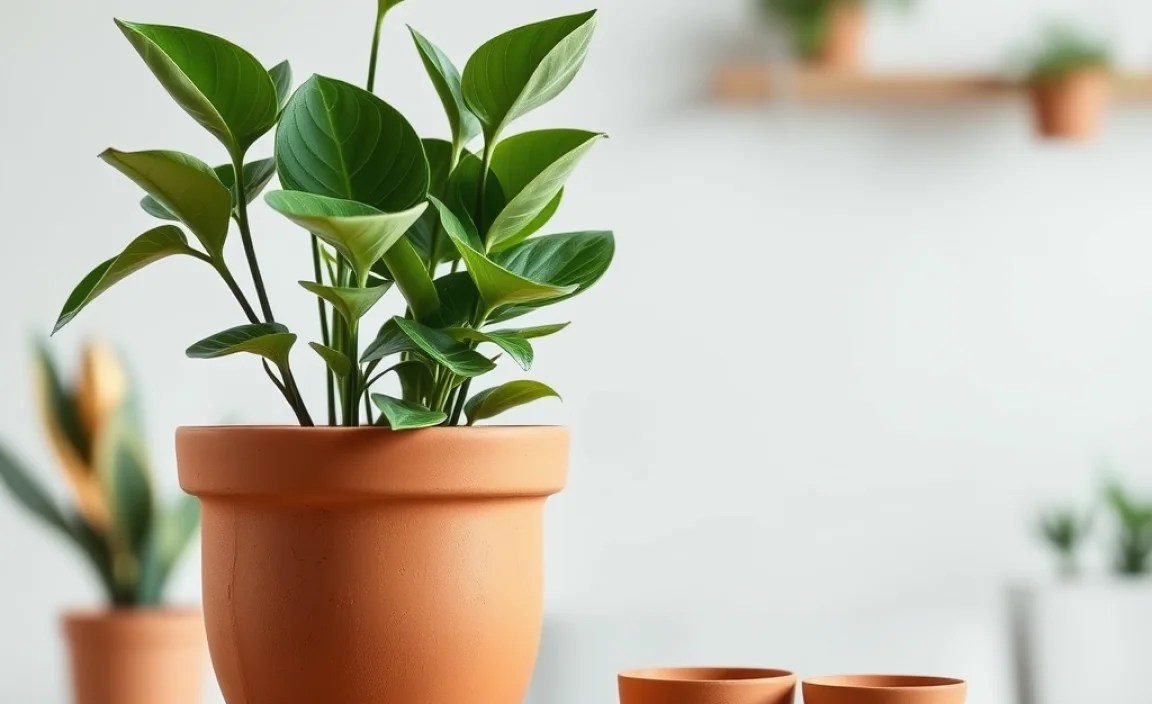
Key Takeaways
- Terracotta pots help prevent overwatering because they are porous.
- Many good indoor plants thrive in terracotta pots due to good airflow.
- Terracotta is budget-friendly and adds rustic charm to any home.
- Always consider the plant size and pot size for best growth results.
- Proper watering and sunlight are key to healthy plants in terracotta pots.

Why Terracotta Pots Are Good For Indoor Plants
Terracotta pots are a popular choice. Gardeners often use them for indoor plants. But why are they so well-liked? One big reason is that terracotta is porous. This means the clay lets air and water move through it. This helps the soil dry out faster. Overwatering is a common problem for indoor plants. Terracotta pots help prevent this. They also allow roots to breathe. This promotes healthier growth. Terracotta pots come in many shapes and sizes. They are also affordable. This makes them a great option for both new and experienced plant lovers. Plus, they have a classic look. This look fits well with many home styles. Using terracotta pots makes plant care easier. It also makes your home look nicer.
- They help prevent overwatering.
- Roots get more air.
- They are inexpensive.
- They look classic.
- Many sizes are available.
Terracotta pots are also eco-friendly. They are made from natural clay. The firing process uses heat. But the material is sustainable. You can also reuse terracotta pots for many years. If a pot breaks, the clay can go back to the earth. This reduces waste. When choosing terracotta pots, think about the plant’s needs. Some plants like drier soil. Others prefer soil that stays moist. Terracotta pots are best for plants that like drier conditions. Always use a pot with a drainage hole. This lets extra water escape. With the right care, terracotta pots can help your indoor plants flourish. They bring beauty and nature into your home.
Do Terracotta Pots Prevent Root Rot?
Have you ever lost a plant to root rot? It’s a sad thing for any plant owner. Root rot happens when roots sit in too much water. This causes them to decay. Terracotta pots can help prevent this. They are made of porous clay. This clay lets extra water evaporate. Air can also reach the roots. This keeps the soil from staying too wet. When soil is well-drained, roots stay healthy. They can absorb nutrients better. Plants in terracotta pots are less likely to suffer from root rot. Always check the soil moisture. Make sure you are not overwatering. Terracotta pots are a simple way to protect your plants from this common problem.
How Does Airflow Affect Plant Growth?
Imagine trying to breathe in a stuffy room. Plants need fresh air too! Airflow is very important for plant growth. It helps plants get carbon dioxide. They use this to make food. Airflow also helps to dry out the soil. This prevents fungus and disease. Terracotta pots help with airflow. The porous clay lets air move through the pot walls. This brings fresh air to the roots. It also helps remove excess moisture. When plants have good airflow, they grow stronger. Their leaves look healthier. Make sure your plants have enough space around them. This will improve airflow even more. Good airflow keeps your plants happy and healthy.
Choosing The Right Size Terracotta Pot
Picking the right pot size is like finding the right shoes. If the pot is too small, the roots get cramped. If it’s too big, the soil stays too wet. The right size terracotta pot lets the roots grow freely. It also allows for good drainage. When you repot a plant, choose a pot that is one or two inches bigger. This gives the roots enough room to expand. Small plants do well in smaller pots. Larger plants need bigger pots. Always check the plant’s root system. If the roots are circling the bottom, it’s time to repot. A properly sized terracotta pot helps your plant thrive.
Fun Fact or Stat: Terracotta pots have been used for thousands of years, dating back to ancient civilizations like Greece and Rome!

Selecting Good Indoor Plants for Terracotta Pots
Not all plants are the same. Some plants love terracotta pots. These plants like drier soil. Succulents and cacti are great choices. They store water in their leaves and stems. Herbs like rosemary and thyme also do well. They prefer well-drained soil. Other good indoor plants for terracotta pots include snake plants and ZZ plants. These plants are easy to care for. They can tolerate low light. They also don’t need much water. When choosing plants, think about their needs. Match them to the conditions that terracotta pots provide. This will help your plants thrive and bring joy to your home. Research is key to choosing the right plants.
- Succulents like drier soil.
- Cacti store water well.
- Herbs like rosemary.
- Snake plants are easy to grow.
- ZZ plants need little water.
- Consider light requirements.
You should also consider the look you want. Some plants have colorful flowers. Others have interesting leaves. Mix and match different plants for a unique display. Use different sizes of terracotta pots for added interest. Group plants together to create a mini garden. This can add a touch of nature to any room. Remember to use well-draining soil. This will help prevent root rot. Fertilize your plants regularly. This will give them the nutrients they need. With the right plants and care, terracotta pots can transform your home. They bring life and beauty indoors.
Are Succulents A Good Choice?
Succulents are like the camels of the plant world. They can store water for a long time. This makes them perfect for terracotta pots. Terracotta pots dry out quickly. This is exactly what succulents like. Overwatering can kill succulents. But terracotta pots help prevent this. Some popular succulents include echeverias and sedums. These plants come in many colors and shapes. They are easy to care for. Just give them plenty of sunlight. Water them only when the soil is dry. Succulents in terracotta pots are a great way to add low-maintenance beauty to your home.
What About Herbs?
Imagine fresh herbs growing in your kitchen. Terracotta pots are great for growing herbs indoors. Many herbs like well-drained soil. Rosemary, thyme, and oregano are good choices. These herbs add flavor to your cooking. They also smell wonderful. Place your herb garden near a sunny window. Water the herbs when the soil feels dry. Avoid overwatering. Harvest the herbs regularly. This encourages new growth. Growing herbs in terracotta pots is a fun and useful hobby. You can enjoy fresh herbs all year round.
Do Flowering Plants Work Well?
Flowering plants bring color and joy to any space. Some flowering plants do well in terracotta pots. Geraniums and African violets are good options. These plants need well-drained soil. Terracotta pots help provide this. Make sure the plants get enough sunlight. Water them when the soil feels dry. Remove dead flowers to encourage more blooms. Fertilize them regularly. With the right care, flowering plants in terracotta pots can brighten up your home. They add a splash of color and beauty to any room.
Fun Fact or Stat: Succulents can survive for weeks without water because they store it in their leaves!

How to Water Plants in Terracotta Pots
Watering is key to healthy plants. But terracotta pots dry out faster. This means you need to water more often. How do you know when to water? Check the soil moisture. Stick your finger into the soil. If it feels dry, it’s time to water. Water deeply until water drains from the bottom. This ensures the roots get enough water. Avoid watering the leaves. This can cause fungal problems. Use a watering can with a long spout. This lets you reach the soil easily. Different plants need different amounts of water. Learn about your plant’s specific needs. With practice, you’ll become a watering expert. Your plants will thank you.
- Check soil moisture often.
- Water deeply when dry.
- Avoid wetting the leaves.
- Use a watering can.
- Learn plant-specific needs.
- Water more often in summer.
Also, consider the weather. Plants need more water in the summer. They need less water in the winter. The size of the pot also matters. Smaller pots dry out faster than bigger pots. Use a saucer under the pot. This catches extra water. Empty the saucer after watering. This prevents the plant from sitting in water. This can lead to root rot. Watering can be a bit of a balancing act. But with attention and care, you can keep your plants healthy and happy in their terracotta pots. They will thrive and bring beauty to your home.
What Time of Day Is Best To Water?
Do you water your plants whenever you think about it? There’s actually a best time to water. It’s usually in the morning. Watering in the morning gives the plants time to absorb the water. The sun will help dry out any excess moisture. This reduces the risk of fungal diseases. Avoid watering in the evening. The leaves can stay wet overnight. This creates a perfect environment for fungus. Morning watering is a simple way to keep your plants healthy. It helps them get the water they need without staying too wet.
Should You Water From the Top or Bottom?
Have you ever wondered if it matters how you water? Watering from the top is common. But watering from the bottom can also be helpful. Bottom watering encourages the roots to grow deeper. Place the terracotta pot in a saucer of water. Let the plant absorb the water through the drainage hole. Remove the pot when the top of the soil feels moist. This method can help prevent overwatering. It also helps the soil stay evenly moist. Try both methods to see what works best for your plants.
How Can You Tell If You’re Overwatering?
Overwatering is a common mistake. It can harm your plants. How do you know if you’re overdoing it? Look for yellowing leaves. This is a sign of too much water. The soil might also feel soggy. The plant might droop even though the soil is wet. If you see these signs, stop watering. Let the soil dry out completely. Make sure the terracotta pot has good drainage. Overwatering can lead to root rot. So it’s important to catch it early. Adjust your watering schedule to keep your plants healthy.
Fun Fact or Stat: Plants absorb water best in the morning because their pores are more open!

The Best Soil for Terracotta Pots and Indoor Plants
Soil is like food for plants. It gives them the nutrients they need. The right soil is especially important for terracotta pots. These pots dry out quickly. So the soil needs to hold some moisture. But it also needs to drain well. A good potting mix is the best choice. Look for a mix that contains peat moss, perlite, and vermiculite. Peat moss helps retain moisture. Perlite and vermiculite improve drainage. Avoid using garden soil. It can be too heavy. It might not drain well. Some plants need special soil. Succulents and cacti like sandy soil. Orchids need a bark-based mix. Choose the right soil for your plant. This will help it thrive in its terracotta pot. Good soil makes all the difference.
- Use a good potting mix.
- Avoid garden soil.
- Peat moss retains moisture.
- Perlite improves drainage.
- Match soil to plant needs.
- Sandy soil for succulents.
You can also make your own potting mix. Mix equal parts peat moss, perlite, and compost. Compost adds nutrients to the soil. This is a great way to recycle kitchen scraps. Always use clean ingredients. This prevents diseases. Sterilize the soil if you are worried about pests. You can bake it in the oven. Or microwave it for a few minutes. Fresh soil gives your plants a healthy start. It helps them grow strong and vibrant. With the right soil, your terracotta pots will be filled with happy plants.
Why Is Drainage So Important?
Imagine your feet stuck in muddy boots all day. That’s what it feels like for plants in poorly drained soil. Drainage is very important. It lets extra water escape. This prevents the roots from sitting in water. Root rot can happen if the roots stay too wet. Good drainage also allows air to reach the roots. Roots need air to breathe. Terracotta pots help with drainage. But the soil also plays a role. Make sure your potting mix is light and airy. This will ensure good drainage. Healthy roots are the foundation of a healthy plant.
Can You Reuse Old Potting Soil?
Saving money is always a good idea. Can you reuse old potting soil? The answer is maybe. It depends on the soil’s condition. If the soil looks healthy, you can reuse it. Remove any old roots or debris. Mix in some fresh compost. This will add nutrients back to the soil. If the soil looks diseased, don’t reuse it. It could spread the disease to your new plants. It’s better to be safe than sorry. Fresh soil gives your plants the best start.
How Does pH Affect Plants?
Did you know that soil can be acidic or alkaline? This is measured by pH. Most plants like a slightly acidic soil. A pH of around 6.0 to 7.0 is ideal. You can test the pH of your soil with a kit. If the soil is too alkaline, add sulfur. If it’s too acidic, add lime. The right pH helps plants absorb nutrients. Healthy soil pH leads to healthy plants. Test your soil regularly to make sure it’s just right. Your plants will thank you with vibrant growth.
Fun Fact or Stat: Worms help aerate the soil and add nutrients with their castings!
| Soil Type | Best For | Drainage | Nutrient Retention |
|---|---|---|---|
| Potting Mix | General Use | Good | Moderate |
| Cactus Mix | Succulents, Cacti | Excellent | Low |
| Orchid Mix | Orchids | Very Good | Low |
| Seed Starting Mix | Seedlings | Good | Low |
| African Violet Mix | African Violets | Good | High |
Decorating With Terracotta Pots and Indoor Plants
Terracotta pots aren’t just practical. They can also be beautiful. They add a rustic touch to any room. You can paint them. Or decorate them with designs. Use stencils or stamps. Add colorful patterns. Group terracotta pots together. Create a mini garden. Use different sizes and shapes. Place them on shelves or windowsills. Hang them from the ceiling. Terracotta pots look great with any decor. They bring a touch of nature indoors. Combine them with other decorative items. Add stones or shells. Use colorful pebbles. Let your creativity shine. Decorating with terracotta pots is a fun way to personalize your space. Your plants will love their stylish homes.
- Paint the pots.
- Add colorful designs.
- Group pots together.
- Use different sizes.
- Hang them from the ceiling.
- Combine with stones.
- Add colorful pebbles.
You can also use terracotta pots for special occasions. Decorate them for holidays. Paint them with festive colors. Add ribbons or bows. Use them as centerpieces for parties. Terracotta pots make great gifts. Plant a succulent in a decorated pot. Give it to a friend. They will appreciate the thoughtful gift. Terracotta pots are versatile and charming. They can be both functional and beautiful. They are a great way to bring nature and style into your home. Let your imagination guide you.
What Kind of Paint Should You Use?
Want to add some color to your terracotta pots? Choosing the right paint is important. Acrylic paint is a good option. It’s durable and water-resistant. Use a primer first. This will help the paint stick better. Seal the pot after painting. This will protect the paint from chipping. You can also use spray paint. It’s quick and easy to apply. Choose a paint that is safe for plants. Let the paint dry completely before planting. With a little paint, you can transform your terracotta pots into works of art.
Can You Use Terracotta Pots Outdoors?
Terracotta pots look great indoors. But can you use them outdoors? Yes, you can! Terracotta pots are weather-resistant. But they can crack in freezing temperatures. If you live in a cold climate, bring them inside for the winter. Terracotta pots add a rustic touch to your garden. They look great with flowers or herbs. Place them on your patio or balcony. Terracotta pots are a versatile choice for both indoor and outdoor use. Just protect them from frost.
How Do You Clean Terracotta Pots?
Over time, terracotta pots can get dirty. They can also develop a white buildup. This is caused by mineral deposits. Cleaning your pots is easy. Use a brush and soapy water. Scrub the pot gently. Rinse it with clean water. For stubborn stains, use vinegar. Mix equal parts vinegar and water. Soak the pot in the solution. Then scrub it clean. Let the pot dry completely before replanting. Clean pots look nicer and help prevent diseases.
Fun Fact or Stat: Painting terracotta pots can help protect them from moisture damage!
Cleaning and Maintaining Terracotta Pots
Like anything else, terracotta pots need care. Cleaning them regularly keeps them looking good. It also prevents diseases. Over time, mineral deposits can build up. These deposits look like white stains. Use a brush and soapy water to clean the pots. Scrub gently to remove dirt and stains. Rinse the pots with clean water. Let them dry completely before using them again. You can also sterilize the pots. This kills any harmful bacteria or fungi. Soak the pots in a bleach solution. Use one part bleach and nine parts water. Rinse them thoroughly after soaking. Clean and well-maintained terracotta pots will last longer. They will also provide a healthy environment for your plants.
- Clean regularly.
- Remove mineral deposits.
- Use soapy water and a brush.
- Rinse with clean water.
- Sterilize with bleach.
- Let them dry completely.
- Inspect for cracks.
Inspect your terracotta pots regularly. Look for cracks or chips. Small cracks can be repaired. Use epoxy or clay sealant. Larger cracks mean the pot is beyond repair. Replace damaged pots to prevent accidents. Store your terracotta pots properly. Stack them in a dry place. Protect them from freezing temperatures. This will prevent them from cracking. With proper care, your terracotta pots will last for many years. They will continue to beautify your home and support your plants.
How Do You Remove Mineral Deposits?
Those white stains on your terracotta pots can be annoying. They are mineral deposits. They come from the water and soil. Luckily, they are easy to remove. Mix equal parts vinegar and water. Soak the pot in the solution for a few hours. Then scrub the pot with a brush. The mineral deposits should come off easily. Rinse the pot with clean water. Let it dry completely before replanting. Vinegar is a natural and effective cleaner.
What To Do With Cracked Pots?
Accidents happen. Sometimes terracotta pots crack. Can you fix them? Small cracks can be repaired. Use epoxy or clay sealant. Apply the sealant to the crack. Let it dry completely. This will prevent the crack from getting bigger. Larger cracks are harder to fix. The pot might be too weak. It’s best to replace it. You can also use the broken pieces for decoration. Add them to your garden or use them in a mosaic.
How To Store Terracotta Pots?
Proper storage is important. It helps your terracotta pots last longer. Clean the pots before storing them. Remove any dirt or debris. Let them dry completely. Stack the pots in a dry place. Protect them from freezing temperatures. You can wrap them in newspaper or bubble wrap. This will prevent them from cracking. Store them in a shed or garage. Proper storage keeps your terracotta pots safe and ready for the next planting season.
Fun Fact or Stat: Soaking terracotta pots in water before planting can help prevent them from drying out too quickly!
Summary
Terracotta pots are a great choice for good indoor plants. They are porous, which helps prevent overwatering. This is very important for many indoor plants. They also allow air to reach the roots. This promotes healthy growth. Terracotta pots come in many sizes and shapes. They are also affordable. This makes them a good option for all plant lovers. Many plants do well in terracotta pots. Succulents, cacti, and herbs are especially well-suited. Watering is important. Check the soil moisture regularly. Use a well-draining potting mix. With the right care, terracotta pots can help your plants thrive.
Conclusion
Terracotta pots are a classic and practical choice for indoor plants. They offer good drainage and airflow. This helps prevent common problems like root rot. They are also affordable and stylish. Many different plants can thrive in terracotta pots. With proper care, your plants will flourish. They will bring beauty and joy to your home. Consider using terracotta pots for your next plant project. You will be happy with the results.
Frequently Asked Questions
Question No 1: Are terracotta pots suitable for all types of indoor plants?
Answer: Not all plants love terracotta pots equally. Plants that prefer drier soil, such as succulents, cacti, and herbs like rosemary and thyme, generally thrive in terracotta pots. This is because terracotta is porous and allows the soil to dry out faster. Plants that prefer consistently moist soil might need more frequent watering or a different type of pot. Always research the specific needs of your plant to determine if a terracotta pot is the best choice.
Question No 2: How often should I water plants in terracotta pots?
Answer: The frequency of watering depends on several factors. These factors include the type of plant, the size of the pot, and the climate. Terracotta pots dry out faster than plastic pots. Check the soil moisture regularly. Stick your finger into the soil. If the top inch feels dry, it’s time to water. Water deeply until water drains from the bottom. Avoid overwatering, as this can lead to root rot. During warmer months, you may need to water more frequently. During cooler months, you can water less often. Always adjust your watering schedule based on your plant’s needs.
Question No 3: Do terracotta pots need drainage holes?
Answer: Yes, drainage holes are essential for terracotta pots. Drainage holes allow excess water to escape. This prevents the soil from becoming waterlogged. Waterlogged soil can lead to root rot. Make sure your terracotta pots have at least one drainage hole at the bottom. If your pot doesn’t have a drainage hole, you can drill one. Use a special drill bit designed for ceramics. Place a saucer under the pot to catch any excess water. Empty the saucer regularly to prevent the plant from sitting in water.
Question No 4: Can I paint my terracotta pots?
Answer: Yes, you can definitely paint your terracotta pots! Painting them is a fun way to personalize your plants. Use acrylic paint or spray paint. Apply a primer first to help the paint stick. Seal the pot after painting to protect the paint from chipping. Choose a paint that is safe for plants. Let the paint dry completely before planting. Be creative and have fun with it!
Question No 5: How do I prevent terracotta pots from cracking?
Answer: Terracotta pots can crack due to several reasons. These include freezing temperatures and impact. To prevent cracking, avoid exposing your terracotta pots to freezing weather. Bring them indoors during the winter. Handle the pots with care to avoid dropping them. Avoid sudden temperature changes. This can also cause cracking. If you notice a small crack, repair it with epoxy or clay sealant. Store your pots properly in a dry place.
Question No 6: Are terracotta pots environmentally friendly?
Answer: Yes, terracotta pots are generally considered environmentally friendly. They are made from natural clay. Clay is a sustainable resource. The firing process does use energy. But terracotta pots can be reused for many years. If a pot breaks, the clay can go back to the earth. This reduces waste. Choose terracotta pots over plastic pots. You will be making a more sustainable choice for your plants and the environment.
