Do you ever wonder what your plants eat? It’s not just water and sunlight. Plants also need nutrients from the soil. But how do you know if your soil has the right stuff? That’s where testing soil home comes in!
Imagine you’re a doctor for plants. You need to check the soil’s health. Testing soil at home can help you grow healthy and happy plants. Let’s learn how!
Key Takeaways
- Testing soil at home is easy and helps you grow better plants.
- You can use a soil test kit or send a sample to a lab.
- Healthy soil needs the right pH balance and nutrients.
- Knowing your soil type helps you choose the right plants.
- Regular soil testing prevents problems like nutrient deficiencies.
Why is Testing Soil at Home Important?

Have you ever seen a plant that looks sad? Maybe its leaves are yellow. Or it’s not growing very tall. That could be because the soil isn’t healthy. Testing soil at home helps you find out what’s wrong. Soil provides plants with water and nutrients. Nutrients are like vitamins for plants. They help plants grow big and strong. If the soil doesn’t have enough nutrients, plants can get sick. Testing your soil tells you if it needs more nutrients. It also tells you if the soil is too acidic or alkaline. Plants grow best when the soil has the right pH. By testing soil at home, you can make sure your plants have everything they need to thrive. This means more flowers, bigger vegetables, and happier plants!
- Healthy soil helps plants grow strong.
- Nutrients are like vitamins for plants.
- pH levels affect how plants absorb nutrients.
- Soil testing identifies nutrient problems.
- It helps you choose the right fertilizer.
Testing soil at home is like giving your plants a checkup. You wouldn’t want to eat only junk food, right? Plants don’t want to grow in bad soil. A soil test can show you if your soil is missing important things. You can then add things like compost or fertilizer. These things help make the soil healthier. Healthy soil also helps the environment. It can hold more water, which prevents erosion. It can also store carbon, which helps fight climate change. So, testing your soil is good for your plants and the planet!
Why Test Soil?
Imagine you’re baking a cake. You need to use the right ingredients. If you use too much sugar, the cake will be too sweet. If you don’t use enough flour, the cake will be flat. Soil is the same way. It needs the right mix of things for plants to grow well. Testing your soil helps you find out what it needs. Do you want to grow tomatoes? They need different nutrients than blueberries. Soil tests can help you choose the right plants for your soil. They can also help you add the right things to the soil to make your plants happy.
What Can Go Wrong?
What happens if you don’t brush your teeth? You might get cavities. What happens if you don’t water your plants? They might wilt and die. Not testing your soil can cause problems too. The soil might be too acidic or alkaline. It might not have enough nutrients. Plants can get sick if the soil isn’t right. They might not grow well or produce many fruits or vegetables. Testing the soil helps you catch problems early. You can then fix them before your plants get sick.
How Often to Test?
Do you only go to the doctor when you’re sick? Probably not! You go for checkups to stay healthy. Testing soil is like a checkup for your garden. It’s a good idea to test your soil every year or two. This helps you keep track of the nutrients. It also helps you make sure the pH is right. If you’re starting a new garden, testing the soil is very important. You want to know what you’re starting with. Regular soil testing helps you grow the best plants possible.
Fun Fact or Stat: Did you know that one teaspoon of healthy soil has more living organisms than there are people on Earth?
Easy Ways for Testing Soil Home

Testing soil at home doesn’t have to be hard. There are a few easy ways to do it. One way is to use a soil test kit. You can buy these kits at garden stores. They come with instructions on how to collect a soil sample. You mix the soil with some chemicals. Then you compare the colors to a chart. The chart tells you the pH and nutrient levels. Another way is to send a soil sample to a lab. This is more accurate, but it costs more money. The lab will send you a report with all the details about your soil. You can also do a simple test at home using vinegar and baking soda. This test tells you if your soil is acidic or alkaline. No matter which method you choose, testing soil at home is a great way to learn about your soil.
- Use a soil test kit from a garden store.
- Send a sample to a soil testing lab.
- Try a simple vinegar and baking soda test.
- Follow the instructions carefully.
- Collect soil samples from different areas.
Imagine you’re a detective. You need to collect clues to solve a mystery. Testing soil at home is like being a soil detective. You need to collect soil samples from different parts of your yard. Don’t just take soil from one spot. Mix the samples together to get a good idea of the soil. Follow the instructions on the soil test kit carefully. Make sure you add the right amount of chemicals. And don’t forget to wear gloves! Once you have the results, you can start to solve the mystery of your soil. Is it too acidic? Does it need more nutrients? With a little detective work, you can make your soil healthy and happy.
What About DIY Methods?
Have you ever tried to make slime? It’s a fun science experiment you can do at home. Testing soil can be a science experiment too! You can use things you already have at home. Vinegar and baking soda can tell you if your soil is acidic or alkaline. Coffee filters can help you see what kind of soil you have. These DIY methods aren’t as accurate as a lab test. But they can give you a general idea of your soil’s health. Plus, they’re a fun way to learn about soil!
Choosing the Right Kit
Imagine you’re buying a new toy. You want to make sure it’s the right one for you. Soil test kits are like toys for gardeners. You want to choose the right one for your needs. Some kits test for just a few things, like pH and nitrogen. Others test for many different nutrients. Think about what you want to grow. If you’re growing vegetables, you might want a kit that tests for phosphorus and potassium. Read the reviews before you buy a soil test kit. This will help you choose one that’s accurate and easy to use.
Sending Soil to a Lab
Have you ever sent a letter in the mail? You put it in an envelope and send it to someone far away. You can send soil to a lab the same way! Soil labs have special equipment to test soil. They can give you very detailed information about your soil. This is helpful if you have a serious soil problem. Or if you want to grow something very specific. Your local extension office can help you find a soil lab. They can also tell you how to collect a soil sample and send it to the lab.
Fun Fact or Stat: The best time to collect soil samples for testing is in the fall or early spring.
Understanding Soil pH Levels
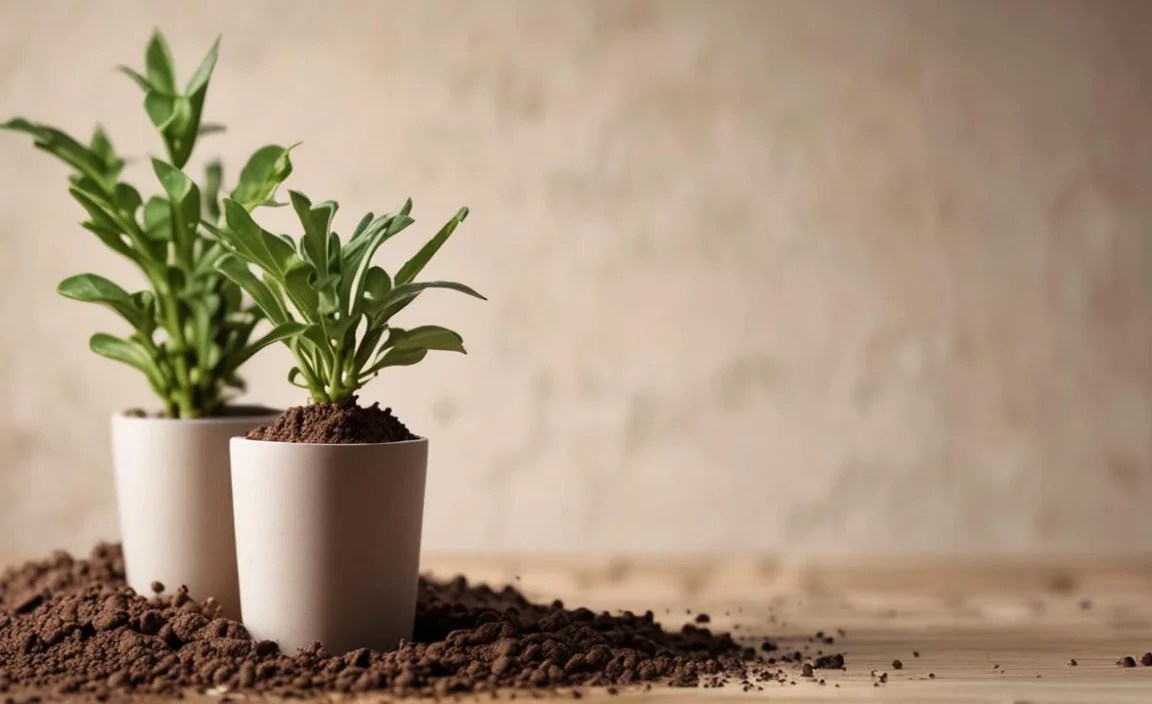
Have you ever tasted something sour, like a lemon? Or something bitter, like dark chocolate? These tastes tell you about the pH of the food. pH measures how acidic or alkaline something is. Soil also has a pH level. Plants grow best when the soil pH is just right. Most plants like a pH between 6 and 7. This is slightly acidic. Some plants like blueberries prefer more acidic soil. Other plants like lavender prefer more alkaline soil. Testing soil at home tells you the pH level. If the pH is too high or too low, you can change it. You can add lime to make the soil less acidic. You can add sulfur to make it more acidic. Understanding soil pH helps you grow the right plants.
| pH Level | Description | What to Do |
|---|---|---|
| Below 6.0 | Too acidic | Add lime |
| 6.0 – 7.0 | Ideal for most plants | No action needed |
| Above 7.0 | Too alkaline | Add sulfur |
| 8.0 or higher | Very alkaline | Amend with organic matter and sulfur |
- pH measures acidity and alkalinity.
- Most plants like a pH between 6 and 7.
- Lime makes soil less acidic.
- Sulfur makes soil more acidic.
- Soil testing reveals the pH level.
- Adjust pH based on plant needs.
Imagine you’re playing a video game. You need to adjust the settings to make the game run smoothly. Testing soil at home is like adjusting the settings for your plants. The pH level is one of the most important settings. If the pH is wrong, the plants can’t absorb nutrients. It’s like trying to drink water with a clogged straw. Soil testing helps you see if the pH is right. If it’s not, you can add things to change it. This makes it easier for your plants to get the nutrients they need.
Why Does pH Matter?
Have you ever tried to unlock a door with the wrong key? It just won’t work! pH is like a key for plants. It helps them unlock the nutrients in the soil. If the pH is too high or too low, the plants can’t unlock the nutrients. They can’t grow well, even if the nutrients are there. Testing soil helps you find the right key for your plants. It helps you make sure they can unlock all the good stuff in the soil.
How to Adjust pH
Imagine you’re making lemonade. It’s too sour, so you add some sugar. Adjusting soil pH is like adding sugar to lemonade. If the soil is too acidic, you add lime. Lime is like the sugar for soil. It makes the soil less acidic. If the soil is too alkaline, you add sulfur. Sulfur is like lemon juice for soil. It makes the soil more acidic. Soil tests tell you how much lime or sulfur to add.
Plants and pH Preferences
Did you know that different plants like different pH levels? Blueberries like acidic soil. Tomatoes like slightly acidic soil. Lavender likes alkaline soil. It’s like how some people like spicy food and others don’t. Testing soil helps you choose the right plants for your soil. Or it helps you change the soil to make it right for the plants you want to grow. Knowing what your plants like is important for a healthy garden.
Fun Fact or Stat: The pH scale ranges from 0 to 14, with 7 being neutral. Values below 7 are acidic, and values above 7 are alkaline.
Nutrient Deficiencies and Soil Testing Home

Have you ever felt tired because you didn’t eat enough healthy food? Plants can also feel tired if they don’t get enough nutrients. Nutrients are like vitamins for plants. They need them to grow big and strong. The main nutrients plants need are nitrogen, phosphorus, and potassium. Nitrogen helps plants grow leaves. Phosphorus helps plants grow roots and flowers. Potassium helps plants stay healthy. Testing soil at home can tell you if your soil is missing any of these nutrients. If it is, you can add fertilizer. Fertilizer is like a vitamin pill for plants. It gives them the nutrients they need. Testing your soil helps you keep your plants healthy and happy.
- Nitrogen helps plants grow leaves.
- Phosphorus helps plants grow roots and flowers.
- Potassium helps plants stay healthy.
- Fertilizer provides missing nutrients.
- Soil testing identifies deficiencies.
- Use fertilizer according to the test results.
Imagine you’re building a house. You need to have all the right materials. You need wood, nails, and a roof. If you’re missing something, the house won’t be strong. Plants are like houses. They need all the right nutrients to grow strong. Testing soil at home helps you see if your soil is missing anything. If it is, you can add fertilizer to make the soil complete. This helps your plants grow strong and healthy.
Nitrogen, Phosphorus, Potassium (NPK)
Have you ever seen numbers on a fertilizer bag? They usually look like this: 10-10-10. These numbers stand for nitrogen, phosphorus, and potassium. Nitrogen is the first number. Phosphorus is the second number. Potassium is the third number. These numbers tell you how much of each nutrient is in the fertilizer. Testing soil helps you decide which fertilizer to use. If your soil is low in nitrogen, you need a fertilizer with a high first number.
Spotting Deficiencies
What happens if you don’t get enough sleep? You might feel tired and grumpy. Plants also show signs when they don’t get enough nutrients. Yellow leaves can mean a nitrogen deficiency. Purple leaves can mean a phosphorus deficiency. Brown edges on leaves can mean a potassium deficiency. Testing soil can confirm if your plants have a deficiency. It’s like getting a diagnosis from a doctor. Then you can treat the problem and help your plants feel better.
Organic vs. Synthetic Fertilizers
Have you ever eaten organic food? It’s grown without chemicals. You can also use organic fertilizers. These fertilizers are made from natural things like compost and manure. Synthetic fertilizers are made in a factory. They contain concentrated nutrients. Both types of fertilizer can help plants. Organic fertilizers are better for the environment. They release nutrients slowly. Synthetic fertilizers release nutrients quickly. Soil tests can help you decide which type of fertilizer to use.
Fun Fact or Stat: Compost is a great way to add nutrients to your soil naturally. It’s made from decomposed food scraps and yard waste.
Choosing the Right Plants After Soil Testing

Have you ever tried to wear shoes that are too small? It’s not very comfortable! Plants are the same way. They need to grow in soil that’s right for them. Some plants like sandy soil. Others like clay soil. Some plants like acidic soil. Others like alkaline soil. Testing soil at home helps you choose the right plants. You can find plants that will thrive in your soil. Or you can change your soil to make it right for the plants you want to grow. Choosing the right plants makes gardening easier and more fun!
- Some plants like sandy soil.
- Others like clay soil.
- Some plants like acidic soil.
- Others like alkaline soil.
- Soil testing helps you choose wisely.
- Match plants to your soil type and pH.
Imagine you’re planning a trip. You need to choose a place that you’ll enjoy. Do you like the beach? Or the mountains? Plants are like travelers. They need to find a place where they can thrive. Testing soil at home helps you find the perfect vacation spot for your plants. You can choose plants that love your soil. Or you can change your soil to make it a perfect paradise for your plants.
Understanding Your Soil Type
Have you ever played with different kinds of dirt? Some dirt is sandy. It feels gritty. Some dirt is clayey. It feels sticky. Some dirt is loamy. It feels soft and crumbly. These are the three main types of soil. Sandy soil drains water quickly. Clay soil holds water well. Loamy soil is a mix of sand, clay, and silt. It’s the best type of soil for most plants. Testing soil helps you figure out what kind of soil you have.
Matching Plants to Soil
Did you know that cacti like sandy soil? They don’t like to have wet feet. Blueberries like acidic soil. They need a low pH to grow well. Tomatoes like loamy soil. They need lots of nutrients. Testing soil helps you choose plants that will be happy in your garden. It’s like finding the perfect home for a pet. You want to make sure they have everything they need.
Amending Your Soil
What happens if you don’t like the color of your walls? You can paint them! You can also change your soil. Adding compost can improve sandy soil. It helps it hold more water. Adding sand can improve clay soil. It helps it drain better. Testing soil tells you what your soil needs. Then you can add things to make it better for your plants.
Fun Fact or Stat: Loam soil is considered the “goldilocks” of soil types because it has a good balance of sand, silt, and clay.
Benefits of Regular Soil Testing Home
Have you ever gone to the dentist for a checkup? It helps you keep your teeth healthy. Regular testing soil home is like a checkup for your garden. It helps you keep your soil healthy. Regular soil testing can prevent problems before they start. It can help you save money on fertilizer. It can also help you grow bigger and better plants. By testing your soil regularly, you can create a thriving garden that you’ll enjoy for years to come.
- Prevents nutrient deficiencies.
- Saves money on fertilizer.
- Helps grow bigger plants.
- Identifies pH imbalances early.
- Improves overall garden health.
- Soil testing promotes sustainable gardening.
Imagine you’re taking care of a pet. You need to feed it the right food and give it plenty of water. You also need to take it to the vet for checkups. Testing soil at home is like taking your garden to the vet. It helps you make sure your soil is healthy. Regular soil testing can catch problems early. This can help you avoid big problems later on. It’s a simple way to keep your garden happy and healthy.
Saving Money on Fertilizer
Have you ever bought something you didn’t need? It’s a waste of money! Testing soil can help you avoid wasting money on fertilizer. If your soil already has enough nutrients, you don’t need to add more. Soil tests tell you exactly what your soil needs. This helps you buy only the fertilizer you need. It’s a smart way to save money and help the environment.
Preventing Problems
What happens if you don’t change the oil in your car? It can cause big problems down the road. Testing soil helps you prevent problems in your garden. It can catch nutrient deficiencies and pH imbalances early. This gives you time to fix them before they hurt your plants. Regular soil testing is like preventive medicine for your garden.
Improving Plant Health
Have you ever seen a plant that looks sick? It’s sad! Testing soil can help you keep your plants healthy. It helps you make sure they have everything they need to thrive. Healthy soil means healthy plants. Healthy plants are more resistant to pests and diseases. Regular soil testing is a simple way to improve the health of your entire garden.
Fun Fact or Stat: Regular soil testing can increase your garden’s yield by up to 25%!
Advanced Soil Testing Methods At Home
Are you ready to become a soil expert? There are some more advanced ways to test your soil at home. These methods can give you even more information about your soil. One method is to use a conductivity meter. This measures the amount of salt in your soil. Too much salt can hurt plants. Another method is to use a microscope to look at the organisms in your soil. Healthy soil is full of life! These advanced methods take more time and effort. But they can help you understand your soil even better.
- Use a conductivity meter to measure salt levels.
- Use a microscope to see soil organisms.
- Learn about soil structure and texture.
- Research advanced soil testing techniques.
- Consult with a soil expert for advice.
- Keep detailed records of your soil tests.
Imagine you’re a scientist studying soil. You want to learn everything you can about it. Testing soil at home using advanced methods is like doing a science experiment. You can learn about the different things that live in your soil. You can also learn about the minerals and chemicals in your soil. This information can help you create the perfect environment for your plants.
Conductivity Meters
Have you ever tasted water from the ocean? It’s very salty! Too much salt can hurt plants. Conductivity meters measure how much salt is in your soil. This can help you avoid problems caused by salty soil. Testing soil with a conductivity meter is easy. You simply insert the meter into the soil and read the measurement.
Microscopy
Have you ever looked at something under a microscope? It’s amazing to see all the tiny details! Soil is full of tiny organisms. These organisms help plants grow. Using a microscope to look at your soil can show you if it’s healthy. You can see bacteria, fungi, and other organisms. Testing soil this way is like looking at the secret life of soil.
Soil Structure and Texture
Have you ever built a sandcastle? The sand needs to be the right texture to hold its shape. Soil also has a structure and texture. The structure is how the soil particles are arranged. The texture is how the soil feels. Testing soil by looking at its structure and texture can tell you a lot about its health. It can also help you choose the right plants.
Fun Fact or Stat: A healthy soil ecosystem contains billions of microorganisms per teaspoon!
Summary
Testing soil at home is a great way to help your plants grow. You can use simple kits or send samples to a lab. Soil tests tell you about pH levels and nutrients. This information helps you choose the right plants. It also helps you add the right fertilizer. Regular soil testing prevents problems and saves money. It also helps you create a healthy and thriving garden. Whether you’re growing flowers, vegetables, or trees, testing your soil is a smart idea.
Conclusion
Testing soil at home is easy and fun. It helps you understand what your plants need. You can use simple tools and methods. You will learn about pH, nutrients, and soil types. Healthy soil means healthy plants. So, start testing your soil today. Your plants will thank you!
Frequently Asked Questions
Question No 1: Why should I test my soil?
Answer: You should test your soil to know what nutrients it has. Plants need nutrients to grow strong. Testing soil at home can tell you if your soil is missing something. It can also tell you if your soil is too acidic or alkaline. Knowing this helps you choose the right plants and fertilizer. Healthy soil means healthy plants!
Question No 2: How often should I test my soil?
Answer: You should test your soil every year or two. This helps you keep track of the nutrients. It also helps you make sure the pH is right. If you’re starting a new garden, test the soil first. Regular soil testing helps you grow the best plants possible. If you notice your plants are not growing well, you should test more often.
Question No 3: What does pH mean?
Answer: pH measures how acidic or alkaline something is. Soil pH affects how plants absorb nutrients. Most plants like a pH between 6 and 7. This is slightly acidic. If the pH is too high or too low, you can change it. You can add lime to make the soil less acidic. You can add sulfur to make it more acidic. Testing soil at home tells you the pH level.
Question No 4: What are the main nutrients plants need?
Answer: The main nutrients plants need are nitrogen, phosphorus, and potassium. Nitrogen helps plants grow leaves. Phosphorus helps plants grow roots and flowers. Potassium helps plants stay healthy. Testing soil at home can tell you if your soil is missing any of these nutrients. If it is, you can add fertilizer to give your plants what they need.
Question No 5: Can I use organic methods to improve my soil?
Answer: Yes, you can! Organic methods are great for improving soil. You can add compost, manure, or other natural materials. These things add nutrients to the soil. They also improve the soil’s structure. Organic methods are good for the environment. They also help you grow healthy plants. Even with organic methods, testing soil at home is useful to track progress.
Question No 6: Where can I buy a soil test kit?
Answer: You can buy a soil test kit at a garden store. You can also buy them online. Choose a kit that tests for pH and the main nutrients. Follow the instructions carefully. Some kits require you to send a soil sample to a lab. These kits are more accurate. Testing soil at home is easy with the right kit.
