Do you have a small garden? Do you want to add some green? Trees for small gardens can make a big difference. They add beauty and shade. Some trees even give you fruit. But which trees are best for small spaces?
Choosing the right tree is important. You don’t want it to outgrow your garden. Imagine a tiny yard with a huge tree. It would not be much fun! Let’s explore some great options for trees for small gardens.
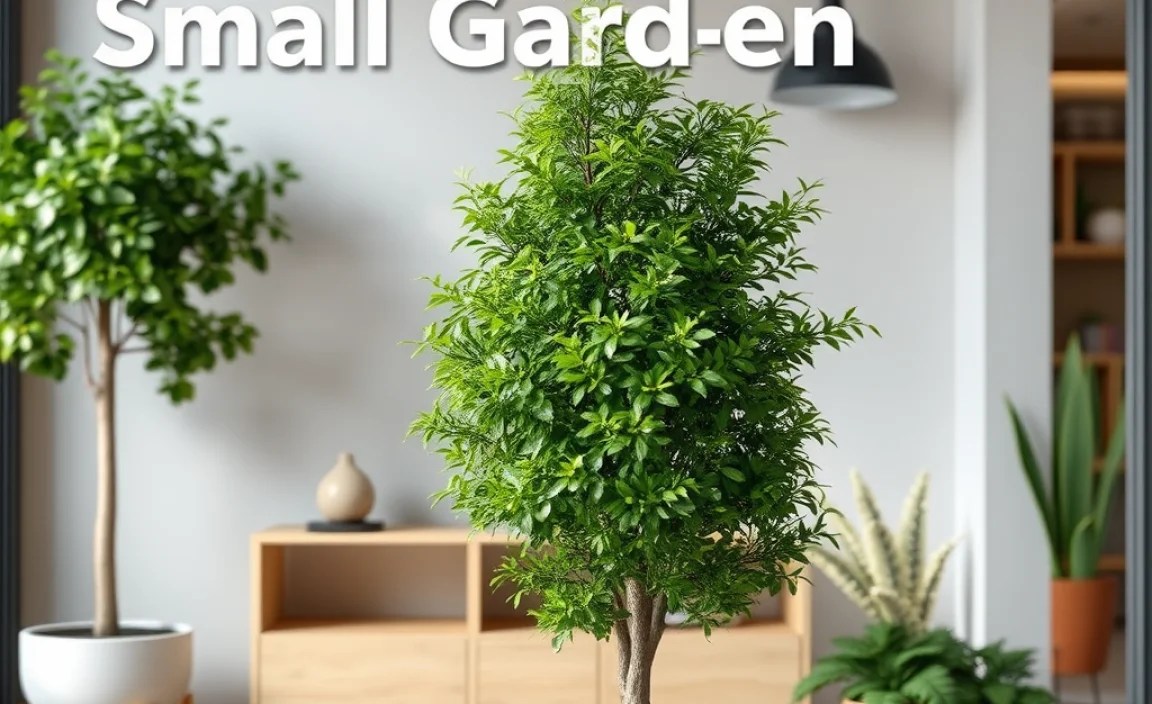
Key Takeaways
- Choosing the right trees for small gardens enhances beauty and value.
- Dwarf fruit trees offer fresh produce even in limited spaces.
- Columnar trees grow upright, fitting narrow areas perfectly.
- Consider tree size, shape, and maintenance needs for small spaces.
- Proper planning ensures trees thrive without overwhelming your garden.

Choosing the Best Trees for Small Gardens
Selecting the right trees for small gardens involves careful consideration. You need to think about size. How big will the tree get? Consider the tree’s shape. Does it spread wide or grow tall? Think about maintenance too. Some trees need more care than others. You want a tree that fits your space and lifestyle. Look for trees labeled as “dwarf” or “compact.” These varieties are bred to stay smaller. Columnar trees grow straight up. They don’t spread out much. This makes them perfect for narrow spaces. Remember to check the tree’s sunlight needs. Some trees need full sun. Others prefer shade. Choose a tree that will thrive in your garden’s conditions. Good planning ensures your tree stays healthy and beautiful for years to come.
- Consider the mature size of the tree.
- Choose trees labeled as “dwarf” or “compact.”
- Columnar trees are great for narrow spaces.
- Check the tree’s sunlight and water needs.
- Think about the amount of maintenance required.
When picking trees for small gardens, visualize the future. Imagine how the tree will look in five or ten years. Will it block too much sunlight? Will its roots cause problems? Some trees have invasive roots. These can damage sidewalks and pipes. Research the tree’s root system before planting. Also, think about the tree’s leaves. Deciduous trees lose their leaves in the fall. This can create extra work raking them up. Evergreen trees keep their leaves year-round. They provide constant greenery but may block more light. Choosing the right tree involves balancing beauty, practicality, and long-term maintenance. This ensures your small garden remains a delightful space.
Fun Fact or Stat: Did you know that planting trees can increase your property value by up to 15%?
What Size Tree is Best?
What size tree should you choose for a small garden? This is a very important question! You don’t want a tree that will quickly outgrow its space. A good rule of thumb is to select a tree that will be no more than 20-25 feet tall at maturity. This size allows the tree to thrive without overwhelming the garden. Consider the width of the tree as well. A wide-spreading tree might take up too much valuable space. Dwarf varieties are excellent choices because they stay smaller. They offer the beauty of a full-sized tree in a more compact form. Remember to research the mature size of any tree before you plant it. This will help you avoid problems down the road. Proper planning ensures your tree remains a lovely addition to your garden for many years.
What About Root Systems?
Have you ever thought about what’s going on beneath the ground? A tree’s root system is just as important as what you see above. For small gardens, you need to be especially careful about the type of roots your tree has. Some trees have invasive roots that can damage pipes, sidewalks, and even your house’s foundation. Avoid trees like willows and poplars, which are known for their aggressive roots. Instead, look for trees with non-invasive root systems. These trees are less likely to cause problems. Research is key! Before planting, find out about the tree’s root characteristics. This simple step can save you a lot of headaches and expensive repairs in the future. A little planning goes a long way in keeping your garden and home safe and sound.
How Much Sun Do Trees Need?
Imagine planting a beautiful tree, only to watch it struggle and die because it’s not getting enough sunlight! Sunlight is essential for trees to grow and thrive. Before you choose a tree, take a close look at your garden. How much sun does it get each day? Some trees need full sun, which means at least six hours of direct sunlight per day. Others can tolerate partial shade, which is around three to six hours of sunlight. Still others prefer full shade, with less than three hours of direct sun. Match the tree’s sunlight needs to your garden’s conditions. If you’re not sure, observe your garden throughout the day. Note which areas get the most sun. This will help you choose a tree that will flourish in its new home. Happy tree, happy garden!
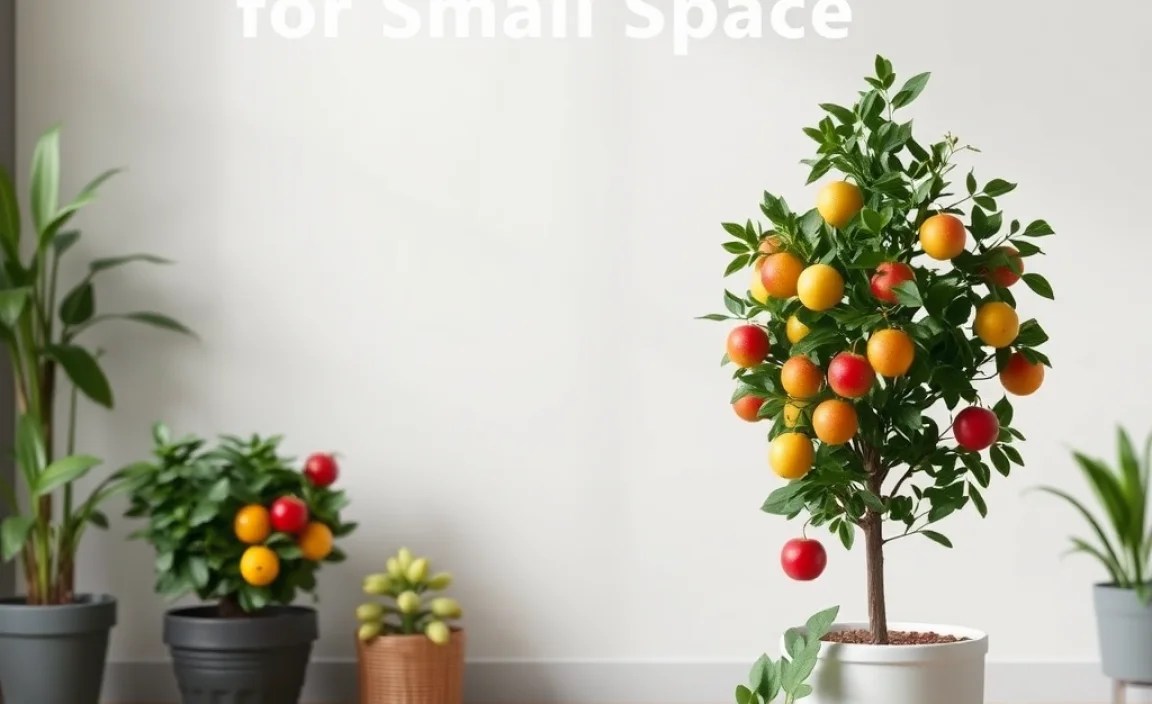
Dwarf Fruit Trees for Small Spaces
Dwarf fruit trees are a fantastic choice for trees for small gardens. They offer the joy of homegrown fruit without taking up too much space. These trees are specially bred to stay smaller than standard fruit trees. This makes them perfect for urban gardens and smaller yards. You can find dwarf varieties of many popular fruits. Apples, peaches, cherries, and pears are all available in dwarf form. These trees typically grow to be between 6 and 10 feet tall. This means you can easily prune and harvest the fruit. Dwarf fruit trees also tend to produce fruit sooner than standard trees. You might be enjoying fresh apples or juicy peaches in just a few years. They do need regular pruning to maintain their size and shape. Proper care ensures a bountiful harvest from your small garden.
- Dwarf fruit trees stay smaller than standard trees.
- They offer homegrown fruit in limited spaces.
- Apples, peaches, cherries, and pears are available.
- They typically grow to be 6 to 10 feet tall.
- Dwarf trees produce fruit sooner than standard trees.
When planting dwarf fruit trees, consider pollination. Some fruit trees need another tree nearby to produce fruit. This is called cross-pollination. Check the specific requirements for your chosen fruit. You might need to plant two different varieties of apple trees, for example. Self-pollinating varieties are also available. These trees don’t need another tree to produce fruit. Proper soil drainage is crucial for fruit trees. They don’t like to sit in wet soil. Amend your soil with compost or other organic matter to improve drainage. Fertilize your dwarf fruit trees regularly. This helps them stay healthy and productive. With a little care, dwarf fruit trees can bring beauty and delicious fruit to your small garden. Enjoy the taste of homegrown goodness!
Fun Fact or Stat: A single dwarf apple tree can produce up to 30 pounds of apples each year!
Which Fruits Grow Best in Small Gardens?
Are you dreaming of picking your own fresh fruit? Some fruits are easier to grow in small gardens than others. Apples, peaches, and cherries are popular choices for dwarf varieties. These trees are relatively easy to care for and produce delicious fruit. Berries, like blueberries and raspberries, are also great options. They can be grown in containers or small raised beds. Strawberries are another easy-to-grow fruit. They thrive in hanging baskets or small garden plots. Consider your local climate when choosing fruit trees. Some fruits are better suited to warmer climates, while others prefer cooler temperatures. Do some research to find out which fruits will grow best in your area. With a little planning, you can enjoy a bountiful harvest from your small garden.
How Do I Care for Dwarf Fruit Trees?
Taking care of dwarf fruit trees is not as hard as you might think. Regular pruning is essential. This helps maintain their size and shape. It also encourages fruit production. Water your trees regularly, especially during dry spells. Fruit trees need consistent moisture to thrive. Fertilize your trees in the spring with a balanced fertilizer. This provides them with the nutrients they need to grow. Protect your trees from pests and diseases. Inspect them regularly for signs of trouble. Use organic pest control methods whenever possible. With proper care, your dwarf fruit trees will reward you with years of delicious fruit. Enjoy the fruits of your labor!
Do I Need More Than One Tree?
Do you need more than one fruit tree? The answer depends on the type of fruit you choose. Some fruit trees are self-pollinating. This means they can produce fruit on their own. Others need cross-pollination. This means they need another tree of a different variety nearby. Apples, pears, and some plums often require cross-pollination. Cherries and peaches are usually self-pollinating. Check the specific requirements for your chosen fruit tree. If you need cross-pollination, plant two different varieties of the same fruit. Even self-pollinating trees can benefit from having a companion tree nearby. This can increase fruit production. More trees, more fruit! A little extra planning ensures a bountiful harvest.
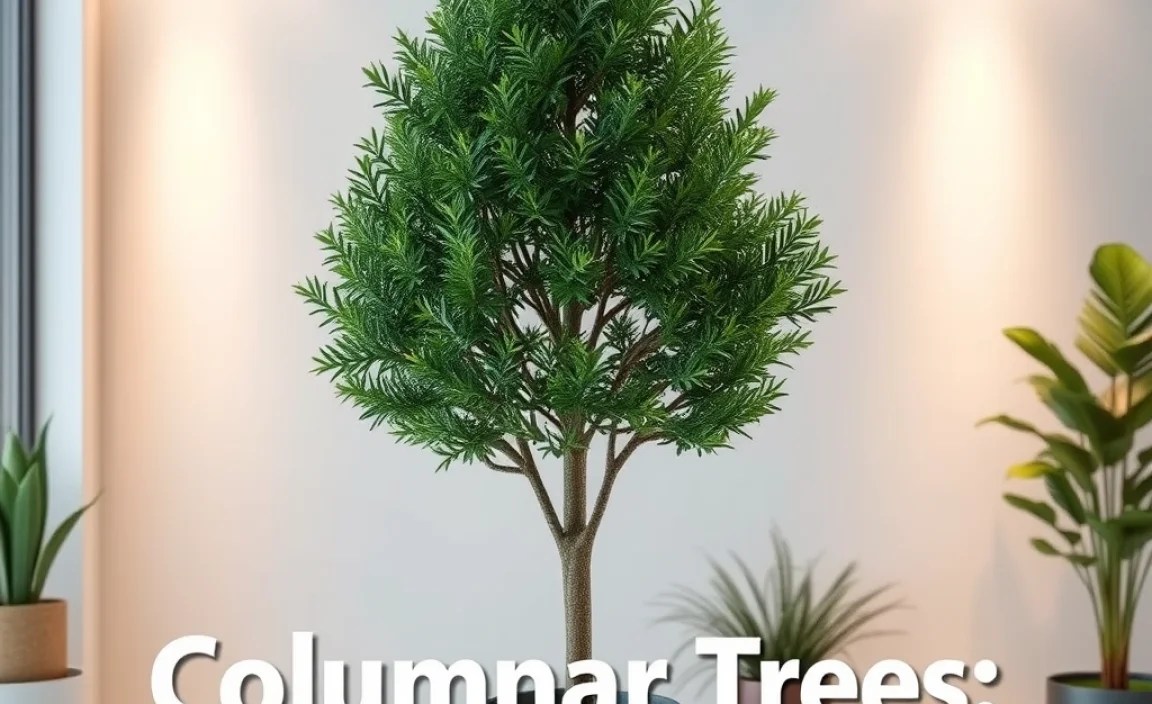
Columnar Trees: A Vertical Solution
Columnar trees offer a unique solution for trees for small gardens. These trees grow straight up. They have a narrow, upright shape. This makes them perfect for tight spaces. Think of them as living pillars of green! Columnar trees are ideal for lining driveways or fences. They can also be used as screens to provide privacy. Several types of trees come in columnar varieties. Apple trees, beech trees, and hornbeams are all available. These trees typically grow to be between 10 and 15 feet tall. They only spread out a few feet wide. This narrow shape allows you to plant them close together. You can create a beautiful hedge or screen in a small space. Columnar trees add a touch of elegance to any garden.
- Columnar trees grow straight up with a narrow shape.
- They are perfect for tight spaces and small gardens.
- Apple trees, beech trees, and hornbeams are available.
- They typically grow 10 to 15 feet tall and only a few feet wide.
- Columnar trees can be used as screens or hedges.
When planting columnar trees, consider their mature height. Make sure they won’t grow too tall for your space. Also, think about their sunlight needs. Most columnar trees prefer full sun. However, some can tolerate partial shade. Plant them in well-drained soil. Water them regularly, especially during dry periods. Pruning is usually minimal for columnar trees. You might need to trim off any stray branches to maintain their shape. Fertilize them in the spring with a balanced fertilizer. This helps them stay healthy and grow strong. With proper care, columnar trees can add vertical interest and beauty to your small garden. Enjoy their unique form and elegant presence.
Fun Fact or Stat: Columnar apple trees can produce a surprising amount of fruit, often yielding several bushels of apples each season!
What are the Best Columnar Tree Types?
Choosing the right columnar tree can transform your small garden. Columnar apple trees are popular for their delicious fruit and narrow shape. ‘North Pole’ and ‘Golden Sentinel’ are two well-known varieties. Columnar beech trees offer a more formal look with their smooth, gray bark. ‘Dawyck Purple’ is a stunning variety with deep purple leaves. Columnar hornbeams are another great choice for adding structure to your garden. They have a dense, upright habit and attractive foliage. Consider your personal preferences and garden style when choosing a columnar tree. With so many beautiful options available, you’re sure to find the perfect fit for your space. The right tree will enhance the beauty of your garden.
How Do I Plant Columnar Trees?
Planting columnar trees is similar to planting any other tree. Choose a location with well-drained soil and adequate sunlight. Dig a hole that is twice as wide as the tree’s root ball. Gently remove the tree from its container. Loosen any circling roots. Place the tree in the hole, making sure the top of the root ball is level with the ground. Backfill the hole with soil. Water the tree thoroughly. Add a layer of mulch around the base of the tree. This helps retain moisture and suppress weeds. Stake the tree if necessary to provide support. With proper planting, your columnar tree will thrive in its new home.
How Much Space Do They Need?
One of the best things about columnar trees is that they don’t need much space. They typically only spread out a few feet wide. This makes them perfect for narrow areas, such as along fences or driveways. You can plant them relatively close together to create a screen or hedge. A spacing of 2 to 3 feet is usually sufficient. Be sure to consider the mature height of the tree when planning your planting layout. You don’t want the trees to block too much sunlight from other plants in your garden. With careful planning, you can maximize the space in your small garden and enjoy the beauty of columnar trees. They are a great addition to any garden.

Small Flowering Trees for Beauty
Small flowering trees bring vibrant color and beauty to trees for small gardens. These trees offer stunning blooms in the spring or summer. They add a touch of elegance and charm to any landscape. Many different types of flowering trees are well-suited for small gardens. Crabapples, dogwoods, and magnolias are all popular choices. These trees typically grow to be between 10 and 20 feet tall. They provide a focal point in your garden. Some flowering trees also offer attractive fall foliage. This extends their season of interest. Choosing a flowering tree that thrives in your climate is important. With proper care, these trees can provide years of beauty and enjoyment.
- Small flowering trees add color and beauty to gardens.
- Crabapples, dogwoods, and magnolias are popular choices.
- They typically grow to be 10 to 20 feet tall.
- Some offer attractive fall foliage as well.
- Choose trees that thrive in your local climate.
When selecting a flowering tree, consider the bloom time. Some trees flower in early spring, while others bloom in late summer. Choose a tree that will provide color when you want it most. Also, think about the flower color. Do you prefer pink, white, red, or yellow blooms? Select a color that complements your existing garden. Proper soil drainage is essential for flowering trees. They don’t like to sit in wet soil. Amend your soil with compost or other organic matter to improve drainage. Water your flowering trees regularly, especially during dry spells. Fertilize them in the spring with a fertilizer formulated for flowering trees. With a little care, these trees will reward you with a stunning display of blooms each year. Enjoy the beauty and fragrance of your flowering tree.
Fun Fact or Stat: Dogwood trees are native to North America and are known for their beautiful bracts, which are often mistaken for petals!
What are the Best Flowering Tree Choices?
Finding the perfect flowering tree can transform your garden. Crabapple trees offer a profusion of spring blooms in shades of pink, white, or red. They also provide attractive fruit in the fall. Dogwood trees are known for their elegant bracts and beautiful fall color. Magnolias offer large, showy blooms in early spring. They come in a variety of colors, including pink, white, and purple. Redbuds are another great choice for their delicate pink flowers. Consider your personal preferences and garden style when choosing a flowering tree. With so many stunning options available, you’re sure to find the perfect addition to your landscape.
How Do I Care for Flowering Trees?
Caring for flowering trees is easier than you think. Regular pruning is important to maintain their shape and encourage blooming. Prune in late winter or early spring, before the new growth begins. Water your trees regularly, especially during dry spells. Flowering trees need consistent moisture to thrive. Fertilize your trees in the spring with a fertilizer formulated for flowering trees. This provides them with the nutrients they need to produce beautiful blooms. Protect your trees from pests and diseases. Inspect them regularly for signs of trouble. With proper care, your flowering trees will reward you with years of stunning blooms.
Do I Need to Prune My Flowering Tree?
Pruning is an important part of caring for flowering trees. It helps maintain their shape, remove dead or damaged branches, and encourage blooming. The best time to prune flowering trees is in late winter or early spring. This is before the new growth begins. Remove any dead, damaged, or crossing branches. Also, prune to shape the tree and open up the canopy. This allows more sunlight to reach the inner branches. Use sharp, clean pruning shears to make clean cuts. Avoid pruning too heavily, as this can reduce flowering. With proper pruning, your flowering tree will stay healthy and beautiful for years to come. Pruning is essential for good growth.
Evergreen Trees for Year-Round Greenery
Evergreen trees provide year-round greenery and structure to trees for small gardens. These trees keep their leaves throughout the year. This provides constant color and interest. They offer a welcome sight during the winter months. Many evergreen trees are well-suited for small gardens. Dwarf conifers, such as junipers, pines, and spruces, are popular choices. These trees typically grow to be between 3 and 10 feet tall. They come in a variety of shapes and textures. Some have needles, while others have scales. Evergreen trees can be used as screens, hedges, or focal points in your garden. They also provide valuable habitat for birds and other wildlife. Choosing an evergreen tree that thrives in your climate is important. With proper care, these trees can provide years of beauty and enjoyment.
- Evergreen trees provide year-round greenery and structure.
- Dwarf conifers, like junipers, pines, and spruces, are popular.
- They typically grow to be between 3 and 10 feet tall.
- They come in a variety of shapes and textures.
- Evergreen trees provide habitat for birds and wildlife.
When selecting an evergreen tree, consider its shape and texture. Do you prefer a pyramidal, rounded, or spreading form? Do you like needles or scales? Choose a tree that complements your existing garden. Proper soil drainage is essential for evergreen trees. They don’t like to sit in wet soil. Amend your soil with compost or other organic matter to improve drainage. Water your evergreen trees regularly, especially during dry spells. Fertilize them in the spring with a fertilizer formulated for evergreens. Protect your trees from pests and diseases. Inspect them regularly for signs of trouble. With a little care, these trees will reward you with year-round beauty and a touch of elegance to your garden.
Fun Fact or Stat: Evergreen trees help clean the air by absorbing carbon dioxide and releasing oxygen!
What are the Best Evergreen Tree Choices?
Selecting the right evergreen tree can transform your garden. Dwarf junipers offer a variety of shapes and textures. They are also very low-maintenance. Dwarf pines provide a classic evergreen look with their needles and sturdy branches. Dwarf spruces are known for their pyramidal shape and dense foliage. They add a formal touch to any garden. Consider your personal preferences and garden style when choosing an evergreen tree. With so many beautiful options available, you’re sure to find the perfect addition to your landscape. A beautiful evergreen is a great choice for your garden.
How Do I Care for Evergreen Trees?
Caring for evergreen trees is simple with the right techniques. Regular watering is important, especially during dry spells. Evergreen trees need consistent moisture to thrive. Fertilize your trees in the spring with a fertilizer formulated for evergreens. This provides them with the nutrients they need to grow. Pruning is usually minimal for evergreen trees. You might need to trim off any dead or damaged branches. Protect your trees from pests and diseases. Inspect them regularly for signs of trouble. With proper care, your evergreen trees will stay healthy and beautiful for years to come. Your garden will look great with the right care.
Do Evergreen Trees Need Special Soil?
Evergreen trees thrive in well-drained soil. They don’t like to sit in wet soil, which can lead to root rot. Amend your soil with compost or other organic matter to improve drainage. A slightly acidic soil is ideal for most evergreen trees. You can test your soil’s pH level with a soil testing kit. If your soil is too alkaline, you can add sulfur to lower the pH. Avoid planting evergreen trees in compacted soil. This can restrict root growth. With proper soil preparation, your evergreen trees will thrive in your garden. Healthy soil is essential for healthy trees.
Trees with Interesting Bark or Form
Trees with interesting bark or form add visual interest to trees for small gardens. These trees offer something special beyond just green leaves. Their unique bark patterns or unusual shapes can make them stand out. They provide year-round interest, even when they are not in bloom. Many trees with interesting bark or form are well-suited for small gardens. Paperbark maples, river birches, and contorted filberts are all popular choices. These trees typically grow to be between 10 and 25 feet tall. They provide a focal point in your garden. Their unique features can add a touch of whimsy or elegance to your landscape. Choosing a tree that thrives in your climate is important. With proper care, these trees can provide years of beauty and enjoyment.
| Tree Type | Bark/Form Feature | Mature Height | Sunlight Needs |
|---|---|---|---|
| Paperbark Maple | Peeling, cinnamon-colored bark | 20-25 feet | Full sun to partial shade |
| River Birch | Exfoliating, multi-colored bark | 40-70 feet (smaller cultivars available) | Full sun to partial shade |
| Contorted Filbert | Twisted, contorted branches | 8-10 feet | Full sun to partial shade |
| Japanese Maple | Graceful form, colorful foliage | 6-20 feet | Partial shade |
- Trees with interesting bark or form add visual interest.
- Paperbark maples, river birches, and contorted filberts are popular.
- They typically grow to be between 10 and 25 feet tall.
- Their unique features add whimsy or elegance.
- Choose trees that thrive in your local climate.
When selecting a tree with interesting bark or form, consider its overall appearance. Do you prefer a tree with peeling bark, twisted branches, or a weeping habit? Choose a tree that complements your existing garden. Proper soil drainage is essential for these trees. They don’t like to sit in wet soil. Amend your soil with compost or other organic matter to improve drainage. Water your trees regularly, especially during dry spells. Fertilize them in the spring with a balanced fertilizer. Protect your trees from pests and diseases. Inspect them regularly for signs of trouble. With a little care, these trees will reward you with year-round beauty and a touch of uniqueness to your garden.
Fun Fact or Stat: The bark of the paperbark maple is so attractive that it is often used in floral arrangements!
What are Some Unique Bark Features?
Discovering trees with unique bark can transform your garden. Paperbark maples have peeling, cinnamon-colored bark that provides year-round interest. River birches have exfoliating, multi-colored bark that adds texture and visual appeal. Lacebark pines have mottled bark with shades of green, gray, and brown. Consider your personal preferences and garden style when choosing a tree with unique bark. With so many stunning options available, you’re sure to find the perfect addition to your landscape. Unique bark is a great feature to add to any garden.
How Do I Care for These Unique Trees?
Caring for trees with unique bark or form is simple with the right techniques. Regular watering is important, especially during dry spells. These trees need consistent moisture to thrive. Fertilize your trees in the spring with a balanced fertilizer. This provides them with the nutrients they need to grow. Pruning is usually minimal for these trees. You might need to trim off any dead or damaged branches. Protect your trees from pests and diseases. Inspect them regularly for signs of trouble. With proper care, these trees will stay healthy and beautiful for years to come. Your garden will look great with proper care.
Do I Need to Protect the Bark?
Protecting the bark of your trees is important, especially when they are young. Young trees are more susceptible to damage from sunscald, pests, and animals. Wrap the trunks of young trees with tree wrap to protect them from these threats. Remove the tree wrap after a year or two, once the bark has matured. Avoid damaging the bark when mowing or using garden tools. Wounds to the bark can provide entry points for pests and diseases. With proper care, you can keep your trees healthy and protect their beautiful bark. Tree protection helps keep your trees healthy.
Summary
Choosing trees for small gardens requires careful planning. You must consider size, shape, and maintenance. Dwarf fruit trees offer delicious homegrown fruit. Columnar trees provide a vertical solution for narrow spaces. Small flowering trees add vibrant color and beauty. Evergreen trees offer year-round greenery and structure. Trees with interesting bark or form add visual interest. Proper soil drainage and regular watering are essential for all trees. Selecting the right trees can transform your small garden into a beautiful and inviting space. With a little research and effort, you can create a stunning landscape that you’ll enjoy for years to come.
Conclusion
Trees for small gardens can transform any outdoor space. They add beauty, shade, and even food. Consider dwarf fruit trees, columnar trees, or small flowering varieties. Choose trees that fit your space and lifestyle. With careful planning and proper care, you can enjoy the benefits of trees even in a small garden. Make your small garden a green paradise.
Frequently Asked Questions
Question No 1: What are some good small trees for a small garden?
Answer: There are many great small trees for small gardens! Dwarf fruit trees like apples, cherries, and peaches are excellent choices. They provide delicious fruit without taking up too much space. Columnar trees like Italian cypress or columnar apple trees grow upright and narrow, fitting well in tight spots. Flowering trees like dogwoods, crabapples, and magnolias add beauty with their colorful blooms. These trees stay relatively small, making them perfect for compact gardens. Remember to choose a tree that suits your local climate and soil conditions for the best results. With the right choice, trees for small gardens can be beautiful.
Question No 2: How do I choose the right size tree for my small garden?
Answer: Choosing the right size tree is crucial for a small garden. You don’t want a tree that will outgrow its space and overwhelm your garden. Look for trees that are labeled as “dwarf” or “compact.” These varieties are bred to stay smaller. Consider the mature height and width of the tree. A good rule of thumb is to choose a tree that will be no more than 20-25 feet tall at maturity. Also, think about the width of the tree. A wide-spreading tree might take up too much valuable space. Research the mature size of any tree before you plant it. Careful planning ensures your tree remains a beautiful addition to your garden for many years.
Question No 3: What type of soil do small trees need?
Answer: Most small trees need well-drained soil. They don’t like to sit in wet soil, which can lead to root rot. Amend your soil with compost or other organic matter to improve drainage. A slightly acidic to neutral soil pH is ideal for most trees. You can test your soil’s pH level with a soil testing kit. Avoid planting trees in compacted soil. This can restrict root growth. Add organic matter to loosen the soil and improve aeration. Proper soil preparation is essential for healthy trees. Healthy soil contributes to healthy trees for small gardens.
Question No 4: How often should I water my small trees?
Answer: Watering frequency depends on the type of tree, the climate, and the soil conditions. Newly planted trees need more frequent watering than established trees. Water deeply and regularly, especially during dry spells. Check the soil moisture by sticking your finger into the soil. If the top inch or two feels dry, it’s time to water. Avoid overwatering, as this can lead to root rot. A good rule of thumb is to water deeply once or twice a week, rather than watering lightly every day. Mulching around the base of the tree helps retain moisture and reduce the need for frequent watering. This is key for young trees for small gardens.
Question No 5: Do I need to fertilize my small trees?
Answer: Fertilizing can help your small trees grow and thrive. However, it’s important to fertilize properly. Avoid over-fertilizing, as this can damage the tree. Fertilize in the spring with a balanced fertilizer. Look for a fertilizer that is formulated for trees and shrubs. Follow the instructions on the fertilizer package carefully. Avoid fertilizing in the fall, as this can encourage new growth that is susceptible to frost damage. If your soil is very poor, you may need to fertilize more frequently. However, in most cases, one application of fertilizer in the spring is sufficient. Proper fertilization contributes to the health of trees for small gardens.
Question No 6: How do I protect my small trees from pests and diseases?
Answer: Protecting your small trees from pests and diseases is important for their health and longevity. Inspect your trees regularly for signs of trouble. Look for unusual spots, holes, or discoloration on the leaves or bark. If you spot any problems, take action quickly. Use organic pest control methods whenever possible. Insecticidal soap, horticultural oil, and neem oil are all effective options. Prune away any diseased or damaged branches. Keep the area around your trees clean and free of debris. This helps prevent pests and diseases from taking hold. With proper care and attention, you can keep your small trees healthy and pest-free. Protection helps keep trees for small gardens healthy.
