Do you like yummy vegetables? Have you thought about growing your own? Starting vegetable gardens for beginners can be super fun. It is also easier than you think!
Imagine walking into your backyard. You pick a fresh, juicy tomato. You add some crisp lettuce to your salad. All from your own garden!
Growing your own food is a great way to learn. You can watch plants grow. You also get to eat healthy snacks. Let’s learn how to start your own garden. Get ready to get your hands dirty!
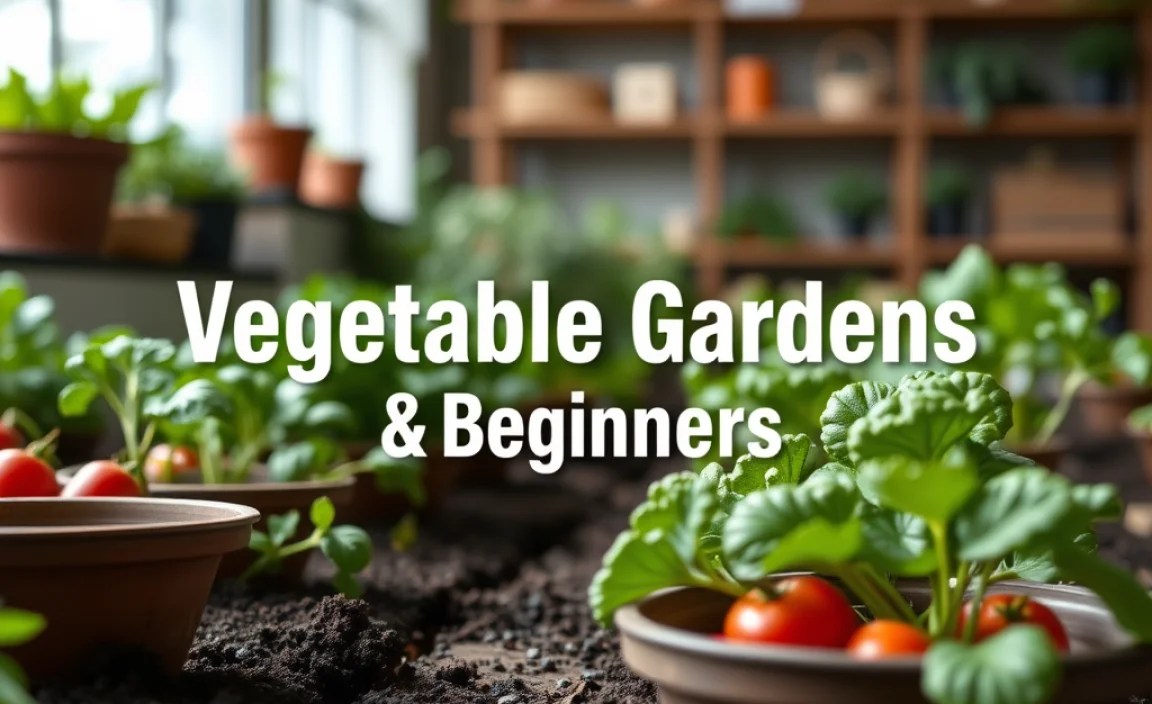
Key Takeaways
- Starting vegetable gardens for beginners involves choosing the right spot and plants.
- Water your plants regularly and make sure they get enough sunlight.
- Good soil helps your vegetables grow big and strong.
- Protect your garden from pests like bugs and animals.
- Harvest your vegetables when they are ripe and enjoy eating them!

Easy Vegetables Gardens for Beginners
Starting a vegetable garden for beginners might seem hard. Don’t worry, it’s not! The first thing you need to do is find a good spot. Look for a place in your yard that gets lots of sunlight. Most vegetables need at least six hours of sun each day. Sunlight helps them grow big and strong. Next, you need to think about your soil. Good soil is like a comfy bed for your plants. It gives them the nutrients they need. You can buy special soil for gardens at the store. You can also mix in compost. Compost is like a superfood for plants. It helps them grow even better. Finally, pick the right vegetables to grow. Some vegetables are easier to grow than others. Start with easy ones like lettuce, tomatoes, and carrots. These are great for beginners.
- Find a sunny spot in your yard.
- Make sure your soil is good for growing.
- Choose easy vegetables to start with.
- Water your plants regularly.
- Keep an eye out for pests.
Once you have your spot, soil, and plants, it’s time to get started! Dig small holes for your plants. Gently place them in the holes. Cover the roots with soil. Water them well. Remember to keep watering them every day. Especially when it’s hot outside. Keep an eye out for bugs or animals. They might want to eat your plants. You can put up a fence to keep them away. Or you can use special sprays that keep bugs away. Growing your own vegetables is a fun way to learn about nature. You also get to eat yummy food that you grew yourself!
Fun Fact or Stat: Did you know that tomatoes are actually fruits, not vegetables? But we often use them like vegetables in salads and sauces!
What is the best spot for my garden?
Choosing the right spot for your garden is super important. Think about where the sun shines the most in your yard. Vegetables love sunlight. They need it to make their food. Without enough sun, they won’t grow well. Is there a spot that gets at least six hours of sunlight each day? That’s a good place to start. Also, think about water. Is there a water source nearby? You’ll need to water your plants regularly. It’s easier if you don’t have to carry water a long way. Look for a spot that’s close to a hose or a watering can.
What kind of soil do I need?
The type of soil you use can make a big difference. Imagine trying to build a sandcastle with dry sand. It won’t work, right? Plants are the same way. They need good soil to grow strong. Good soil has lots of nutrients. Nutrients are like vitamins for plants. They help them grow big and healthy. You can buy special soil for gardens at the store. This soil is made just for growing vegetables. You can also add compost to your soil. Compost is made from old food scraps and leaves. It’s like a superfood for plants!
What are the easiest vegetables to grow?
When you’re just starting out, it’s best to choose easy vegetables. Some vegetables are harder to grow than others. Tomatoes are a good choice. They grow well in sunny spots. Lettuce is also easy. You can plant it in the spring or fall. Carrots are fun to grow. You get to pull them out of the ground when they’re ready. Radishes grow very quickly. You can eat them in just a few weeks. Green beans are also a good option. They grow on vines and are easy to pick. These vegetables are all great for vegetable gardens for beginners.

Choosing the Right Plants for Your Garden
Choosing the right plants is key for vegetable gardens for beginners. Think about what you like to eat. Do you love tomatoes? Then plant some tomato plants! Do you enjoy salads? Grow lettuce and spinach. It’s more fun to grow vegetables that you’ll actually eat. Also, think about the size of your garden. Some plants need more space than others. Tomatoes and peppers need a lot of room. Lettuce and radishes can grow closer together. Read the seed packets carefully. They will tell you how much space each plant needs.
- Choose vegetables you like to eat.
- Consider the size of your garden.
- Read the seed packets for information.
- Start with seedlings or seeds.
- Plant vegetables at the right time of year.
You can start your plants from seeds or seedlings. Seedlings are small plants that have already started growing. You can buy them at the store. Starting from seedlings is easier. It’s faster too. But starting from seeds is cheaper. You can also choose from more varieties. Plant your vegetables at the right time of year. Some vegetables like warm weather. Others like cool weather. Plant warm-weather vegetables like tomatoes in the spring. Plant cool-weather vegetables like lettuce in the fall. Growing your own vegetables is a rewarding experience. You get to watch them grow from tiny seeds to big, juicy treats!
Fun Fact or Stat: The world’s heaviest tomato weighed over 10 pounds! Imagine making a sandwich with that!
How do I choose the right seeds?
Picking the right seeds is important for a good garden. Look for seeds that are labeled for your area. Some seeds grow better in certain climates. Read the seed packets carefully. They will tell you what kind of soil the seeds need. They will also tell you how much sun they need. Choose seeds that are easy to grow. Some seeds are better for beginners. Ask someone at the store for help. They can tell you which seeds are best for your garden. Starting with good seeds is a great way to ensure a successful garden.
Should I start with seeds or seedlings?
Deciding whether to start with seeds or seedlings is a big choice. Seeds are cheaper. You can grow lots of plants from a small packet of seeds. But seeds take longer to grow. You have to wait for them to sprout. Seedlings are small plants that are already growing. They cost more, but they’re faster. You can plant them right in your garden. If you want a quick start, choose seedlings. If you want to save money and have more choices, choose seeds. Both are good options for vegetable gardens for beginners.
When is the best time to plant my vegetables?
Planting your vegetables at the right time is crucial. Some vegetables like warm weather. Others like cool weather. Tomatoes and peppers like warm weather. Plant them after the last frost. Lettuce and spinach like cool weather. Plant them in the spring or fall. Check a planting guide for your area. It will tell you when to plant each type of vegetable. Planting at the right time will help your vegetables grow strong and healthy. You’ll have a bigger harvest if you plant at the right time.
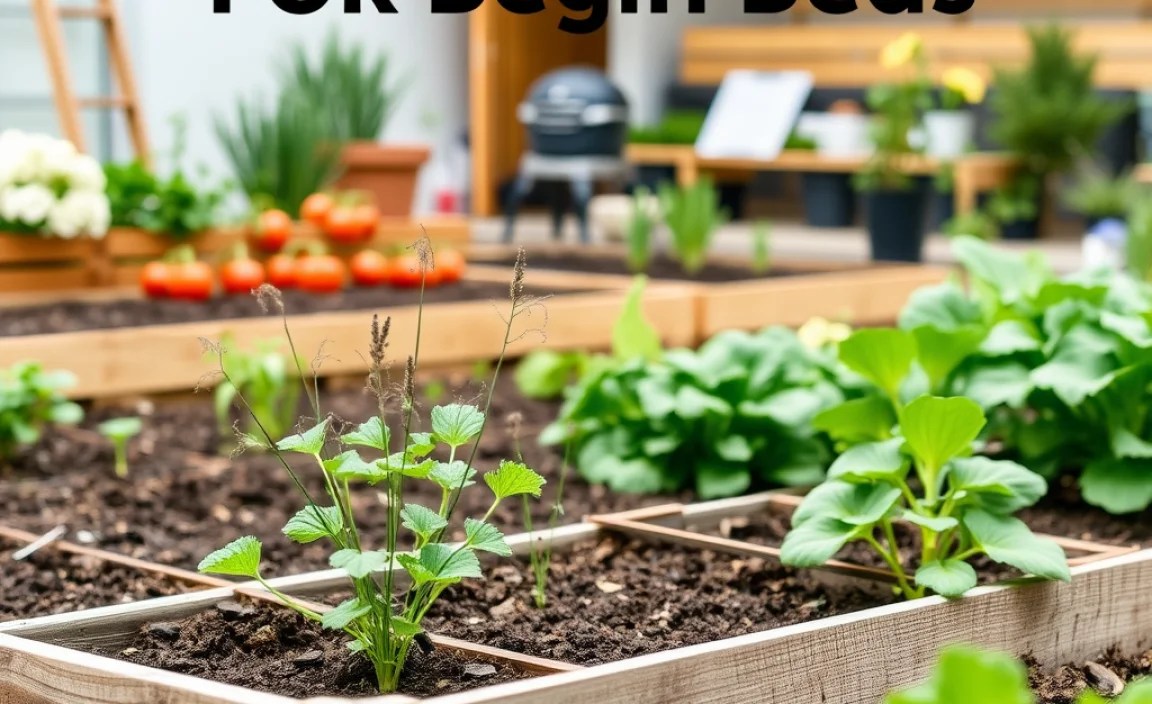
Preparing Your Garden Bed
Getting your garden bed ready is a big step for vegetable gardens for beginners. First, clear the area. Remove any grass, weeds, or rocks. You want a clean space for your vegetables to grow. Next, turn over the soil. Use a shovel or a garden fork. This helps to loosen the soil. It also makes it easier for the roots to grow. Add compost to the soil. Compost is like a superfood for plants. It helps them grow big and strong. Mix the compost into the soil well. Rake the soil smooth. This makes it easier to plant your vegetables.
- Clear the area of grass and weeds.
- Turn over the soil to loosen it.
- Add compost to improve the soil.
- Rake the soil smooth.
- Consider building raised beds.
You can also build raised beds. Raised beds are like big boxes filled with soil. They’re good for areas with poor soil. They also make it easier to garden. You don’t have to bend over as much. Fill the raised beds with good soil and compost. Water the soil well before planting. This helps to settle the soil. It also gives your plants a good start. Preparing your garden bed is an important step. It sets the stage for a healthy and productive garden. With a little effort, you can create a great place for your vegetables to grow.
Fun Fact or Stat: Worms are great for your garden! They help to aerate the soil and add nutrients.
How do I clear the area?
Clearing the area is the first step to preparing your garden bed. Remove any grass, weeds, or rocks. You can use a shovel or a hoe to remove the grass. Pull out any weeds by hand. Make sure you get the roots. Pick up any rocks or debris. You want a clean slate for your garden. This will help your vegetables grow without competition. A clean garden bed is a happy garden bed. It’s also easier to work in.
How do I improve the soil?
Improving your soil is key to a successful garden. Good soil has lots of nutrients. It also drains well. You can add compost to improve your soil. Compost is made from old food scraps and leaves. It adds nutrients to the soil. You can also add manure. Manure is animal poop. It’s a great fertilizer. Mix the compost or manure into the soil well. This will help your vegetables grow big and strong. Good soil is the foundation of a healthy garden.
What are raised beds?
Raised beds are like big boxes filled with soil. They’re a great option for vegetable gardens for beginners. You can build them out of wood or other materials. They’re good for areas with poor soil. You can fill them with good soil and compost. They also make it easier to garden. You don’t have to bend over as much. Raised beds can also help to keep pests away. They’re a great way to create a productive garden.

Watering and Caring for Your Plants
Watering and caring for your plants is essential for vegetable gardens for beginners. Water your plants regularly. Especially when it’s hot outside. Water them deeply. This means soaking the soil well. Water in the morning or evening. This helps to prevent the water from evaporating. Don’t water the leaves. This can cause diseases. Use a watering can or a hose. Water at the base of the plants. Fertilize your plants regularly. Use a fertilizer that is made for vegetables. Follow the instructions on the package.
| Vegetable | Watering Frequency | Sunlight Needs | Fertilizer Needs |
|---|---|---|---|
| Tomatoes | Daily | 6-8 hours | Every 2 weeks |
| Lettuce | Every other day | 4-6 hours | Every 4 weeks |
| Carrots | Twice a week | 6-8 hours | Every 6 weeks |
| Peppers | Daily | 6-8 hours | Every 2 weeks |
- Water your plants regularly.
- Water deeply at the base of the plants.
- Fertilize your plants regularly.
- Weed your garden often.
- Protect your plants from pests.
Weed your garden often. Weeds steal nutrients from your plants. Pull them out by hand. Or use a hoe. Protect your plants from pests. Bugs and animals can eat your vegetables. Put up a fence to keep animals away. Use special sprays to keep bugs away. Check your plants regularly for signs of pests. Growing your own vegetables is a fun and rewarding experience. With a little care, you can have a bountiful harvest.
Fun Fact or Stat: Some plants can actually talk to each other! They use chemicals in the air to warn each other about danger.
How often should I water my plants?
Watering your plants the right amount is key. Water them when the soil feels dry. Stick your finger in the soil. If it feels dry, it’s time to water. Water deeply. This means soaking the soil well. Water in the morning or evening. This helps to prevent the water from evaporating. Don’t water the leaves. This can cause diseases. The amount of water your plants need depends on the weather. If it’s hot and sunny, they’ll need more water. If it’s cool and cloudy, they’ll need less water.
How do I fertilize my plants?
Fertilizing your plants gives them extra nutrients. Nutrients are like vitamins for plants. They help them grow big and strong. Use a fertilizer that is made for vegetables. Follow the instructions on the package. Some fertilizers are liquid. You mix them with water and pour them on the soil. Other fertilizers are granules. You sprinkle them around the base of the plants. Fertilize your plants every few weeks. This will help them produce lots of vegetables.
How do I get rid of weeds?
Weeds steal nutrients from your plants. They can also spread diseases. It’s important to get rid of them. Pull them out by hand. Make sure you get the roots. You can also use a hoe to chop them down. Be careful not to damage your vegetable plants. You can also use mulch to prevent weeds from growing. Mulch is a layer of organic material. It blocks the sunlight and prevents weeds from sprouting.
Dealing With Pests and Diseases
Dealing with pests and diseases is part of vegetable gardens for beginners. Bugs and animals can eat your vegetables. Diseases can make your plants sick. It’s important to protect your garden. Put up a fence to keep animals away. Use special sprays to keep bugs away. Check your plants regularly for signs of pests or diseases. Look for holes in the leaves. Look for spots or discoloration. If you see signs of pests or diseases, take action right away.
- Put up a fence to keep animals away.
- Use insecticidal soap for bugs.
- Remove diseased leaves.
- Rotate your crops each year.
- Keep your garden clean.
You can use insecticidal soap to get rid of bugs. This is a natural way to kill bugs. You can also remove diseased leaves. This helps to prevent the disease from spreading. Rotate your crops each year. This means planting different vegetables in the same spot each year. This helps to prevent diseases from building up in the soil. Keep your garden clean. Remove any dead leaves or plants. This helps to prevent pests and diseases from spreading.
Fun Fact or Stat: Ladybugs are your friends in the garden! They eat aphids, which are tiny bugs that can harm your plants.
How do I keep animals out of my garden?
Animals love to eat vegetables. Deer, rabbits, and squirrels can all cause damage. Put up a fence to keep them out. The fence should be at least three feet tall. Bury the bottom of the fence a few inches deep. This will prevent animals from digging under it. You can also use netting to protect your plants. Netting is a mesh material that you can put over your plants. It will keep animals from getting to them.
What are common garden pests?
Aphids are tiny bugs that suck the sap from plants. They can cause the leaves to curl and turn yellow. Caterpillars eat the leaves of plants. They can quickly destroy a garden. Slugs and snails eat the leaves and stems of plants. They leave slimy trails behind. Japanese beetles eat the leaves and flowers of plants. They can cause a lot of damage. Knowing what pests to look for can help you protect your garden.
How do I prevent diseases?
Preventing diseases is easier than treating them. Choose disease-resistant varieties of vegetables. These plants are less likely to get sick. Water your plants at the base. This helps to prevent the leaves from getting wet. Wet leaves are more susceptible to diseases. Rotate your crops each year. This helps to prevent diseases from building up in the soil. Keep your garden clean. Remove any dead leaves or plants. This helps to prevent diseases from spreading.
Harvesting Your Vegetables
Harvesting your vegetables is the best part of vegetable gardens for beginners. It’s when you get to enjoy the fruits (and vegetables!) of your labor. Harvest your vegetables when they are ripe. This means they are the right size and color. Tomatoes should be red and juicy. Lettuce should be crisp and green. Carrots should be orange and firm. Harvest your vegetables regularly. This encourages the plants to produce more.
- Harvest vegetables when they are ripe.
- Harvest regularly to encourage more growth.
- Use the right tools to harvest.
- Store your vegetables properly.
- Enjoy eating your homegrown vegetables!
Use the right tools to harvest your vegetables. Use scissors or a knife to cut lettuce. Pull carrots out of the ground. Twist tomatoes off the vine. Store your vegetables properly. This will help them last longer. Store lettuce in the refrigerator. Store tomatoes at room temperature. Store carrots in a cool, dark place. Enjoy eating your homegrown vegetables! They will taste better than anything you can buy at the store.
Fun Fact or Stat: Eating vegetables that you grow yourself can make you happier and healthier!
How do I know when my vegetables are ripe?
Knowing when your vegetables are ripe is important. Tomatoes should be red and juicy. Lettuce should be crisp and green. Carrots should be orange and firm. Peppers should be the right color for their variety. Zucchini should be small and tender. Check your vegetables regularly. This will help you harvest them at the right time. Harvesting at the right time will ensure the best flavor and texture.
What tools do I need to harvest?
Having the right tools makes harvesting easier. Use scissors or a knife to cut lettuce. This will prevent you from damaging the plant. Use a garden fork to dig up potatoes. This will help you avoid cutting them. Use gloves to protect your hands. This will prevent you from getting dirty or scratched. A basket or bucket is useful for carrying your harvest.
How should I store my vegetables?
Storing your vegetables properly will help them last longer. Store lettuce in the refrigerator. Wrap it in a damp paper towel. Store tomatoes at room temperature. This will help them ripen. Store carrots in a cool, dark place. This will prevent them from drying out. Store potatoes in a cool, dark, and dry place. This will prevent them from sprouting.
Summary
Starting vegetable gardens for beginners is a fun and rewarding activity. You can grow your own food. You can eat healthy snacks. You also learn about nature. Find a sunny spot in your yard. Prepare the soil. Choose easy vegetables to grow. Water your plants regularly. Protect them from pests and diseases. Harvest your vegetables when they are ripe. Enjoy eating your homegrown food!
Growing your own vegetables is a great way to connect with nature. It’s also good for the environment. You can reduce your carbon footprint by growing your own food. You’ll also save money on groceries. Plus, homegrown vegetables taste amazing! So, what are you waiting for? Get started with your own vegetable garden today!
Conclusion
Starting a garden is easier than you think. You can grow tasty food. You can learn about nature. You will also have fun. Remember to find a sunny spot. Prepare the soil. Water your plants. Watch them grow. Soon you will be eating your own vegetables! Starting vegetable gardens for beginners is a great hobby.
Frequently Asked Questions
Question No 1: What are the best vegetables for beginners to grow?
Answer: Some of the easiest vegetables for beginners to grow include lettuce, radishes, tomatoes, and carrots. These vegetables are relatively low-maintenance. They also grow quickly. They don’t require a lot of space. They are perfect for small gardens or containers. Starting with these easy vegetables will give you a good foundation for your gardening journey. Plus, you’ll get to enjoy fresh, homegrown produce in no time! These are excellent choices for vegetable gardens for beginners.
Question No 2: How much sunlight do vegetables need?
Answer: Most vegetables need at least six hours of sunlight per day. Sunlight is essential for photosynthesis. It is the process by which plants make their own food. Without enough sunlight, vegetables won’t grow well. They may be small and weak. Choose a spot in your yard that gets plenty of sun. If you don’t have a sunny spot, you can use grow lights. Grow lights provide artificial light that vegetables need to grow. Make sure to position your vegetable gardens for beginners where there is access to enough light.
Question No 3: How often should I water my vegetable garden?
Answer: You should water your vegetable garden when the soil feels dry to the touch. Stick your finger about an inch into the soil. If it feels dry, it’s time to water. Water deeply, so the water reaches the roots. Water in the morning or evening. This helps to prevent the water from evaporating. The amount of water your garden needs depends on the weather. If it’s hot and sunny, you’ll need to water more often. If it’s cool and cloudy, you’ll need to water less often.
Question No 4: What kind of soil should I use for my vegetable garden?
Answer: You should use well-draining soil that is rich in nutrients. You can buy special soil for gardens at the store. Or you can make your own soil by mixing compost, topsoil, and sand. Compost is like a superfood for plants. It adds nutrients to the soil. Topsoil provides a good base for plants to grow. Sand helps to improve drainage. Good soil is essential for healthy vegetable growth. It provides the nutrients and support that plants need to thrive. This is a crucial aspect for vegetable gardens for beginners.
Question No 5: How do I protect my vegetable garden from pests?
Answer: There are several ways to protect your vegetable garden from pests. You can put up a fence to keep animals away. You can use netting to cover your plants. This will prevent bugs from getting to them. You can also use insecticidal soap. This is a natural way to kill bugs. Check your plants regularly for signs of pests. If you see any, take action right away. Keeping your garden clean and healthy will also help to prevent pests.
Question No 6: When is the best time to harvest my vegetables?
Answer: The best time to harvest your vegetables depends on the type of vegetable. Tomatoes should be red and juicy. Lettuce should be crisp and green. Carrots should be orange and firm. Check your vegetables regularly to see if they are ready to harvest. Harvesting at the right time will ensure the best flavor and texture. It’s also important to harvest regularly. This encourages the plants to produce more vegetables. Enjoy the process of harvesting your own food from your vegetable gardens for beginners.
