Have you ever wanted fresh veggies at home? Do you live in an apartment? Maybe you don’t have a big yard. Don’t worry! You can still grow your own food. Let’s learn about vegetable gardens for small spaces. It’s easier than you think!
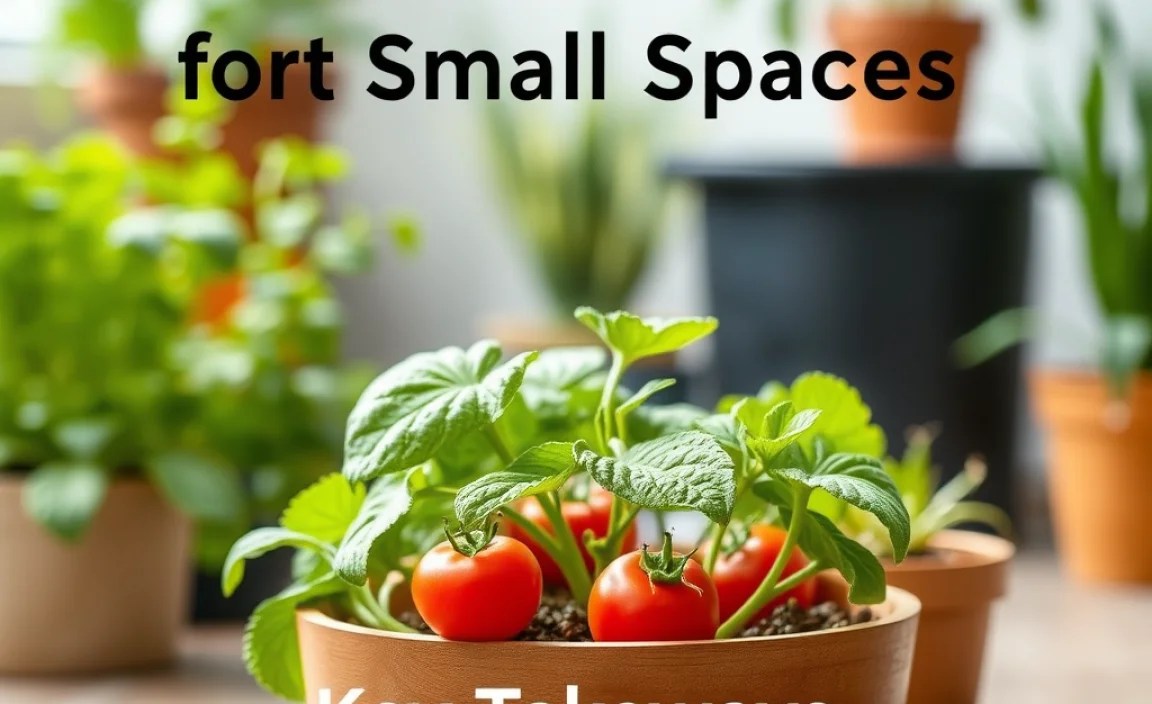
Key Takeaways
- Vegetable gardens for small spaces let you grow food with limited room.
- Choose the right small space vegetables and compact varieties for success.
- Vertical gardening maximizes space using walls and hanging planters.
- Use containers and raised beds to control soil and drainage easily.
- Regular watering, sunlight, and feeding lead to a bountiful harvest.

Planning Vegetable Gardens for Small Spaces
Planning is key for vegetable gardens for small spaces. Think about what you like to eat. Consider how much sunlight your space gets. Some vegetables need more sun than others. Measure your space carefully. Draw a simple garden plan. This will help you decide what to grow. You can use containers, raised beds, or vertical structures. Choose plants that fit your space. Dwarf varieties are great for small areas. Companion planting can also help. This means planting vegetables that help each other grow. For example, basil can help tomatoes. Marigolds can keep pests away. Good planning leads to a great harvest.
- Know your space. Measure the area.
- Choose plants you like to eat.
- Consider the sunlight. Some plants need more.
- Plan your garden layout. Draw it out.
- Think about companion planting.
Now, let’s talk about soil. Good soil is important for healthy plants. You can buy potting mix for containers. Or, you can make your own. Mix compost, soil, and peat moss. Make sure your soil drains well. Add perlite to help with drainage. Water your plants regularly. Check the soil moisture. Don’t let it dry out completely. Fertilize your plants every few weeks. Use a balanced fertilizer. Follow the instructions on the label. With a little planning and care, you can have a thriving vegetable garden for small spaces.
Fun Fact or Stat: Did you know that a single tomato plant can produce up to 10 pounds of tomatoes in a season?
What is the Best Layout?
Choosing the best layout is key for vegetable gardens for small spaces. Think about the shape of your space. Is it long and narrow? Or is it square? Use this to guide your layout. Vertical gardens work well in small areas. You can use trellises or hanging baskets. Arrange plants by height. Put taller plants in the back. Shorter plants go in the front. This makes sure all plants get enough sunlight. Group plants with similar needs together. This makes watering and fertilizing easier. A well-planned layout maximizes your space.
What About Sunlight?
Sunlight is essential for healthy plants. Most vegetables need at least six hours of sun each day. Watch your space during the day. See where the sun shines. Choose plants that match your sunlight conditions. Leafy greens like lettuce can tolerate less sun. Tomatoes and peppers need lots of sun. If you don’t have enough sunlight, use grow lights. These can help your plants thrive. Place grow lights close to the plants. Adjust them as the plants grow.
What Plants Should I Choose?
Choosing the right plants is vital. Some plants do better in small spaces. Bush beans are a good choice. They don’t need much room. Cherry tomatoes are also great. They grow well in containers. Herbs like basil and mint are easy to grow. Radishes and spinach are quick to harvest. Look for dwarf varieties of your favorite vegetables. These are bred to stay small. Talk to your local nursery. They can give you advice on the best plants for your area.
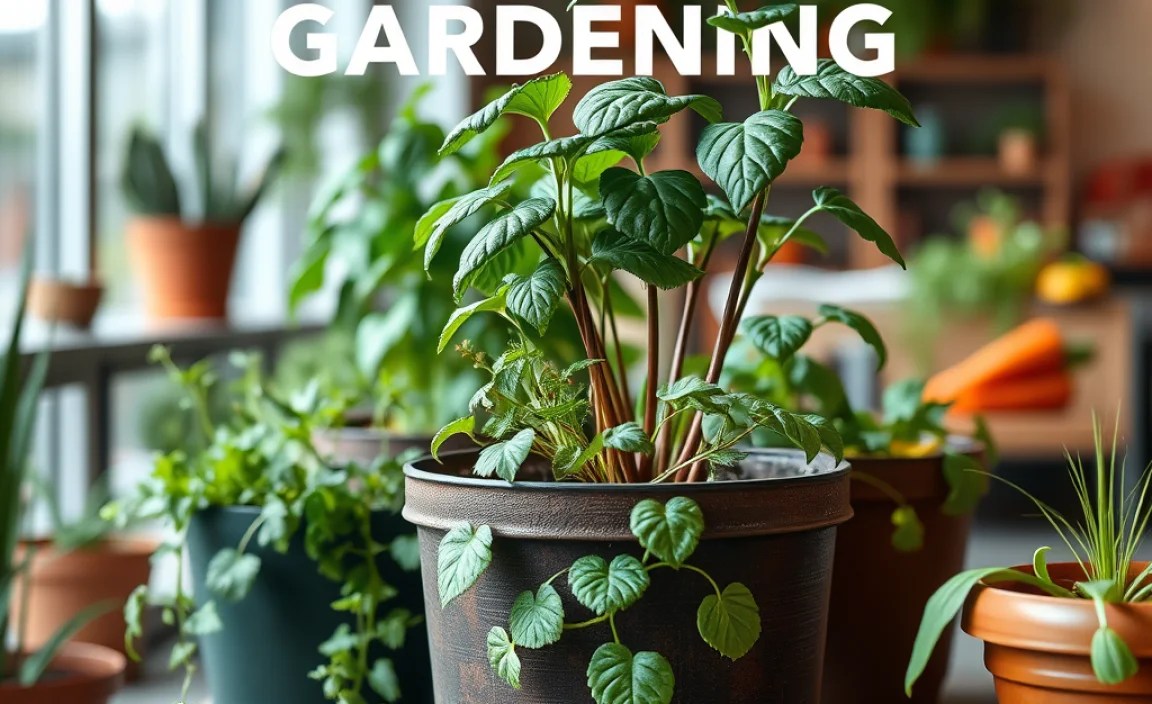
Container Gardening for Small Spaces
Container gardening is perfect for vegetable gardens for small spaces. You can use pots, buckets, or even old tires. Make sure your containers have drainage holes. This prevents the soil from getting waterlogged. Choose the right size container for each plant. Bigger plants need bigger containers. Use a good quality potting mix. This will provide the nutrients your plants need. Place your containers in a sunny spot. Water them regularly. Container gardens are easy to move around. This lets you adjust to changing weather conditions. You can also bring them indoors during cold weather. Container gardening is a flexible and fun way to grow vegetables.
- Use pots, buckets, or old tires.
- Make sure containers have drainage holes.
- Choose the right size container.
- Use good quality potting mix.
- Place containers in a sunny spot.
- Water regularly.
Now, let’s talk about container types. Terra cotta pots are classic and look great. Plastic pots are lightweight and hold moisture well. Fabric pots are breathable and promote healthy root growth. Consider the material of your container. It can affect how often you need to water. Dark-colored containers can heat up quickly in the sun. This can dry out the soil faster. Light-colored containers reflect sunlight. This helps keep the soil cooler. Choose containers that fit your style and needs. Remember to clean your containers before planting. This helps prevent diseases.
Fun Fact or Stat: The largest tomato ever grown weighed over 7 pounds and was grown in Oklahoma!
What are the Best Containers?
The best containers depend on your space and plants. Small herbs do well in small pots. Tomatoes and peppers need larger containers. Consider the depth of the container. Root vegetables like carrots need deep pots. Leafy greens can grow in shallower containers. Hanging baskets are great for strawberries. Window boxes are perfect for herbs. Get creative with your containers. Use old watering cans or even boots. Just make sure they have drainage holes.
How Often Should I Water?
Watering is crucial for container gardens. Containers dry out faster than garden beds. Check the soil moisture every day. Stick your finger into the soil. If it feels dry, it’s time to water. Water deeply until water drains out the bottom. Avoid watering the leaves. This can cause fungal diseases. Water in the morning or evening. This prevents water from evaporating too quickly. Adjust your watering based on the weather. Hot, sunny days require more water.
What About Fertilizer?
Fertilizer is important for container gardens. Plants in containers need regular feeding. Use a balanced fertilizer. Look for one with equal parts nitrogen, phosphorus, and potassium. Follow the instructions on the label. Over-fertilizing can burn the roots. Fertilize every few weeks. You can also use organic fertilizers. Compost tea is a great option. It provides nutrients and beneficial microbes.

Vertical Gardening Ideas for Small Spaces
Vertical gardening is a great way to maximize space. It’s perfect for vegetable gardens for small spaces. Use walls, fences, and balconies. Trellises are great for climbing plants. Think about tomatoes, cucumbers, and beans. Hanging baskets are perfect for strawberries and herbs. You can also build a living wall. Use a frame and attach planters. Pallets can be repurposed into vertical gardens. Just make sure to use untreated wood. Vertical gardens add beauty and function. They also create a green oasis in small areas.
- Use trellises for climbing plants.
- Hang baskets for strawberries and herbs.
- Build a living wall.
- Repurpose pallets into gardens.
- Use walls and fences.
Now, let’s talk about choosing the right plants for vertical gardens. Lightweight plants are best. Avoid heavy plants that could damage structures. Strawberries, herbs, and leafy greens are good choices. Small tomatoes and peppers can also work. Choose plants that can tolerate the conditions. Walls can get very hot in the sun. Make sure your plants can handle the heat. Water your vertical garden regularly. The soil can dry out quickly. Consider using a drip irrigation system. This can help keep your plants watered.
Fun Fact or Stat: The world’s tallest vertical garden is in Medellín, Colombia, and it covers an entire building!
How Do I Build a Living Wall?
Building a living wall can seem hard. But it’s easier than you think. You’ll need a frame, fabric, and planters. Attach the fabric to the frame. Make pockets in the fabric. Fill the pockets with potting mix. Plant your vegetables and herbs. Water the wall regularly. Make sure the frame is strong enough. It needs to support the weight of the soil and plants. Place the living wall in a sunny location.
What Plants are Best for Trellises?
Trellises are perfect for climbing plants. Tomatoes, cucumbers, and beans are great choices. These plants need support to grow. The trellis provides that support. Train the plants to climb the trellis. Tie them gently to the structure. Check the plants regularly. Make sure they are growing in the right direction. Prune the plants as needed. This will encourage growth.
How Do I Water a Vertical Garden?
Watering a vertical garden can be tricky. The soil can dry out quickly. Use a watering can with a long spout. This will help you reach all the plants. Water slowly and deeply. Make sure the water reaches the roots. Consider using a drip irrigation system. This can automate the watering process. It also ensures even watering. Check the soil moisture regularly. Adjust your watering based on the weather.
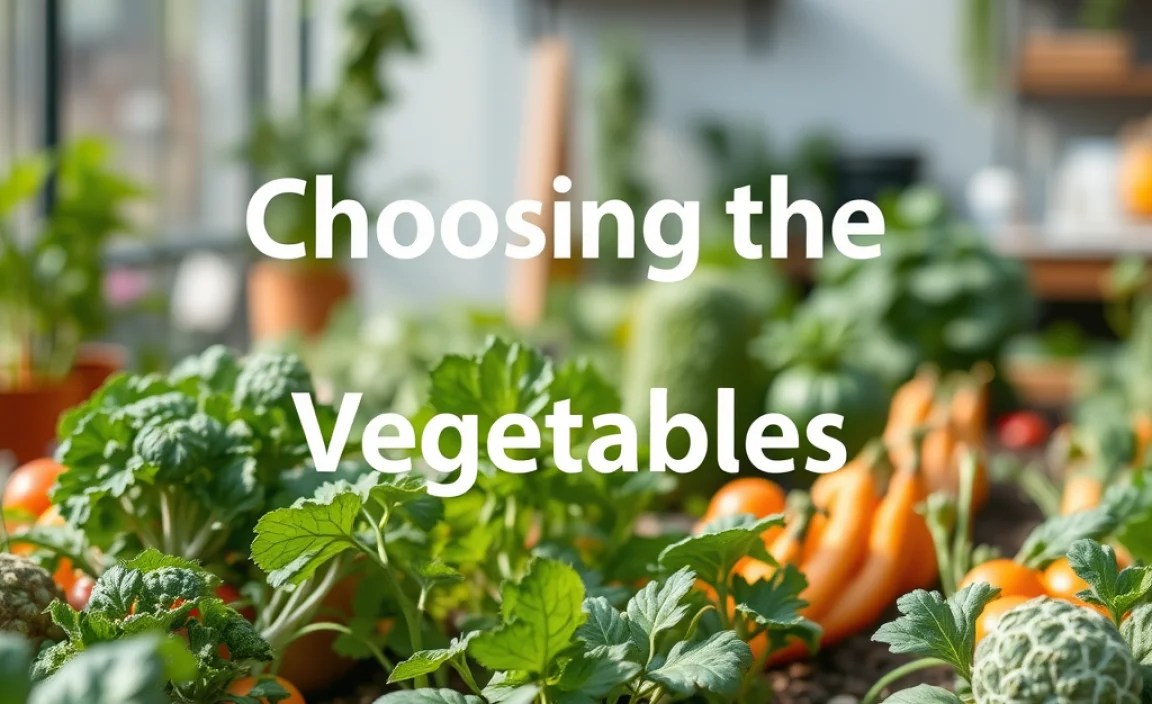
Choosing the Right Vegetables
Choosing the right vegetables is essential. Especially for vegetable gardens for small spaces. Some vegetables take up a lot of room. Others are more compact. Leafy greens like lettuce and spinach are great choices. They don’t need much space. Herbs like basil and mint are also easy to grow. Bush beans are a compact variety. They produce lots of beans in a small area. Cherry tomatoes are smaller than regular tomatoes. They grow well in containers. Radishes and carrots are root vegetables. They can be grown in deep containers. Think about the size of the plant when choosing vegetables.
- Leafy greens are a good choice.
- Herbs are easy to grow.
- Bush beans are compact.
- Cherry tomatoes are smaller.
- Radishes and carrots need deep containers.
Now, let’s talk about specific vegetables. Lettuce is easy to grow from seed. Plant it in a sunny spot. Harvest the leaves as needed. Spinach is similar to lettuce. It grows quickly and easily. Basil loves warm weather. Plant it after the last frost. Use it to flavor your favorite dishes. Mint can be invasive. Grow it in a container to control its spread. Bush beans produce lots of beans. Harvest them regularly to encourage more growth. Cherry tomatoes are sweet and juicy. They are perfect for snacking.
Fun Fact or Stat: Carrots were originally purple, not orange!
What are Compact Varieties?
Compact varieties are bred to stay small. They are perfect for small spaces. Look for dwarf varieties of your favorite vegetables. Dwarf tomatoes are a great option. They produce lots of tomatoes on small plants. Bush cucumbers are another compact variety. They don’t need a trellis. Compact peppers are also available. They produce peppers on small, bushy plants.
Can I Grow Root Vegetables?
Yes, you can grow root vegetables in small spaces. Carrots and radishes are good choices. They need deep containers. Make sure the soil is loose and well-drained. Avoid rocky soil. This can cause the roots to split. Harvest the vegetables when they are the right size. Check the seed packet for information on harvest time.
What About Climbing Vegetables?
Climbing vegetables need support to grow. Use a trellis or fence. Tomatoes, cucumbers, and beans are good choices. Train the plants to climb the support. Tie them gently to the structure. Prune the plants as needed. This will encourage growth and fruit production. Make sure the support is strong enough. It needs to support the weight of the plants.
Caring For Your Small Vegetable Garden
Caring for your small vegetable garden for small spaces is simple. Water your plants regularly. Check the soil moisture every day. Fertilize your plants every few weeks. Use a balanced fertilizer. Weed your garden regularly. This prevents weeds from stealing nutrients. Protect your plants from pests. Use organic pest control methods. Monitor your plants for diseases. Remove any diseased leaves or plants. Prune your plants as needed. This encourages growth and fruit production. With a little care, you can have a thriving garden.
- Water regularly. Check the soil moisture.
- Fertilize every few weeks.
- Weed regularly.
- Protect from pests.
- Monitor for diseases.
- Prune as needed.
Now, let’s talk about watering techniques. Water deeply and less often. This encourages deep root growth. Avoid watering the leaves. This can cause fungal diseases. Water in the morning or evening. This prevents water from evaporating too quickly. Use a watering can or a hose with a gentle spray. Avoid using a strong jet of water. This can damage the plants. Mulch your plants to help retain moisture.
Fun Fact or Stat: The average person eats about 140 pounds of vegetables each year!
How Do I Prevent Pests?
Preventing pests is important for a healthy garden. Use organic pest control methods. Companion planting can help. Marigolds repel many pests. Basil repels aphids and whiteflies. Cover your plants with row covers. This prevents pests from reaching them. Inspect your plants regularly. Remove any pests you find. Use insecticidal soap to control pests.
How Do I Deal With Diseases?
Diseases can affect your plants. Prevent diseases by providing good air circulation. Water your plants in the morning. This allows the leaves to dry out during the day. Remove any diseased leaves or plants. Use a fungicide if necessary. Choose disease-resistant varieties of vegetables.
When Should I Harvest?
Harvest your vegetables when they are ripe. Check the seed packet for information on harvest time. Harvest leafy greens when they are young and tender. Harvest tomatoes when they are fully colored. Harvest beans when they are firm and crisp. Harvest root vegetables when they are the right size. Regular harvesting encourages more production.
Troubleshooting Common Problems
Even the best vegetable gardens for small spaces can have problems. Plants may not be growing well. This can be caused by too little sunlight. Move your plants to a sunnier location. Or, use grow lights. Plants may be turning yellow. This can be caused by overwatering or underwatering. Check the soil moisture and adjust your watering. Plants may have pests or diseases. Use organic pest control methods. Remove any diseased leaves or plants. Don’t give up! With a little troubleshooting, you can solve most problems.
| Problem | Possible Cause | Solution |
|---|---|---|
| Yellow Leaves | Overwatering | Let soil dry out |
| Stunted Growth | Lack of Sunlight | Move to sunnier spot |
| Pests | Infestation | Use insecticidal soap |
| Wilting | Underwatering | Water more frequently |
- Plants not growing well? Check sunlight.
- Yellow leaves? Adjust watering.
- Pests or diseases? Use organic methods.
- Don’t give up! Keep trying.
Now, let’s talk about specific problems. If your plants are wilting, they may be underwatered. Water them deeply and more often. If your plants are leggy, they may not be getting enough sunlight. Move them to a sunnier location or use grow lights. If your plants have yellow spots, they may have a fungal disease. Remove the affected leaves and use a fungicide. Remember to identify the problem correctly before taking action.
Fun Fact or Stat: The fear of vegetables is called “Lachanophobia.”
Why Aren’t My Plants Growing?
If your plants aren’t growing, there could be several reasons. Check the sunlight. Most vegetables need at least six hours of sun each day. Check the soil. It should be loose and well-drained. Check the water. Are you watering too much or too little? Check the fertilizer. Are you feeding your plants enough? Check for pests and diseases. Address any problems you find.
What Do I Do About Yellow Leaves?
Yellow leaves can indicate a problem. Overwatering is a common cause. Let the soil dry out between waterings. Nutrient deficiencies can also cause yellow leaves. Fertilize your plants with a balanced fertilizer. Pests and diseases can also cause yellow leaves. Inspect your plants carefully.
How Do I Get Rid of Pests?
Getting rid of pests can be challenging. Use organic pest control methods. Insecticidal soap is effective against many pests. Neem oil is another good option. Hand-picking pests is also effective. Encourage beneficial insects. Ladybugs eat aphids.
Summary
Vegetable gardens for small spaces are a great way to grow your own food. Even if you don’t have a lot of room. You can use containers, raised beds, or vertical structures. Choose the right vegetables for your space. Compact varieties are a good choice. Water your plants regularly. Fertilize them every few weeks. Protect them from pests and diseases. With a little planning and care, you can have a thriving garden.
Remember to plan your garden carefully. Consider the sunlight, soil, and water. Choose the right vegetables for your space. Care for your plants regularly. Troubleshoot any problems that arise. Enjoy the fruits (and vegetables) of your labor! Growing your own food can be a rewarding experience. It’s also a great way to eat healthy.
Conclusion
Starting vegetable gardens for small spaces can be fun. You can grow your own food. It is also easy to do. Even with limited space, you can have a thriving garden. Remember to plan, choose the right plants, and care for your garden regularly. Enjoy the fresh, homegrown vegetables.
Frequently Asked Questions
Question No 1: What are the best vegetables for a small garden?
Answer: When planning vegetable gardens for small spaces, choose compact plants! Good choices include lettuce, spinach, radishes, and herbs like basil and mint. Bush beans are also a great option. Cherry tomatoes are smaller than regular tomatoes. They grow well in containers. These vegetables do not need a lot of space. This makes them perfect for small gardens.
Question No 2: How much sunlight do my vegetables need?
Answer: Most vegetables need at least six hours of sunlight each day. Leafy greens like lettuce can tolerate less sun. Tomatoes and peppers need lots of sun. Observe your space during the day. See where the sun shines. If you don’t have enough sunlight, use grow lights. This will help your plants grow strong. This is especially important when planning vegetable gardens for small spaces indoors.
Question No 3: How often should I water my vegetable garden?
Answer: Water your vegetable garden regularly. Check the soil moisture every day. Stick your finger into the soil. If it feels dry, it’s time to water. Water deeply until water drains out the bottom. Avoid watering the leaves. This can cause fungal diseases. Water in the morning or evening. This prevents water from evaporating too quickly. Adjust your watering based on the weather. Hot, sunny days require more water. Properly watering your plants is critical for successful vegetable gardens for small spaces.
Question No 4: What kind of soil should I use?
Answer: Use a good quality potting mix. This will provide the nutrients your plants need. You can buy potting mix at your local garden center. Or, you can make your own. Mix compost, soil, and peat moss. Make sure your soil drains well. Add perlite to help with drainage. Good soil is important for healthy plants. This is especially important in vegetable gardens for small spaces where the soil volume is limited.
Question No 5: How do I protect my vegetables from pests?
Answer: Protect your plants from pests using organic pest control methods. Companion planting can help. Marigolds repel many pests. Basil repels aphids and whiteflies. Cover your plants with row covers. This prevents pests from reaching them. Inspect your plants regularly. Remove any pests you find. Use insecticidal soap to control pests. Keeping pests away is key for productive vegetable gardens for small spaces.
Question No 6: Can I grow vegetables indoors?
Answer: Yes, you can grow vegetables indoors. Choose vegetables that don’t need a lot of sunlight. Leafy greens and herbs are good choices. Use grow lights to provide enough light. Make sure your plants have good air circulation. Water them regularly. With the right care, you can have a thriving indoor vegetable garden for small spaces. You can enjoy fresh vegetables year-round!
