Do you love plants? Do you have a small space? You can still have a garden! A vertical garden setup lets you grow up. It saves space and looks cool. Let’s learn how to make one!
Key Takeaways
- A vertical garden setup lets you grow plants even in small spaces.
- Choose the right plants, like herbs, lettuce, and strawberries.
- You need a frame, containers, soil, and a watering system.
- Water your plants regularly and give them enough sunlight.
- Vertical gardens add beauty and fresh food to your home.
What is a Vertical Garden Setup?

A vertical garden setup is like a regular garden. But it grows up instead of out. You can use walls, fences, or special frames. Plants grow in containers or pockets. This is great if you don’t have much ground space. People in apartments love them. Schools use them to teach about plants. Even restaurants grow herbs this way. A vertical garden can be big or small. It can be simple or fancy. The main thing is that it grows upwards. It brings nature to places where there isn’t much green. It also makes gardening easier for some people. You don’t have to bend down as much! This can be good for your back.
- Vertical gardens save space.
- They look beautiful.
- They can be easy to care for.
- You can grow food in them.
- They can improve air quality.
Imagine a wall covered in green plants. That is a vertical garden setup! It can be made with different things. You can use wood, plastic, or even fabric. The plants grow in soil or other materials. They get water and sunlight like any other plant. But instead of spreading out, they grow up. This is a fun way to garden. It’s also a smart way to use space. Many people like how it looks. It adds a touch of nature to their homes. Plus, you can grow your own food! Think of fresh herbs right outside your kitchen. Or juicy strawberries on your balcony. Vertical gardens make it possible.
Fun Fact or Stat: The world’s tallest vertical garden is in Dubai and is over 80 meters high!
Why Choose Vertical Gardening?
Why should you choose vertical gardening? Maybe you live in an apartment. You might not have a yard. A vertical garden lets you grow plants anyway. It’s also good if you have a small yard. You can grow more plants in less space. Vertical gardens are also easier to care for. You don’t have to bend down as much. This is great for people with back problems. Plus, they look really cool! A wall of green can brighten up any space. You can even grow your own food. Imagine fresh herbs and vegetables right outside your door. Vertical gardening is a fun and practical way to garden.
What Plants Grow Well Vertically?
What plants are happy growing up? Many plants love vertical gardens. Lettuce and spinach grow well in pockets. Herbs like mint and basil thrive in containers. Strawberries are also a good choice. Their red berries look pretty against the green. Some flowers also do well. Petunias and impatiens add color. Succulents are easy to care for. They don’t need much water. Choose plants that fit your space. Think about how much sunlight they need. Make sure they will be happy in your vertical garden.
DIY vs. Buying a Vertical Garden Kit
Should you make your own vertical garden? Or should you buy a kit? Making your own can be cheaper. You can use recycled materials. You can also customize it to your space. But it takes more time and effort. A kit is easier to set up. It comes with everything you need. But it might cost more. And you can’t customize it as much. Think about your budget and your skills. If you like building things, DIY might be for you. If you want something quick and easy, a kit is a good choice.
Fun Fact or Stat: Vertical gardens can reduce the temperature of walls by up to 10 degrees Celsius!
Planning Your Vertical Garden Setup
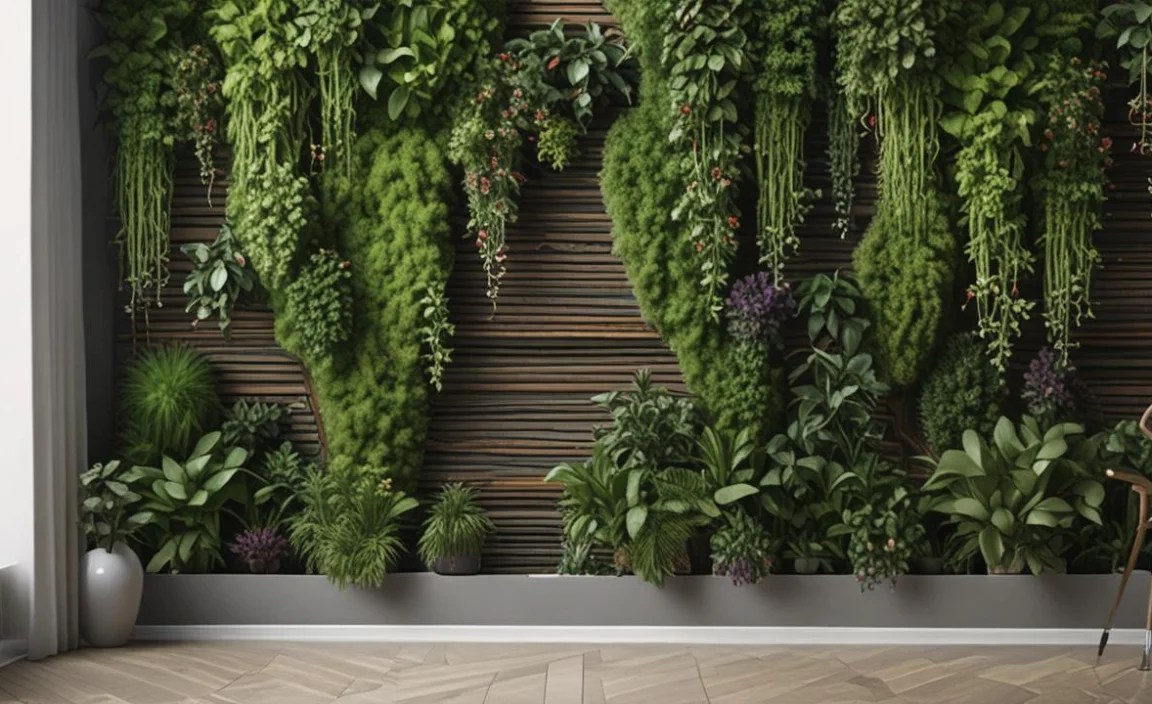
Before you start, plan your vertical garden setup. Think about where you will put it. How much sunlight does that spot get? Choose plants that like that amount of light. Also, think about watering. How will you water your plants? Will you use a hose? Or a drip system? Consider the size of your space. How big do you want your garden to be? Draw a plan on paper. This will help you figure out what you need. It will also help you avoid mistakes. Planning is important for a successful vertical garden.
- Choose the right location.
- Pick plants that like the sunlight.
- Plan your watering system.
- Decide on the size of your garden.
- Draw a plan on paper.
Think about the look you want. Do you want a wall of green? Or a mix of colors? Do you want a modern look? Or a more rustic one? Gather inspiration from magazines and websites. Look at different vertical garden setups. See what you like. Then, adapt those ideas to your own space. Also, think about maintenance. How much time do you want to spend caring for your garden? Choose plants that are easy to care for. A well-planned garden is a happy garden. It will bring you joy for years to come.
Fun Fact or Stat: Studies show that having plants around can improve your mood and reduce stress!
Choosing the Right Location
Where will your vertical garden go? This is a very important question. Some plants need lots of sunlight. Others prefer shade. Look at your space throughout the day. Where does the sun shine? How long does it shine there? Choose a spot that matches your plants’ needs. Also, think about access to water. It will be easier if you can reach your garden with a hose. If not, you might need a long watering can. Or a drip irrigation system. The right location will help your plants thrive.
Selecting Your Plants
Picking the right plants is key. Think about your climate. What plants grow well in your area? Also, think about your taste. What plants do you like to eat? What colors do you like to see? Choose plants that you will enjoy. Don’t forget to consider their size. Some plants get very big. Make sure they will fit in your vertical garden setup. Also, think about their watering needs. Choose plants that like the same amount of water. This will make it easier to care for them.
Designing Your Garden Layout
How will you arrange your plants? Think about the colors and textures. Put taller plants in the back. Put shorter plants in the front. This will make sure everyone gets sunlight. Also, think about the weight of the plants. Heavier plants should go lower down. Lighter plants can go higher up. This will keep your vertical garden stable. You can also create patterns. Try alternating colors or textures. A well-designed layout will make your garden look amazing.
Fun Fact or Stat: Vertical gardens can help to insulate buildings, keeping them cooler in summer and warmer in winter!
Materials Needed for Vertical Garden Setup
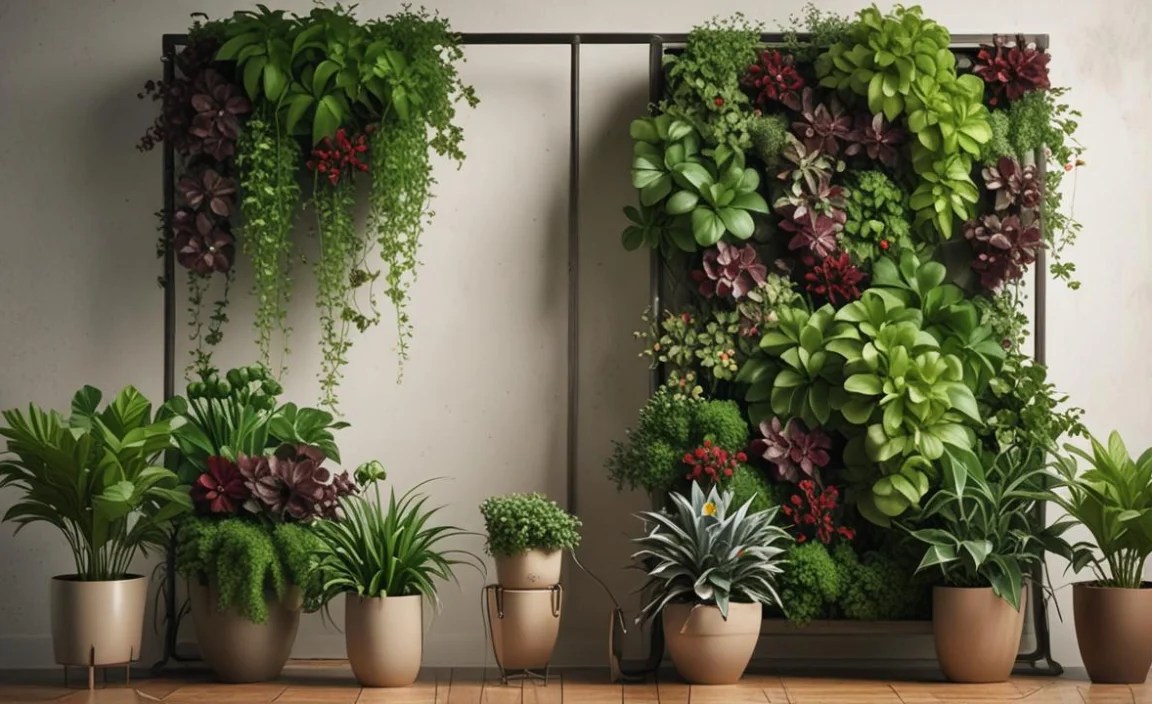
To start your vertical garden setup, you need some materials. First, you need a frame. This can be made of wood, metal, or plastic. You can also buy a ready-made frame. Next, you need containers. These can be pots, pockets, or even plastic bottles. Make sure they have drainage holes. Then, you need soil. Use a good quality potting mix. This will give your plants the nutrients they need. You also need a watering system. A hose or watering can will work. Or you can use a drip irrigation system. Finally, you need plants! Choose the ones you planned earlier.
| Material | Description | Use | Cost |
|---|---|---|---|
| Frame | Wood, metal, or plastic structure | Holds the containers | $20-$100 |
| Containers | Pots, pockets, or bottles | Holds the plants and soil | $10-$50 |
| Potting Mix | Good quality soil | Provides nutrients for plants | $5-$20 |
| Watering System | Hose, can, or drip system | Delivers water to the plants | $10-$40 |
Don’t forget some basic tools. You will need a trowel for planting. You might need scissors for trimming. Gloves will protect your hands. A level will help you hang your frame straight. A measuring tape will help you plan your space. With these materials, you are ready to build your vertical garden. Just follow your plan. And have fun! Remember to ask for help if you need it. There are many resources online. And your local garden center can give you advice.
Fun Fact or Stat: Some vertical gardens use recycled water to conserve resources!
Choosing the Right Frame
The frame is the backbone of your vertical garden. It holds everything together. Choose a frame that is strong and sturdy. Wood is a good option. It looks natural and is easy to work with. Metal is also strong. It can be more modern looking. Plastic is lightweight and weather-resistant. Think about the size of your garden. Choose a frame that is big enough. But not too big for your space. Also, think about how you will attach the frame to the wall. Make sure it is secure.
Selecting Containers
Your plants need a place to grow. That’s where containers come in. Pots are a classic choice. They come in many sizes and styles. Pockets are good for small plants. They are easy to hang on a frame. Plastic bottles are a cheap and eco-friendly option. Just cut them in half and poke some drainage holes. Make sure your containers are the right size for your plants. Also, make sure they have drainage holes. This will prevent your plants from getting too wet.
Choosing the Right Soil
Soil is like food for your plants. It gives them the nutrients they need. Use a good quality potting mix. This is a blend of different materials. It drains well and holds moisture. Don’t use soil from your garden. It can be too heavy. It might also have bugs or diseases. You can also add compost to your potting mix. This will give your plants extra nutrients. A healthy soil will lead to healthy plants in your vertical garden setup.
Fun Fact or Stat: Vertical gardens can attract beneficial insects like bees and butterflies!
Setting Up Your Vertical Garden
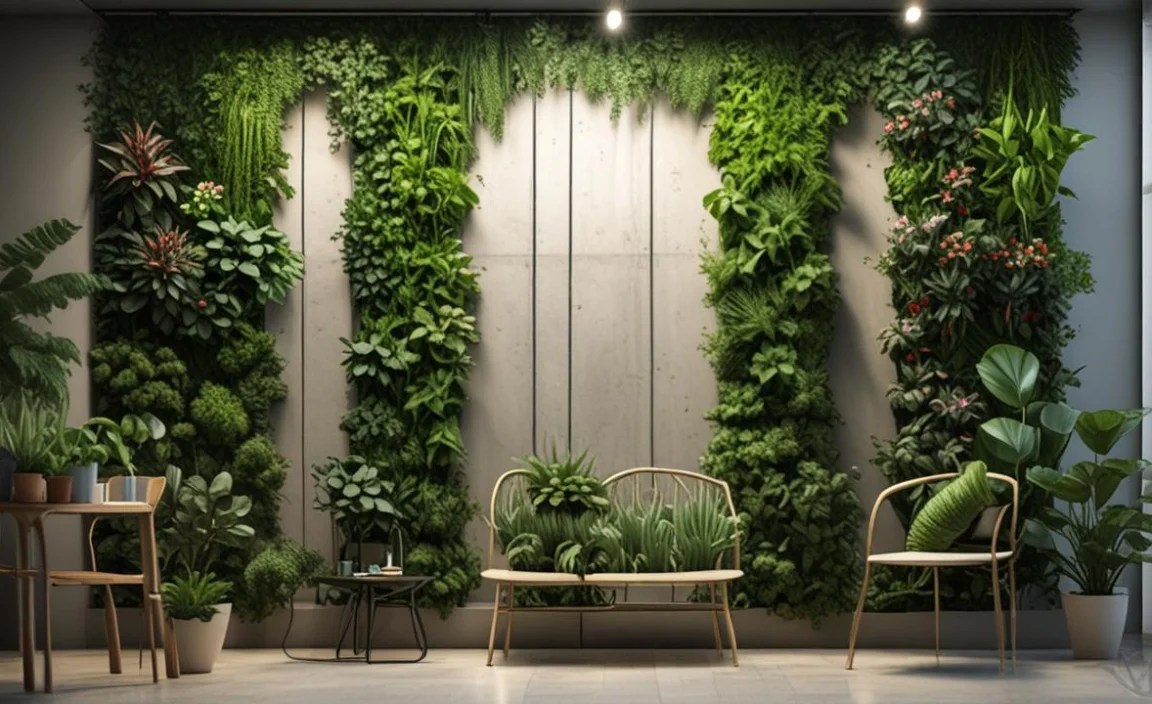
Now it’s time to build your vertical garden setup! First, attach the frame to the wall or fence. Make sure it is level and secure. Next, attach the containers to the frame. Space them out evenly. Fill each container with potting mix. Now, you are ready to plant! Gently remove your plants from their pots. Place them in the containers. Add more potting mix around the roots. Water the plants well. That’s it! You have created your own vertical garden.
- Attach the frame securely.
- Space the containers evenly.
- Fill containers with potting mix.
- Plant your chosen plants.
- Water the plants thoroughly.
Step back and admire your work. You have transformed a blank wall into a green oasis. Now, it’s time to care for your garden. Water the plants regularly. Fertilize them every few weeks. Trim any dead leaves or flowers. Watch for pests and diseases. Address them quickly. With a little care, your vertical garden will thrive. It will bring you beauty and fresh food for years to come. Don’t be afraid to experiment. Try different plants. See what works best in your space.
Fun Fact or Stat: Some vertical gardens are equipped with sensors that automatically water the plants!
Attaching the Frame
The frame needs to be strong. It will hold the weight of the plants and soil. Use screws or bolts to attach it to the wall. Make sure they are long enough to go into the studs. If you are attaching it to a fence, use wire or zip ties. Make sure the frame is level. Use a level to check. A crooked frame will look bad. It can also cause problems with watering. A secure and level frame is essential for a successful vertical garden setup.
Planting Your Plants
Planting is the fun part! Gently remove your plants from their pots. Loosen the roots a little bit. This will help them grow into the new soil. Place the plants in the containers. Add more potting mix around the roots. Press down gently. Water the plants well. Be careful not to overwater. The soil should be moist, but not soggy. Give your plants some time to adjust to their new home. They might look a little droopy at first. But they will perk up soon.
Initial Watering and Care
Watering is crucial after planting. It helps the roots settle in. Water slowly and deeply. Make sure the water reaches all the soil. Check the soil moisture every day. Water when the top inch feels dry. Don’t let the soil dry out completely. But also, don’t overwater. This can cause root rot. Give your plants plenty of sunlight. But protect them from harsh afternoon sun. With proper watering and care, your plants will thrive in their vertical garden.
Fun Fact or Stat: Vertical gardens can provide habitats for small animals like birds and insects!
Maintaining Your Vertical Garden Setup
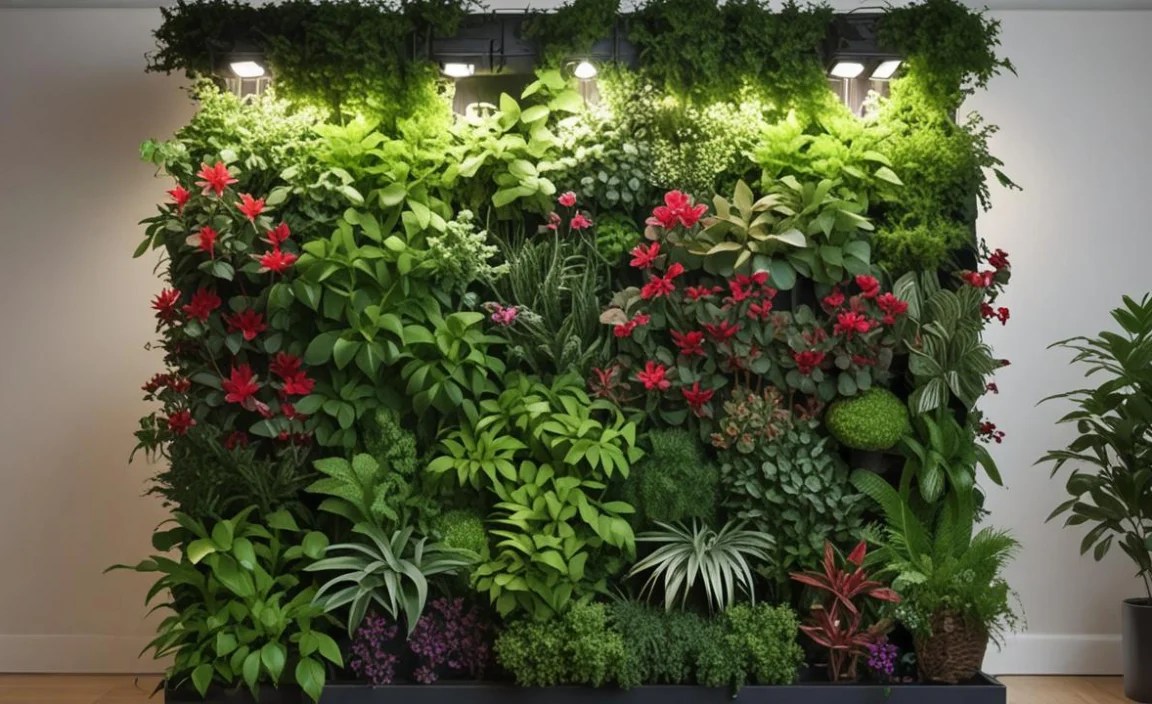
Once your vertical garden setup is complete, keep it healthy. Water your plants regularly. How often depends on the plants and the weather. Check the soil moisture. If it feels dry, water them. Fertilize your plants every few weeks. Use a balanced fertilizer. This will give them the nutrients they need. Trim any dead leaves or flowers. This will keep your garden looking tidy. Watch for pests and diseases. Treat them quickly to prevent problems.
- Water plants regularly.
- Fertilize every few weeks.
- Trim dead leaves and flowers.
- Watch for pests and diseases.
- Provide adequate sunlight.
Consider a drip irrigation system. This can make watering easier. It delivers water directly to the roots. This saves water and prevents overwatering. Also, think about pruning. Prune your plants to keep them in shape. This will also encourage new growth. Regularly check the soil. Add more potting mix if needed. This will keep the soil healthy and fertile. A well-maintained vertical garden will reward you with beauty and fresh food.
Fun Fact or Stat: Vertical gardens can help reduce noise pollution by absorbing sound waves!
Watering Techniques
Watering is key to a healthy vertical garden. But how should you water? A watering can is a simple option. Just make sure to reach all the plants. A hose is good for larger gardens. But be careful not to spray too hard. A drip irrigation system is the most efficient. It delivers water slowly and directly to the roots. No matter which method you choose, check the soil moisture regularly. Water when the top inch feels dry.
Fertilizing Your Plants
Plants need food to grow. That’s where fertilizer comes in. Use a balanced fertilizer. This means it has equal amounts of nitrogen, phosphorus, and potassium. Follow the instructions on the package. Don’t over-fertilize. This can burn the roots. You can also use organic fertilizers. Compost tea is a good option. It adds nutrients to the soil and improves drainage. Fertilize your plants every few weeks during the growing season. This will keep them healthy and productive in your vertical garden setup.
Pest and Disease Control
Pests and diseases can harm your plants. Watch for signs of trouble. Yellow leaves, spots, or holes are all warning signs. Treat problems quickly. Use organic pest control methods. Insecticidal soap can kill many common pests. Neem oil is another good option. It’s safe for plants and pets. You can also remove pests by hand. Pick them off the plants and drop them in soapy water. Prevent diseases by providing good air circulation. And don’t overwater your plants. A healthy vertical garden is less likely to have problems.
Fun Fact or Stat: Some vertical gardens use rainwater harvesting systems to collect and reuse water!
Troubleshooting Common Vertical Garden Problems
Even with the best care, problems can arise. One common problem is yellowing leaves. This can be caused by overwatering or underwatering. Check the soil moisture. Adjust your watering schedule. Another problem is pests. Aphids, spider mites, and whiteflies are common pests. Treat them with insecticidal soap or neem oil. Sometimes, plants just don’t thrive. This can be caused by poor soil or not enough sunlight. Try repotting the plant with fresh soil. Or move it to a sunnier location. Don’t give up! With a little troubleshooting, you can solve most problems in your vertical garden setup.
- Yellowing leaves: adjust watering.
- Pests: use insecticidal soap.
- Poor growth: repot with fresh soil.
- Drooping plants: check for root rot.
- Leggy growth: provide more light.
Sometimes, plants get too big. This can crowd the other plants. Prune them to keep them in shape. You can also move them to larger containers. Another problem is root rot. This is caused by overwatering. The roots start to rot and the plant dies. Prevent root rot by providing good drainage. And don’t overwater your plants. If you see signs of root rot, repot the plant with fresh soil. Remove any rotted roots. With careful observation and quick action, you can keep your vertical garden healthy and thriving.
Fun Fact or Stat: Vertical gardens can provide a calming and therapeutic environment for people!
Identifying Common Pests
Knowing your enemy is half the battle. Learn to identify common pests. Aphids are small, soft-bodied insects. They suck the sap from plants. Spider mites are tiny, spider-like creatures. They spin webs on plants. Whiteflies are small, white, flying insects. They also suck sap from plants. Catching these pests early is key to protecting your vertical garden.
Dealing with Overwatering
Overwatering is a common mistake. It can lead to root rot and other problems. How do you know if you are overwatering? The leaves might turn yellow. They might also feel soft and mushy. The soil might be constantly wet. If you think you are overwatering, stop watering for a few days. Let the soil dry out a bit. Then, water less often. Make sure your containers have good drainage. This will help prevent overwatering in your vertical garden setup.
Addressing Nutrient Deficiencies
Plants need nutrients to grow. If they don’t get enough, they will show signs of deficiency. Yellow leaves can also be a sign of nutrient deficiency. So can stunted growth. To address nutrient deficiencies, fertilize your plants. Use a balanced fertilizer. Or use an organic fertilizer like compost tea. Follow the instructions on the package. Don’t over-fertilize. This can burn the roots. A healthy soil will provide your plants with the nutrients they need in your vertical garden.
Fun Fact or Stat: Vertical gardens can be used to grow food in urban areas, reducing the need for transportation!
Seasonal Care for Your Vertical Garden
Your vertical garden setup needs different care in different seasons. In the spring, start fertilizing your plants. This will help them grow. In the summer, water them more often. The hot weather can dry them out. In the fall, trim back any dead leaves or flowers. This will prepare them for winter. In the winter, protect them from frost. You can cover them with a blanket or move them indoors. Seasonal care will keep your garden healthy all year round.
- Spring: start fertilizing.
- Summer: water more often.
- Fall: trim back dead leaves.
- Winter: protect from frost.
- Adjust care based on the weather.
Think about the sunlight. In the winter, the sun is lower in the sky. Your plants might not get as much sunlight. Move them to a sunnier location if possible. Also, think about the temperature. Some plants can’t tolerate cold weather. Bring them indoors before the first frost. Or choose plants that are hardy in your area. Seasonal care is important for a thriving vertical garden. It will help your plants survive and flourish.
Fun Fact or Stat: Vertical gardens can help to reduce the urban heat island effect!
Preparing for Winter
Winter can be tough on plants. Especially in a vertical garden. The cold weather can damage them. The short days mean less sunlight. Prepare your plants for winter. Trim back any dead leaves or flowers. This will prevent disease. Move tender plants indoors. Or protect them with a blanket. Water them less often. They don’t need as much water in the winter. With a little preparation, you can help your plants survive the winter.
Adjusting for Summer Heat
Summer heat can also be tough on plants. The hot sun can scorch the leaves. The dry air can dehydrate them. Adjust your watering schedule. Water more often in the summer. Water in the morning or evening. This will prevent the water from evaporating too quickly. Provide shade during the hottest part of the day. You can use a shade cloth or move the plants to a shadier location. With a little care, you can help your plants thrive in the summer heat in your vertical garden setup.
Spring and Fall Maintenance
Spring and fall are transition seasons. The weather is changing. The plants are growing or preparing to rest. In the spring, start fertilizing your plants. This will help them grow. In the fall, trim back any dead leaves or flowers. This will prepare them for winter. Check the soil moisture regularly. Adjust your watering schedule as needed. With a little attention, you can help your plants thrive in the spring and fall in your vertical garden.
Fun Fact or Stat: Some vertical gardens are used to create living art installations!
Summary
A vertical garden setup is a great way to grow plants. It saves space and looks beautiful. You need a frame, containers, soil, and plants. Choose plants that like the sunlight in your space. Water them regularly and fertilize them every few weeks. Watch for pests and diseases. With a little care, your vertical garden will thrive. It will bring you fresh food and beauty.
Conclusion
Creating a vertical garden setup is fun. It lets you grow plants in small spaces. You can enjoy fresh herbs and vegetables. It’s a great way to add green to your home. Start planning your vertical garden today. You will love the results!
Frequently Asked Questions
Question No 1: What is a vertical garden?
Answer: A vertical garden is a garden that grows upward instead of outward. You can use walls, fences, or special structures. Plants grow in containers or pockets. This is great for small spaces. It is also a beautiful way to add greenery to your home. You can grow flowers, herbs, or vegetables. A vertical garden setup is a creative and space-saving way to garden.
Question No 2: What plants grow well in vertical gardens?
Answer: Many plants thrive in vertical gardens. Lettuce, spinach, and herbs like mint and basil are good choices. Strawberries also do well in containers. Flowers like petunias and impatiens add color. Succulents are easy to care for and need little water. Choose plants that like the amount of sunlight your garden gets. A vertical garden setup can accommodate a wide variety of plants, making it versatile and fun to experiment with.
Question No 3: How do I water a vertical garden?
Answer: You can water a vertical garden with a watering can or a hose. A drip irrigation system is also a good option. Check the soil moisture regularly. Water when the top inch feels dry. Be careful not to overwater. Make sure the containers have drainage holes. The key to watering in a vertical garden setup is to ensure even moisture without waterlogging the plants.
Question No 4: How much sunlight does a vertical garden need?
Answer: The amount of sunlight depends on the plants you choose. Some plants need full sun, which is at least six hours of direct sunlight per day. Other plants prefer partial shade. Research the sunlight needs of your plants before you plant them. Position your vertical garden setup in a location that provides the right amount of sunlight for your chosen plants.
Question No 5: How do I fertilize a vertical garden?
Answer: Fertilize your vertical garden every few weeks. Use a balanced fertilizer. Follow the instructions on the package. You can also use organic fertilizers like compost tea. Fertilizing provides the necessary nutrients for healthy growth. A well-fertilized vertical garden setup will produce more vibrant and abundant plants.
Question No 6: How do I protect my vertical garden from pests?
Answer: Watch for signs of pests, like yellow leaves or holes in the leaves. Treat pests with insecticidal soap or neem oil. You can also remove pests by hand. Pick them off the plants and drop them in soapy water. Regularly inspect your vertical garden setup to catch any pest infestations early and prevent them from spreading.
