Do you love fresh herbs? Imagine picking basil right from your wall! With vertical herb garden design, it’s easy. You can grow herbs up, not out. It’s fun and saves space. Let’s learn how to make your own!
Vertical gardens bring nature to small spaces. They make gardening easy for everyone. Are you ready to start?
Key Takeaways
- Vertical herb garden design lets you grow fresh herbs even in small spaces.
- You can use different containers like pots, pallets, or even old shoes!
- Choosing the right herbs and soil is important for a healthy garden.
- Make sure your vertical garden gets enough sunlight and water.
- Vertical herb gardens add beauty and fresh flavors to your home.

What is Vertical Herb Garden Design?
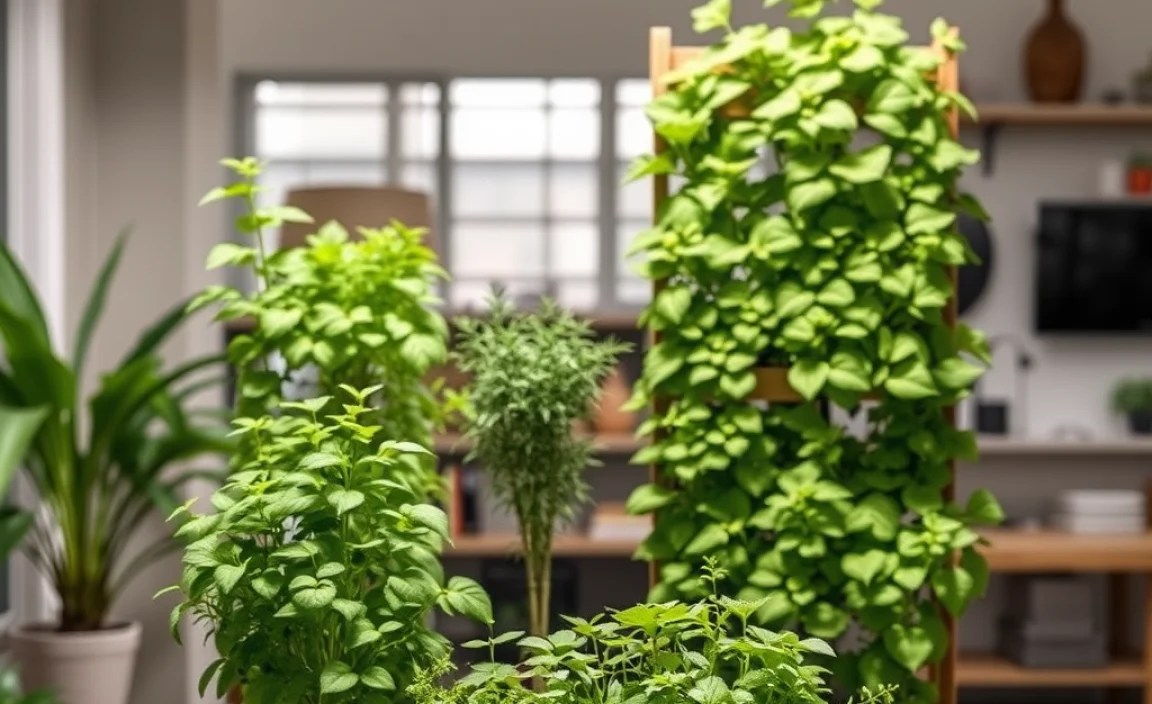
Vertical herb garden design is a cool way to grow herbs. Instead of planting them in the ground, you grow them up. This saves space and looks great. You can use walls, fences, or special containers. Vertical gardens are perfect for small homes or apartments. They bring nature to your doorstep. You can grow many different herbs this way. Basil, mint, and thyme are some popular choices. You can even grow vegetables like lettuce and spinach. Imagine having fresh herbs right outside your kitchen! Vertical gardens make it easy to cook with fresh ingredients. Plus, they add a splash of green to your home.
- It saves space in small areas.
- It looks beautiful and unique.
- You can grow many types of herbs.
- It’s easy to water and care for.
- It brings nature close to you.
Have you ever seen a wall covered in plants? That’s a vertical garden! People use all sorts of things to make them. Old pallets, plastic bottles, and even shoe organizers can become homes for herbs. The key is to make sure the plants have enough soil and water. You also need to think about sunlight. Most herbs need at least six hours of sun each day. Vertical gardens are not just for outside. You can create indoor ones too. Just make sure you have enough light. You can use special grow lights if needed. Vertical herb garden design is a fun and creative way to garden. It’s also a great way to learn about plants.
Fun Fact or Stat: The world’s largest vertical farm is in Newark, New Jersey, and it grows over 2 million pounds of produce each year!
Why Choose a Vertical Garden?
Why should you choose a vertical garden? Well, think about it. Do you have a tiny backyard or just a balcony? Vertical gardens are perfect for small spaces. They let you grow lots of plants without taking up much room. Plus, they look amazing! A wall of herbs can be a real showstopper. Vertical gardens are also easier to care for. You don’t have to bend down to weed or water. This is great for people with back problems. And, you can control the soil better. This means fewer weeds and healthier plants. Vertical gardens are also a great way to recycle old items. You can use old pallets, bottles, or even gutters to create your garden. It’s good for the environment and saves you money!
Benefits of Growing Herbs Vertically
Growing herbs vertically has many benefits. One big benefit is saving space. You can grow more herbs in a smaller area. Also, vertical gardens look very nice. They add a touch of green to any space. Another benefit is easier care. It’s easier to water and harvest herbs when they are at eye level. Pests are also less of a problem. Snails and slugs have a harder time climbing up. Vertical gardens can also improve air quality. Plants help clean the air around you. Plus, you always have fresh herbs for cooking! Imagine adding fresh basil to your pasta. Or, making a cup of mint tea. Vertical herb garden design makes it all possible.
Creative Ideas for Vertical Herb Gardens
Want some creative ideas for vertical herb gardens? How about using old wooden pallets? You can turn them into a rustic herb garden. Or, try using plastic bottles. Cut them in half and hang them on a wall. Old rain gutters also work well. You can attach them to a fence or wall. Shoe organizers are another fun idea. Just hang them up and fill them with soil and herbs. You can even use old tin cans. Paint them bright colors and hang them from a string. Get creative and use what you have. The possibilities are endless! Vertical herb garden design is all about having fun and being creative.

Choosing the Right Herbs
Choosing the right herbs is very important. Not all herbs grow well in vertical gardens. You need to pick herbs that like small spaces. Basil, mint, and thyme are good choices. These herbs don’t need a lot of room. They also grow well in containers. Other good options include parsley, oregano, and chives. Make sure you choose herbs that you like to eat. There’s no point in growing herbs you won’t use. Also, think about the sunlight. Some herbs need more sun than others. Basil, for example, needs at least six hours of sun each day. Mint, on the other hand, can handle some shade. Choose herbs that will thrive in your space. This will make your vertical herb garden a success.
- Basil likes warm weather and lots of sun.
- Mint spreads quickly, so give it space.
- Thyme is drought-tolerant and easy to grow.
- Parsley needs moist soil and partial shade.
- Oregano is hardy and can handle dry conditions.
Did you know that some herbs can help each other grow? This is called companion planting. For example, basil helps repel pests from tomatoes. Mint can help keep cabbage moths away from cabbage. Planting the right herbs together can make your garden healthier. It can also reduce the need for pesticides. When choosing herbs, think about their needs. Do they need a lot of sun or shade? Do they like moist or dry soil? Group herbs with similar needs together. This will make it easier to care for your vertical herb garden. Vertical herb garden design is all about creating a happy and healthy environment for your plants.
Fun Fact or Stat: Basil is not only delicious but also a natural insect repellent!
Consider Your Climate
Consider your climate when choosing herbs. If you live in a hot climate, choose herbs that can handle the heat. Rosemary and lavender are good choices. If you live in a cold climate, choose herbs that can tolerate frost. Parsley and chives can survive cold weather. Also, think about the growing season. Some herbs are annuals, which means they only live for one year. Basil is an example of an annual herb. Other herbs are perennials, which means they come back year after year. Mint and thyme are perennial herbs. Knowing your climate and the growing habits of your herbs will help you choose the right ones for your vertical garden.
Think About Your Cooking Needs
Think about your cooking needs when choosing herbs. What herbs do you use most often? If you love Italian food, grow basil, oregano, and parsley. If you like Mexican food, grow cilantro and chili peppers. If you enjoy making tea, grow mint and lemon balm. Choosing herbs that you use regularly will ensure that your vertical garden is useful. It will also inspire you to cook more often. Imagine having fresh herbs right at your fingertips! Vertical herb garden design can make cooking more fun and flavorful. So, think about your favorite recipes and choose herbs that complement them.
Research Each Herb’s Growing Requirements
Research each herb’s growing requirements before planting. Some herbs need full sun, while others prefer shade. Some herbs need well-drained soil, while others like moist soil. Knowing these requirements will help you create the perfect environment for your herbs. You can find information about each herb online or at your local garden center. Also, pay attention to the size of the plant. Some herbs can grow very large, while others stay small. Choose herbs that will fit well in your vertical garden. Proper research is key to a successful vertical herb garden design.

Building Your Vertical Herb Garden
Building your vertical herb garden is exciting! First, choose a location. It should get plenty of sunlight. Next, decide what type of vertical garden you want. You can use a pallet, a wall planter, or even hanging baskets. Gather your materials. You’ll need soil, pots, and your chosen herbs. Start by preparing the soil. Mix it with compost to add nutrients. Then, fill your pots or planters with soil. Carefully plant your herbs. Water them well. Make sure the water drains properly. Finally, place your vertical garden in its chosen location. Watch your herbs grow! With a little care, you’ll have fresh herbs in no time.
- Choose a sunny spot for your garden.
- Select the type of vertical garden.
- Gather soil, pots, and herbs.
- Plant herbs carefully and water them.
- Watch your garden grow and enjoy.
Let’s talk about some easy ways to build a vertical herb garden. One idea is to use a wooden pallet. You can find pallets for free at many stores. Just make sure they are clean and untreated. Line the back of the pallet with fabric. This will keep the soil from falling out. Then, fill the pallet with soil and plant your herbs. Another idea is to use hanging baskets. You can hang them from a fence or a balcony. Use well-draining soil and water regularly. You can also buy special vertical garden planters. These planters are designed to hold multiple plants. They are easy to set up and look great. Vertical herb garden design is all about finding what works best for you and your space.
Fun Fact or Stat: Recycling old pallets into gardens is a great way to reduce waste and help the environment!
Using Pallets for a Rustic Look
Using pallets for a rustic look is a great idea. Pallets are cheap and easy to find. They add a touch of charm to any garden. To use a pallet, first make sure it is safe. Look for splinters or broken pieces. Sand it down if needed. Then, line the back with landscape fabric. This will prevent soil from falling out. You can staple the fabric to the pallet. Next, fill the pallet with potting soil. Choose a good quality soil that drains well. Finally, plant your herbs. Water them regularly and watch them grow. A pallet vertical garden is a simple and stylish way to grow herbs.
Creating a Wall Planter System
Creating a wall planter system is another great option. You can buy wall planters at most garden centers. They come in different sizes and styles. Choose one that fits your space and your taste. Install the wall planter according to the instructions. Make sure it is securely attached to the wall. Then, fill the planters with soil. Plant your herbs and water them well. Wall planters are a great way to add greenery to a blank wall. They are also easy to maintain. With a little care, your wall planter will be a beautiful addition to your home. Vertical herb garden design can transform any space.
Hanging Baskets for Easy Access
Hanging baskets are perfect for easy access to your herbs. You can hang them from a porch, balcony, or even indoors. Choose baskets that are the right size for your herbs. Make sure they have good drainage. Fill the baskets with potting soil. Plant your herbs and water them regularly. Hanging baskets are a great way to add color and fragrance to your home. They are also easy to move around. You can bring them indoors during cold weather. Hanging baskets make vertical herb garden design simple and convenient.

Caring for Your Vertical Herb Garden
Caring for your vertical herb garden is key to success. Water your herbs regularly. Check the soil moisture daily. Water when the soil feels dry to the touch. Fertilize your herbs every few weeks. Use a balanced fertilizer. Prune your herbs to encourage growth. Remove any dead or yellow leaves. Watch out for pests. Check your plants regularly for insects. If you see any pests, treat them with insecticidal soap. Provide adequate sunlight. Most herbs need at least six hours of sun per day. With proper care, your vertical herb garden will thrive. You’ll enjoy fresh herbs all season long.
| Care Task | Frequency | Why |
|---|---|---|
| Watering | Daily or as needed | Keeps soil moist and plants healthy |
| Fertilizing | Every 2-4 weeks | Provides nutrients for growth |
| Pruning | Regularly | Encourages new growth and prevents legginess |
| Pest Control | As needed | Protects plants from damage |
- Water regularly, especially in hot weather.
- Fertilize every few weeks for healthy growth.
- Prune regularly to encourage new growth.
- Watch out for pests and treat them early.
- Provide adequate sunlight for best results.
Let’s talk about watering your vertical herb garden. Vertical gardens tend to dry out faster than traditional gardens. This is because they are exposed to more air. Check the soil moisture every day. If the soil feels dry, water your herbs. Water deeply, until the water drains out of the bottom of the pot. Avoid overwatering, as this can lead to root rot. Fertilizing is also important. Herbs need nutrients to grow. Use a balanced fertilizer every few weeks. Follow the instructions on the fertilizer package. Pruning is another important task. Prune your herbs regularly to encourage new growth. Pinch off the tips of the stems to promote branching. Remove any dead or yellow leaves. Vertical herb garden design requires regular care and attention.
Fun Fact or Stat: Herbs grown in vertical gardens often have a stronger flavor due to better air circulation and sunlight exposure!
Proper Watering Techniques
Proper watering techniques are essential for a healthy vertical herb garden. Water deeply but infrequently. This encourages the roots to grow deeper. Avoid watering the leaves, as this can lead to fungal diseases. Water early in the morning. This gives the leaves time to dry before nightfall. Use a watering can or a hose with a gentle spray nozzle. Avoid using a strong stream of water, as this can damage the plants. Check the drainage of your pots. Make sure the water drains properly. If the water sits in the pot, it can lead to root rot. Proper watering is key to a thriving vertical herb garden.
Fertilizing for Healthy Growth
Fertilizing is important for healthy growth. Herbs need nutrients to thrive. Use a balanced fertilizer every few weeks. A balanced fertilizer contains equal amounts of nitrogen, phosphorus, and potassium. These nutrients are essential for plant growth. Follow the instructions on the fertilizer package. Avoid over-fertilizing, as this can burn the plants. You can also use organic fertilizers, such as compost tea or fish emulsion. These fertilizers are gentle and provide a slow release of nutrients. Fertilizing will help your herbs grow strong and healthy. It’s a key part of vertical herb garden design.
Dealing with Pests and Diseases
Dealing with pests and diseases is part of gardening. Check your plants regularly for signs of pests or diseases. Look for insects, spots, or discoloration on the leaves. If you see any pests, treat them with insecticidal soap. Insecticidal soap is a safe and effective way to control many common garden pests. You can also use neem oil. Neem oil is a natural insecticide that is safe for plants and humans. If you see signs of disease, remove the affected leaves. Make sure your plants have good air circulation. This will help prevent fungal diseases. Vertical herb garden design requires vigilance and prompt action to keep your plants healthy.
Choosing the Right Soil and Location
Choosing the right soil and location is super important. Herbs need well-draining soil. This means the water should flow through easily. You can buy potting mix at a garden center. Or, you can make your own. Mix equal parts of soil, compost, and perlite. This will create a light and airy soil that drains well. The location should get plenty of sunlight. Most herbs need at least six hours of sun each day. If you don’t have a sunny spot, you can use grow lights. Place the lights close to the plants. This will help them grow strong and healthy. The right soil and location are key to a successful vertical herb garden.
- Use well-draining potting mix for herbs.
- Choose a location with plenty of sunlight.
- Consider using grow lights if needed.
- Make sure the location is protected from wind.
- Check the soil pH and adjust if needed.
Let’s talk more about soil. Did you know that different herbs prefer different types of soil? Basil likes rich, well-drained soil. Mint prefers moist soil. Thyme can tolerate dry soil. Knowing the soil preferences of your herbs will help you choose the right soil mix. You can also amend the soil to make it more suitable for your herbs. For example, you can add compost to improve drainage. You can add peat moss to help retain moisture. The right soil will provide your herbs with the nutrients they need to grow. It will also help prevent diseases. Vertical herb garden design is all about creating the perfect environment for your plants.
Fun Fact or Stat: The pH level of soil can affect how well plants absorb nutrients. Most herbs prefer a slightly acidic to neutral pH.
Understanding Soil Types
Understanding soil types is important for successful gardening. There are three main types of soil: sandy, silty, and clay. Sandy soil is light and drains quickly. Silty soil is smooth and holds moisture well. Clay soil is heavy and drains poorly. Most potting mixes are a blend of these soil types. This provides a balance of drainage and moisture retention. When choosing soil for your vertical herb garden, look for a mix that is specifically designed for containers. These mixes are usually lighter and drain better than garden soil. Understanding soil types will help you choose the right soil for your herbs.
The Importance of Sunlight
The importance of sunlight cannot be overstated. Sunlight provides the energy that plants need to grow. Most herbs need at least six hours of sunlight per day. If you don’t have a sunny location, you can use grow lights. Grow lights provide the same type of light as the sun. Place the lights close to the plants. This will help them grow strong and healthy. Also, consider the direction of the sun. South-facing locations receive the most sunlight. East-facing locations receive morning sun. West-facing locations receive afternoon sun. Choose a location that provides the right amount of sunlight for your herbs. Vertical herb garden design requires careful consideration of sunlight.
Protecting from Wind and Weather
Protecting your vertical herb garden from wind and weather is important. Strong winds can damage plants. They can also dry out the soil quickly. If you live in a windy area, choose a sheltered location for your garden. You can also use a windbreak, such as a fence or a hedge. Extreme weather can also damage plants. Protect your plants from frost by covering them with a blanket or bringing them indoors. Protect them from heat by providing shade or moving them to a cooler location. Protecting your garden from wind and weather will help your herbs thrive.
Harvesting and Using Your Herbs
Harvesting and using your herbs is the best part! Once your herbs are growing well, you can start harvesting them. Use scissors or pruning shears to cut the stems. Harvest in the morning, after the dew has dried. This is when the herbs have the most flavor. You can use your herbs fresh or dry them for later use. To dry herbs, hang them upside down in a cool, dry place. Or, you can use a dehydrator. Use your fresh or dried herbs in your cooking. Add them to soups, salads, and sauces. You can also use them to make tea. Enjoy the fresh flavors of your vertical herb garden!
- Harvest herbs in the morning for best flavor.
- Use scissors or pruning shears to cut stems.
- Use herbs fresh or dry them for later.
- Add herbs to your favorite recipes.
- Enjoy the fresh flavors of your garden.
Let’s talk about harvesting techniques. When harvesting basil, pinch off the top leaves. This will encourage the plant to grow bushier. When harvesting mint, cut the stems back to the ground. This will encourage new growth. When harvesting thyme, cut the stems back by about half. This will keep the plant from getting woody. Regular harvesting will keep your herbs healthy and productive. It will also provide you with a constant supply of fresh herbs. Vertical herb garden design is all about enjoying the fruits (or herbs!) of your labor. So, get out there and start harvesting!
Fun Fact or Stat: Fresh herbs are often more flavorful than dried herbs, so use more when substituting in recipes!
Best Time to Harvest
The best time to harvest herbs is in the morning. This is when the herbs have the most flavor. The essential oils are at their peak in the morning. Harvest after the dew has dried, but before the sun gets too hot. Avoid harvesting during the heat of the day, as this can cause the herbs to wilt. Harvesting at the right time will ensure that you get the most flavor from your herbs. Vertical herb garden design is all about maximizing flavor and freshness.
Drying and Storing Herbs
Drying and storing herbs is a great way to preserve them. You can dry herbs by hanging them upside down in a cool, dry place. Tie the stems together with string. Hang them in a well-ventilated area. It will take several weeks for the herbs to dry completely. You can also use a dehydrator to dry herbs. A dehydrator will dry the herbs much faster. Once the herbs are dry, store them in airtight containers. Keep them in a cool, dark place. Dried herbs will last for several months. Drying and storing herbs allows you to enjoy the flavors of your garden all year long.
Using Herbs in Cooking and More
Using herbs in cooking is a great way to add flavor to your meals. Add fresh herbs to soups, salads, and sauces. Use them to season meats and vegetables. You can also use herbs to make tea. Mint tea is a refreshing and soothing beverage. Herbs can also be used for other purposes. Lavender can be used to make sachets for your drawers. Rosemary can be used to make a hair rinse. Herbs are versatile and can be used in many different ways. Vertical herb garden design provides you with a constant supply of fresh herbs for all your needs.
Summary
Vertical herb garden design is a wonderful way to grow fresh herbs in small spaces. You can use different containers like pallets, wall planters, or hanging baskets. Choosing the right herbs, soil, and location is very important for success. Remember to water and fertilize your herbs regularly. Prune them to encourage new growth. Harvest your herbs in the morning for the best flavor. Use them fresh or dry them for later use. With a little care, your vertical herb garden will thrive. You’ll enjoy fresh herbs all season long!
Vertical gardens are not only practical but also beautiful. They add a touch of green to any space. They are also a great way to recycle old items. You can use old pallets, bottles, or even gutters to create your garden. Vertical herb garden design is a fun and creative way to garden. It’s also a great way to learn about plants. So, get started today and create your own vertical herb garden!
Conclusion
Starting a vertical herb garden is fun. You can grow fresh herbs in small spaces. Caring for your garden is easy. Water and prune your plants often. Enjoy the taste of fresh herbs in your meals. Vertical herb garden design brings nature to your home. Start your garden today!
Frequently Asked Questions
Question No 1: What is a vertical herb garden?
Answer: A vertical herb garden is a way to grow herbs upwards instead of in the ground. It uses structures like walls, pallets, or hanging containers. This is great for small spaces like apartments or balconies. It allows you to have fresh herbs even without a big yard. Vertical gardens can be both practical and decorative, adding greenery to your living space. You can grow a variety of herbs like basil, mint, and thyme in a vertical garden, making fresh ingredients easily accessible for cooking.
Question No 2: What are the benefits of a vertical herb garden?
Answer: Vertical herb gardens offer many benefits. They save space, making them ideal for small homes. They also look beautiful, adding a touch of nature to your surroundings. Vertical gardens are easier to maintain since you don’t have to bend down to weed or water. They also help to improve air quality by adding more plants to your environment. Plus, you always have fresh herbs available for cooking, which can enhance the flavor of your meals. Vertical herb garden design can also be a fun and rewarding hobby.
Question No 3: What kind of herbs can I grow in a vertical garden?
Answer: You can grow many different types of herbs in a vertical garden. Some popular choices include basil, mint, thyme, parsley, oregano, and chives. These herbs are relatively easy to grow in containers. They don’t require a lot of space. When selecting herbs, consider your climate and the amount of sunlight your vertical garden will receive. Also, think about which herbs you use most often in your cooking. This will ensure that your vertical garden is both practical and enjoyable. Experimenting with different herbs is part of the fun!
Question No 4: How do I choose the right location for my vertical herb garden?
Answer: Choosing the right location is very important for your vertical herb garden. Most herbs need at least six hours of sunlight each day. So, select a spot that gets plenty of sun. Also, consider the wind. If your area is windy, choose a location that is sheltered from the wind. This will help prevent your plants from drying out. Make sure the location is easily accessible. This will make it easier to water and care for your herbs. A good location will help your vertical herb garden thrive. You can even use grow lights if you don’t have enough natural sunlight.
Question No 5: How often should I water my vertical herb garden?
Answer: How often you need to water your vertical herb garden depends on several factors. These include the type of herbs you’re growing, the weather, and the type of containers you’re using. Generally, you should check the soil moisture daily. If the soil feels dry to the touch, it’s time to water. Water deeply, until the water drains out of the bottom of the pot. Avoid overwatering, as this can lead to root rot. In hot weather, you may need to water more frequently. Vertical gardens tend to dry out faster than traditional gardens, so keep a close eye on the soil moisture. Vertical herb garden design needs special watering attention.
Question No 6: What kind of soil should I use for my vertical herb garden?
Answer: The best soil for your vertical herb garden is a well-draining potting mix. This type of soil is specifically designed for containers. It provides good drainage and aeration, which is important for healthy root growth. Avoid using garden soil, as it can be too heavy and may not drain well. You can also amend your potting mix with compost. This will add nutrients and improve drainage. Make sure the soil is slightly acidic to neutral. The right soil will help your herbs thrive in your vertical garden. Soil is a crucial part of vertical herb garden design.
