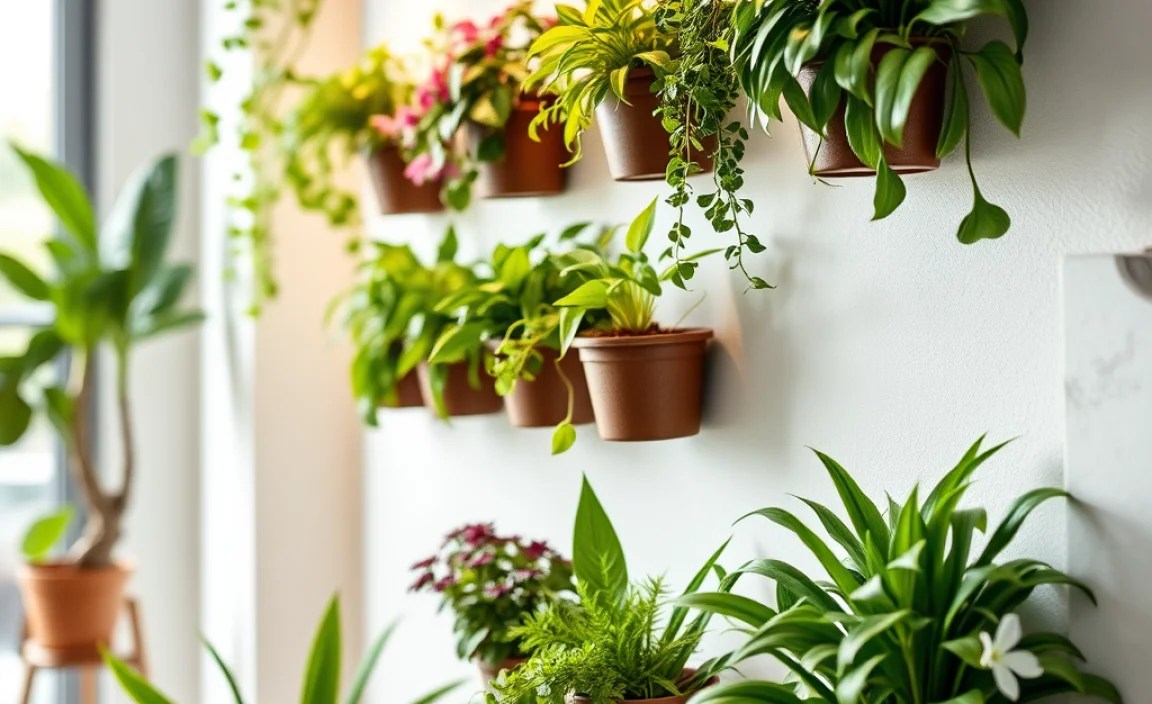
Have you ever seen a wall covered in plants? It looks like a green waterfall. These gardens can grow herbs, flowers, and even vegetables. Do you want to learn about amazing wall garden planter ideas? Let’s explore how to make your own green wall. It’s easier than you think, and it will make your home beautiful.
Key Takeaways
- Wall garden planter ideas can transform any boring wall into a vibrant green space.
- Use recycled materials like pallets and plastic bottles for eco-friendly planters.
- Vertical gardens are perfect for small spaces, like apartments and balconies.
- Choose plants that match the amount of sunlight your wall receives each day.
- Regular watering and feeding keep your wall garden healthy and beautiful.
Creative Wall Garden Planter Ideas
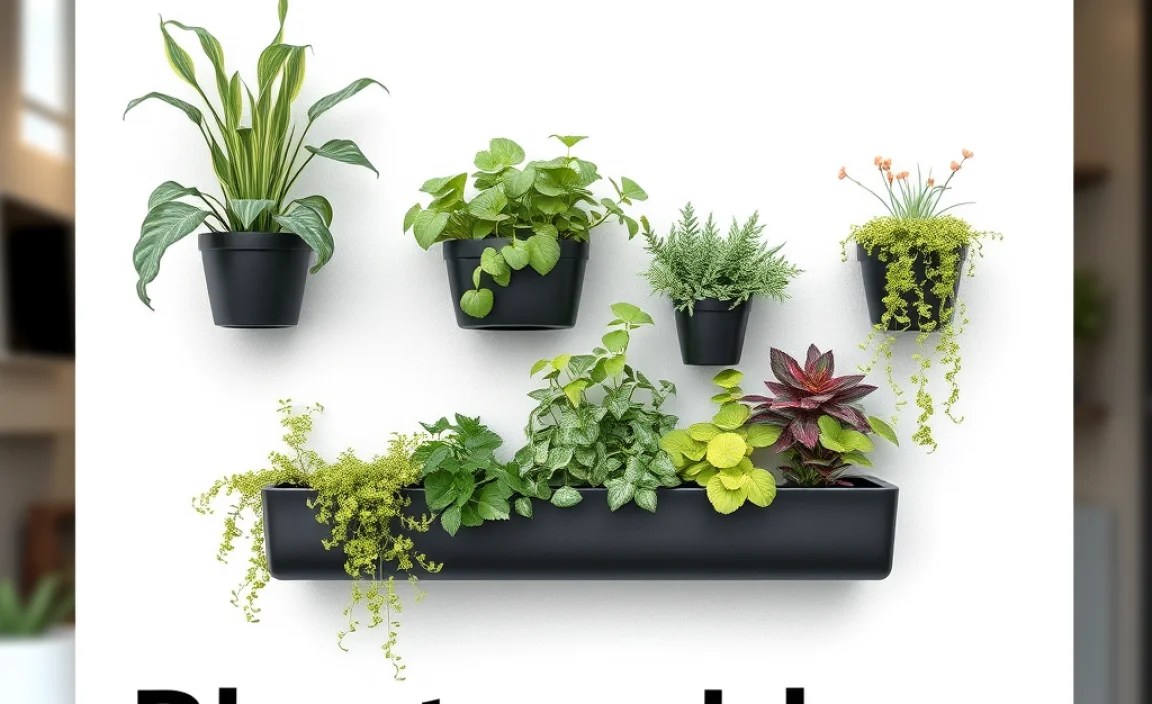
Wall garden planter ideas can turn any dull wall into a living masterpiece. Imagine a wall bursting with colorful flowers or fresh herbs. Vertical gardens are perfect for small spaces. They let you grow plants without taking up much room. You can use many different materials to create your wall garden. Old wooden pallets make rustic planters. Plastic bottles can be recycled into hanging gardens. Even fabric pockets can hold soil and plants. The possibilities are endless. These gardens not only look amazing but also help clean the air. They bring nature right to your doorstep. Wall gardens are a fun and creative way to add life to your home.
- Use wooden pallets for a rustic look.
- Recycle plastic bottles into planters.
- Hang fabric pockets filled with soil.
- Mix different types of plants for variety.
- Add lights to make your garden glow at night.
Creating a wall garden is a fun project for the whole family. First, you need to choose a wall that gets enough sunlight. Then, gather your materials and start building your planters. Be sure to use good quality soil and choose plants that will thrive in your area. Water your plants regularly and add fertilizer to keep them healthy. With a little bit of care, your wall garden will become a beautiful and relaxing space. It’s a great way to connect with nature and add a touch of green to your life. Plus, you can grow your own herbs and vegetables right on your wall!
What Plants Work Best?
Choosing the right plants is key to a successful wall garden. Do you know what plants love sunshine? Some plants need lots of sunlight, while others prefer shade. Succulents and herbs are great for sunny walls. They don’t need much water and can handle the heat. Ferns and leafy greens do well in shady spots. Think about where your wall garden will be. How much sun does it get each day? Pick plants that will be happy in those conditions. You can even mix different types of plants. Add some colorful flowers for a pop of beauty. Growing your own food is rewarding.
DIY Pallet Planter
Have you ever seen an old wooden pallet? You can turn it into a cool wall garden! Pallets are easy to find and cheap. Sometimes you can even get them for free. First, check the pallet for any loose nails or splinters. You don’t want anyone to get hurt. Next, line the back of the pallet with fabric or plastic. This will keep the soil from falling out. Then, fill the pallet with soil and add your plants. You can hang the pallet on a wall or lean it against a fence. It’s a simple and fun way to create a rustic wall garden. Decorate the pallet with paint or stencils to personalize it.
Vertical Herb Garden
Imagine stepping outside and picking fresh herbs for dinner. With a vertical herb garden, you can! Growing herbs on a wall is easy and saves space. You can use small pots or containers to hold the herbs. Label each pot so you know what you’re growing. Basil, mint, and rosemary are popular choices. They smell amazing and taste great in your favorite dishes. Place your herb garden near the kitchen for easy access. Water the herbs regularly and trim them as needed. Soon, you’ll have a thriving herb garden right at your fingertips. It is a good idea to start with your favorite herbs.
Fun Fact or Stat: Vertical gardens can reduce indoor temperatures by up to 10 degrees Fahrenheit, saving energy on cooling costs!

Easy DIY Wall Garden Ideas
Looking for easy DIY wall garden ideas? You don’t need to be an expert gardener to create a stunning wall garden. Start with simple projects like hanging planters. You can use mason jars, tin cans, or even old shoes! Drill a few holes for drainage and fill them with soil. Hang them on a wall or fence using rope or wire. Another easy idea is to create a succulent wall. Succulents are easy to care for and come in many shapes and colors. Attach them to a wooden board or frame using glue or small nails. These simple projects are a great way to get started with wall gardening. They are also a fun and creative way to recycle old materials.
- Use mason jars for hanging planters.
- Create a succulent wall with a wooden frame.
- Recycle old shoes into unique planters.
- Use colorful pots to add visual interest.
- Add a trellis for climbing plants.
- Consider using air plants that require no soil.
Wall gardens are not just for outdoor spaces. You can also create beautiful indoor wall gardens. Use plants that thrive in low light conditions, such as ferns and pothos. Choose a location that is away from direct sunlight. Use a waterproof container to prevent water damage. You can even add a self-watering system to make it easier to care for your plants. Indoor wall gardens can add a touch of nature to your home and improve air quality. They are a great way to bring the outdoors in. Always remember to check the specific watering needs of the plants you select for your indoor garden.
How to Build a Simple Frame?
Want to build a frame for your wall garden? It’s easier than you think! A simple wooden frame can hold your planters and create a beautiful display. First, measure the space where you want to build your garden. Then, cut the wood to the desired size. Use screws or nails to assemble the frame. You can paint or stain the frame to match your decor. Attach the planters to the frame using hooks or brackets. Make sure the frame is sturdy enough to hold the weight of the plants and soil. With a little bit of effort, you can create a custom frame for your wall garden. It’s a great way to personalize your space.
Repurpose Old Items
Why buy new planters when you can repurpose old items? Think outside the box and find creative ways to give old items a new life. Old tin cans, plastic bottles, and even teacups can be transformed into unique planters. Clean the items thoroughly and drill a few holes for drainage. Decorate them with paint, fabric, or other materials. You can even use old ladders or bookshelves as vertical planters. Repurposing old items is a great way to save money and reduce waste. It also adds a touch of personality to your wall garden. Be creative and have fun with it.
Add Lighting
Want to make your wall garden even more magical? Add some lighting! Lights can highlight your plants and create a beautiful ambiance. Use LED lights, which are energy-efficient and long-lasting. You can wrap the lights around the plants or attach them to the frame. Solar-powered lights are a great option for outdoor wall gardens. They charge during the day and automatically turn on at night. Lighting can transform your wall garden into a stunning focal point. It’s also a great way to enjoy your garden after dark. Consider using different colors of light to create different moods.
Fun Fact or Stat: A green wall can increase property value by up to 20%!
Vertical Garden Design Ideas
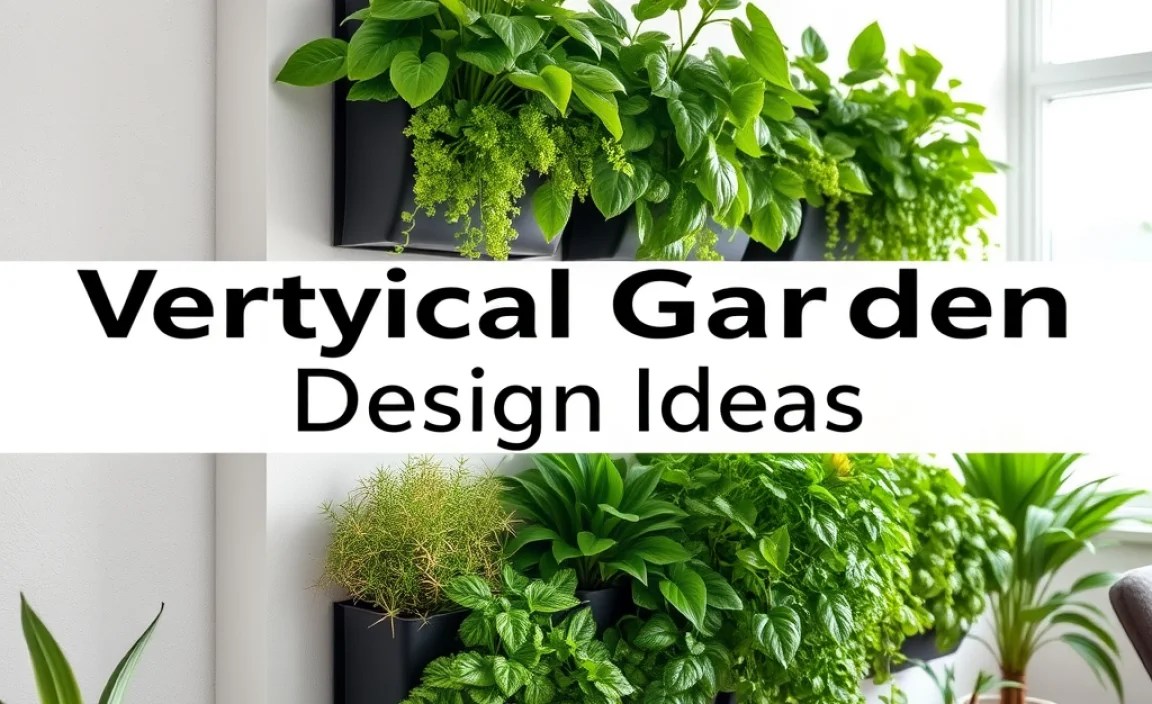
Exploring vertical garden design ideas can inspire you to create a unique and eye-catching display. Think about the overall look and feel you want to achieve. Do you prefer a lush, tropical look or a more minimalist design? Consider the colors, textures, and shapes of the plants you choose. You can create patterns and designs by arranging the plants in different ways. Use different types of planters to add visual interest. Add decorative elements like rocks, shells, or figurines. Vertical gardens are a great way to express your creativity and add a personal touch to your space. They are also a great conversation starter.
- Create patterns with different plant colors.
- Use a variety of planter shapes and sizes.
- Add decorative elements for visual interest.
- Incorporate a water feature for a calming effect.
- Consider adding a small seating area nearby.
- Think about the overall theme and style.
When designing your vertical garden, consider the size and shape of your wall. A large wall can accommodate a more elaborate design. A small wall may require a simpler approach. Think about the viewing angle. How will people see your garden? Design it so that it looks good from all angles. Pay attention to the details. Small touches can make a big difference. Add labels to your plants so people know what they are. Use a variety of textures to create visual interest. With careful planning and attention to detail, you can create a vertical garden that is both beautiful and functional.
Choosing the Right Plants
Picking the right plants is super important for your vertical garden design. Not all plants are created equal. Some plants grow tall and wide, while others stay small and compact. Choose plants that are well-suited to the size and shape of your planters. Consider the amount of sunlight your wall receives. Pick plants that will thrive in those conditions. Think about the colors and textures of the plants. Choose plants that complement each other and create a visually appealing display. Don’t be afraid to experiment and try new things. With a little bit of research, you can find the perfect plants for your vertical garden.
Creating a Focal Point
Every good design needs a focal point. This is the main thing that catches your eye. In a vertical garden, you can create a focal point using a variety of techniques. Use a large, dramatic plant as the centerpiece. Create a colorful arrangement of flowers. Add a water feature or a piece of art. The focal point should be the most interesting and visually appealing part of your garden. It should draw the eye and create a sense of balance. Think about what you want people to notice first when they look at your garden. Then, create a focal point that will capture their attention.
Maintaining Your Design
Once you’ve designed your vertical garden, it’s important to maintain it. Regular maintenance will keep your garden looking its best. Water your plants regularly and fertilize them as needed. Trim any dead or dying leaves. Replace plants that have outgrown their containers. Check for pests and diseases and take action to prevent them. A little bit of maintenance will go a long way in keeping your vertical garden healthy and beautiful. It’s also a good opportunity to enjoy your garden and connect with nature.
Fun Fact or Stat: Vertical gardens can reduce noise pollution by absorbing sound waves!
Small Space Wall Garden Ideas
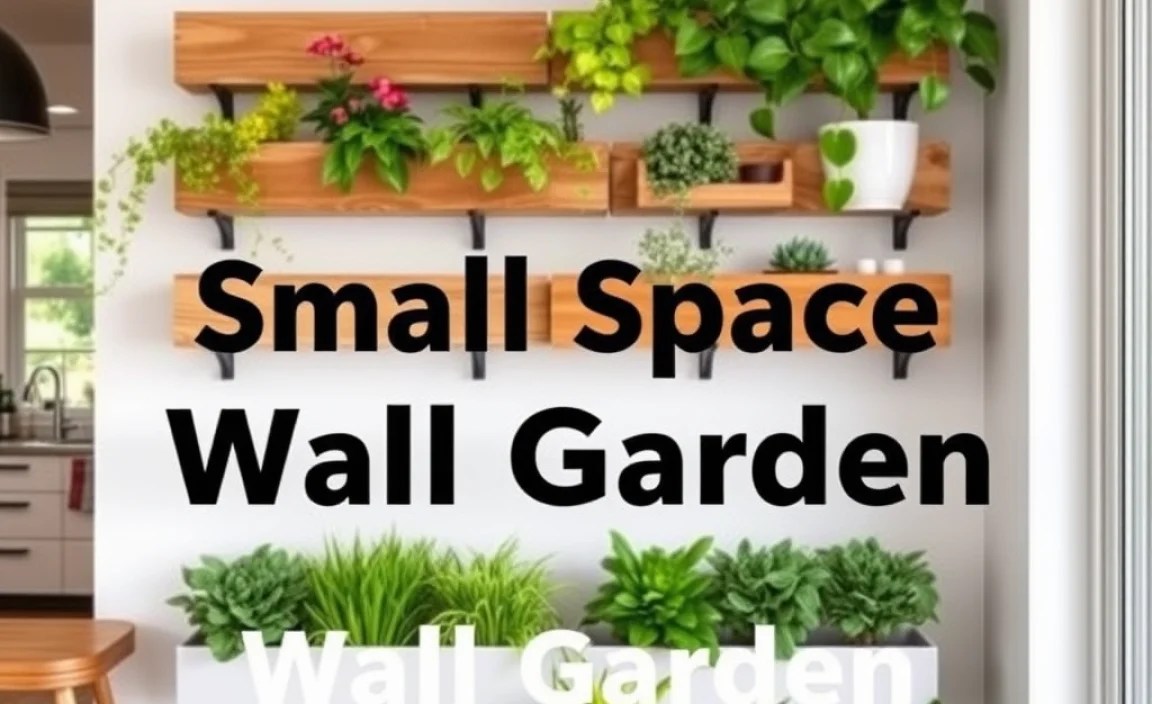
Have a small space? No problem! Small space wall garden ideas can transform even the tiniest balcony or apartment into a green oasis. Vertical gardens are perfect for maximizing space. They allow you to grow plants without taking up valuable floor space. Use hanging planters, wall-mounted containers, or even a simple trellis to create a vertical garden. Choose compact plants that won’t outgrow their space. Herbs, succulents, and small flowering plants are great options. Think about the layout of your space and design a wall garden that fits seamlessly into your decor. Small space gardening is all about creativity and resourcefulness.
- Use hanging planters to save space.
- Choose compact plants that stay small.
- Mount containers directly on the wall.
- Use a trellis for climbing plants.
- Create a mini herb garden near the kitchen.
Even a small wall garden can make a big impact. It can add color, texture, and life to your space. It can also improve air quality and create a more relaxing atmosphere. Think about the functionality of your garden. Do you want to grow herbs for cooking? Or flowers for decoration? Choose plants that will serve your needs and enhance your lifestyle. Don’t be afraid to experiment and try new things. Small space gardening is a great way to learn about plants and connect with nature. It’s also a fun and rewarding hobby.
Hanging Baskets
Hanging baskets are a classic way to create a wall garden in a small space. They are easy to install and can be hung from walls, fences, or balconies. Choose baskets that are the right size for your plants. Line the baskets with coconut coir or sphagnum moss to help retain moisture. Use a good quality potting mix and water regularly. Hanging baskets are a great way to add color and texture to your space. They are also a great option for growing trailing plants like ivy and petunias.
Pocket Planters
Pocket planters are another great option for small space wall gardens. They are made from fabric or plastic and have pockets that hold soil and plants. Pocket planters are easy to hang and can be used indoors or outdoors. Choose plants that are well-suited to the size of the pockets. Succulents, herbs, and small flowering plants are good choices. Pocket planters are a great way to create a vertical garden without taking up much space. They are also a great option for growing plants in tight spaces.
Repurposed Shelves
Do you have an old bookshelf or shelving unit? Repurpose it into a wall garden! Simply mount the shelves on the wall and add planters. You can use a variety of planters, such as pots, baskets, or even tin cans. Choose plants that are the right size for the shelves. Trailing plants look especially nice on shelves. Repurposing shelves is a great way to create a unique and stylish wall garden. It’s also a great way to save money and reduce waste.
Fun Fact or Stat: Wall gardens can improve air quality by removing up to 87% of indoor air toxins in 24 hours!
Choosing the Right Plants for Wall Gardens
Choosing the right plants for wall gardens is essential for success. Consider the amount of sunlight your wall receives. Some plants need full sun, while others prefer shade. Think about the climate in your area. Choose plants that are hardy and can withstand the weather conditions. Consider the size and shape of your planters. Choose plants that will fit well in your containers. Think about the overall look and feel you want to achieve. Choose plants that will complement each other and create a visually appealing display. With careful planning, you can choose the perfect plants for your wall garden. You can use the table below to assist with your choices.
| Plant Type | Sunlight Needs | Water Needs | Best For |
|---|---|---|---|
| Succulents | Full Sun | Low | Hot, dry climates |
| Herbs | Full Sun to Partial Shade | Medium | Cooking and fragrance |
| Ferns | Shade | High | Cool, moist environments |
| Petunias | Full Sun | Medium | Colorful blooms |
| Pothos | Partial Shade | Medium | Indoor wall gardens |
- Consider the amount of sunlight.
- Think about the climate in your area.
- Choose plants that fit your planters.
- Consider the overall design.
- Research each plant’s specific needs.
When choosing plants for your wall garden, think about the maintenance requirements. Some plants require more care than others. If you’re a beginner gardener, choose plants that are easy to care for. Succulents are a great option because they don’t need much water. Herbs are also relatively easy to grow. If you’re willing to put in more effort, you can choose more demanding plants like ferns and orchids. Remember to water your plants regularly and fertilize them as needed. With a little bit of care, your wall garden will thrive.
Sun-Loving Plants
Do you have a sunny wall? Then you need sun-loving plants! These plants thrive in direct sunlight and can tolerate hot temperatures. Succulents like sedum and echeveria are great choices. Herbs like rosemary and thyme also love the sun. Flowering plants like petunias and geraniums will add a pop of color to your garden. Remember to water your sun-loving plants regularly, especially during hot weather. They need plenty of water to stay healthy and bloom.
Shade-Tolerant Plants
Have a shady wall? Don’t worry, there are plenty of plants that will thrive in the shade. Ferns are a classic choice for shady gardens. They love moist soil and cool temperatures. Pothos and ivy are also great options for shady walls. These plants are easy to care for and can tolerate low light conditions. Remember to water your shade-tolerant plants regularly, but be careful not to overwater them. They don’t need as much water as sun-loving plants.
Low-Maintenance Plants
Want a wall garden that’s easy to care for? Choose low-maintenance plants! Succulents are a great option because they don’t need much water. Air plants are another low-maintenance choice. They don’t even need soil! Simply mist them with water every few days. Herbs like mint and chives are also relatively easy to grow. Low-maintenance plants are perfect for busy people who don’t have a lot of time to garden. They’re also a great option for beginner gardeners.
Fun Fact or Stat: A study found that people are 15% more productive when surrounded by greenery!
Maintaining Your Wall Garden
Properly maintaining your wall garden will keep it looking beautiful and healthy. Regular watering is essential. Check the soil moisture regularly and water when the top inch feels dry. Fertilize your plants regularly to provide them with the nutrients they need. Use a balanced fertilizer that is specifically formulated for the type of plants you are growing. Prune your plants regularly to remove dead or dying leaves and flowers. This will also encourage new growth. Check for pests and diseases and take action to prevent them. With regular maintenance, your wall garden will thrive for years to come.
- Water plants regularly.
- Fertilize plants as needed.
- Prune plants to remove dead leaves.
- Check for pests and diseases.
- Replace plants as needed.
Maintaining a wall garden can be a fun and rewarding experience. It’s a great way to connect with nature and enjoy the beauty of plants. Take the time to learn about the specific needs of your plants. This will help you provide them with the best possible care. Don’t be afraid to experiment and try new things. Gardening is a learning process, and there’s always something new to discover. With a little bit of effort, you can create a thriving wall garden that will bring joy to your life.
Watering Techniques
Watering is one of the most important aspects of maintaining a wall garden. Overwatering can lead to root rot, while underwatering can cause your plants to wilt and die. Check the soil moisture regularly and water when the top inch feels dry. Use a watering can or a hose with a gentle spray nozzle. Water slowly and evenly, making sure to soak the soil thoroughly. Avoid getting water on the leaves, as this can encourage fungal diseases. Water in the morning or evening to avoid evaporation.
Fertilizing Tips
Fertilizing is essential for providing your plants with the nutrients they need to grow and thrive. Use a balanced fertilizer that is specifically formulated for the type of plants you are growing. Follow the instructions on the fertilizer label carefully. Fertilize your plants regularly during the growing season. Avoid fertilizing during the dormant season. Over-fertilizing can damage your plants, so be careful not to use too much fertilizer.
Pest and Disease Control
Pests and diseases can be a problem in wall gardens. Check your plants regularly for signs of pests or diseases. If you see any problems, take action immediately. Use organic pest control methods whenever possible. Insecticidal soap and neem oil are effective against many common pests. Remove any diseased leaves or stems. Provide good air circulation to prevent fungal diseases. With regular monitoring and prompt action, you can keep your wall garden healthy and pest-free.
Fun Fact or Stat: Indoor plants can reduce stress levels and improve mood!
Summary
Wall garden planter ideas are a fantastic way to bring nature into your home. They are perfect for small spaces, like apartments and balconies. You can use many different materials to create your wall garden, such as wooden pallets, plastic bottles, and fabric pockets. Choose plants that are well-suited to the amount of sunlight your wall receives. Regular watering and fertilizing are essential for keeping your wall garden healthy. With a little bit of care, your wall garden will become a beautiful and relaxing space.
Vertical gardens offer numerous benefits. They improve air quality, reduce noise pollution, and can even increase property value. They are also a great way to express your creativity and add a personal touch to your space. So, why not start planning your own wall garden today? It’s a fun and rewarding project that will bring joy to your life for years to come.
Conclusion
Wall garden planter ideas offer a creative way to grow plants. They are perfect for small spaces. You can use recycled materials for planters. Choose plants that match your wall’s sunlight. Remember to water and fertilize them. A wall garden can make your home beautiful. It is a rewarding project for everyone.
Frequently Asked Questions
Question No 1: What are the benefits of having a wall garden?
Answer: Wall gardens offer many benefits. They can improve air quality by filtering out pollutants. They can also reduce noise pollution by absorbing sound waves. Wall gardens can add beauty and visual interest to your space. They can also increase property value. Plus, they are a great way to connect with nature and enjoy the beauty of plants. Wall garden planter ideas are great for improving the atmosphere of your living space while contributing to the environment. It’s like having a green hug every time you see it!
Question No 2: What materials can I use to create a wall garden?
Answer: You can use many different materials to create a wall garden. Old wooden pallets are a popular choice for rustic-looking gardens. Plastic bottles can be recycled into hanging planters. Fabric pockets can be used to create a vertical garden. You can also use metal containers, terracotta pots, or even old shoes. The possibilities are endless. Get creative and use materials that you already have on hand. Ensure the materials are safe for plants and can properly hold soil and water. Consider drainage to prevent overwatering and root rot. Wall garden planter ideas are as limitless as your creativity!
Question No 3: How do I water a wall garden?
Answer: Watering a wall garden requires some care. Check the soil moisture regularly and water when the top inch feels dry. Use a watering can or a hose with a gentle spray nozzle. Water slowly and evenly, making sure to soak the soil thoroughly. Avoid getting water on the leaves, as this can encourage fungal diseases. Water in the morning or evening to avoid evaporation. For larger wall gardens, consider installing a drip irrigation system. This will make watering easier and more efficient. Pay attention to the specific watering needs of each plant. Wall garden planter ideas require consistent moisture management to thrive. You should adjust your watering schedule as the seasons change.
Question No 4: How do I choose the right plants for my wall garden?
Answer: Choosing the right plants is crucial for a successful wall garden. Consider the amount of sunlight your wall receives. Some plants need full sun, while others prefer shade. Think about the climate in your area. Choose plants that are hardy and can withstand the weather conditions. Consider the size and shape of your planters. Choose plants that will fit well in your containers. Think about the overall look and feel you want to achieve. Choose plants that will complement each other and create a visually appealing display. Check plant hardiness zones for your area. Be aware of local climate and microclimates.
Question No 5: How do I prevent pests and diseases in my wall garden?
Answer: Preventing pests and diseases is important for keeping your wall garden healthy. Check your plants regularly for signs of pests or diseases. If you see any problems, take action immediately. Use organic pest control methods whenever possible. Insecticidal soap and neem oil are effective against many common pests. Remove any diseased leaves or stems. Provide good air circulation to prevent fungal diseases. Ensure proper drainage to prevent root rot. Regularly clean and sanitize your tools. Remember to quarantine new plants before introducing them to your wall garden. Implementing these strategies will help keep your wall garden planter ideas looking their best.
Question No 6: Can I grow vegetables in a wall garden?
Answer: Yes, you can definitely grow vegetables in a wall garden! Many vegetables are well-suited to vertical growing. Leafy greens like lettuce, spinach, and kale are good choices. Herbs like basil, mint, and rosemary also thrive in wall gardens. Smaller vegetables like cherry tomatoes and strawberries can also be grown vertically. Choose vegetables that are appropriate for the size of your planters. Provide adequate sunlight and water. Fertilize regularly to ensure healthy growth. Growing vegetables in a wall garden is a great way to save space and enjoy fresh produce. When considering wall garden planter ideas, remember that vegetables need more nutrients and attention. Consider a self-watering system.
