Do you love climbing? Have you tried climbing inside? It is super fun and a great workout. But what should you wear indoor climbing? Wearing the right clothes helps you climb better. It also keeps you safe and comfy. Let’s learn about the best things to wear indoor climbing.
Wearing the right gear makes climbing more fun. It also helps you improve. Are you ready to become an awesome climber? Let’s get started!
Key Takeaways
- The best shoes for climbing indoors are climbing shoes.
- Comfortable clothes that stretch are great to wear indoor climbing.
- Chalk helps keep your hands dry, so you can grip better.
- A good harness is important for safety when you are climbing high.
- Always check your gear before you start climbing to be safe.
What to Wear Indoor Climbing: Clothes

Choosing the right clothes is key for indoor climbing. You want clothes that let you move freely. Think about what you would wear to play. Clothes should be comfy and not too tight. They should also let your skin breathe. You do not want to get too hot while you climb. Look for clothes made of stretchy stuff. This will help you reach those high holds. Avoid clothes that are too baggy. Loose clothes can get in your way. They might even get caught on the wall. Wear clothes that make you feel good and ready to climb. Climbing is a fun workout. The right clothes can make it even better. So, pick your outfit carefully and get ready to have fun!
- Wear stretchy pants or shorts.
- Choose a t-shirt or tank top.
- Make sure your clothes are not too loose.
- Pick clothes that let your skin breathe.
- Avoid clothes with zippers or buttons.
Think about the weather inside the climbing gym. Some gyms can be warm. Others might be cooler. Dress in layers if you are not sure. You can always take off a layer if you get too hot. Some climbers like to wear long sleeves. This can protect your arms from scrapes on the wall. But, short sleeves can also keep you cooler. It is all about what feels best for you. Remember, comfort is key. When you are comfortable, you can focus on climbing. Have you picked out your climbing outfit yet? Get ready to have a blast!
Fun Fact or Stat: Did you know that some climbing clothes are made from recycled plastic bottles? This helps the environment!
Can I Wear Jeans to Climb?
Have you ever wondered if you can wear jeans to climb? While it is possible, it is not the best choice. Jeans can be stiff and limit your movement. Climbing needs you to be able to stretch and reach. Stiff jeans can make this hard. They might even rip if you stretch too much. It is better to choose stretchy pants or shorts. These will give you more freedom to move. Think about doing a cartwheel in jeans. It is much harder than doing it in stretchy pants. Climbing is the same way. You need clothes that move with you. So, leave the jeans at home and pick something more comfy.
What About Leggings or Yoga Pants?
Leggings and yoga pants are a great choice for climbing. They are stretchy and comfy. They let you move your legs easily. This is important when you are reaching for holds. Leggings also keep your legs covered. This can protect them from scrapes on the wall. Many climbers love wearing leggings. They come in lots of fun colors and patterns. You can even find some with cool climbing designs. Just make sure they are not too slippery. You want to be able to grip the wall with your legs if you need to. So, grab your favorite pair of leggings and get ready to climb!
Should I Wear Long Sleeves or Short Sleeves?
Choosing between long sleeves and short sleeves is up to you. It depends on what feels best. Long sleeves can protect your arms from scrapes. They can also keep you warmer if the gym is cold. But, short sleeves can keep you cooler if the gym is warm. They also give you more freedom to move your arms. Some climbers wear a mix of both. They might wear a long-sleeved shirt that they can roll up. This way, they can adjust to the temperature. Think about what you will be doing. If you are doing a lot of reaching, short sleeves might be better. If you are worried about scrapes, long sleeves might be better.
Climbing Shoes: The Most Important Gear

Climbing shoes are super important for indoor climbing. They are special shoes that help you grip the wall. They have sticky rubber on the bottom. This rubber helps you stick to small holds. Climbing shoes are also very tight. This helps you feel the wall better. When you wear indoor climbing shoes, your feet will be strong and precise. You can point your toes on tiny holds. This lets you climb harder routes. It is important to get the right size. Your climbing shoes should be snug, but not too painful. If they are too loose, your feet will slip inside. If they are too tight, they will hurt. Ask someone at the climbing gym for help. They can help you find the perfect fit. Remember, good climbing shoes can make a big difference. They can help you climb like a pro!
- Climbing shoes have sticky rubber soles.
- They help you grip small holds.
- Climbing shoes should fit snugly.
- Ask for help to find the right size.
- Do not wear socks with climbing shoes.
- Take your shoes off between climbs.
Taking care of your climbing shoes is also important. Do not wear them outside. This will get them dirty and wear them out faster. Only wear them on the climbing wall. When you are not climbing, take them off. This lets your feet breathe. It also keeps your shoes from getting sweaty. You can also brush your shoes with a special brush. This helps remove chalk and dirt. With good care, your climbing shoes will last longer. They will also help you climb better. So, treat your climbing shoes with respect. They are your best friends on the wall!
Fun Fact or Stat: The stickiest climbing shoe rubber was inspired by gecko feet!
How Do I Choose the Right Size?
Choosing the right size for climbing shoes can be tricky. They should fit snugly, but not be too painful. Your toes should be slightly bent. This helps you feel the wall better. But, they should not be crammed in. If they are too tight, they will hurt and you will not want to wear them. If they are too loose, your feet will slip around. This will make it hard to grip the wall. Ask someone at the climbing gym to help you. They can measure your feet and give you advice. Try on a few different sizes to see what feels best. Remember, it is better to have them a little too tight than too loose.
Should I Wear Socks With Climbing Shoes?
You should not wear socks with climbing shoes. Socks can make your feet slip inside the shoes. This will make it harder to grip the wall. Climbing shoes are designed to be worn without socks. This lets you feel the wall better. It also helps the shoes mold to your feet. Some people wear very thin socks. But, this is not usually necessary. If you are worried about your feet getting sweaty, use chalk. Chalk can help keep your feet dry. Just sprinkle some inside your shoes before you put them on. So, ditch the socks and get ready to climb!
How Often Should I Replace My Climbing Shoes?
How often you replace your climbing shoes depends on how much you climb. If you climb a lot, you will need to replace them more often. If you only climb sometimes, they will last longer. Look for signs that your shoes are wearing out. The rubber on the bottom might start to get thin. You might also notice that they are not as sticky as they used to be. If you see these signs, it is time for new shoes. Replacing your shoes can be expensive. But, it is important to have good shoes that help you climb safely. So, keep an eye on your shoes and replace them when needed.
Using Chalk for a Better Grip

Chalk is a climber’s best friend. It helps keep your hands dry. Dry hands can grip the wall better. When your hands are sweaty, they slip. This can make it hard to hold on. Chalk absorbs the sweat. It gives you a better grip. Most climbers use chalk in a chalk bag. This is a small bag that you wear around your waist. You can reach into it to chalk your hands. You do not need a lot of chalk. Just a little bit will do. Too much chalk can make your hands slippery. Some climbing gyms have special chalk. This chalk is designed to be less dusty. This helps keep the gym clean. Using chalk is a simple way to improve your climbing. It can help you send that hard route!
- Chalk helps keep your hands dry.
- Dry hands grip the wall better.
- Use chalk in a chalk bag.
- Do not use too much chalk.
- Clean chalk is better for the gym.
- Re-chalk your hands often.
There are different types of chalk. Some chalk is loose powder. Other chalk is in a block. Some chalk has stuff added to it. These additives can help your hands grip even better. Try different types of chalk to see what you like best. You can also use liquid chalk. Liquid chalk is a cream that you rub on your hands. It dries quickly and leaves a chalky coating. Liquid chalk can be less messy than powder chalk. It is also good for people who are allergic to chalk dust. No matter what kind of chalk you use, make sure to use it wisely. It can make a big difference in your climbing.
Fun Fact or Stat: Climbers use chalk made of magnesium carbonate. It is the same stuff that gymnasts use!
How Do I Use Chalk Properly?
Using chalk properly is important for getting the best grip. First, make sure your hands are clean. If they are dirty, the chalk will not stick as well. Next, reach into your chalk bag. Rub the chalk all over your hands. Make sure to get it between your fingers. You do not need a lot of chalk. Just a thin layer is enough. Too much chalk can make your hands slippery. After you chalk your hands, clap them together. This will get rid of any extra chalk. Now you are ready to climb! Re-chalk your hands as needed. If you feel your hands getting sweaty, chalk them again.
What Is Liquid Chalk?
Liquid chalk is a type of chalk that comes in a bottle. It is a cream that you rub on your hands. It dries quickly and leaves a chalky coating. Liquid chalk is less messy than powder chalk. It is also good for people who are allergic to chalk dust. To use liquid chalk, squeeze a small amount onto your hands. Rub it all over your hands, making sure to get it between your fingers. Then, wait for it to dry completely. Once it is dry, you are ready to climb. Liquid chalk can last longer than powder chalk. You might not need to re-chalk your hands as often.
Can I Use Too Much Chalk?
Yes, you can use too much chalk. Too much chalk can make your hands slippery. It can also make it hard to see the holds. When you use too much chalk, it can build up on the wall. This can make the wall dirty and slippery. It is better to use a small amount of chalk and re-chalk often. This will give you a better grip without making a mess. If you see too much chalk on the wall, you can brush it off. Most climbing gyms have brushes for this purpose. So, be mindful of how much chalk you are using. A little goes a long way!
The Importance of a Climbing Harness

A climbing harness is very important for safety. You wear indoor climbing harnesses to connect to the rope. The rope keeps you from falling to the ground. A harness has loops for your legs and waist. It also has a loop in the front for the rope. Make sure your harness fits properly. It should be snug, but not too tight. If it is too loose, you could slip out of it. If it is too tight, it will be uncomfortable. Always have someone check your harness before you climb. They can make sure it is buckled correctly. Never climb without a harness if you are using a rope. Your safety is the most important thing.
- A harness keeps you safe while climbing.
- It connects you to the rope.
- Make sure your harness fits well.
- Have someone check your harness.
- Never climb without a harness.
- Learn how to use a harness properly.
There are different types of harnesses. Some harnesses are for all types of climbing. Other harnesses are for specific types of climbing. If you are just starting out, a basic harness is fine. As you get more experience, you might want to upgrade. A good harness will be comfortable and durable. It will also have features that make climbing easier. Always read the instructions that come with your harness. This will help you use it safely and correctly. Taking care of your harness will make it last longer. Inspect it regularly for wear and tear. If you see any damage, replace it right away.
Fun Fact or Stat: Climbing harnesses are tested to hold thousands of pounds of force!
How Do I Put on a Climbing Harness?
Putting on a climbing harness correctly is very important. First, find the leg loops and waist belt. Step through the leg loops, one at a time. Then, pull the waist belt up around your waist. The waist belt should sit above your hips. It should be snug, but not too tight. Next, buckle the waist belt. Make sure the buckle is closed properly. Then, tighten the leg loops. They should be snug, but not too tight. Finally, have someone check your harness. They can make sure everything is buckled and tightened correctly. If you are not sure how to put on your harness, ask for help. It is better to be safe than sorry.
What Are the Different Parts of a Harness?
A climbing harness has several important parts. The waist belt goes around your waist. It helps hold the harness in place. The leg loops go around your legs. They help distribute the weight. The belay loop is in the front of the harness. This is where you attach the rope. The gear loops are on the sides of the harness. You can use them to carry extra gear. The tie-in points are where you tie the rope to the harness. All of these parts work together to keep you safe while climbing. Make sure you know what each part is and how it works.
How Often Should I Replace My Harness?
How often you replace your harness depends on how much you climb. If you climb a lot, you will need to replace it more often. If you only climb sometimes, it will last longer. You should also replace your harness if it is damaged. Look for signs of wear and tear, such as frayed webbing or broken buckles. If you see any damage, replace your harness right away. Even if your harness looks fine, you should replace it every few years. This is because the materials can degrade over time. It is better to be safe than sorry when it comes to your harness.
Belaying: Working With a Partner
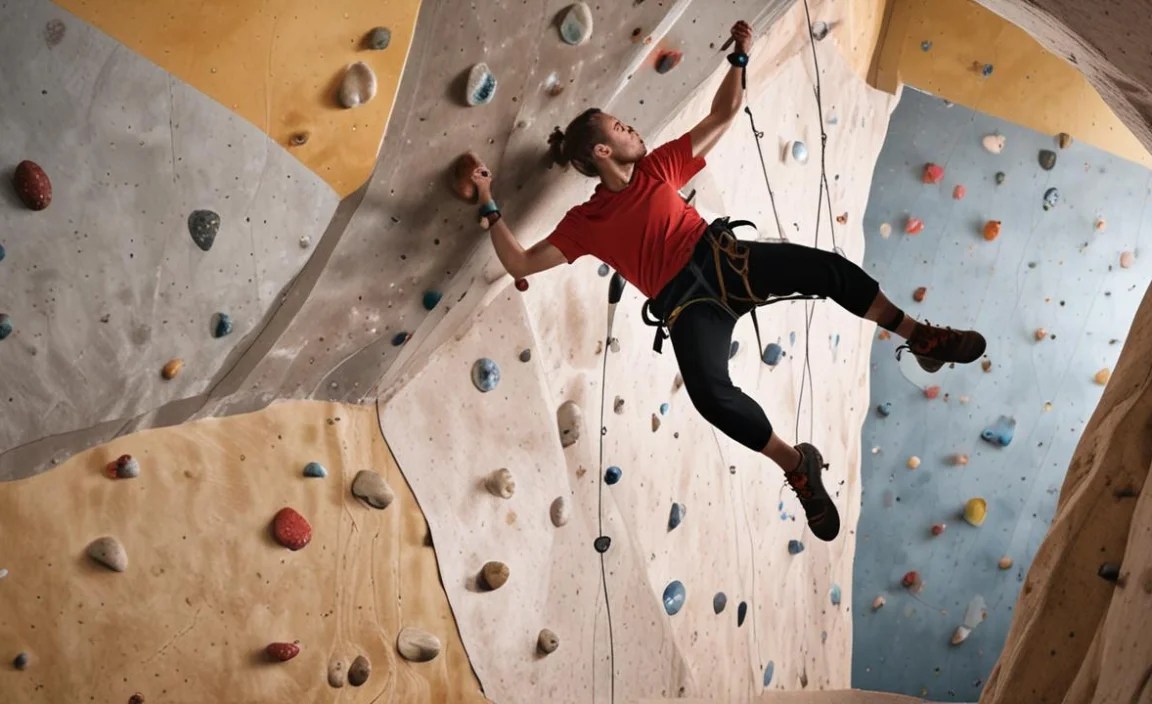
Belaying is a very important part of climbing. It means working with a partner to keep them safe. The belayer holds the rope. They stop the climber from falling to the ground. Belaying takes practice and focus. You need to pay attention to the climber at all times. If the climber falls, you need to react quickly. You use a special device to catch the rope. This device is called a belay device. There are different types of belay devices. Some are easier to use than others. Make sure you know how to use your belay device properly. Taking a belay class is a good idea. This will teach you the basics of belaying. Never belay without proper training. Your partner’s safety depends on you.
- Belaying keeps your partner safe.
- The belayer holds the rope.
- Pay attention to the climber.
- Learn how to use a belay device.
- Take a belay class.
- Never belay without training.
Communication is key when belaying. You and your partner need to talk to each other. Before the climb, agree on signals. These signals will help you communicate while climbing. For example, you might say “On belay?” to ask if the belayer is ready. The belayer might say “Belay on!” to say they are ready. You might say “Take!” to ask the belayer to tighten the rope. These signals will help you stay safe and have fun. Always double-check your partner’s harness and belay device. Make sure everything is set up correctly. Belaying is a team effort. Work together to stay safe and have a great climb!
Fun Fact or Stat: Good belayers can predict when a climber will fall and be ready to catch them!
What Is a Belay Device?
A belay device is a tool that helps you control the rope. It allows you to catch a falling climber. There are many different types of belay devices. Some are simple and easy to use. Others are more complex and offer more control. A common type of belay device is a tube-style device. This device uses friction to slow down the rope. When the climber falls, the belayer pulls down on the rope. This creates friction in the device, which stops the climber from falling. It is important to learn how to use your belay device properly. Ask someone at the climbing gym to show you how it works. Practice using the device before you start belaying.
How Do I Communicate With My Partner?
Communicating with your partner is very important for safety. Before you start climbing, agree on signals. These signals will help you communicate while climbing. Here are some common signals: “On belay?” This asks if the belayer is ready. “Belay on!” This means the belayer is ready. “Climbing!” This tells the belayer that you are starting to climb. “Take!” This asks the belayer to tighten the rope. “Slack!” This asks the belayer to give you more rope. “Falling!” This tells the belayer that you are falling. Use these signals to stay safe and have fun. Always listen to your partner and respond quickly.
What Do I Do If My Partner Falls?
If your partner falls, it is important to react quickly. First, grip the rope tightly with your brake hand. This is the hand that you use to control the rope. Then, pull down on the rope with your brake hand. This will create friction in the belay device and stop your partner from falling. Keep your eyes on your partner. Watch them to make sure they are okay. Once they have stopped falling, ask them if they are hurt. If they are hurt, help them get down safely. If they are not hurt, they can continue climbing. Always be ready to catch your partner if they fall. Your quick actions can prevent serious injuries.
Warming Up Before You Climb
Warming up is super important before you start climbing. It gets your body ready for exercise. Warming up helps prevent injuries. It also helps you climb better. Start with some easy exercises. Do some jumping jacks or arm circles. Stretch your arms, legs, and back. Focus on the muscles you will be using for climbing. Do some easy climbs on the wall. This will help you get a feel for the holds. Warming up should take about 10-15 minutes. Do not skip the warm-up! It is an important part of climbing safely and effectively. When your body is warmed up, you will be ready to tackle those hard routes.
- Warming up prevents injuries.
- It gets your body ready to climb.
- Do some easy exercises.
- Stretch your arms, legs, and back.
- Do some easy climbs.
- Warm up for 10-15 minutes.
There are many different ways to warm up. You can do some cardio exercises, like running or jumping jacks. You can also do some dynamic stretches. Dynamic stretches are stretches that you do while moving. Examples include arm circles, leg swings, and torso twists. Static stretches are stretches that you hold for a period of time. These are better to do after you climb. Focus on warming up the muscles you will be using the most. These include your arms, legs, back, and core. A good warm-up will make you feel more confident and prepared. So, take the time to warm up before you start climbing. It will make a big difference in your performance.
Fun Fact or Stat: Professional climbers have special warm-up routines that they follow before every climb!
What Are Some Good Warm-Up Exercises?
There are many good warm-up exercises you can do before climbing. Jumping jacks are a great way to get your heart rate up. Arm circles will warm up your shoulder muscles. Leg swings will warm up your leg muscles. Torso twists will warm up your back muscles. You can also do some push-ups or sit-ups. These exercises will strengthen your muscles. Another good warm-up exercise is to climb easy routes. This will help you get a feel for the wall and the holds. Choose routes that are easy for you. Focus on using good technique. A good warm-up should make you feel energized and ready to climb.
How Long Should I Warm Up For?
You should warm up for about 10-15 minutes before you start climbing. This will give your body enough time to get ready for exercise. If you are climbing a very hard route, you might want to warm up for longer. Listen to your body. If you still feel stiff or tight, keep warming up. Do not rush the warm-up process. It is important to take the time to prepare your body properly. A good warm-up will help you prevent injuries and climb better. So, take the time to warm up before you start climbing.
What Stretches Should I Do Before Climbing?
There are many good stretches you can do before climbing. Arm stretches will warm up your shoulder muscles. Leg stretches will warm up your leg muscles. Back stretches will warm up your back muscles. Focus on stretching the muscles you will be using the most. These include your arms, legs, back, and core. Dynamic stretches are best to do before climbing. These are stretches that you do while moving. Examples include arm circles, leg swings, and torso twists. Static stretches are stretches that you hold for a period of time. These are better to do after you climb. A good stretching routine will help you prevent injuries and climb better.
Checking Your Gear Before Climbing
Checking your gear is very important before you start climbing. It helps you stay safe. Make sure your harness fits properly. Check that all the buckles are closed. Inspect your rope for any damage. Look for cuts or frays. Make sure your belay device is working correctly. Check that your climbing shoes are in good condition. Look for worn-out rubber. If you are climbing outside, check the weather. Make sure it is safe to climb. Always double-check your partner’s gear as well. This will help you both stay safe. Taking a few minutes to check your gear can prevent accidents. Safety is always the most important thing.
- Check your harness for a good fit.
- Inspect your rope for damage.
- Make sure your belay device works.
- Check your climbing shoes.
- Check the weather if climbing outside.
- Double-check your partner’s gear.
Before you start climbing, take a moment to focus. Think about the route you are going to climb. Visualize yourself climbing it successfully. This will help you feel more confident and prepared. Pay attention to your surroundings. Be aware of other climbers. Make sure you are not in anyone’s way. Follow the rules of the climbing gym. These rules are there to keep everyone safe. If you have any questions, ask a staff member. They are there to help you. Climbing is a fun and challenging sport. But it is important to take it seriously. By checking your gear and following the rules, you can have a safe and enjoyable experience.
Fun Fact or Stat: Some climbing gear has a lifespan. It needs to be replaced after a certain number of years, even if it looks fine!
What Should I Check on My Harness?
When checking your harness, there are several things you should look for. First, make sure it fits properly. The waist belt should be snug, but not too tight. The leg loops should also be snug, but not too tight. Next, check all the buckles. Make sure they are closed properly. Look for any signs of wear and tear. Check the webbing for frays or cuts. Check the stitching for loose threads. If you see any damage, replace your harness. It is better to be safe than sorry.
How Do I Inspect My Rope?
Inspecting your rope is very important for safety. Start by running the rope through your hands. Feel for any bumps, lumps, or soft spots. These could be signs of damage. Look for any cuts, frays, or abrasions. These can weaken the rope. Pay special attention to the ends of the rope. These are the most likely places to get damaged. If you find any damage, do not use the rope. Replace it with a new one. A damaged rope can break and cause serious injuries.
What Should I Do If I Find Damaged Gear?
If you find damaged gear, do not use it. Take it out of service immediately. If it is your own gear, replace it with a new one. If it belongs to the climbing gym, give it to a staff member. They will dispose of it properly. Do not try to repair damaged gear yourself. This can be dangerous. It is better to use new, undamaged gear. Your safety depends on it. Always be vigilant about checking your gear. A few minutes of inspection can prevent serious accidents.
Summary
Choosing the right gear for indoor climbing is important. Good climbing shoes are essential for grip. Comfy, stretchy clothes let you move freely. Chalk keeps your hands dry. A harness keeps you safe when using ropes. You should wear indoor climbing clothes that make you feel comfortable. Always check your gear before you start. This helps you stay safe. Warming up is also important. It gets your body ready for climbing. Belaying is a team effort. You and your partner need to work together. Climbing is a fun and challenging sport. With the right gear and knowledge, you can have a great time.
Conclusion
Indoor climbing is a fun way to stay active. Wearing the right gear can make a big difference. It can help you climb better and stay safe. Remember to choose comfy clothes. Get good climbing shoes. Use chalk to keep your hands dry. Always check your harness and rope. Warm up before you start. With the right wear indoor climbing equipment and knowledge, you can enjoy climbing. Have fun and be safe!
Frequently Asked Questions
Question No 1: What kind of shoes should I wear for indoor climbing?
Answer: You should wear special climbing shoes for indoor climbing. Climbing shoes have sticky rubber soles. This rubber helps you grip the wall better. They also fit very snugly. This helps you feel the wall and climb more precisely. Do not wear regular sneakers. They will not give you the grip you need. It’s important to wear indoor climbing shoes that fit well. If they are too loose, your feet will slip around. If they are too tight, they will hurt. Ask someone at the climbing gym for help finding the right size.
Question No 2: What kind of clothes should I wear for indoor climbing?
Answer: You should wear comfortable, stretchy clothes for indoor climbing. Think about clothes that you would wear to exercise. Leggings, yoga pants, and athletic shorts are all good choices. Avoid wearing clothes that are too baggy. Loose clothes can get in your way. They might even get caught on the wall. You should also avoid clothes with zippers or buttons. These can scratch the wall or your skin. Wear clothes that let your skin breathe. You do not want to get too hot while you climb. The best choice is clothes you like to wear indoor climbing.
Question No 3: Do I need to use chalk when indoor climbing?
Answer: Yes, you should use chalk when indoor climbing. Chalk helps keep your hands dry. When your hands are sweaty, they can slip on the holds. Chalk absorbs the sweat and gives you a better grip. You can buy chalk at most climbing gyms. You will also need a chalk bag. This is a small bag that you wear around your waist. You can reach into it to chalk your hands as needed. Using chalk can make a big difference in your climbing performance. Climbers use it to improve their grip and wear indoor climbing confidently.
Question No 4: Do I need to bring my own rope and harness?
Answer: Most climbing gyms have ropes and harnesses that you can use. You can usually rent them for a small fee. If you climb often, you might want to buy your own rope and harness. This way, you can be sure that they fit you properly. You will also know that they are in good condition. If you do buy your own rope and harness, make sure you know how to use them properly. Take a class or ask someone experienced to show you. It is important to know how to wear indoor climbing harnesses correctly.
Question No 5: How do I find a climbing partner?
Answer: Finding a climbing partner can be easy. Ask your friends if they want to try climbing. You can also ask people at the climbing gym. Many gyms have bulletin boards where you can post a message looking for a partner. You can also join a climbing club. This is a great way to meet other climbers. When you find a partner, make sure you trust them. You will be relying on them to keep you safe. Climbing with a good partner can make the experience much more fun. You can talk about what you wear indoor climbing with your new partner.
Question No 6: Is indoor climbing a good workout?
Answer: Yes, indoor climbing is a great workout. It works your whole body. You use your arms, legs, back, and core. Climbing is also a good cardio workout. It gets your heart rate up. Climbing can improve your strength, endurance, and flexibility. It is also a lot of fun. You do not even realize that you are working out. Climbing is a great way to stay in shape and challenge yourself. You can even improve your mind by planning how to wear indoor climbing gear strategically.
