Do you love sitting outside? Outdoor furniture makes it comfy. But what happens when it breaks? Webbing for outdoor furniture can fix it! It makes your chairs and sofas like new.
Have you ever seen a saggy outdoor chair? The webbing might be worn out. Replacing it is easier than you think. Let’s learn all about webbing and how to use it.
Strong webbing keeps you comfy and safe. It supports you while you relax. There are many types to choose from. Let’s find the best one for you.
Key Takeaways
- Webbing for outdoor furniture is strong and can fix your saggy chairs.
- Choose the right type of webbing to match your furniture’s style and needs.
- Replacing webbing is a simple way to make your furniture last longer.
- Regular cleaning and care will keep your outdoor furniture looking great.
- With the right tools and steps, you can easily replace webbing yourself.
Choosing the Right Webbing for Outdoor Furniture

Picking the right webbing for outdoor furniture is important. You want it to last long. You also want it to look good. Different types of webbing work best for different furniture. Consider the style of your furniture. Think about how much use it gets. Some webbing is better for sunny areas. Other webbing is better for wet areas. Knowing these things helps you choose well. The right choice makes your furniture comfy and durable. It also saves you money in the long run. You won’t have to replace it as often. Think about colors and patterns too. You can match your existing decor. Or, you can add a pop of color to your outdoor space. Have fun with your choice!
- Consider the furniture’s style.
- Think about how often you use it.
- Choose colors that you like.
- Check if it is UV resistant.
- Make sure it is easy to clean.
Think about the material of the webbing. Some common materials are nylon, polyester, and vinyl. Nylon is strong and resists stretching. Polyester is good for sunny areas because it resists fading. Vinyl is waterproof and easy to clean. Each material has its pros and cons. Read the labels and do some research. Ask a salesperson for advice. They can help you understand the best options. They will know the best webbing for outdoor furniture. Also, consider the width and thickness of the webbing. Wider webbing can support more weight. Thicker webbing is more durable. Choose what fits your needs and budget. Remember, good webbing makes your outdoor furniture more enjoyable.
What is the Best Material for Webbing?
Choosing the best material for webbing for outdoor furniture depends on your needs. Do you live in a sunny place? Polyester is a good choice. It resists fading from the sun. Is it often wet where you live? Vinyl might be better. It is waterproof and easy to wipe clean. Nylon is strong and can handle a lot of weight. Think about how you use your furniture. If you have kids or pets, choose something durable. Something easy to clean is also important. I know a family who chose nylon webbing for their patio chairs. They have two big dogs who love to jump on the furniture. The nylon has held up great! It still looks new after several years. The right material will make your furniture last longer.
How Does Weather Affect Webbing?
Weather can really affect webbing for outdoor furniture. Sun, rain, and snow can all damage it. The sun can fade the color and weaken the material. Rain can cause mold and mildew to grow. Snow and ice can make it brittle and crack. To protect your webbing, choose weather-resistant materials. Polyester and vinyl are good choices for sunny and wet climates. You can also use covers to protect your furniture when it’s not in use. Clean your webbing regularly to remove dirt and grime. Store your furniture indoors during the winter months. Taking care of your webbing will help it last longer. My grandma always covered her patio furniture in the winter. She said it made a big difference. She had the same chairs for over twenty years!
How to Measure Webbing Size
Measuring for webbing for outdoor furniture is easy. First, measure the length of the old webbing. If you don’t have the old webbing, measure the frame. Measure from one attachment point to the other. Add a few extra inches for wrapping around the frame. Next, measure the width of the webbing. Common widths are 2 inches and 3 inches. Choose a width that fits your furniture’s frame. Write down all your measurements. It’s helpful to bring them when you go shopping. I once tried to guess the size and bought the wrong webbing. It was too short and too narrow. I had to go back to the store and exchange it. Now I always measure carefully before buying. Accurate measurements ensure you get the right fit.
Fun Fact or Stat: Did you know that UV-resistant webbing can last up to five times longer in sunny climates than regular webbing?
Tools and Materials for Webbing Replacement
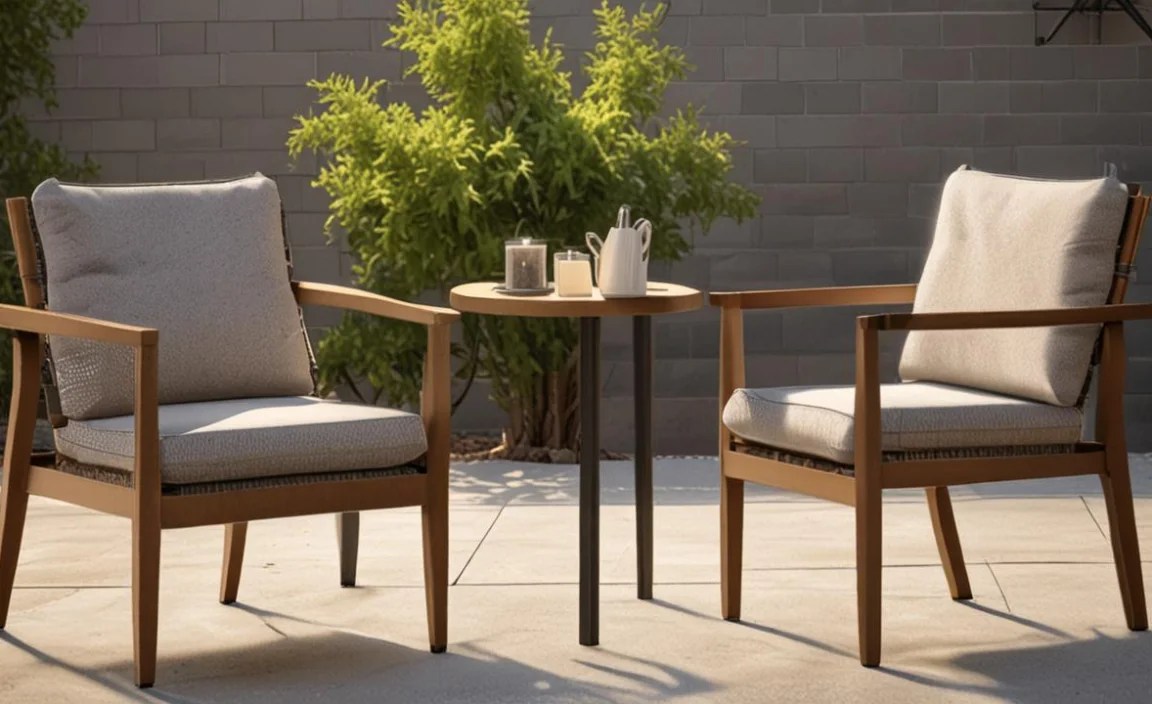
Getting ready to replace webbing for outdoor furniture? You will need some tools and materials. A staple gun is very important. It attaches the webbing to the frame. You will also need staples. Choose staples that are the right size for your staple gun. A screwdriver helps remove old staples. Pliers can pull out stubborn staples. Measuring tape ensures accurate cuts. Scissors or a utility knife cuts the webbing. Safety glasses protect your eyes from flying staples. Gloves protect your hands. Don’t forget the new webbing! Choose the right type and color. Having all the right tools makes the job easier. It also makes it safer. I remember trying to replace webbing without safety glasses once. A staple flew up and almost hit my eye! Now I always wear safety glasses. Preparation is key to a successful webbing replacement.
- Staple gun for attaching the webbing.
- Staples that fit your staple gun.
- Screwdriver for removing old staples.
- Measuring tape for accurate cuts.
- Scissors or utility knife for cutting webbing.
- Safety glasses to protect your eyes.
Before you start, gather all your materials. Clear your workspace and lay down a drop cloth. This protects the floor from scratches and staples. Check your staple gun to make sure it’s working. Load it with staples. Put on your safety glasses and gloves. Remove the old webbing from the furniture frame. Use the screwdriver and pliers to remove the staples. Be careful not to damage the frame. If the old webbing is still in good shape, save it. You can use it as a template for cutting the new webbing. Having everything ready makes the job go smoothly. I like to organize my tools in a toolbox. That way, I know where everything is. It saves time and frustration. Getting organized is the first step to success.
What Type of Staple Gun is Best?
Choosing the right staple gun for webbing for outdoor furniture is key. A heavy-duty staple gun works best. It provides enough power to drive staples into the frame. Manual staple guns are good for small jobs. Electric staple guns are easier to use for larger jobs. Pneumatic staple guns are the most powerful. They require an air compressor. Consider how often you will be using the staple gun. If you only need it for occasional projects, a manual or electric one will do. If you plan to use it often, invest in a pneumatic staple gun. Make sure the staple gun is compatible with the staples you are using. Using the wrong staples can damage the gun. I once used the wrong staples and jammed my staple gun. It took me hours to fix it! Always read the instructions before using a staple gun.
How to Safely Remove Old Staples
Removing old staples from webbing for outdoor furniture can be tricky. Be careful not to damage the furniture frame. Use a flathead screwdriver to pry up the staples. Then, use pliers to pull them out. Work slowly and carefully. Wear safety glasses to protect your eyes. Old staples can be rusty and sharp. They can also break easily. If a staple breaks, use the pliers to grab the remaining piece. Sometimes, staples are hard to remove. You can try using a staple remover tool. These tools are designed to make staple removal easier. I learned a trick from a professional upholsterer. He uses a small block of wood as a fulcrum. He places the screwdriver on the wood and levers the staple out. It works like a charm! Always dispose of the old staples safely. Put them in a container so they don’t end up on the floor.
Where Can You Buy Webbing and Tools?
You can buy webbing for outdoor furniture and tools at many places. Hardware stores are a good option. They usually have a variety of webbing and staple guns. Fabric stores also sell webbing. They often have a wider selection of colors and patterns. Online retailers are another option. You can find almost anything online. Just be sure to check the reviews before you buy. Big box stores like Home Depot and Lowe’s also carry webbing and tools. Look for sales and discounts. You can often save money by shopping around. I like to support local businesses. I buy my webbing from a small fabric store in my town. They have great customer service and high-quality products. Wherever you choose to buy, make sure you get the right materials for your project.
Fun Fact or Stat: A good staple gun can apply over 50 staples per minute, making webbing replacement much faster!
Step-by-Step Guide to Replacing Webbing
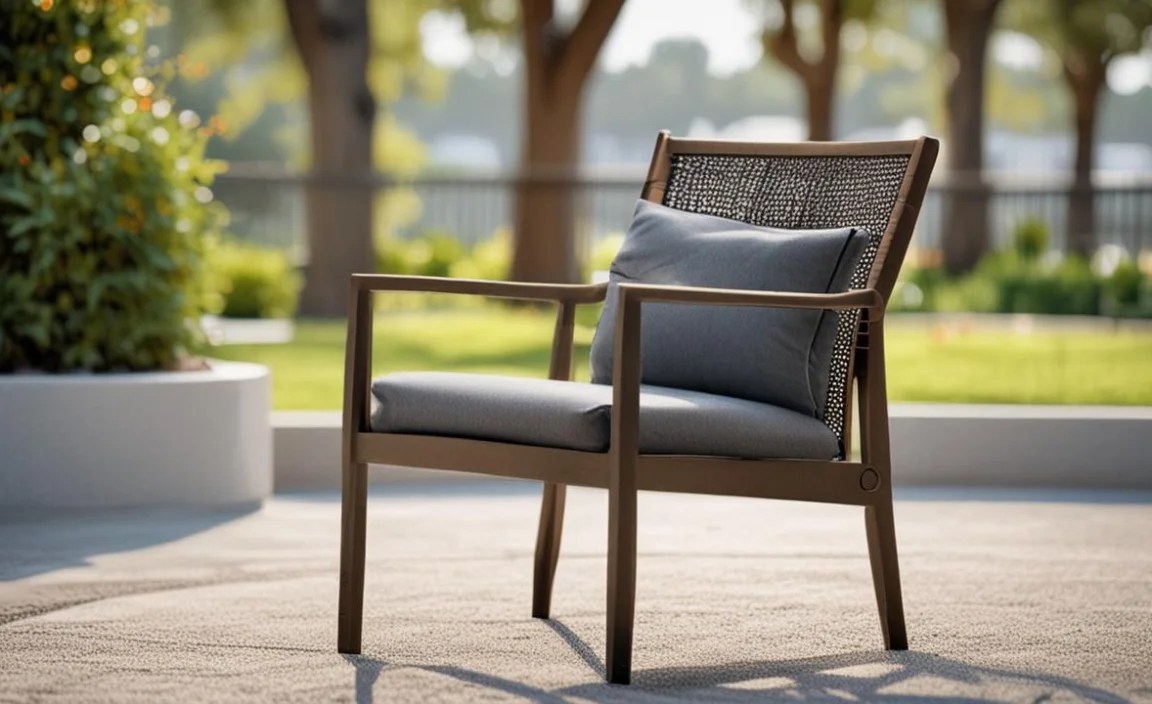
Ready to replace the webbing for outdoor furniture? Let’s go through the steps. First, remove the old webbing. Use a screwdriver and pliers to take out the staples. Be careful not to damage the frame. Next, measure and cut the new webbing. Use the old webbing as a template, or measure the frame. Add a few extra inches for wrapping around the frame. Now, attach the new webbing to the frame. Use a staple gun to secure it. Start at one end and work your way to the other. Pull the webbing tight as you go. This ensures a snug fit. Trim any excess webbing with scissors or a utility knife. Finally, inspect your work. Make sure all the staples are secure. And that the webbing is tight and even. You did it! Your furniture looks like new again. I remember the first time I replaced webbing. It was a little challenging, but I felt so proud when I was done.
- Remove the old webbing carefully.
- Measure and cut the new webbing.
- Attach the webbing with a staple gun.
- Pull the webbing tight as you go.
- Trim any excess webbing neatly.
- Inspect your work for tightness.
When attaching the webbing, start with the center. This helps keep the webbing even. Work your way out to the edges. Overlap the webbing slightly at the corners. This provides extra support. Use plenty of staples to secure the webbing. Space them about an inch apart. If the webbing starts to sag, stop and adjust it. You may need to pull it tighter. Or, you may need to add more staples. Don’t be afraid to ask for help if you get stuck. There are many online tutorials and videos that can guide you. Replacing webbing for outdoor furniture is a great way to save money. It’s also a fun DIY project. Plus, you get to enjoy your comfortable outdoor furniture again.
How to Get a Tight Webbing Fit
Getting a tight fit with webbing for outdoor furniture is important. Loose webbing is uncomfortable and doesn’t look good. The key is to pull the webbing tight as you staple it. Use one hand to hold the webbing in place. Use the other hand to operate the staple gun. Ask a friend to help you pull the webbing. This makes it easier to get a tight fit. Another trick is to use webbing stretchers. These tools help you pull the webbing evenly. They are especially useful for large pieces of furniture. Start by stapling the center of the webbing. Then, work your way out to the edges. This helps prevent wrinkles and bunching. Don’t be afraid to redo a section if it’s not tight enough. Remove the staples and start again. Practice makes perfect!
What to Do if the Webbing Sags
If your webbing for outdoor furniture starts to sag, don’t worry. You can usually fix it. First, check the staples. Make sure they are all secure. If some staples are loose, replace them. If the webbing is stretched out, you may need to replace it. Measure and cut new webbing. Then, follow the steps for replacing webbing. Sometimes, the frame of the furniture is damaged. This can cause the webbing to sag. If the frame is broken, you may need to repair it. You can use wood glue and clamps to fix small cracks. For larger damage, you may need to replace the frame. Preventing sagging is always better than fixing it. Choose high-quality webbing. Protect your furniture from the elements. And avoid sitting on the furniture too roughly.
Tips for Trimming Excess Webbing
Trimming excess webbing for outdoor furniture makes it look neat. Use sharp scissors or a utility knife. Be careful not to cut the stitching. Cut close to the staples, but not too close. You don’t want the webbing to unravel. A good trick is to use a lighter to seal the edges. This prevents fraying. Hold the flame close to the edge of the webbing. But don’t let it catch fire! Another option is to fold the edge of the webbing under. Then, staple it in place. This creates a clean, finished look. If you’re using vinyl webbing, you can use a hot knife to cut it. A hot knife melts the edges of the vinyl. This prevents it from fraying. Always wear gloves when using a utility knife or hot knife. And be careful not to cut yourself.
Fun Fact or Stat: Professional furniture repair shops often charge $50–$150 per chair for webbing replacement, making DIY a cost-effective option!
Different Types of Webbing Materials

There are many types of webbing for outdoor furniture. Each type has different qualities. Nylon webbing is strong and durable. It resists stretching and tearing. Polyester webbing is resistant to fading. It’s a good choice for sunny areas. Vinyl webbing is waterproof and easy to clean. It’s ideal for wet environments. Olefin webbing is also resistant to fading and moisture. It’s a good all-around choice. Polypropylene webbing is lightweight and affordable. It’s not as durable as other types. Cotton webbing is soft and comfortable. But it’s not very resistant to the elements. Choose the type of webbing that best suits your needs. Consider the climate, the furniture’s use, and your budget. I have a friend who used cotton webbing on her patio chairs. They looked great at first, but they quickly faded and rotted. She learned her lesson and switched to polyester webbing.
| Webbing Type | Pros | Cons | Best Use |
|---|---|---|---|
| Nylon | Strong, durable, resists stretching | Can fade in sunlight | High-use furniture |
| Polyester | Resists fading, good in sunlight | Not as strong as nylon | Sunny patios |
| Vinyl | Waterproof, easy to clean | Can crack in cold weather | Poolside furniture |
| Olefin | Resists fading and moisture | Not as strong as nylon | General outdoor use |
| Polypropylene | Lightweight, affordable | Not very durable | Low-cost furniture |
- Nylon is strong and resists stretching.
- Polyester resists fading in the sun.
- Vinyl is waterproof and easy to clean.
- Olefin resists fading and moisture.
- Polypropylene is lightweight and cheap.
- Cotton is soft but not weather-resistant.
Think about the look and feel of the webbing. Some webbing has a smooth, flat surface. Other webbing has a textured surface. Some webbing is stiff and rigid. Other webbing is soft and flexible. Consider how the webbing will feel against your skin. If you’re using the furniture for lounging, choose a soft, comfortable webbing. If you’re using the furniture for dining, choose a more durable webbing. You can also choose webbing with different patterns and colors. This allows you to customize the look of your furniture. Match the webbing to your existing decor. Or, create a bold, new look. The possibilities are endless. Choosing the right webbing for outdoor furniture is a fun and creative process.
Nylon vs. Polyester Webbing
Nylon and polyester are popular choices for webbing for outdoor furniture. Nylon is known for its strength. It can withstand a lot of wear and tear. Polyester is known for its resistance to fading. It holds its color even in direct sunlight. Both materials are relatively affordable. Nylon is slightly more expensive than polyester. Nylon is a good choice for furniture that gets a lot of use. Polyester is a good choice for furniture that is exposed to the sun. Consider the climate and the furniture’s use when choosing between nylon and polyester. I have a friend who used nylon webbing on her swing set. It has held up great, even with her kids swinging on it every day. Another friend used polyester webbing on her patio umbrella. It still looks new after several years in the sun.
Vinyl Webbing: Pros and Cons
Vinyl webbing for outdoor furniture is a popular choice for wet environments. It’s waterproof and easy to clean. This makes it ideal for poolside furniture. Vinyl webbing is also resistant to mold and mildew. It’s a good choice for humid climates. However, vinyl webbing can crack in cold weather. It’s not as durable as nylon or polyester. Vinyl webbing can also get hot in direct sunlight. This can make it uncomfortable to sit on. Consider the climate and the furniture’s use when choosing vinyl webbing. I have a friend who used vinyl webbing on her boat seats. They have held up great, even with constant exposure to water and sun. Another friend used vinyl webbing on her patio chairs. They cracked and split after a few winters.
Is Olefin Webbing a Good Choice?
Olefin webbing for outdoor furniture is a good all-around choice. It’s resistant to fading, moisture, and mildew. This makes it a good choice for most outdoor environments. Olefin webbing is also relatively affordable. It’s not as strong as nylon, but it’s durable enough for most uses. Olefin webbing is also easy to clean. You can simply wipe it down with soap and water. Consider the climate and the furniture’s use when choosing olefin webbing. I have a friend who used olefin webbing on her patio cushions. They have held up great, even with her kids spilling juice on them. Another friend used olefin webbing on her hammock. It’s comfortable and durable, even with frequent use.
Fun Fact or Stat: The first synthetic webbing material was invented in the 1930s and revolutionized furniture design!
Caring for Your Webbed Outdoor Furniture

Taking care of your webbing for outdoor furniture is important. It helps it last longer. Clean the webbing regularly with soap and water. Use a soft brush to scrub away dirt and grime. Rinse the webbing thoroughly with clean water. Allow it to air dry completely before using the furniture. Protect the webbing from the sun. Use covers or store the furniture in a shaded area. This prevents fading and damage. Avoid using harsh chemicals or abrasive cleaners. These can damage the webbing. Inspect the webbing regularly for signs of wear and tear. Replace any damaged webbing immediately. This prevents further damage to the furniture. Proper care and maintenance will keep your webbed furniture looking great for years to come. I always clean my patio furniture in the spring and fall. It makes a big difference in how it looks and feels.
- Clean the webbing regularly with soap and water.
- Protect the webbing from the sun.
- Avoid harsh chemicals and cleaners.
- Inspect the webbing for wear and tear.
- Replace damaged webbing quickly.
Consider using a protectant spray on your webbing. These sprays help repel water and stains. They also help protect the webbing from UV damage. Apply the spray according to the manufacturer’s instructions. Reapply the spray every few months. Store your furniture indoors during the winter months. This protects it from snow, ice, and cold temperatures. If you can’t store your furniture indoors, cover it with waterproof covers. Make sure the covers are breathable. This prevents moisture buildup. By following these tips, you can keep your webbing for outdoor furniture in good condition. You’ll enjoy your comfortable outdoor furniture for many years to come. My neighbor never covers her patio furniture. It always looks faded and worn. Mine still looks new because I take good care of it.
How Often Should You Clean Webbing?
Cleaning webbing for outdoor furniture regularly is important. How often should you do it? It depends on how often you use the furniture. It also depends on the environment. If you use the furniture frequently, clean it every few weeks. If you live in a dusty or polluted area, clean it more often. If you don’t use the furniture very often, clean it every few months. Always clean the webbing before storing it for the winter. This prevents mold and mildew from growing. Use a mild soap and water solution. Avoid harsh chemicals or abrasive cleaners. Rinse the webbing thoroughly with clean water. Allow it to air dry completely before using the furniture. I clean my patio furniture every month. It keeps it looking fresh and new.
Protecting Webbing from UV Damage
Protecting webbing for outdoor furniture from UV damage is important. The sun can fade the color and weaken the material. Use UV-resistant webbing. Polyester and olefin are good choices. Apply a UV protectant spray to the webbing. Reapply the spray every few months. Use covers to protect the furniture when it’s not in use. Store the furniture in a shaded area. Avoid placing the furniture in direct sunlight. I have a patio umbrella that protects my furniture from the sun. It makes a big difference in how long the webbing lasts. My friend’s furniture is always in direct sunlight. The webbing fades and cracks quickly.
Winter Storage Tips for Webbed Furniture
Storing webbed furniture properly in the winter is important. It protects it from damage. Clean the furniture thoroughly before storing it. Remove any dirt, leaves, or debris. Allow the furniture to dry completely. Store the furniture indoors if possible. A garage, shed, or basement is ideal. If you can’t store the furniture indoors, cover it with waterproof covers. Make sure the covers are breathable. This prevents moisture buildup. Elevate the furniture off the ground. This prevents moisture from seeping into the webbing. Inspect the furniture regularly during the winter. Check for signs of mold, mildew, or damage. I always store my patio furniture in my garage for the winter. It keeps it safe and dry.
Fun Fact or Stat: Regular cleaning can extend the life of your outdoor webbing by up to 50%!
Repairing Damaged Webbing vs. Replacing It
Sometimes, webbing for outdoor furniture gets damaged. Should you repair it or replace it? It depends on the extent of the damage. If the damage is minor, you can usually repair it. If the damage is severe, you should replace it. Small tears or holes can be patched with fabric glue or webbing patches. Loose staples can be replaced with a staple gun. Sagging webbing can be tightened by adding more staples. If the webbing is faded or stained, you can try cleaning it. If cleaning doesn’t work, you may need to replace it. If the webbing is cracked or brittle, you should replace it. It’s not safe to sit on damaged webbing. Replacing webbing is a relatively easy and affordable DIY project. I once tried to repair a large tear in my webbing. It looked terrible and didn’t last long. I should have just replaced it.
- Repair minor damage with fabric glue or patches.
- Replace loose staples with a staple gun.
- Tighten sagging webbing by adding staples.
- Clean faded or stained webbing.
- Replace cracked or brittle webbing.
Consider the cost of repairing the webbing. Sometimes, it’s more expensive to repair it than to replace it. Factor in the cost of materials and your time. Also, consider the appearance of the repaired webbing. Will it look as good as new? If not, it may be better to replace it. If you’re not comfortable repairing the webbing yourself, hire a professional. A furniture repair shop can repair or replace the webbing for you. Get a quote before hiring a professional. Make sure the cost is reasonable. Replacing webbing for outdoor furniture is a good way to extend the life of your furniture. It also makes it more comfortable and attractive.
When is Repairing Webbing a Good Idea?
Repairing webbing for outdoor furniture is a good idea for minor damage. Small tears, holes, or loose staples can often be repaired easily. Repairing is also a good idea if you’re on a tight budget. It’s usually cheaper to repair webbing than to replace it. If you’re handy and enjoy DIY projects, repairing webbing can be a fun challenge. Before repairing, assess the damage carefully. Make sure the damage is not too extensive. Make sure the webbing is not too old or brittle. If the webbing is in good condition overall, repairing it can be a good option. I once repaired a small tear in my patio umbrella with fabric glue. It was a quick and easy fix, and it saved me from having to buy a new umbrella.
When is Webbing Replacement Necessary?
Replacing webbing for outdoor furniture is necessary for severe damage. Large tears, cracks, or brittleness indicate it is time for replacement. If the webbing is faded, stained, or stretched out, replacement may also be necessary. If the webbing is no longer providing adequate support, it should be replaced. Safety is the most important consideration. Don’t sit on furniture with damaged webbing. It could collapse and cause injury. If you’re not sure whether to repair or replace the webbing, consult a professional. A furniture repair shop can assess the damage and give you advice. Replacing webbing is a great way to refresh the look of your outdoor furniture. It can also make it more comfortable and enjoyable.
Cost Comparison: Repair vs. Replace
The cost of repairing versus replacing webbing for outdoor furniture varies. Repairing webbing typically costs less. You’ll need fabric glue, patches, and staples. These items are relatively inexpensive. Replacing webbing costs more. You’ll need new webbing, a staple gun, and other tools. The cost of webbing depends on the material and quality. The cost of labor also varies. If you repair the webbing yourself, you’ll save money on labor. If you hire a professional, you’ll need to factor in their hourly rate. Get quotes from several furniture repair shops. Compare the costs of repairing and replacing the webbing. Choose the option that best fits your budget and needs. I got three different quotes before deciding to replace the webbing on my patio chairs. It was worth it to get a professional job.
Fun Fact or Stat: Repairing webbing can save up to 70% compared to the cost of full replacement, making it a budget-friendly option!
Summary
Webbing for outdoor furniture is important for comfort and style. Choosing the right type is key. Think about the material, color, and durability. Proper tools make replacement easier. A staple gun, measuring tape, and scissors are essential. Follow the steps carefully for a tight, even fit. Regular cleaning and care extend the webbing’s life. Soap, water, and protectant sprays help. Repair minor damage with patches or glue. Replace severely damaged webbing for safety. Consider the cost and appearance when deciding. With the right knowledge, your outdoor furniture will look great for years.
Conclusion
Replacing webbing for outdoor furniture is a great way to refresh your outdoor space. It is cheaper than buying new furniture. You can choose from many colors and styles. With the right tools, you can do it yourself. Proper care keeps your webbing looking great. Now go enjoy your comfy outdoor furniture!
Frequently Asked Questions
Question No 1: What is webbing for outdoor furniture?
Answer: Webbing for outdoor furniture is the material stretched across the frame of chairs, sofas, and other outdoor pieces. It provides support and comfort when you sit. Webbing comes in different materials, like nylon, polyester, and vinyl. Each material has its own benefits. Some are more resistant to sun, while others are better for wet conditions. Choosing the right webbing can make your outdoor furniture last longer and look better. It’s an easy way to fix saggy or broken chairs. It also allows you to customize the look of your patio or deck. With a little effort, you can keep your outdoor furniture in top shape.
Question No 2: How do I know when to replace my outdoor furniture webbing?
Answer: You’ll know it’s time to replace your outdoor furniture webbing when it starts to sag. Also, look for tears, cracks, or fading. If the webbing feels brittle or weak, it’s time to replace it. Sometimes, the webbing will simply come loose from the frame. This is another sign that it needs to be replaced. Ignoring these signs can lead to uncomfortable and unsafe furniture. Replacing the webbing is a simple and affordable way to extend the life of your outdoor furniture. It also ensures that your furniture looks its best. Check your webbing regularly for signs of wear and tear.
Question No 3: Can I use any type of webbing for outdoor furniture?
Answer: No, you can’t use just any type of webbing for outdoor furniture. You need to choose a material that is designed for outdoor use. Outdoor webbing is made to withstand the elements. It resists sun, rain, and temperature changes. Indoor webbing may not be as durable. It can fade, crack, or rot quickly. Common types of outdoor webbing include nylon, polyester, and vinyl. Each type has its own advantages. Consider the climate and how you use your furniture when choosing. Using the right webbing will ensure that your furniture lasts longer and stays comfortable. Always read the labels and choose webbing that is specifically designed for outdoor use. For example, webbing for outdoor furniture needs to be UV-resistant.
Question No 4: What tools do I need to replace outdoor furniture webbing?
Answer: To replace outdoor furniture webbing, you’ll need a few basic tools. A staple gun is essential for attaching the webbing to the frame. You’ll also need staples that are the right size for your staple gun. A screwdriver and pliers will help you remove the old staples. Measuring tape ensures accurate cuts. Scissors or a utility knife will cut the webbing. Safety glasses protect your eyes from flying staples. Gloves protect your hands. Having all these tools on hand will make the job easier and safer. You can find these tools at most hardware stores or online retailers. Also, make sure to choose the appropriate webbing for outdoor furniture.
Question No 5: How do I clean webbing on outdoor furniture?
Answer: Cleaning webbing on outdoor furniture is easy. Start by removing any loose dirt or debris with a brush or vacuum. Then, mix a mild soap with warm water. Use a soft cloth or sponge to scrub the webbing. Rinse the webbing thoroughly with clean water. Allow it to air dry completely before using the furniture. Avoid using harsh chemicals or abrasive cleaners. These can damage the webbing. For stubborn stains, you can try using a specialized outdoor furniture cleaner. Always test the cleaner in an inconspicuous area first. Regular cleaning will help keep your webbing looking its best. This will extend the life of your outdoor furniture. Proper cleaning also helps prevent mold and mildew growth on your webbing for outdoor furniture.
Question No 6: Can I change the color of my outdoor furniture webbing?
Answer: Yes, you can change the color of your outdoor furniture webbing. The easiest way is to replace the old webbing with new webbing in the color you want. This allows you to completely transform the look of your furniture. You can also try painting the webbing. However, painting may not be as durable as replacing it. Use a paint that is designed for outdoor use. Prepare the webbing by cleaning it thoroughly. Apply several thin coats of paint for best results. Remember that painting may affect the texture and feel of the webbing. Replacing the webbing for outdoor furniture ensures a long-lasting color change.
