Have you ever seen a cat outside in the snow? It might make you wonder what to do for outdoor cats in winter. Winter can be very hard for them. They need our help to stay safe and warm.
Imagine a little kitten all alone. The wind is blowing, and it’s very cold. You can help these cats! Learning what to do for outdoor cats in winter can save lives. Let’s find out how to keep them cozy.
Key Takeaways
- Always give outdoor cats fresh water that won’t freeze in the winter.
- Provide a safe and warm shelter so they can escape the cold weather.
- Increase their food portions, so they have extra energy to stay warm.
- Check your car before starting it to ensure no cats are hiding inside.
- Knowing what to do for outdoor cats in winter helps them survive.
Providing Shelter: What to Do?

One of the best things you can do is give them shelter. A simple shelter can be a lifesaver. You can use a plastic bin or a wooden box. Make sure it is big enough for a cat to turn around in. It should also be small enough to hold their body heat. Put straw inside for bedding. Straw is better than blankets. Blankets can get wet and freeze. Wet blankets make cats colder. Place the shelter in a quiet, safe spot. Keep it away from wind and rain. This will help keep the inside dry and warm. Make sure the entrance faces away from the wind. This way, the wind won’t blow directly inside. A good shelter is key to what to do for outdoor cats in winter.
- Use a plastic bin or wooden box.
- Make sure it’s big enough for one or two cats.
- Put straw inside for warm bedding.
- Place the shelter in a safe, quiet spot.
- Face the entrance away from the wind.
Remember, cats need a dry and warm place to escape the cold. A good shelter does just that. It protects them from wind, snow, and freezing temperatures. You can even insulate the shelter. Use materials like foam or bubble wrap. Place it between the box and an outer layer. This adds extra warmth. Check the shelter regularly to make sure it is dry. Replace the straw if it gets wet. Cats will be very grateful for a warm place to stay. Providing shelter is a big part of what to do for outdoor cats in winter.
Fun Fact or Stat: A cat’s normal body temperature is between 100.5 and 102.5 degrees Fahrenheit!
Why Is Shelter So Important?
Have you ever been outside when it’s freezing cold? Imagine not having a warm house to go to. That’s what it’s like for outdoor cats in winter. Shelters give them a place to get out of the cold. They help them conserve energy. This is super important for staying alive. Without shelter, cats can get hypothermia. Hypothermia is when their body temperature gets too low. It can be very dangerous. A good shelter can prevent this. It keeps them warm and safe. Giving cats shelter is one of the kindest things you can do. It shows them that you care. It makes a big difference in their lives.
How to Build a Simple Shelter
Building a cat shelter can be easy and fun. You don’t need to be a builder. A simple plastic bin can work great. Just make sure it’s clean and dry. Cut a hole in the side for the entrance. The hole should be big enough for a cat to get through. But not too big, or it will let in too much cold air. Line the inside with straw. Straw is warm and stays dry. Avoid using blankets. They can get wet and freeze. Place the shelter in a sheltered spot. Under a bush or near a fence is good. This will protect it from the wind. You can also weigh it down with a brick. This will keep it from blowing away.
Maintaining the Shelter
Keeping the shelter clean and dry is very important. Check it regularly, especially after it snows or rains. If the straw is wet, replace it with dry straw. Make sure the entrance is clear of snow. Cats need to be able to get in and out easily. You can also add a flap to the entrance. This will help keep the wind out. Use a piece of heavy fabric or plastic. Attach it to the top of the entrance. Make sure the cat can easily push it open. A well-maintained shelter can last all winter. It will provide a safe and warm place for cats to escape the cold.
Fresh Water Matters: What You Need

Water is very important for cats, even in winter. But water can freeze when it’s cold. This makes it hard for cats to stay hydrated. Dehydration can be very dangerous. So, what to do for outdoor cats in winter about water? You can use a heated water bowl. These bowls keep the water from freezing. You can also change the water often. This prevents ice from forming. Place the water bowl near the shelter. This makes it easy for cats to find it. Make sure the bowl is clean. Dirty water can make cats sick. Fresh, unfrozen water is essential for their health. It helps them stay strong and healthy all winter long.
- Use a heated water bowl to prevent freezing.
- Change the water frequently.
- Place the bowl near the shelter.
- Keep the water bowl clean.
- Break the ice on the water bowl regularly.
When water freezes, cats can’t drink it. They need water to stay healthy. Just like us, cats can get dehydrated. Dehydration can lead to serious health problems. It can make them weak and sick. A heated water bowl is a great solution. It keeps the water liquid, even when it’s freezing. If you don’t have a heated bowl, change the water several times a day. This will prevent ice from forming. You can also use a deep bowl. Deep bowls take longer to freeze. Always make sure the water is fresh and clean. This will encourage cats to drink. Staying hydrated is a vital part of what to do for outdoor cats in winter.
Fun Fact or Stat: Cats need about 3.5 to 4.5 ounces of water per 5 pounds of body weight each day!
Why Is Water So Important?
Imagine trying to live outside in the winter without any water. It would be very hard, right? Cats need water for all sorts of things. It helps their bodies work properly. It keeps their organs healthy. It also helps them stay warm. When cats are dehydrated, they can’t regulate their body temperature. This makes them more likely to get hypothermia. Water also helps them digest their food. Without enough water, they can get constipated. So, make sure to provide fresh, unfrozen water for outdoor cats. It’s one of the most important things you can do to help them survive the winter.
Different Types of Water Bowls
There are many different types of water bowls you can use for outdoor cats. Heated water bowls are the best option. They keep the water from freezing, even in very cold temperatures. You can find them at most pet stores. Another option is a ceramic bowl. Ceramic bowls take longer to freeze than plastic bowls. You can also try using a solar-powered water bowl. These bowls use the sun’s energy to keep the water warm. No matter what type of bowl you choose, make sure it is clean and sturdy. You don’t want it to tip over easily.
How to Keep Water from Freezing
Even if you don’t have a heated water bowl, there are still ways to keep water from freezing. One trick is to place the bowl in a sunny spot. The sun’s warmth will help keep the water liquid. You can also add a ping pong ball to the bowl. The movement of the ball will help prevent ice from forming. Another idea is to use a thermal bowl cover. These covers insulate the bowl and keep the water warmer. You can also try using a larger bowl. Larger bowls take longer to freeze. No matter what method you use, check the water frequently. Break any ice that forms and add fresh water.
Extra Food for Energy: How Much?
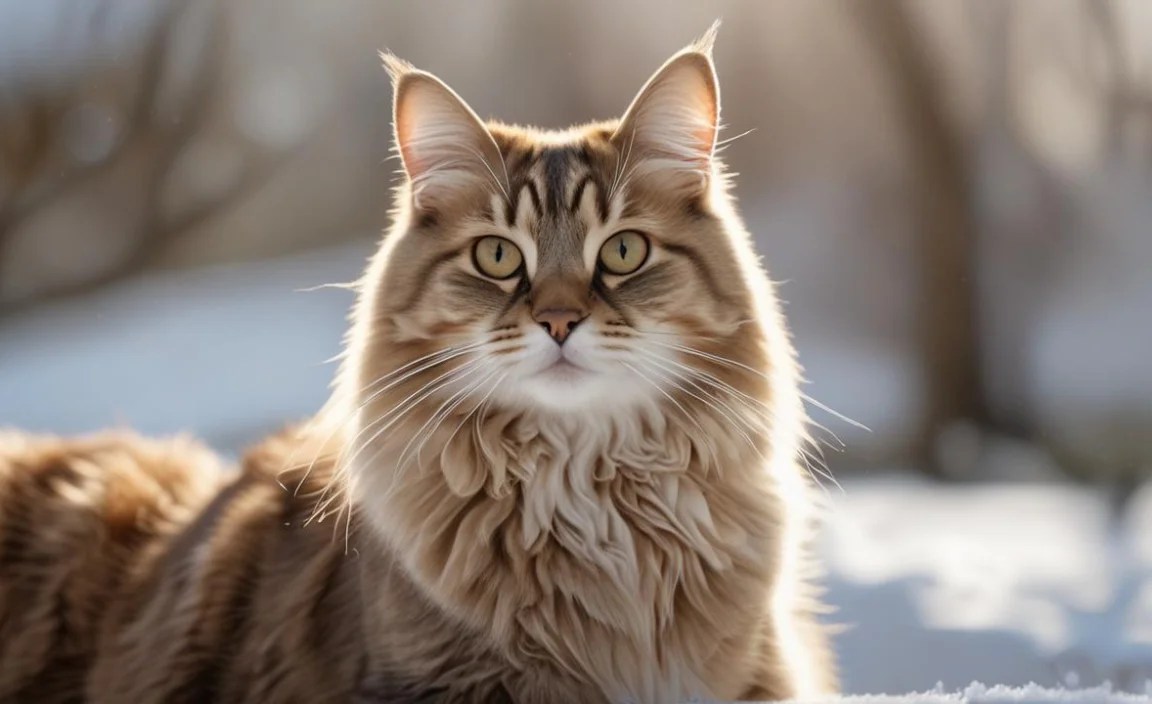
Cats need more food in the winter. Staying warm takes a lot of energy. They burn extra calories to keep their body temperature up. So, what to do for outdoor cats in winter about food? Give them extra food. Increase their portions by about 25%. This will give them the extra energy they need. Choose a high-quality cat food. Look for food that is high in protein and fat. These nutrients provide the most energy. Feed them at the same time each day. This helps them know when to expect food. Place the food near the shelter. This makes it easy for them to find it. Make sure the food doesn’t freeze. Frozen food is hard to eat.
- Increase their food portions by 25%.
- Choose high-quality cat food.
- Feed them at the same time each day.
- Place the food near the shelter.
- Make sure the food doesn’t freeze.
- Provide both wet and dry food.
Providing extra food is crucial for outdoor cats in winter. They need the extra calories to stay warm and healthy. Think of it like fueling a car. The car needs more gas to drive in the snow. Cats need more food to stay warm in the cold. A good diet helps them maintain their body weight. It also strengthens their immune system. This helps them fight off diseases. Make sure the food is easily accessible. Clear away any snow or ice around the feeding area. This will make it easier for them to reach the food. Remember, a well-fed cat is a warmer cat. This is a key part of what to do for outdoor cats in winter.
Fun Fact or Stat: Cats can sleep up to 16 hours a day, which helps them conserve energy!
Why Do Cats Need More Food?
Have you ever noticed how you feel hungrier when it’s cold? Cats are the same way. Their bodies have to work harder to stay warm. This means they burn more calories. Calories are like fuel for their bodies. They need that fuel to keep their body temperature up. If they don’t get enough food, they can lose weight. They can also become weak and sick. Providing extra food helps them stay strong and healthy. It gives them the energy they need to survive the winter. Think of it as giving them a warm blanket from the inside out.
Best Types of Food for Winter
Not all cat food is created equal. Some foods are better for winter than others. Look for foods that are high in protein and fat. Protein helps build and repair tissues. Fat provides a concentrated source of energy. Wet food can also be a good option. It helps keep cats hydrated. But it can freeze in very cold temperatures. Dry food is less likely to freeze. Mix wet and dry food to give them the best of both worlds. Avoid foods that are high in carbohydrates. Carbohydrates don’t provide as much energy as protein and fat.
How to Keep Food from Freezing
Keeping food from freezing can be a challenge. Especially when temperatures drop below freezing. One trick is to feed them smaller portions more frequently. This way, the food doesn’t sit out for long. You can also use a heated food bowl. These bowls keep the food warm and prevent it from freezing. Another idea is to place the food in a sheltered spot. Under a bush or near a fence is good. This will protect it from the wind and snow. You can also try using a thermal food cover. These covers insulate the bowl and keep the food warmer.
Checking Your Car: A Safe Practice

Cats often seek warmth under cars. The engine stays warm for a while after you turn it off. This can be a dangerous place for cats. They can get injured or even killed when you start the car. So, what to do for outdoor cats in winter to keep them safe? Always check under your car before starting it. Bang on the hood or honk the horn. This will scare away any cats that might be hiding there. Wait a few minutes before starting the engine. This gives them time to escape. Tell your neighbors to do the same. Together, you can help keep cats safe.
- Bang on the hood of your car before starting it.
- Honk the horn to scare away any cats.
- Wait a few minutes before starting the engine.
- Check the wheel wells for hiding cats.
- Tell your neighbors to check their cars too.
Cars can be very dangerous for outdoor cats in winter. The warm engine attracts them. They seek shelter from the cold. But this can put them in harm’s way. When you start the car, they can get caught in the engine. They can also get burned by the hot exhaust. Checking your car is a simple way to prevent accidents. It takes just a few seconds. But it can save a cat’s life. Make it a habit to check every time you get in your car. This is an important part of what to do for outdoor cats in winter.
Fun Fact or Stat: Cats are most active at dawn and dusk, so be extra careful when starting your car at these times!
Why Do Cats Hide Under Cars?
Have you ever wondered why cats hide under cars? It’s all about warmth. The engine stays warm for a while after the car is turned off. This creates a cozy spot for cats to escape the cold. They can snuggle up near the engine and stay warm. Cars also provide shelter from the wind and snow. The underside of the car is protected from the elements. This makes it a comfortable place for cats to rest. They may also feel safer under a car. It provides a hiding place from predators.
How to Check Your Car Safely
Checking your car for cats is easy. But it’s important to do it safely. Start by banging on the hood of the car. This will make a loud noise and scare away any cats. You can also honk the horn. The loud noise will have the same effect. Wait a few minutes before starting the engine. This gives the cats time to escape. Check the wheel wells for hiding cats. They may be tucked away in these spots. If you see a cat, don’t try to grab it. This could scare it and make it run into danger. Instead, gently encourage it to come out.
Educating Others About Car Safety
It’s not enough to just check your own car. You need to educate others about the dangers of cars. Tell your neighbors about the importance of checking their cars. Share information on social media. Put up posters in your neighborhood. The more people who know about this issue, the better. You can also contact local animal shelters. They can help spread the word. Together, you can make a big difference. You can help keep cats safe from harm. Remember, every little bit helps.
Creating a Feeding Station: Protect Food
A feeding station can protect food from the weather. It can also keep other animals away. This ensures that the cats get the food they need. So, what to do for outdoor cats in winter to create a good feeding station? Use a large plastic bin or a wooden box. Cut a hole in the side for the cats to enter. Make sure the hole is big enough for them to fit through. But not too big, or it will let in the wind and snow. Place the food inside the feeding station. This will keep it dry and protected. You can also add a roof to the feeding station. This will provide extra protection from the elements.
- Use a large plastic bin or wooden box.
- Cut a hole in the side for cats to enter.
- Place the food inside the station.
- Add a roof for extra protection.
- Keep the feeding station clean.
A good feeding station is essential for providing food in winter. It keeps the food dry and prevents it from freezing. It also keeps other animals from stealing the food. This ensures that the cats get the nutrition they need. You can make a simple feeding station out of a plastic bin. Just cut a hole in the side and add a roof. You can also buy pre-made feeding stations at pet stores. Choose a location that is sheltered from the wind and snow. This will help keep the feeding station dry and warm. This is a key aspect of what to do for outdoor cats in winter.
Fun Fact or Stat: A well-designed feeding station can also help you monitor how much food the cats are eating!
Why Use a Feeding Station?
Have you ever put out food for cats, only to have it eaten by other animals? This is a common problem. Feeding stations can help solve this issue. They provide a protected space for cats to eat. Other animals, like birds and squirrels, can’t get to the food. This ensures that the cats get the food they need. Feeding stations also protect the food from the weather. Rain and snow can spoil the food. This makes it unappetizing for cats. A feeding station keeps the food dry and fresh.
Different Types of Feeding Stations
There are many different types of feeding stations you can use. A simple plastic bin with a hole cut in the side works well. You can also use a wooden box. For a more elaborate feeding station, you can build a small shelter. This will provide even more protection from the weather. You can also buy pre-made feeding stations at pet stores. These are often made of durable materials and designed to withstand the elements. Choose a feeding station that is appropriate for your needs and budget.
Maintaining the Feeding Station
Keeping the feeding station clean is very important. Food scraps can attract pests. They can also spoil and become unhygienic. Clean the feeding station regularly with soap and water. Remove any uneaten food. Make sure the feeding station is dry. Wet food can attract bacteria. You can also use a disinfectant to kill germs. Check the feeding station for damage. Repair any cracks or holes. A well-maintained feeding station will provide a safe and clean place for cats to eat.
Community Support: Working Together
Helping outdoor cats is often a community effort. Many people care about these animals. Working together can make a big difference. So, what to do for outdoor cats in winter as a community? You can share resources and information. You can also coordinate efforts. For example, you can set up a feeding schedule. This ensures that the cats are fed regularly. You can also work together to build shelters. The more people who help, the more cats you can reach. Contact local animal shelters and rescue groups. They can provide valuable support and guidance.
- Share resources and information with neighbors.
- Coordinate feeding schedules.
- Work together to build shelters.
- Contact local animal shelters and rescue groups.
- Report any sick or injured cats to animal control.
Community support is crucial for helping outdoor cats. One person can only do so much. But when everyone works together, amazing things can happen. You can create a network of people who care about these animals. You can share the responsibility of feeding and caring for them. You can also educate others about the importance of helping outdoor cats. Together, you can make a big difference in their lives. This collaborative approach is vital to what to do for outdoor cats in winter.
Fun Fact or Stat: Community cat programs can significantly reduce the number of stray cats through spaying and neutering!
Why Is Community Support Important?
Have you ever tried to do something big all by yourself? It can be tough, right? Helping outdoor cats is a big job. It requires a lot of time, effort, and resources. That’s why community support is so important. When everyone works together, the burden is shared. This makes it easier to care for the cats. It also allows you to reach more cats. You can pool your resources and provide better care. Community support also creates a sense of camaraderie. It feels good to work together towards a common goal.
How to Get Your Community Involved
Getting your community involved can be easier than you think. Start by talking to your neighbors. Let them know that you are helping outdoor cats. Ask if they would like to help. You can also post flyers in your neighborhood. Announce a meeting to discuss how to help the cats. Contact local animal shelters and rescue groups. They can help you organize your efforts. Use social media to spread the word. Create a Facebook group or a Twitter account. This will help you connect with other people who care about cats.
Working with Animal Shelters
Animal shelters are valuable resources for helping outdoor cats. They can provide food, supplies, and medical care. They can also help you trap, neuter, and return (TNR) cats. TNR is a humane way to control the cat population. It involves trapping the cats, spaying or neutering them, and then returning them to their outdoor homes. This prevents them from having more kittens. Animal shelters can also help you find homes for adoptable cats. They can screen potential adopters and ensure that the cats go to good homes.
Trap-Neuter-Return (TNR): A Long-Term Solution
Trap-Neuter-Return (TNR) is a humane way to control the cat population. It involves trapping cats, spaying or neutering them, and then returning them to their outdoor homes. This prevents them from having more kittens. TNR can also improve the health and well-being of cats. Spayed and neutered cats are less likely to fight and roam. They are also less likely to develop certain diseases. So, what to do for outdoor cats in winter as part of a TNR program? Provide them with food, water, and shelter. This will help them stay healthy and comfortable.
| Feature | TNR | Traditional Shelter |
|---|---|---|
| Population Control | Reduces breeding | Often euthanizes |
| Cat Welfare | Improves health | Can be stressful |
| Cost-Effective | Lower long-term costs | Higher operational costs |
| Community Impact | Reduces nuisance behaviors | May not address root causes |
- Trap cats using humane traps.
- Take them to a veterinarian to be spayed or neutered.
- Return them to their outdoor homes.
- Provide them with food, water, and shelter.
- Monitor their health and well-being.
TNR is a long-term solution to the problem of outdoor cats. It is more effective than simply removing cats from the streets. When cats are removed, other cats often move in to take their place. This is known as the “vacuum effect.” TNR prevents this from happening. It also improves the lives of the cats who are already living outdoors. Spayed and neutered cats are healthier and happier. TNR is a compassionate and effective way to manage the cat population. This is a significant contribution to what to do for outdoor cats in winter and year-round.
Fun Fact or Stat: TNR programs have been shown to reduce feral cat populations by as much as 50% over several years!
Why Is TNR Important?
Have you ever seen a litter of kittens born outside? It can be heartbreaking. Many of these kittens don’t survive. They are vulnerable to disease, predators, and the elements. TNR prevents these kittens from being born. It also improves the lives of the adult cats. Spayed and neutered cats are less likely to suffer from certain health problems. They are also less likely to get into fights. TNR is a humane way to control the cat population. It is a win-win for both cats and communities.
How to Get Involved in TNR
Getting involved in TNR is a great way to help outdoor cats. Contact your local animal shelter or rescue group. They can provide you with training and equipment. You will need to learn how to trap cats safely and humanely. You will also need to learn how to care for them after they have been spayed or neutered. Many organizations offer TNR workshops. These workshops will teach you everything you need to know. You can also volunteer your time to help with TNR efforts.
The Benefits of TNR for Cats and Communities
TNR benefits both cats and communities. For cats, it improves their health and well-being. It reduces their risk of disease and injury. For communities, it reduces the number of cats on the streets. It also reduces nuisance behaviors, such as fighting and spraying. TNR is a cost-effective solution. It is cheaper than repeatedly removing cats from the streets. TNR is a humane and effective way to manage the cat population. It is a valuable tool for creating a more compassionate community.
Summary
Helping outdoor cats in winter is important. They need our help to survive the cold. We can provide shelter, food, and water. Shelters protect them from the wind and snow. Extra food gives them energy to stay warm. Fresh water prevents dehydration. Checking your car is a simple way to prevent accidents. Creating a feeding station protects food from the weather. Community support allows us to do more together. Trap-Neuter-Return (TNR) is a long-term solution to control the cat population. Knowing what to do for outdoor cats in winter can save lives.
Remember, even small actions can make a big difference. You can build a simple shelter out of a plastic bin. You can put out a bowl of fresh water. You can check your car before starting it. Every little bit helps. By working together, we can create a more compassionate world for outdoor cats. Learning what to do for outdoor cats in winter helps you contribute to their well-being.
Conclusion
Winter is a tough time for outdoor cats. They need our help to stay safe and warm. Providing shelter, food, and water is crucial. Checking your car can prevent accidents. Community support allows us to do more together. Trap-Neuter-Return (TNR) is a long-term solution. Even small actions can make a big difference. When we work together, we can create a better world for these animals. Understanding what to do for outdoor cats in winter helps us make a positive impact on their lives.
Frequently Asked Questions
Question No 1: What is the most important thing to do for outdoor cats in winter?
Answer: The most important thing is to provide shelter. A simple shelter can protect cats from the wind, snow, and freezing temperatures. You can use a plastic bin or a wooden box. Make sure it is big enough for a cat to turn around in. Put straw inside for bedding. Place the shelter in a quiet, safe spot. This will help keep the inside dry and warm. Shelter is the foundation for what to do for outdoor cats in winter to help them survive. Without shelter, they are very vulnerable to the elements.
Question No 2: How often should I feed outdoor cats in winter?
Answer: You should feed them at least once a day. But twice a day is even better. Cats need more food in the winter to stay warm. Increase their portions by about 25%. Choose a high-quality cat food that is high in protein and fat. These nutrients provide the most energy. Feed them at the same time each day. This helps them know when to expect food. Make sure the food doesn’t freeze. Frozen food is hard to eat. Consistent feeding is essential to what to do for outdoor cats in winter.
Question No 3: How can I keep water from freezing for outdoor cats?
Answer: There are several ways to keep water from freezing. You can use a heated water bowl. These bowls keep the water liquid, even when it’s freezing. You can also change the water often. This prevents ice from forming. Place the water bowl near the shelter. This makes it easy for cats to find it. Make sure the bowl is clean. Dirty water can make cats sick. Adding a ping pong ball to the water can also help prevent freezing by keeping the water moving. These steps are a crucial aspect of what to do for outdoor cats in winter.
Question No 4: Is it safe for cats to sleep under cars in winter?
Answer: No, it is not safe. Cats can get injured or even killed when you start the car. Always check under your car before starting it. Bang on the hood or honk the horn. This will scare away any cats that might be hiding there. Wait a few minutes before starting the engine. This gives them time to escape. Tell your neighbors to do the same. Cars are a dangerous but tempting spot, making car checks a vital part of what to do for outdoor cats in winter.
Question No 5: What is Trap-Neuter-Return (TNR)?
Answer: Trap-Neuter-Return (TNR) is a humane way to control the cat population. It involves trapping cats, spaying or neutering them, and then returning them to their outdoor homes. This prevents them from having more kittens. TNR can also improve the health and well-being of cats. Spayed and neutered cats are less likely to fight and roam. They are also less likely to develop certain diseases. TNR is a long-term solution that benefits both cats and communities. While not immediately related to winter, it’s a long-term strategy of what to do for outdoor cats in winter.
Question No 6: How can I get my community involved in helping outdoor cats?
Answer: Start by talking to your neighbors. Let them know that you are helping outdoor cats. Ask if they would like to help. You can also post flyers in your neighborhood. Announce a meeting to discuss how to help the cats. Contact local animal shelters and rescue groups. They can help you organize your efforts. Use social media to spread the word. Create a Facebook group or a Twitter account. This will help you connect with other people who care about cats. Remember, collective action enhances what to do for outdoor cats in winter.
