Have you ever seen a butterfly in your yard? What about a busy bee buzzing around? These creatures help our world. They need safe places to live. That’s where wildlife friendly gardening comes in. It’s a fun way to help animals and make your yard beautiful!
Imagine your yard as a tiny park for animals. You can plant flowers for bees. You can put out water for birds. Even a small change can make a big difference. Are you ready to learn how?
Wildlife friendly gardening is not hard. It’s about making smart choices. These choices help animals find food and shelter. It also makes your garden healthy. Plus, it’s a great way to learn about nature. Let’s explore some easy steps you can take today.
Key Takeaways
- Wildlife friendly gardening gives animals food and safe homes in your yard.
- Plant native plants because local wildlife knows them well.
- Provide fresh water sources, like bird baths, for animals to drink.
- Avoid using harmful chemicals that can hurt wildlife in your garden.
- Create shelters like brush piles or bee houses to protect wildlife.
What is Wildlife Friendly Gardening?

Wildlife friendly gardening means creating a space that helps local animals. It’s about making your garden a safe and welcoming place for them. This includes providing food, water, and shelter. It also means avoiding things that can harm them, like pesticides. When you garden with wildlife in mind, you’re helping the environment. You’re also getting to enjoy seeing more animals in your yard. Think of it as building a tiny hotel for bees, birds, and butterflies. Your garden becomes a haven where they can thrive. This makes your outdoor space more lively and interesting. It’s also a fun project you can do with your family.
- Provide food sources like native plants.
- Offer fresh water in a bird bath or small pond.
- Create shelter with trees, shrubs, and brush piles.
- Avoid using pesticides and herbicides.
- Leave leaf litter for insects to overwinter.
Creating a wildlife-friendly garden doesn’t have to be complicated. Start small by adding a bird feeder or planting a few native flowers. Observe what animals visit your yard and try to provide what they need. Over time, you can expand your efforts and create a more complex habitat. Remember, every little bit helps. You’ll be amazed at the positive impact you can have. Not only will your garden be more beautiful, but you’ll also be contributing to the well-being of local wildlife. It’s a rewarding experience that connects you with nature.
Fun Fact or Stat: Did you know that native plants are four times more attractive to native bees than non-native plants?
Why Choose Native Plants?
Have you ever wondered why some plants attract more butterflies than others? Native plants are the key! These plants have grown in your area for a long time. Local wildlife has adapted to use them for food and shelter. When you plant native species, you’re giving animals what they naturally need. Think of it like offering them their favorite meal. Non-native plants might look pretty, but they often don’t provide the same benefits. They can even become invasive, taking over and harming native ecosystems. Native plants support a wide range of insects, birds, and other animals. They also require less water and fertilizer once established.
How Do Brush Piles Help?
Imagine you’re a small animal looking for a safe place to hide. Where would you go? A brush pile can be the perfect answer! These piles of branches and leaves offer shelter from predators and harsh weather. They also provide nesting sites for birds and small mammals. Many insects also use brush piles to overwinter. Creating a brush pile is easy. Simply pile up fallen branches and leaves in a corner of your yard. Make sure the pile is stable and won’t collapse. Over time, the brush pile will decompose, enriching the soil and providing even more habitat. It’s a simple way to support wildlife.
What About Water Sources?
Water is essential for all living things. Providing a water source in your garden can attract a variety of animals. Birds need water for drinking and bathing. Bees need water to cool their hives and make honey. Even butterflies need water to dissolve minerals from mud puddles. A simple bird bath is an easy way to provide water. Make sure to clean it regularly to prevent the spread of disease. You can also create a small pond or install a water feature. The sound of running water can be very attractive to wildlife. Remember to keep the water shallow enough for small animals to access it safely.
Selecting the Right Native Plants
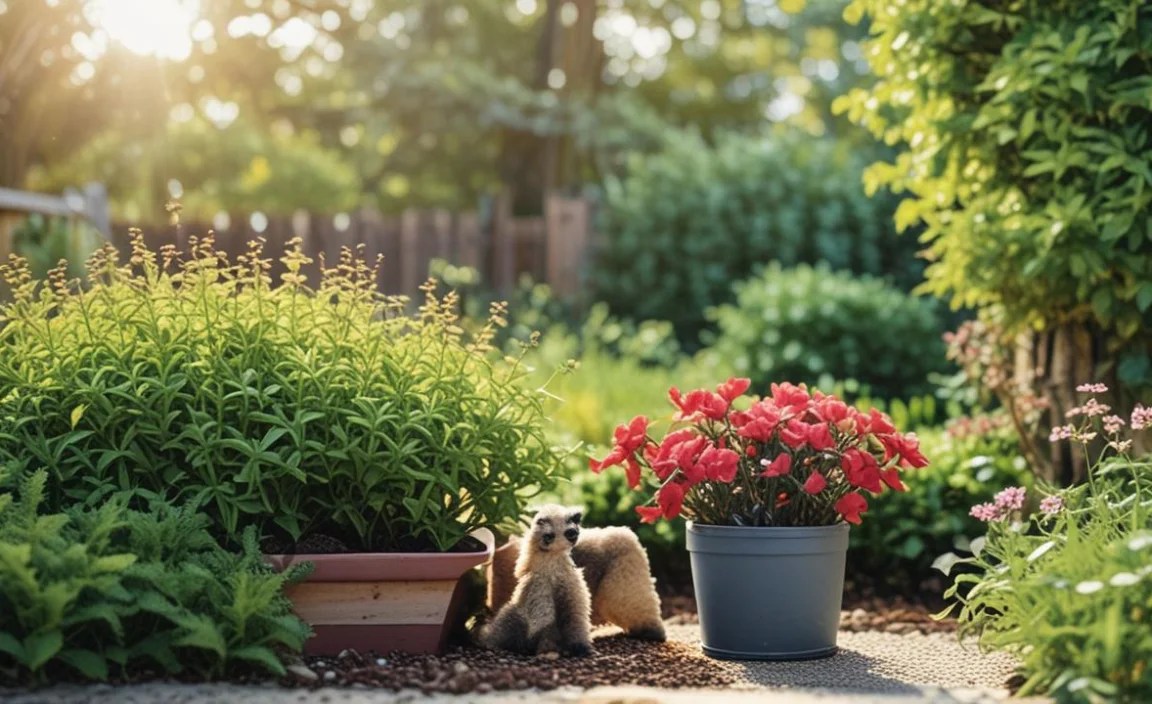
Choosing the right native plants is key for wildlife friendly gardening. Native plants are plants that naturally grow in your area. They are adapted to the local climate and soil conditions. This means they require less water and fertilizer than non-native plants. Native plants also provide food and shelter for local wildlife. When selecting native plants, consider the specific needs of the animals you want to attract. For example, butterflies need nectar-rich flowers for food. Birds need berries and seeds. Caterpillars need specific host plants to feed on. Research the native plants in your area and choose a variety that will benefit a wide range of wildlife. You can find information from local nurseries, conservation organizations, and online resources.
- Research native plants for your region.
- Choose plants that provide food and shelter.
- Consider bloom times for continuous resources.
- Select plants that attract specific wildlife.
- Group plants together for visual impact.
- Ensure plants are suited to your soil type.
When you’re at the garden center, it’s easy to be drawn to colorful, exotic plants. However, remember that native plants are the foundation of a healthy wildlife garden. They are the ones that will truly support the local ecosystem. Look for plants that are labeled as “native” or “locally sourced.” Ask the staff at the garden center for recommendations. By choosing native plants, you’re making a positive impact on the environment. You’re also creating a beautiful and sustainable garden that you can enjoy for years to come. You will be providing a vital resource for wildlife in your area.
Fun Fact or Stat: Some native plants can attract up to 10 times more pollinators than non-native plants!
How to Research Native Plants
Finding the right native plants can feel like a treasure hunt! Start by checking with your local native plant society. They often have lists of plants that thrive in your area. Your local library is another great resource. Look for books about gardening with native plants. Many online databases can also help. These databases allow you to search for plants by region and habitat. Don’t be afraid to ask for help at your local garden center. They can often provide valuable advice. Remember to consider your soil type and sunlight exposure when choosing plants. This will ensure they thrive in your garden.
What Are Host Plants?
Have you ever noticed caterpillars munching on leaves? These caterpillars are eating host plants. Host plants are plants that caterpillars need to survive. Butterflies lay their eggs on these plants. When the eggs hatch, the caterpillars have a ready source of food. Without host plants, many butterflies would not be able to reproduce. Some popular host plants include milkweed for monarch butterflies and parsley for swallowtail butterflies. Planting host plants is a great way to support butterfly populations. It’s also fascinating to watch the caterpillars grow and transform into butterflies. You will be amazed at what you discover.
Why is Soil Type Important?
Imagine trying to build a house on sand. It wouldn’t be very stable, would it? The same is true for plants. They need the right kind of soil to thrive. Some plants prefer sandy soil, while others prefer clay soil. Knowing your soil type is important for choosing the right plants. You can test your soil using a soil testing kit. These kits are available at most garden centers. You can also send a soil sample to a lab for testing. Once you know your soil type, you can choose plants that are well-suited to it. This will help them grow strong and healthy. It will also create a thriving garden.
Creating Shelter for Wildlife

Shelter is very important for animals. They need safe places to hide from predators and the weather. Wildlife friendly gardening includes creating these shelters. You can do this in many ways. Trees and shrubs provide cover for birds and small mammals. Brush piles offer shelter for insects and other invertebrates. You can also build or buy birdhouses and bee houses. These structures provide nesting sites for specific species. When designing your wildlife garden, think about the different types of shelter that animals need. Provide a variety of options to attract a wide range of species. Remember to place shelters in safe and protected areas of your yard.
- Plant trees and shrubs for cover.
- Create brush piles from fallen branches.
- Build or buy birdhouses and bee houses.
- Leave dead trees standing (if safe).
- Provide rock piles for reptiles and amphibians.
Creating shelter for wildlife is not just about providing a place to hide. It’s also about creating a sense of security. Animals are more likely to visit your garden if they feel safe and protected. Avoid disturbing shelter areas as much as possible. Leave brush piles undisturbed over the winter. Don’t prune trees and shrubs during nesting season. By respecting the needs of wildlife, you can create a thriving habitat in your backyard. You will enjoy watching animals use the shelters you’ve provided. It’s a rewarding experience that connects you with nature. It also helps you learn more about animal behavior.
Fun Fact or Stat: A single brush pile can provide shelter for over 100 different species of insects!
How to Build a Brush Pile
Building a brush pile is like creating a cozy apartment building for critters. Start by gathering fallen branches and leaves. You can also add grass clippings and other yard waste. Choose a location in a quiet corner of your yard. Avoid placing the brush pile near your house or other structures. Start with a base of larger branches. Then, add smaller branches and leaves on top. Make sure the pile is stable and won’t collapse. Over time, the brush pile will decompose, creating a rich habitat for insects and other invertebrates. It’s a simple way to support wildlife and recycle yard waste.
Why Leave Dead Trees Standing?
Have you ever seen a woodpecker pecking at a dead tree? These trees are called snags. They are valuable habitat for many species. Woodpeckers use snags for nesting and foraging. Other birds, like owls and bluebirds, also use snags for nesting. Insects and other invertebrates live in the decaying wood. If you have a dead tree in your yard, consider leaving it standing (if it’s safe). You can also create a snag by cutting off the top of a tree. This will provide habitat for wildlife while also preventing the tree from falling. Be sure to consult with an arborist before creating a snag.
What Makes a Good Birdhouse?
A birdhouse is like a tiny home for birds. It provides a safe place for them to nest and raise their young. A good birdhouse should be the right size for the species you want to attract. It should also have a hole that is the right size. This will prevent larger birds from taking over the nest. The birdhouse should be made of durable materials. Cedar and redwood are good choices because they are resistant to rot. The birdhouse should also be easy to clean. This will help prevent the spread of disease. Place the birdhouse in a safe and protected location.
Providing Water Sources for Wildlife

Water is essential for all living things. Animals need water to drink, bathe, and cool off. Wildlife friendly gardening includes providing water sources. A simple bird bath is an easy way to provide water for birds. Make sure to clean it regularly to prevent the spread of disease. You can also create a small pond or install a water feature. These features can attract a wider range of wildlife. Remember to keep the water shallow enough for small animals to access it safely. You can also add rocks or logs to provide easy access. Consider adding a drip system or a fountain to keep the water moving. This will help prevent mosquitoes from breeding.
- Provide a bird bath for birds to drink.
- Create a small pond for amphibians.
- Install a water feature to attract wildlife.
- Keep water shallow and accessible.
- Clean water sources regularly.
Providing water for wildlife is especially important during dry periods. When water is scarce, animals may struggle to find enough to drink. By providing a reliable water source, you can help them survive. You can also observe the animals that visit your water source. This is a great way to learn about local wildlife. You might be surprised by the variety of creatures that come to your garden for a drink. Remember to provide water year-round, even in the winter. You can use a heated bird bath to prevent the water from freezing. You will be helping the animals survive.
Fun Fact or Stat: Birds need to drink at least twice a day to stay hydrated!
How to Choose a Bird Bath
Choosing the right bird bath is like picking the perfect swimming pool for birds. Look for a bird bath that is shallow and has a rough surface. This will make it easier for birds to grip and prevent them from slipping. The bird bath should also be easy to clean. Choose a bird bath that is made of durable materials. Concrete and ceramic are good choices. Avoid bird baths that are made of plastic, as they can crack in cold weather. Place the bird bath in a shady location to keep the water cool. Be sure to clean the bird bath regularly to prevent the spread of disease.
Why Create a Pond?
Have you ever dreamed of having a pond in your backyard? A pond is like a miniature ecosystem. It provides habitat for a wide range of wildlife. Frogs, toads, and salamanders need ponds to breed. Dragonflies and damselflies lay their eggs in ponds. Birds use ponds for drinking and bathing. Creating a pond is a great way to attract wildlife to your garden. You can dig a pond yourself or buy a pre-formed pond liner. Be sure to include shallow areas and rocks for animals to access the water. Plant native aquatic plants around the edge of the pond.
What is a Drip System?
A drip system is like a slow-motion sprinkler for wildlife. It provides a constant supply of water in a gentle and natural way. Drip systems are especially beneficial for attracting insects. Many insects need water to survive. A drip system can provide them with a reliable source of moisture. You can create a drip system by placing a bucket of water with a small hole in the bottom. Place the bucket near plants or in a shady area. The water will slowly drip out, creating a small puddle. This puddle will attract insects and other wildlife.
Avoiding Harmful Chemicals
Pesticides, herbicides, and other chemicals can harm wildlife. They can poison animals directly or indirectly. For example, pesticides can kill insects that birds and other animals eat. Herbicides can kill plants that provide food and shelter. Wildlife friendly gardening means avoiding these harmful chemicals. Instead, use natural methods to control pests and weeds. Attract beneficial insects that prey on pests. Use compost and mulch to improve soil health. Hand-pull weeds instead of using herbicides. By avoiding harmful chemicals, you can create a safe and healthy environment for wildlife.
| Chemical | Harm to Wildlife | Natural Alternative |
|---|---|---|
| Pesticides | Poison insects, birds, and mammals | Attract beneficial insects |
| Herbicides | Kill plants, reduce food and shelter | Hand-pull weeds, use mulch |
| Fertilizers | Pollute waterways, harm aquatic life | Use compost and organic matter |
| Rodenticides | Poison rodents and their predators | Trap rodents, remove food sources |
Many people use chemicals in their gardens without realizing the harm they can cause. It’s important to be aware of the potential risks. Read the labels carefully before using any product. Consider whether there are natural alternatives. Even if a product is labeled as “safe,” it may still have some impact on wildlife. The best approach is to avoid using chemicals altogether. Focus on creating a healthy ecosystem in your garden. This will help prevent pest and weed problems in the first place. You will be doing your part to protect wildlife.
Fun Fact or Stat: Pesticides can remain in the environment for years, harming wildlife long after they are applied!
What Are Beneficial Insects?
Have you ever seen a ladybug in your garden? Ladybugs are beneficial insects. They eat aphids, which are pests that can damage plants. Other beneficial insects include lacewings, hoverflies, and parasitic wasps. These insects help control pest populations naturally. You can attract beneficial insects to your garden by planting certain flowers. Dill, fennel, and yarrow are all good choices. Avoid using pesticides, as they can kill beneficial insects as well as pests. Creating a habitat for beneficial insects is a great way to control pests without using harmful chemicals.
How to Use Compost
Compost is like a superfood for your garden. It’s made from decomposed organic matter, such as leaves, grass clippings, and food scraps. Compost can improve soil health, provide nutrients to plants, and help retain moisture. It’s also a great way to recycle yard waste. You can make your own compost or buy it from a garden center. To use compost, simply spread it around the base of your plants. You can also mix it into the soil before planting. Compost is a natural and sustainable way to improve your garden.
Why Hand-Pull Weeds?
Weeds can be a nuisance in the garden. They compete with plants for water and nutrients. Many people use herbicides to kill weeds. However, herbicides can harm wildlife and pollute the environment. Hand-pulling weeds is a natural and effective alternative. It’s also a good way to get some exercise! To hand-pull weeds, grasp the weed at the base and pull it out of the ground. Be sure to remove the roots as well. You can also use a weeding tool to help you remove weeds. Hand-pulling weeds is a simple and sustainable way to keep your garden healthy.
Maintaining Your Wildlife Garden
Creating a wildlife friendly garden is just the first step. You also need to maintain it to keep it thriving. This includes watering plants, pruning shrubs, and removing weeds. It also means providing ongoing support for wildlife. Replenish bird feeders and bird baths regularly. Add mulch to help retain moisture and suppress weeds. Monitor your garden for pests and diseases. Take action quickly to prevent problems from spreading. By maintaining your wildlife garden, you can ensure that it continues to provide food, water, and shelter for wildlife for years to come.
- Water plants regularly, especially during dry periods.
- Prune shrubs to maintain their shape and health.
- Remove weeds to prevent them from spreading.
- Replenish bird feeders and bird baths.
- Add mulch to retain moisture and suppress weeds.
- Monitor for pests and diseases.
Maintaining a wildlife garden is not just about keeping it looking nice. It’s also about creating a healthy ecosystem. A healthy ecosystem is one that is balanced and resilient. It can withstand changes and disturbances. To create a healthy ecosystem, you need to provide a variety of habitats. This includes trees, shrubs, flowers, and groundcover. You also need to provide food, water, and shelter for wildlife. By creating a healthy ecosystem, you can attract a wide range of species to your garden. You will be helping to support biodiversity.
Fun Fact or Stat: Regular maintenance can increase the number of wildlife species visiting your garden by up to 50%!
How Often to Water Plants
Watering plants is like giving them a refreshing drink. But how often should you water them? It depends on several factors, including the type of plant, the soil type, and the weather. Generally, plants need more water during hot, dry weather. They also need more water when they are actively growing. Check the soil moisture before watering. If the soil is dry to the touch, it’s time to water. Water deeply and thoroughly. This will encourage the roots to grow deeper. Avoid watering plants during the hottest part of the day. This can cause the water to evaporate quickly.
Why Prune Shrubs?
Have you ever seen a shrub that is overgrown and tangled? Pruning can help prevent this. Pruning is the process of removing dead, damaged, or unwanted branches. Pruning can improve the shape and health of shrubs. It can also encourage them to produce more flowers and fruit. Prune shrubs in the late winter or early spring. This is when they are dormant. Use sharp, clean pruning shears. Make cuts at a 45-degree angle. Avoid pruning more than one-third of the shrub at a time.
What is Mulch?
Mulch is like a blanket for your garden. It’s a layer of organic material that is spread around the base of plants. Mulch can help retain moisture in the soil. It can also suppress weeds and regulate soil temperature. There are many different types of mulch. Wood chips, bark, and straw are all good choices. Apply mulch in the spring or fall. Spread a layer of mulch that is 2-4 inches thick. Avoid piling mulch directly against the stems of plants.
Summary
Wildlife friendly gardening is a wonderful way to help animals and enjoy nature. It involves creating a garden that provides food, water, and shelter for local wildlife. This includes planting native plants, providing water sources, and creating shelters like brush piles and birdhouses. It also means avoiding harmful chemicals like pesticides and herbicides. By making these simple changes, you can transform your yard into a haven for wildlife. You’ll be amazed at the variety of creatures that visit your garden. It’s a rewarding experience that benefits both you and the environment. Remember, even small changes can make a big difference. You are able to help!
Conclusion
Wildlife friendly gardening is a fun and easy way to make a positive impact. You can create a beautiful and sustainable garden. It will also provide a valuable habitat for local wildlife. Remember to choose native plants. Provide water sources and create shelters. Avoid using harmful chemicals. With a little effort, you can transform your yard into a haven for animals. You’ll be able to enjoy watching them thrive. It’s a rewarding experience that connects you with nature.
Frequently Asked Questions
Question No 1: What are the benefits of wildlife friendly gardening?
Answer: Wildlife friendly gardening offers many benefits. It provides food, water, and shelter for local wildlife. It also helps to support biodiversity and create a healthy ecosystem. By avoiding harmful chemicals, you can protect the environment. You’ll also be creating a safer space for animals and people. Plus, it’s a great way to connect with nature and learn about the world around you. It can be a really fun hobby. You will be helping the planet and getting to see cool animals.
Question No 2: How do I get started with wildlife friendly gardening?
Answer: Getting started is easy! Begin by researching native plants for your area. Then, choose a few to plant in your garden. Provide a water source, such as a bird bath or small pond. Create some shelter, like a brush pile or birdhouse. Avoid using pesticides and herbicides. Observe your garden and see what animals visit. You can then adjust your efforts based on their needs. Every little bit helps, so don’t feel like you have to do everything at once. Just start small and have fun!
Question No 3: What if I don’t have a lot of space for a garden?
Answer: Even if you don’t have a large yard, you can still practice wildlife friendly gardening. Container gardens are a great option for small spaces. You can grow native flowers and herbs in pots on your balcony or patio. You can also hang a bird feeder or install a small water feature. Even a small effort can make a big difference for wildlife. Remember, every little bit helps, so don’t let limited space discourage you. There are lots of things you can do to help.
Question No 4: How can I attract butterflies to my garden?
Answer: To attract butterflies, plant nectar-rich flowers. Some good choices include butterfly bush, coneflowers, and zinnias. You should also plant host plants. Host plants are plants that caterpillars need to survive. Milkweed is a host plant for monarch butterflies. Parsley is a host plant for swallowtail butterflies. Avoid using pesticides. Pesticides can harm butterflies and other insects. Provide a shallow dish of water with some rocks for butterflies to land on. This will give them a place to drink.
Question No 5: How do I keep deer from eating my plants?
Answer: Deer can be a challenge for gardeners. There are several things you can do to keep them away. Plant deer-resistant plants. Some deer-resistant plants include daffodils, lavender, and rosemary. You can also use deer repellent sprays. These sprays have a strong odor that deer don’t like. Put up a fence around your garden. The fence should be at least 8 feet tall to be effective. You can also try using motion-activated sprinklers. These sprinklers will scare deer away when they enter your garden.
Question No 6: How do I deal with pests in my wildlife garden without using harmful chemicals?
Answer: One of the most important parts of wildlife friendly gardening is avoiding chemicals. First, attract beneficial insects. They eat pests. Ladybugs and lacewings are great. Plant flowers that attract them. Next, inspect your plants often. Remove pests by hand. Use insecticidal soap or neem oil for bad problems. These are safer than strong chemicals. Also, keep your plants healthy. Healthy plants resist pests better. Good soil and enough water are key.
