Have you ever seen a cool garden made from old boxes? Wood crates for gardening are a super fun way to grow plants. They can turn a small space into a green spot. You can grow flowers, veggies, and herbs in them. It’s like having a mini-farm right at home!
Imagine turning old fruit crates into a colorful garden. It’s easy and fun to do with wood crates for gardening. You can paint them bright colors. Then, fill them with soil and plants. It’s a great way to recycle and make something beautiful.
Do you want to start your own garden? Using wood crates for gardening is perfect for beginners. They are easy to move around. You can place them on a balcony or patio. Plus, they add a rustic touch to any space. Let’s explore how to create amazing gardens with wood crates!
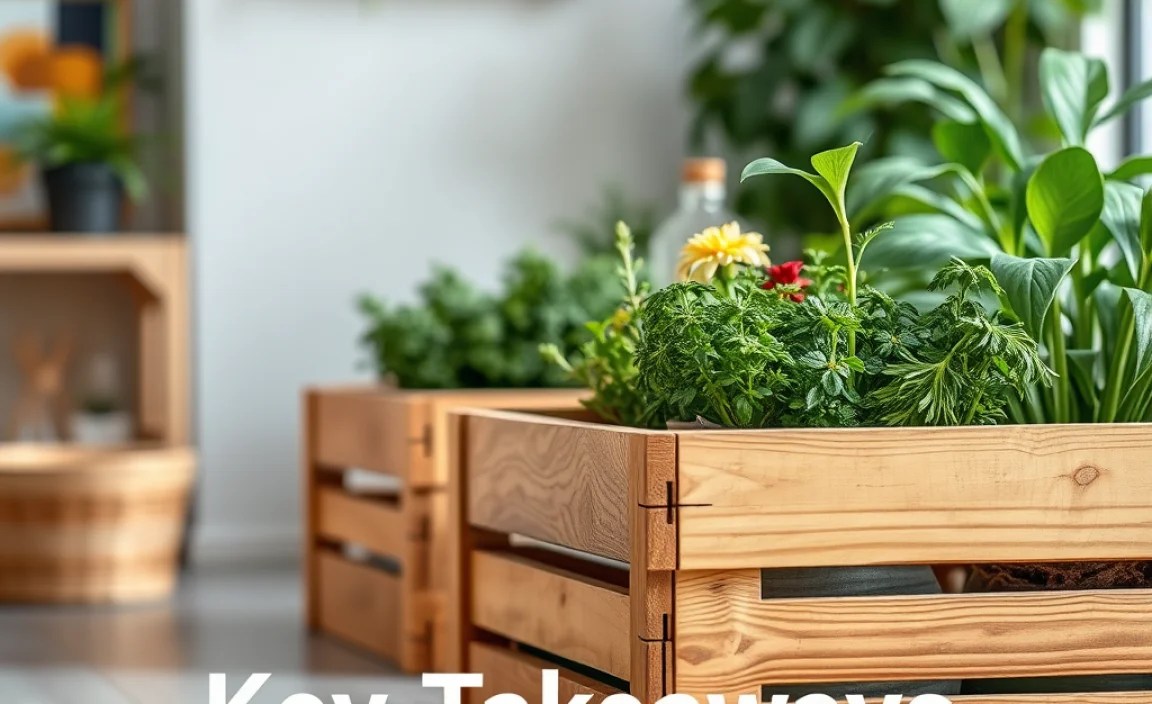
Key Takeaways
- Wood crates for gardening are perfect for small spaces like balconies.
- You can grow vegetables, herbs, and flowers in wood crates.
- Using crates is an easy and fun way to recycle old materials.
- Make sure to use safe wood and add drainage holes.
- Painting crates can protect them and add color to your garden.

Choosing the Best Wood Crates for Gardening
Choosing the right wood crates for gardening is important. You want to make sure they are safe for your plants. Some wood might have chemicals. These chemicals can hurt your plants. Look for untreated wood. Cedar and redwood are good choices. They resist rot and bugs. Always check the crates carefully. Make sure there are no sharp edges or loose nails. These could be dangerous. You also want to think about the size of the crates. Bigger crates can hold more soil. This is good for plants with big roots. Smaller crates are easier to move around. Think about where you will put your garden. This will help you choose the right crates. Using the right wood crates for gardening makes gardening fun.
- Choose untreated wood to avoid chemicals.
- Cedar and redwood resist rot and bugs.
- Check for sharp edges and loose nails.
- Consider the size of the crates for your plants.
- Think about where you will place your garden.
Before you start planting, check the wood crates closely. Feel for any rough spots. Sand them down to make them smooth. This will help protect your hands when you are gardening. If the crates have big gaps, you can line them with fabric. This will keep the soil from falling out. Burlap is a good choice. It lets water drain but keeps the soil in. You can also use plastic liners. Just make sure to poke holes for drainage. Good drainage is important for healthy plants. Too much water can cause the roots to rot. Taking these steps will help you create a successful wood crates for gardening setup.
Fun Fact or Stat: Reusing old wood crates can reduce waste and help the environment!
What Kind of Wood is Best?
What kind of wood should you use for wood crates for gardening? Some woods are better than others. Cedar is a great choice. It is naturally rot-resistant. This means it will last longer in the garden. Redwood is another good option. It also resists rot and bugs. Untreated pine can also work. But it might not last as long as cedar or redwood. Avoid using pressure-treated wood. It contains chemicals that can be harmful to your plants and to you. Look for wood that is labeled as safe for gardening. This means it has not been treated with harmful chemicals. When in doubt, ask at your local garden store. They can help you choose the best wood for your needs. Remember, the right wood can make your wood crates for gardening last for years.
How Do I Protect the Wood?
How can you protect your wood crates for gardening? One way is to paint them. Painting the crates can help seal the wood. This protects it from water damage. Use outdoor paint that is safe for plants. You can also use a wood sealant. This will also help protect the wood from moisture. Another way to protect the wood is to line the inside of the crates. This will keep the soil from touching the wood directly. Plastic liners or burlap are good choices. Make sure to add drainage holes in the bottom. This will prevent the soil from getting too wet. Keeping your wood crates for gardening dry and protected will help them last longer.
What Size Crates Should I Use?
What size crates are best for wood crates for gardening? It depends on what you want to grow. Small crates are good for herbs and flowers. They are easy to move around. Larger crates are better for vegetables. They need more room for their roots to grow. Think about the size of your plants when choosing crates. If you are growing tomatoes, you will need a bigger crate. If you are growing lettuce, a smaller crate will work. You also need to think about the weight of the crates. Large crates filled with soil can be very heavy. Make sure you can lift them or move them easily. Choose the right size crates to make your wood crates for gardening a success.

Preparing Wood Crates for Planting
Getting your wood crates for gardening ready is super important. First, you need to clean them. Use a brush to remove any dirt or debris. If the crates are old, you might want to wash them with soap and water. Rinse them well and let them dry completely. Next, check for any loose nails or staples. Remove them to prevent injuries. If the wood is rough, sand it down. This will make it smoother and safer to handle. Now, it’s time to add drainage holes. Drill holes in the bottom of the crates. This will allow excess water to escape. Good drainage is essential for healthy plants. Without it, the roots can rot. Preparing your wood crates for gardening properly will set you up for success.
- Clean the crates with a brush and water.
- Remove any loose nails or staples.
- Sand down rough edges for safety.
- Drill drainage holes in the bottom.
- Consider lining the crates with fabric.
Lining the wood crates for gardening can help protect the wood. It also keeps the soil from washing away. You can use burlap, landscape fabric, or plastic liners. Burlap is a natural option that lets water drain easily. Landscape fabric is durable and also allows drainage. Plastic liners are waterproof but need drainage holes. Cut the liner to fit the inside of the crate. Make sure it covers all the sides and bottom. Secure it with staples or tacks. When using plastic, poke holes in the bottom for drainage. This will prevent water from pooling and damaging the roots. Taking the time to prepare your crates will help your plants thrive.
Fun Fact or Stat: Adding coffee filters at the bottom of your crates can help prevent soil from escaping through the drainage holes!
How Many Drainage Holes Do I Need?
How many drainage holes do you need for wood crates for gardening? It depends on the size of the crate. For a small crate, three to four holes are usually enough. For a larger crate, you might need five to six holes. The holes should be about half an inch in diameter. This will allow water to drain freely. Make sure the holes are evenly spaced across the bottom of the crate. You can also add a layer of gravel or pebbles at the bottom. This will help improve drainage. If you live in a rainy area, you might need more drainage holes. Check the soil regularly to make sure it is not too wet. Good drainage is key to healthy plants in wood crates for gardening.
Should I Use a Liner?
Should you use a liner for wood crates for gardening? Liners can help protect the wood from moisture. They also prevent soil from washing out. However, they are not always necessary. If you are using rot-resistant wood like cedar or redwood, you might not need a liner. But if you are using pine or another less durable wood, a liner is a good idea. Burlap, landscape fabric, and plastic liners are all good options. Choose a liner that allows for good drainage. If you use plastic, make sure to add drainage holes. Consider your climate and the type of wood you are using when deciding whether to use a liner for your wood crates for gardening.
How Do I Keep Soil From Washing Out?
How can you keep soil from washing out of wood crates for gardening? One way is to use a liner. Burlap or landscape fabric will hold the soil in while still allowing water to drain. Another trick is to add a layer of gravel or pebbles at the bottom of the crate. This will help prevent the soil from washing out through the drainage holes. You can also use coffee filters. Place them over the drainage holes before adding soil. This will keep the soil in while still allowing water to drain. Avoid overwatering your plants. This can cause the soil to erode and wash away. These tips will help you keep your soil in place when using wood crates for gardening.

Choosing the Right Soil for Wood Crates
Selecting the right soil is key for wood crates for gardening. Regular garden soil can be too heavy. It doesn’t drain well in containers. Potting mix is a better choice. It is lighter and allows for good drainage. Look for a potting mix that is designed for containers. These mixes often contain peat moss, vermiculite, and perlite. These ingredients help retain moisture and provide good aeration. You can also make your own potting mix. Mix equal parts of peat moss, vermiculite, and compost. Compost adds nutrients to the soil. This helps your plants grow strong. Avoid using soil from your backyard. It may contain pests or diseases. Using the right soil will give your plants the best start in wood crates for gardening.
- Use potting mix instead of garden soil.
- Look for mixes with peat moss, vermiculite, and perlite.
- You can make your own potting mix with compost.
- Avoid using soil from your backyard.
- Consider adding slow-release fertilizer.
Adding fertilizer to your soil can help your plants thrive. Slow-release fertilizer is a good option for wood crates for gardening. It provides nutrients over a longer period of time. Mix the fertilizer into the potting mix before planting. Follow the instructions on the fertilizer package. Too much fertilizer can harm your plants. You can also use liquid fertilizer. Apply it every few weeks during the growing season. Water your plants well after fertilizing. This helps the nutrients reach the roots. Test your soil regularly to check its pH. Most plants prefer a slightly acidic soil. You can adjust the pH by adding lime or sulfur. Choosing the right soil and fertilizer will help your plants grow healthy and strong in wood crates for gardening.
| Soil Type | Pros | Cons | Best For |
|---|---|---|---|
| Potting Mix | Lightweight, good drainage, contains nutrients | Can be expensive, dries out quickly | Most plants in containers |
| Garden Soil | Inexpensive, readily available | Heavy, poor drainage, may contain pests | Not recommended for containers |
| Compost | Rich in nutrients, improves soil structure | Can be too acidic, may contain weed seeds | Mixing with other soil types |
| Peat Moss | Retains moisture, lightweight | Acidic, can be dusty when dry | Mixing with other soil types |
Fun Fact or Stat: Worm castings are a natural fertilizer that can improve soil health in your wood crates!
What is the Best pH Level for the Soil?
What is the best pH level for soil in wood crates for gardening? Most plants prefer a slightly acidic soil. A pH between 6.0 and 7.0 is ideal. You can test your soil using a soil testing kit. These kits are available at most garden stores. Follow the instructions on the kit to test the pH. If your soil is too acidic, you can add lime to raise the pH. If it is too alkaline, you can add sulfur to lower the pH. Test your soil regularly to make sure it is in the right range. The right pH level will help your plants absorb nutrients. This will result in healthier, stronger plants in your wood crates for gardening.
How Often Should I Fertilize?
How often should you fertilize your plants in wood crates for gardening? It depends on the type of fertilizer you use. Slow-release fertilizers provide nutrients over a longer period. You only need to apply them once or twice during the growing season. Liquid fertilizers need to be applied more frequently. Usually every two to four weeks. Follow the instructions on the fertilizer package. Over-fertilizing can damage your plants. Look for signs of nutrient deficiencies. These include yellowing leaves or stunted growth. Fertilize when you see these signs. Regular fertilization will help your plants thrive in wood crates for gardening.
Can I Use Compost in Wood Crates?
Can you use compost in wood crates for gardening? Yes, compost is a great addition to your potting mix. It adds nutrients and improves soil structure. Mix compost with peat moss and vermiculite to create a balanced potting mix. Make sure the compost is fully decomposed. This means it should be dark and crumbly. Avoid using fresh compost. It can burn your plants. You can also use compost tea. This is a liquid fertilizer made from compost. It is a gentle way to feed your plants. Adding compost to your wood crates for gardening will help your plants grow healthy and strong.

Choosing Plants for Your Wood Crate Garden
Picking the right plants is fun for wood crates for gardening! Think about the size of the crate. Small crates are good for herbs like basil and mint. They are also great for flowers like pansies and petunias. Larger crates can hold vegetables like tomatoes and peppers. Consider the amount of sunlight your garden gets. Some plants need full sun, while others prefer shade. Read the plant labels carefully. They will tell you how much sunlight each plant needs. Choose plants that will thrive in your climate. Some plants are better suited for hot weather, while others prefer cooler temperatures. Mix and match different plants to create a beautiful and productive wood crates for gardening.
- Choose plants that fit the size of your crates.
- Consider the amount of sunlight your garden gets.
- Read plant labels for sunlight and watering needs.
- Choose plants that thrive in your climate.
- Mix and match different plants for variety.
When planting in wood crates for gardening, spacing is important. Don’t overcrowd your plants. Give them enough room to grow. Follow the spacing recommendations on the plant labels. You can also use the “thriller, filler, and spiller” method. Choose a tall plant for the center (thriller). Add smaller plants around it (filler). Then, add plants that trail over the edges (spiller). This creates a beautiful and balanced arrangement. Water your plants regularly. Check the soil moisture daily. Water when the top inch of soil feels dry. Don’t overwater. This can cause the roots to rot. Enjoy watching your plants grow in your wood crates for gardening.
Fun Fact or Stat: Companion planting (growing certain plants together) can help deter pests and improve plant growth in your wood crates!
What Herbs Grow Well in Crates?
What herbs grow well in wood crates for gardening? Many herbs are perfect for container gardening. Basil, mint, oregano, and thyme are all good choices. They are easy to grow and don’t need a lot of space. Plant them in well-draining soil. Water them regularly. Harvest the leaves as needed. You can use them fresh in your cooking. Or you can dry them for later use. Herbs are a great addition to any wood crates for gardening. They add flavor to your meals and fragrance to your garden. Consider planting a variety of herbs for a diverse and useful garden.
What Vegetables Can I Grow?
What vegetables can you grow in wood crates for gardening? Some vegetables do better than others in containers. Tomatoes, peppers, lettuce, and spinach are all good choices. They don’t need a lot of space and are relatively easy to grow. Choose dwarf or bush varieties for smaller crates. Make sure the crates are deep enough for the roots to grow. Plant the vegetables in well-draining soil. Water them regularly. Provide support for tomatoes and peppers. You can use stakes or cages. Enjoy fresh, homegrown vegetables from your wood crates for gardening.
What Flowers Look Best in Wood Crates?
What flowers look best in wood crates for gardening? Many flowers thrive in containers. Petunias, pansies, marigolds, and impatiens are all good choices. They come in a variety of colors and are easy to grow. Choose flowers that complement each other. Consider the height and spread of the flowers. Plant taller flowers in the back and shorter flowers in the front. Add trailing flowers to spill over the edges of the crates. This creates a beautiful and colorful display. Flowers add beauty and charm to your wood crates for gardening.
Watering and Maintaining Your Crate Garden
Watering is super important for wood crates for gardening. Crates can dry out quickly, especially in hot weather. Check the soil moisture daily. Stick your finger into the soil. If the top inch feels dry, it’s time to water. Water deeply until the water drains out of the bottom. Avoid watering the leaves. This can cause fungal diseases. Water early in the morning or late in the evening. This prevents the water from evaporating too quickly. Mulching can help retain moisture. Add a layer of straw or wood chips to the soil surface. Regular watering will keep your plants healthy and thriving in wood crates for gardening.
- Check soil moisture daily.
- Water deeply until water drains out.
- Avoid watering the leaves.
- Water early in the morning or late evening.
- Add mulch to retain moisture.
Maintaining your wood crates for gardening involves more than just watering. Regularly check your plants for pests and diseases. Look for signs like yellowing leaves, holes in the leaves, or sticky residue. Treat any problems promptly. You can use organic pesticides or homemade solutions. Weeding is also important. Remove any weeds that pop up in your crates. Weeds compete with your plants for nutrients and water. Prune your plants as needed. This will encourage bushier growth and more flowers or vegetables. Remove any dead or damaged leaves. Regularly fertilize your plants. This will provide them with the nutrients they need to grow. Taking good care of your wood crates for gardening will ensure a bountiful harvest.
Fun Fact or Stat: Using rainwater to water your plants is a great way to conserve water and provide them with natural nutrients!
How Do I Know When to Water?
How do you know when to water your plants in wood crates for gardening? The best way is to check the soil moisture. Stick your finger into the soil. If the top inch feels dry, it’s time to water. You can also use a moisture meter. This tool measures the moisture level in the soil. Different plants have different watering needs. Some plants like to be kept moist, while others prefer to dry out between waterings. Read the plant labels to learn about the specific needs of your plants. Pay attention to the weather. Hot, sunny days will dry out the soil faster. Adjust your watering schedule accordingly. Knowing when to water is key to healthy plants in wood crates for gardening.
How Can I Prevent Pests and Diseases?
How can you prevent pests and diseases in your wood crates for gardening? Start by choosing healthy plants. Inspect them carefully before planting. Make sure they are free from pests and diseases. Provide good air circulation. This helps prevent fungal diseases. Water your plants properly. Avoid overwatering. This can create conditions that favor diseases. Regularly inspect your plants for signs of pests or diseases. Treat any problems promptly. You can use organic pesticides or homemade solutions. Companion planting can also help deter pests. Certain plants repel insects. Keeping your wood crates for gardening clean and healthy will help prevent problems.
What is Mulch and Why Use It?
What is mulch and why should you use it in wood crates for gardening? Mulch is a layer of material that is spread on the soil surface. It can be made from organic materials like straw, wood chips, or shredded leaves. Or it can be made from inorganic materials like gravel or plastic. Mulch helps retain moisture in the soil. It also suppresses weeds. It can also help regulate soil temperature. This can protect plants from extreme heat or cold. Mulch also adds nutrients to the soil as it decomposes. Apply a layer of mulch around your plants. This will help them thrive in wood crates for gardening.
Creative Ideas for Wood Crate Gardens
Let’s get creative with wood crates for gardening! You can stack the crates to create a vertical garden. This is perfect for small spaces. Paint the crates in bright colors to add a pop of color to your garden. You can also use different sizes of crates to create visual interest. Add labels to the crates so you know what you planted. Use chalkboard paint to make reusable labels. Decorate the crates with stencils or paint. Attach casters to the bottom of the crates to make them easy to move. Use the crates to create a themed garden. For example, a pizza garden with tomatoes, basil, and oregano. The possibilities are endless with wood crates for gardening.
- Stack crates to create a vertical garden.
- Paint crates in bright colors.
- Use different sizes of crates.
- Add labels to the crates.
- Attach casters for easy moving.
Wood crates for gardening can be more than just functional. They can also be decorative. Add fairy lights to the crates to create a magical garden at night. Hang the crates on a wall to create a living wall. Use the crates to create a privacy screen on your patio. Plant trailing vines that will cascade down the sides of the crates. Add decorative stones or shells to the soil surface. Use the crates to create a miniature garden. Add small plants, rocks, and figurines. Get inspired by nature and create a unique and beautiful garden with wood crates for gardening.
Fun Fact or Stat: You can use old license plates or reclaimed wood to create unique and personalized labels for your wood crate garden!
How Can I Make a Vertical Garden?
How can you make a vertical garden with wood crates for gardening? Start by stacking the crates against a wall or fence. Secure them together with screws or nails. Make sure the crates are stable and won’t fall over. You can also use metal brackets to attach the crates to the wall. Line the crates with landscape fabric. This will prevent the soil from washing out. Fill the crates with potting mix. Plant your flowers, herbs, or vegetables. Water them regularly. Choose plants that will cascade down the sides of the crates. This will create a beautiful and lush vertical garden with wood crates for gardening.
What are Some Themed Garden Ideas?
What are some themed garden ideas for wood crates for gardening? A pizza garden is a fun and delicious idea. Plant tomatoes, basil, oregano, and peppers. These are all ingredients you need for a homemade pizza. A salad garden is another great option. Plant lettuce, spinach, cucumbers, and radishes. A tea garden is perfect for tea lovers. Plant chamomile, mint, lavender, and lemon balm. A butterfly garden will attract beautiful butterflies. Plant milkweed, butterfly bush, and zinnias. Let your imagination run wild and create a themed garden that reflects your interests with wood crates for gardening.
How Can I Make My Garden Kid-Friendly?
How can you make your wood crates for gardening kid-friendly? Involve your kids in the planting process. Let them choose the plants and help with the watering. Plant sunflowers. They are tall and easy to grow. Create a fairy garden. Add small plants, rocks, and figurines. Plant vegetables that kids love to eat. Like cherry tomatoes, carrots, and strawberries. Add stepping stones so kids can walk around the garden. Make labels with pictures of the plants. This will help kids learn about different plants. Gardening is a fun and educational activity for kids of all ages with wood crates for gardening.
Summary
Wood crates for gardening are a fantastic way to grow plants in small spaces. They are perfect for balconies, patios, and even indoors. Choosing the right wood and preparing the crates properly is important. Good drainage and the right soil are essential for healthy plants. You can grow a variety of plants in wood crates. Herbs, vegetables, and flowers all thrive in containers. Regular watering and maintenance will keep your garden looking its best. Get creative with your wood crate garden. Stack the crates, paint them bright colors, and add decorative touches.
With a little effort, you can create a beautiful and productive garden with wood crates for gardening. It’s a fun and rewarding way to connect with nature. Plus, you’ll enjoy fresh herbs, vegetables, and flowers all season long.
Conclusion
Wood crates for gardening offer a simple and fun way to grow your own plants. They are easy to set up and maintain. You can create a beautiful and productive garden even in a small space. Remember to choose the right wood, prepare the crates properly, and provide good drainage. With a little creativity, you can design a unique and personalized garden. So, grab some wood crates and start planting today!
Frequently Asked Questions
Question No 1: What are the benefits of using wood crates for gardening?
Answer: Wood crates for gardening are great for small spaces. They are easy to move around. You can grow plants on balconies, patios, or even indoors. Crates add a rustic and charming look to your garden. They also help with drainage. This is important for healthy plant growth. Using crates is a good way to recycle old materials. You can turn old crates into something beautiful and useful. Plus, it’s a fun and rewarding hobby. Growing your own plants is satisfying. You’ll enjoy fresh herbs, vegetables, and flowers all season long.
Question No 2: How do I prepare wood crates for planting?
Answer: Preparing wood crates for gardening is easy. First, clean the crates with a brush and water. Remove any loose nails or staples. Sand down rough edges to prevent injuries. Drill drainage holes in the bottom of the crates. This is important for good drainage. Consider lining the crates with fabric or plastic. This will help protect the wood. It also prevents the soil from washing out. Choose a liner that allows for good drainage. Burlap, landscape fabric, and plastic liners are all good options. Make sure to secure the liner with staples or tacks.
Question No 3: What type of soil should I use in wood crates?
Answer: You should use potting mix in wood crates for gardening. Regular garden soil is too heavy. It doesn’t drain well in containers. Potting mix is lighter and allows for good drainage. Look for a potting mix that is designed for containers. These mixes often contain peat moss, vermiculite, and perlite. These ingredients help retain moisture. They also provide good aeration. You can also make your own potting mix. Mix equal parts of peat moss, vermiculite, and compost. Compost adds nutrients to the soil. This helps your plants grow strong. Avoid using soil from your backyard. It may contain pests or diseases.
Question No 4: What plants grow well in wood crates?
Answer: Many plants grow well in wood crates for gardening. Herbs like basil, mint, oregano, and thyme are all good choices. They are easy to grow and don’t need a lot of space. Vegetables like tomatoes, peppers, lettuce, and spinach also do well in containers. Choose dwarf or bush varieties for smaller crates. Flowers like petunias, pansies, marigolds, and impatiens are beautiful and easy to grow in crates. Consider the amount of sunlight your garden gets. Choose plants that will thrive in your climate. Mix and match different plants to create a beautiful and productive garden.
Question No 5: How often should I water plants in wood crates?
Answer: You should check the soil moisture daily in wood crates for gardening. Stick your finger into the soil. If the top inch feels dry, it’s time to water. Water deeply until the water drains out of the bottom. Avoid watering the leaves. This can cause fungal diseases. Water early in the morning or late in the evening. This prevents the water from evaporating too quickly. Mulching can help retain moisture. Add a layer of straw or wood chips to the soil surface. Different plants have different watering needs. Read the plant labels to learn about the specific needs of your plants.
Question No 6: How can I prevent pests and diseases in my crate garden?
Answer: To prevent pests and diseases in wood crates for gardening, start by choosing healthy plants. Inspect them carefully before planting. Provide good air circulation. This helps prevent fungal diseases. Water your plants properly. Avoid overwatering. This can create conditions that favor diseases. Regularly inspect your plants for signs of pests or diseases. Treat any problems promptly. You can use organic pesticides or homemade solutions. Companion planting can also help deter pests. Certain plants repel insects. Keeping your garden clean and healthy will help prevent problems. Remove any dead or damaged leaves.
