Did you know tiny helpers can boost your garden? These helpers are single-celled organisms. They are called yeast. People use yeast to bake bread. But can you use yeast for gardening? Yes, you can!
Yeast can help your plants grow big and strong. It is a simple and natural way to feed your garden. Let’s learn how yeast can make your garden better. Get ready to see your plants thrive!
Key Takeaways
- Yeast for gardening can act as a natural plant growth stimulant.
- Yeast helps improve soil health by adding beneficial microbes.
- Use a diluted yeast solution to water your plants for best results.
- Yeast provides nutrients like B vitamins that plants need.
- Yeast can be a cost-effective alternative to chemical fertilizers.
Using Yeast for Plant Growth

Yeast can be a great help for your plants. It acts like a vitamin boost. Yeast contains nutrients that plants love. These include nitrogen, phosphorus, and potassium. Plants need these to grow strong roots and green leaves. When you add yeast to the soil, it wakes up the good microbes. These microbes help break down organic matter. This makes it easier for plants to get the nutrients they need. Plus, yeast has B vitamins. These vitamins are like energy boosters for plants. They help plants fight off stress and disease. Using yeast for gardening is a simple way to give your plants a natural boost. It can make your garden healthier and more productive. So, why not give yeast a try and watch your plants thrive?
- Yeast provides essential nutrients for plant growth.
- It enhances root development in young plants.
- Yeast helps plants absorb nutrients from the soil.
- It increases plant resistance to diseases.
- Yeast can improve the overall health of your garden.
Yeast is not just for baking bread. It can also be a secret weapon in your garden. Gardeners have found that yeast can promote plant growth. It does this by improving the soil. The yeast feeds the microbes in the soil. These microbes then break down organic matter. This releases nutrients that plants can use. The B vitamins in yeast also help plants grow stronger. They become more resistant to stress. Many gardeners use yeast as a natural fertilizer. It is a simple way to give plants a boost. It is also safe for the environment. When using yeast for gardening, mix it with water. Then, pour it around the base of your plants. You’ll be amazed at how well your garden grows.
Fun Fact or Stat: Did you know that some studies show yeast can increase tomato production by up to 20%?
How Does Yeast Help Plants Grow?
Have you ever wondered how yeast can help plants grow? Yeast is full of good stuff. It contains nutrients that plants need, like nitrogen and potassium. These nutrients are important for plant growth. When you add yeast to the soil, it feeds the microbes. Microbes are tiny organisms that live in the soil. They help break down organic matter. This releases nutrients that plants can use. The B vitamins in yeast also help plants grow. They help them resist stress and disease. Yeast also helps the soil. It improves the soil structure. This makes it easier for plants to grow strong roots. So, yeast is like a superfood for your plants!
Yeast as a Natural Fertilizer
Did you know you can use yeast as a natural fertilizer? Chemical fertilizers can harm the environment. They can also be expensive. Yeast is a natural and cheap alternative. It provides plants with essential nutrients. These nutrients help them grow big and strong. Yeast also helps improve the soil. It encourages the growth of good microbes. These microbes help break down organic matter. This releases nutrients that plants can use. Using yeast for gardening is an easy way to feed your plants. It is also a safe way to protect the environment. You can mix yeast with water. Then, use it to water your plants. They will love the extra boost!
Benefits of B Vitamins in Yeast
Have you ever heard of B vitamins? They are important for your health. They are also important for the health of your plants. Yeast is packed with B vitamins. These vitamins help plants grow strong and healthy. They help plants resist stress and disease. B vitamins also help plants absorb nutrients. This means plants can get more of the good stuff they need from the soil. When you use yeast for gardening, you are giving your plants a boost of B vitamins. This can help them grow bigger, stronger, and more resistant to problems. So, yeast is a great way to give your plants the vitamins they need!
Making Yeast Solution for Your Garden

Making a yeast solution for your garden is easy. You only need a few simple things. First, you need active dry yeast. You can find this at most grocery stores. You also need sugar and warm water. The sugar helps the yeast activate. It gives the yeast something to eat. The warm water helps the yeast dissolve. Mix the yeast, sugar, and water together. Let it sit for a few minutes. This gives the yeast time to wake up. Then, dilute the mixture with more water. This makes it safe for your plants. Pour the solution around the base of your plants. Do this every few weeks. Your plants will love the extra nutrients. Using yeast for gardening is a simple way to make your plants healthier.
- Gather active dry yeast, sugar, and warm water.
- Mix the ingredients in a container.
- Let the mixture sit for about 10 minutes.
- Dilute the solution with more water.
- Pour the yeast solution around your plants.
- Apply the solution every two to three weeks.
Creating a yeast solution is a straightforward process. It starts with gathering the right ingredients. You need active dry yeast, sugar, and warm water. These are common household items. The process begins by mixing a packet of active dry yeast. Add a tablespoon of sugar to about a gallon of warm water. The sugar acts as food for the yeast. It helps activate the yeast. Let the mixture sit for about 10 minutes. This allows the yeast to start working. After 10 minutes, the mixture is ready to use. Pour the yeast solution directly onto the soil. Focus on the base of your plants. This helps deliver the nutrients right to the roots. This simple yeast solution can significantly boost your plants’ health.
Fun Fact or Stat: A quarter-ounce packet of active dry yeast is enough to make a gallon of plant-boosting solution!
Activating the Yeast
Activating the yeast is a very important step. It makes sure the yeast is ready to work. First, you need warm water. The water should not be too hot. Hot water can kill the yeast. It should also not be too cold. Cold water will not wake up the yeast. Next, add sugar to the water. The sugar feeds the yeast. It gives the yeast energy. Then, sprinkle the yeast on top of the water. Let it sit for a few minutes. You will see the yeast start to foam. This means the yeast is active. Now you can mix it with more water. Then you can use it on your plants. Activating the yeast ensures your plants get the most benefit.
Diluting the Yeast Mixture
Diluting the yeast mixture is important. You don’t want to use it too strong. A strong yeast solution can harm your plants. It can burn their roots. It is best to mix the activated yeast with lots of water. This makes the solution weaker. A good ratio is one part yeast solution to ten parts water. This means if you have one cup of yeast solution, add ten cups of water. Mix it well. Then, pour it around the base of your plants. Diluting the yeast mixture makes it safe for your plants. They will get the nutrients they need without getting burned.
When to Apply Yeast Solution
Knowing when to apply yeast solution is key. You don’t want to overdo it. Applying yeast solution every day can harm your plants. It is best to apply it every few weeks. This gives your plants time to use the nutrients. It also prevents the soil from getting too acidic. A good schedule is every two to three weeks. You can also watch your plants. If they look healthy and green, you don’t need to apply yeast solution. If they look pale or weak, a little yeast solution can help. Using yeast for gardening is about finding the right balance.
Best Plants for Yeast Treatment

Many plants love yeast treatments. Tomatoes are one of the best. Yeast can help them grow bigger and produce more fruit. Peppers also benefit from yeast. It helps them develop strong roots. This leads to more peppers. Flowers like roses and petunias also love yeast. It makes their blooms brighter and more colorful. Even herbs like basil and mint enjoy yeast. It helps them grow faster and stronger. Using yeast for gardening can improve the health of many different plants. It is a simple way to give your garden a boost. So, try using yeast on your favorite plants and watch them thrive.
- Tomatoes show increased fruit production.
- Peppers develop stronger root systems.
- Roses exhibit brighter and more vibrant blooms.
- Herbs like basil grow faster and stronger.
- Petunias display more colorful flowers.
- Eggplants also respond well to yeast.
Choosing the right plants for yeast treatment can make a big difference. Some plants respond better to yeast than others. For example, tomatoes love yeast. They often produce more fruit when treated with yeast solution. Peppers also benefit greatly. They tend to develop stronger root systems. This helps them withstand stress and produce more peppers. Flowering plants like roses and petunias also show positive results. The yeast can enhance their bloom color and size. Even herbs like basil and mint can benefit. They often grow faster and become more flavorful. When using yeast for gardening, consider these plants. They are likely to show the most improvement.
Fun Fact or Stat: Roses treated with yeast solution can have blooms that are up to 25% larger!
Yeast for Tomatoes
Do you want bigger, juicier tomatoes? Yeast can help! Tomatoes love yeast. It provides them with essential nutrients. These nutrients help them grow strong and produce lots of fruit. Yeast also helps improve the soil. This makes it easier for tomatoes to get the nutrients they need. Many gardeners use yeast on their tomato plants. They see a big difference in the size and number of tomatoes they harvest. To use yeast for gardening with tomatoes, simply pour the diluted yeast solution around the base of the plants. Do this every few weeks. You’ll be amazed at how well your tomatoes grow!
Yeast for Peppers
Are your pepper plants struggling? Yeast can give them a boost! Peppers need strong roots to grow well. Yeast helps them develop strong roots. It also provides them with nutrients. These nutrients help them produce lots of peppers. Using yeast for gardening with peppers is easy. Just pour the diluted yeast solution around the base of the plants. Do this every few weeks. You’ll see your pepper plants grow stronger and produce more peppers. Yeast is a simple way to help your pepper plants thrive.
Yeast for Flowering Plants
Do you want brighter, more colorful flowers? Yeast can help! Flowering plants like roses and petunias love yeast. It makes their blooms bigger and more colorful. Yeast also helps them grow strong and healthy. To use yeast for gardening with flowering plants, pour the diluted yeast solution around the base of the plants. Do this every few weeks. You’ll see your flowers bloom brighter and more beautifully. Yeast is a natural way to enhance the beauty of your garden.
Yeast vs. Chemical Fertilizers

Yeast and chemical fertilizers both feed plants. But they work in different ways. Chemical fertilizers give plants a quick boost. They contain high levels of nitrogen, phosphorus, and potassium. These nutrients are readily available to plants. But chemical fertilizers can also harm the environment. They can pollute water and damage soil. Yeast, on the other hand, is a natural fertilizer. It provides nutrients slowly over time. It also helps improve the soil. This makes it a more sustainable option. Using yeast for gardening is a way to feed your plants. It also protects the environment.
| Feature | Yeast | Chemical Fertilizers |
|---|---|---|
| Nutrient Release | Slow and steady | Rapid |
| Environmental Impact | Low | High |
| Soil Health | Improves soil | Can damage soil |
| Cost | Low | High |
Choosing between yeast and chemical fertilizers depends on your goals. Chemical fertilizers offer a quick fix. They provide a concentrated dose of nutrients. This can be useful for plants that need an immediate boost. However, they can also have negative impacts. These include harming beneficial soil microbes. They can also lead to nutrient runoff. Yeast, on the other hand, offers a more sustainable approach. It improves soil health over time. It also provides a slow release of nutrients. This is better for the long-term health of your plants. When using yeast for gardening, you are investing in the overall health of your garden.
Fun Fact or Stat: Chemical fertilizers can contribute to water pollution, while yeast is biodegradable and environmentally friendly!
Environmental Impact Comparison
The environmental impact of yeast and chemical fertilizers is very different. Chemical fertilizers can pollute water sources. They can also harm beneficial insects and microbes. Yeast, on the other hand, is a natural and sustainable option. It breaks down in the soil. It does not pollute water sources. It also helps improve soil health. Using yeast for gardening is a way to protect the environment. It is a responsible choice for gardeners who care about sustainability.
Cost-Effectiveness of Yeast
Yeast is a very cost-effective fertilizer. A packet of active dry yeast is inexpensive. It can make a large amount of fertilizer solution. Chemical fertilizers can be expensive. They also need to be purchased regularly. Using yeast for gardening can save you money. It is a budget-friendly way to feed your plants. You can use the money you save to buy more plants!
Long-Term Soil Health
Yeast helps improve long-term soil health. Chemical fertilizers can damage the soil over time. They can deplete the soil of essential nutrients. Yeast helps improve soil structure. It also encourages the growth of beneficial microbes. These microbes help break down organic matter. This releases nutrients that plants can use. Using yeast for gardening is an investment in the future of your garden. It will help your soil stay healthy and productive for years to come.
Troubleshooting Yeast Application
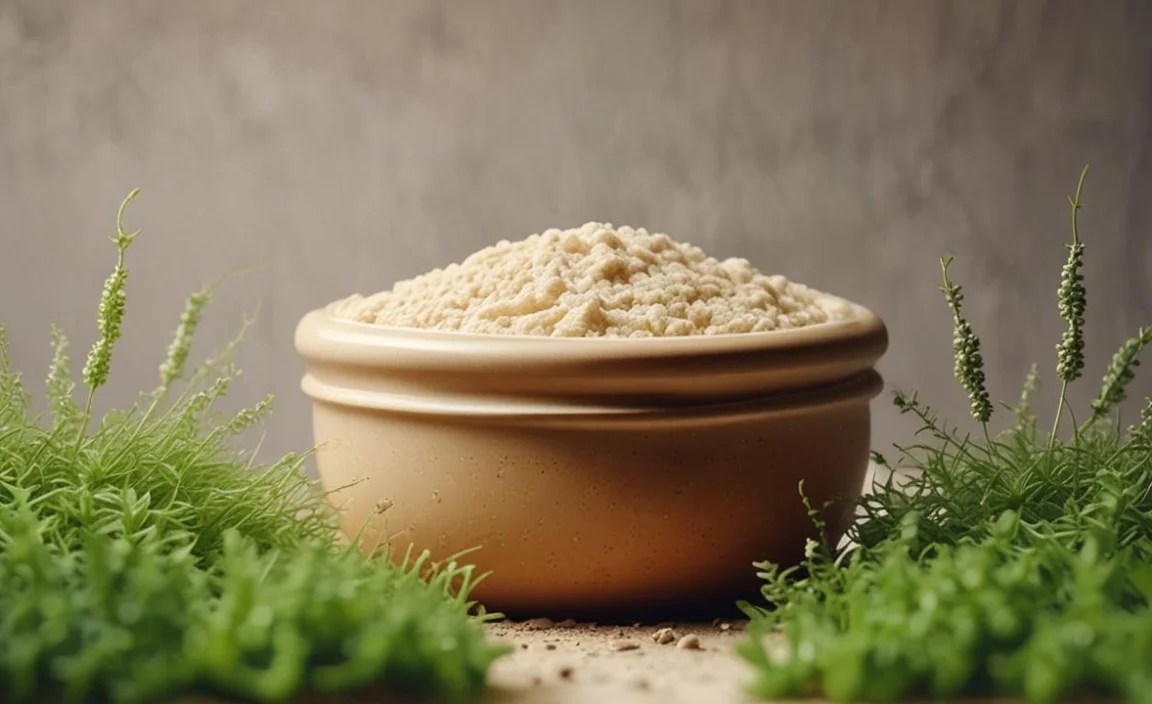
Sometimes, things can go wrong when using yeast for gardening. One common problem is using too much yeast. This can make the soil too acidic. It can also burn the roots of your plants. Another problem is not diluting the yeast solution enough. A strong yeast solution can harm your plants. It is important to follow the instructions carefully. If you see your plants wilting or turning yellow, you may be using too much yeast. Try diluting the solution even more. You can also reduce the frequency of application. With a little practice, you can learn how to use yeast safely and effectively.
- Over-application can lead to soil acidity.
- Insufficient dilution can burn plant roots.
- Wilting or yellowing indicates too much yeast.
- Monitor plant health after each application.
- Adjust the yeast concentration as needed.
- Ensure proper soil drainage to prevent issues.
Even though yeast is a natural product, it’s important to use it correctly. Over-application can lead to problems. One common issue is soil acidity. Too much yeast can lower the soil’s pH. This can make it difficult for plants to absorb nutrients. Another potential problem is root burn. If the yeast solution is too concentrated, it can damage plant roots. This can cause wilting and yellowing. To avoid these issues, always dilute the yeast solution properly. Start with a weak concentration. Monitor your plants closely. If you see any signs of distress, reduce the amount of yeast you are using.
Fun Fact or Stat: Soil that is too acidic can prevent plants from absorbing essential nutrients like iron and manganese!
Signs of Yeast Overdose
How do you know if you are using too much yeast? One sign is wilting leaves. The leaves may start to droop. They may also turn yellow or brown. Another sign is slow growth. Your plants may stop growing or grow very slowly. The soil may also develop a sour smell. This is a sign that the soil is too acidic. If you see any of these signs, stop using yeast immediately. Flush the soil with water to remove excess yeast. Then, wait a few weeks before applying yeast again.
Adjusting Yeast Concentration
Adjusting the yeast concentration is important. You may need to experiment to find the right amount. Start with a weak solution. Then, gradually increase the concentration. Watch your plants carefully. If they look healthy, you can continue to increase the concentration. If they show signs of stress, reduce the concentration. Keep a record of how much yeast you are using. This will help you find the perfect balance. Using yeast for gardening is about finding what works best for your plants.
Preventing Soil Acidity
Preventing soil acidity is important when using yeast. Too much yeast can lower the pH of the soil. This can make it difficult for plants to absorb nutrients. To prevent soil acidity, don’t over-apply yeast. Dilute the yeast solution properly. Also, test your soil regularly. You can buy a soil pH test kit at most garden stores. If your soil is too acidic, you can add lime. Lime will help raise the pH of the soil.
Other Uses for Yeast in the Garden
Besides fertilizing plants, yeast has other uses in the garden. It can be used to make compost tea. Compost tea is a liquid fertilizer made from compost. Adding yeast to compost tea can boost its nutrient content. Yeast can also be used to attract beneficial insects. These insects help pollinate plants and control pests. Some gardeners use yeast traps to catch fruit flies. The yeast attracts the flies, and they get trapped in the solution. Using yeast for gardening is not just about fertilizing. It is also about creating a healthy and balanced garden ecosystem.
- Yeast can enhance compost tea nutrients.
- It attracts beneficial insects for pollination.
- Yeast traps can control fruit flies.
- It aids in breaking down organic matter.
- Yeast promotes a healthy soil ecosystem.
Yeast is more than just a fertilizer. It has several other uses in the garden. One popular use is making compost tea. Compost tea is a nutrient-rich liquid. It is made by steeping compost in water. Adding yeast to the compost tea can boost its beneficial properties. The yeast adds extra nutrients. It also helps to activate the microbes in the compost. Another use for yeast is attracting beneficial insects. Some insects are attracted to the smell of yeast. These insects can help pollinate your plants. They can also control pests. You can also use yeast to make fruit fly traps. These traps can help keep your garden free of pests.
Fun Fact or Stat: Compost tea enriched with yeast can increase the microbial activity in your soil by up to 40%!
Making Compost Tea with Yeast
Have you ever made compost tea? It is a great way to feed your plants. Compost tea is a liquid fertilizer made from compost. Adding yeast to compost tea can make it even better. The yeast adds extra nutrients. It also helps activate the microbes in the compost. To make compost tea with yeast, mix compost with water. Add a small amount of yeast. Let it sit for a few days. Then, strain the liquid and use it to water your plants.
Attracting Beneficial Insects
Did you know yeast can attract beneficial insects? These insects help pollinate plants. They also control pests. Some insects are attracted to the smell of yeast. You can use yeast to attract these insects to your garden. Simply place a small dish of yeast solution near your plants. The insects will be attracted to the yeast. They will also help pollinate your plants and control pests.
Yeast Traps for Fruit Flies
Are fruit flies bothering your garden? Yeast can help! You can make yeast traps to catch fruit flies. To make a yeast trap, mix yeast with water and sugar. Pour the mixture into a jar. Cover the jar with plastic wrap. Poke small holes in the plastic wrap. The fruit flies will be attracted to the yeast. They will fly into the jar but won’t be able to get out. These traps can help keep your garden free of fruit flies.
Summary
Yeast for gardening is a simple and natural way to boost plant growth. It provides essential nutrients like nitrogen, phosphorus, and potassium. Yeast also helps improve soil health by feeding beneficial microbes. These microbes break down organic matter, making nutrients more available to plants. Using a diluted yeast solution can help plants grow stronger roots, greener leaves, and more abundant blooms. Many plants, including tomatoes, peppers, and roses, benefit from yeast treatments. Yeast is a cost-effective and environmentally friendly alternative to chemical fertilizers. It’s easy to make a yeast solution at home using active dry yeast, sugar, and water.
While yeast offers many benefits, it’s important to use it correctly. Over-application can lead to soil acidity or root burn. Always dilute the yeast solution properly and monitor your plants for any signs of stress. Besides fertilizing plants, yeast can also be used to make compost tea, attract beneficial insects, and control pests like fruit flies. With a little practice, you can harness the power of yeast to create a thriving and healthy garden.
Conclusion
Yeast is a fantastic, natural tool for your garden. It helps plants grow stronger and healthier. You can easily make a yeast solution at home. It costs less than chemical fertilizers. Using yeast for gardening is also good for the environment. So, try using yeast in your garden and see the amazing results! Your plants will thank you.
Frequently Asked Questions
Question No 1: What exactly is yeast and how does it help plants?
Answer: Yeast is a single-celled organism. It is commonly used in baking. But it also has benefits for plants. Yeast contains essential nutrients. These nutrients include nitrogen, phosphorus, and potassium. These are the building blocks that plants need to grow strong roots, stems, and leaves. When you add yeast to the soil, it acts like a natural fertilizer. The yeast also helps improve the soil structure. This makes it easier for plants to absorb water and nutrients. So, yeast is a simple way to give your plants a boost.
Question No 2: How do I make a yeast solution for my garden?
Answer: Making a yeast solution is very easy. You only need a few simple ingredients. You’ll need active dry yeast, sugar, and warm water. Start by mixing one packet of active dry yeast with one tablespoon of sugar. Add this mixture to a gallon of warm water. The sugar acts as food for the yeast. It helps activate the yeast. Let the mixture sit for about 10 minutes. This allows the yeast to start working. After 10 minutes, the solution is ready to use. Pour the yeast solution directly onto the soil. Focus on the base of your plants. This will help deliver the nutrients right to the roots.
Question No 3: Can I use any type of yeast for gardening?
Answer: It’s best to use active dry yeast for gardening. This is the same type of yeast that you use for baking bread. Other types of yeast may not be as effective. They may also contain additives that could harm your plants. Active dry yeast is readily available. You can find it at most grocery stores. It is also inexpensive. When you use active dry yeast, you know you are giving your plants a safe and effective boost. Remember to follow the instructions for making a yeast solution. This will ensure that your plants get the most benefit.
Question No 4: How often should I apply yeast solution to my plants?
Answer: You don’t need to apply yeast solution too often. Applying it every few weeks is enough. A good schedule is every two to three weeks. This gives your plants time to use the nutrients. It also prevents the soil from getting too acidic. You can also watch your plants for signs of nutrient deficiency. If they look pale or weak, a little yeast solution can help. If they look healthy and green, you don’t need to apply yeast solution. Using yeast for gardening is about finding the right balance.
Question No 5: Are there any plants that don’t benefit from yeast?
Answer: Most plants benefit from yeast. But some plants may not show as much improvement. Plants that prefer acidic soil may not like yeast. This is because yeast can slightly raise the pH of the soil. These plants include blueberries and azaleas. It’s always a good idea to test yeast on a small area first. This will allow you to see how your plants respond. If you notice any negative effects, stop using yeast on those plants.
Question No 6: Can yeast help with plant diseases or pests?
Answer: Yeast can help plants resist diseases. It can also attract beneficial insects. These insects can help control pests. However, yeast is not a cure for plant diseases or pests. If your plants have a serious problem, you may need to use other treatments. Yeast can be a helpful addition to your gardening routine. But it is not a replacement for good gardening practices. Always monitor your plants for signs of problems. Take action quickly if you see anything wrong. Using yeast for gardening can help your plants stay healthy and strong.
